How to Use Gold Jewelry Polish Safely on Every Karat
Learn how to use gold jewelry polish safely on 10k, 14k, 18k, and 24k pieces. Step-by-step guide to restore shine without damaging alloys.

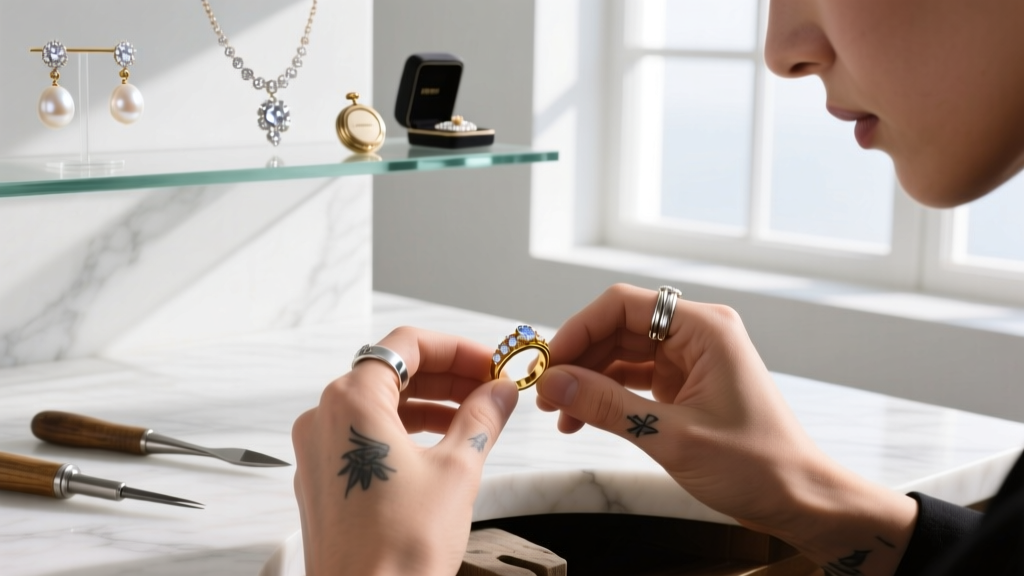
Restoring the brilliant luster of your favorite pieces requires more than just a quick wipe. When you reach for a commercial gold jewelry polish, you are interacting with complex metallurgy. Pure gold is virtually indestructible by oxidation, but the alloys mixed with it to create wearable jewelry are highly reactive. Using the wrong polishing compound on a 24k piece can cause severe micro-scratching, while using an abrasive paste on gold vermeil will strip the plating entirely. This comprehensive guide breaks down the exact science, tools, and step-by-step techniques required to polish every karat safely in 2026.
The Metallurgy of Gold Tarnish and Scratches
To understand how to polish gold, you must first understand why it loses its shine. Pure 24k gold has a Mohs hardness of just 2.5 to 3, making it incredibly soft. Because it is too malleable for daily wear, jewelers alloy it with metals like copper, silver, zinc, and nickel.
These alloyed metals are the culprits behind tarnish. When copper and silver are exposed to sulfur compounds in the air, cosmetics, or even your skin's natural pH, they form a microscopic layer of sulfide corrosion. This is why 10k and 14k gold—which contain higher percentages of base metals—tarnish much faster than 18k or 22k gold. A high-quality gold jewelry polish works either by chemically dissolving this sulfide layer or by using micro-abrasives to physically buff it away. However, physical buffing removes a microscopic layer of the gold itself, meaning aggressive polishing will eventually wear down intricate details and engravings.
Choosing the Right Gold Jewelry Polish
Not all polishes are created equal. The market is saturated with products that range from gentle maintenance cloths to heavy-duty chemical dips. Below is a breakdown of the primary polish types and their best use cases.
| Polish Type | Active Mechanism | Best For | Avoid On |
|---|---|---|---|
| Impregnated Cloths | Jeweler's rouge (iron oxide) embedded in cotton | 18k, 14k, 10k solid gold maintenance | Matte finishes, brushed textures |
| Liquid Chemical Dips | Thiourea or enzymatic sulfide dissolution | Heavy tarnish on intricate chain links | Porous gemstones, gold plate, vermeil |
| Abrasive Pastes | Silica or diamond dust suspensions | Deep scratch removal on solid 10k/14k | 18k, 22k, 24k, any plated jewelry |
| Ultrasonic Cleaners | Cavitation (sound waves in fluid) | Degreasing (not a polish, but a prep step) | Opals, emeralds, pearls, plated items |
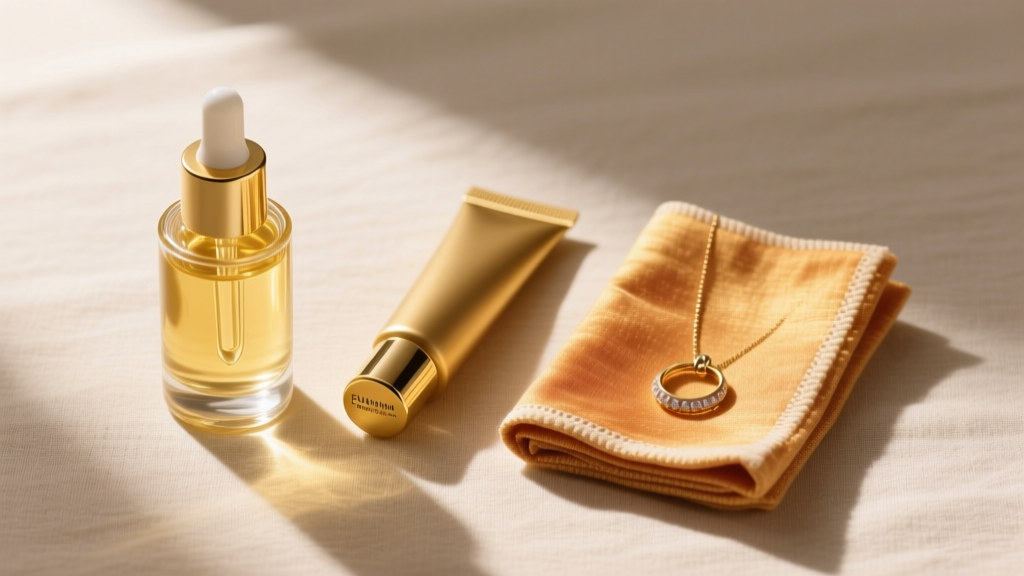
Step-by-Step Guide: Polishing Solid Gold (10k, 14k, 18k)
For standard solid gold jewelry, a two-step process involving a degreasing pre-clean followed by a gentle mechanical polish yields the best results without compromising the metal's integrity.
Step 1: The Degreasing Pre-Clean
Never apply a gold jewelry polish directly over a layer of skin oils, lotion, or hairspray. These substances create a barrier that causes the polish to smear rather than lift tarnish. Mix a few drops of phosphate-free dish soap (like Dawn) into a bowl of lukewarm water. Let the jewelry soak for 10 minutes. Use a soft-bristled baby toothbrush to gently dislodge debris from prongs and under the gallery wire. Rinse thoroughly with distilled water to prevent hard water spots, and pat completely dry with a lint-free paper towel.
Step 2: Applying the Gold Jewelry Polish
If you are using an impregnated polishing cloth, lay the jewelry on a flat, stable surface. Do not hold the piece in your hand while buffing, as the pressure will be uneven and you risk bending delicate prongs. Use straight, directional strokes rather than circular motions. Circular buffing can create visible swirl marks on high-karat gold. If you are using a liquid rouge paste, apply a pea-sized amount to a separate, clean microfiber cloth—not directly onto the jewelry.
Step 3: The Final Buff and Rinse
After the tarnish is lifted, the piece will be coated in a residual film from the polishing agents. Rinse the jewelry again in lukewarm distilled water. For the final dry, use a clean, untreated flannel cloth to buff the surface to a mirror finish. According to the Gemological Institute of America (GIA), regular use of treated cloths for solid gold is safe, provided you are not aggressively scrubbing the same localized area repeatedly.
The Danger Zone: Plated, Vermeil, and Filled Pieces
The most common mistake consumers make is treating gold-plated or gold vermeil jewelry like solid gold. The Federal Trade Commission (FTC) strictly defines gold vermeil as having a sterling silver base with a gold layer of at least 2.5 microns thick. Standard gold plating can be as thin as 0.5 microns.
Standard gold jewelry polishes, especially those containing micro-abrasives or harsh chemical dips, will strip these microscopic layers of gold in seconds, exposing the base metal underneath. If your vermeil or plated jewelry looks dull, do not use commercial polish. Instead, rely solely on the Step 1 degreasing soak mentioned above, followed by a gentle buff with a dry, untreated microfiber cloth. If the piece is heavily scratched, it cannot be polished; it must be sent to a professional jeweler for re-plating.
Navigating Gemstone Inclusions
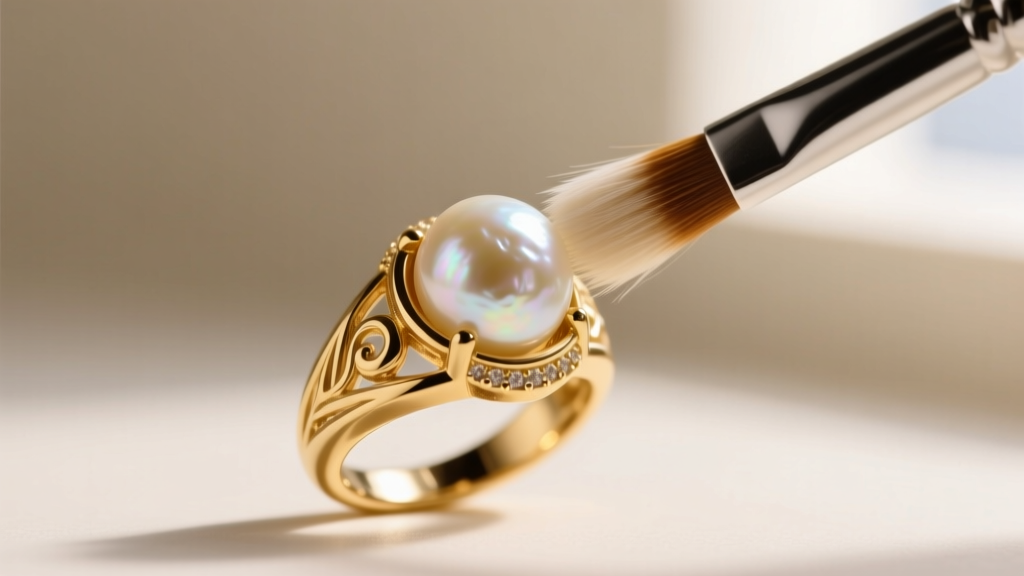
Polishing gold jewelry becomes exponentially more complex when gemstones are involved. The chemicals used to dissolve gold tarnish can be catastrophic for certain gems.
- Porous Stones (Pearls, Opals, Turquoise, Coral, Emeralds): These stones absorb liquids. Chemical gold dips will permanently discolor them and dissolve the epoxy used to secure them in their settings. Always mask these stones with painter's tape or avoid liquid polishes entirely, opting for a dry polishing cloth applied strictly to the metal bands.
- Hard Stones (Diamonds, Sapphires, Rubies): These are highly resistant to chemical polishes and can safely withstand liquid dips. However, the polishing cloth can leave microscopic fibers caught in the pavilion facets of the stone, dulling its sparkle. Always use a wooden toothpick to gently remove cloth fibers from behind the gemstone after polishing.
Maintenance Schedule and Storage
Over-polishing is just as damaging as under-polishing. Every time you use an abrasive gold jewelry polish, you remove a fractional layer of metal. For daily-wear items like 14k wedding bands, limit abrasive paste polishing to once a year. Instead, rely on weekly degreasing soaks and monthly wipes with an impregnated cloth. Store your polished gold in anti-tarnish cloth pouches or lined jewelry boxes with activated charcoal or silica gel packets to absorb ambient sulfur and moisture, drastically extending the time between necessary polishings.


