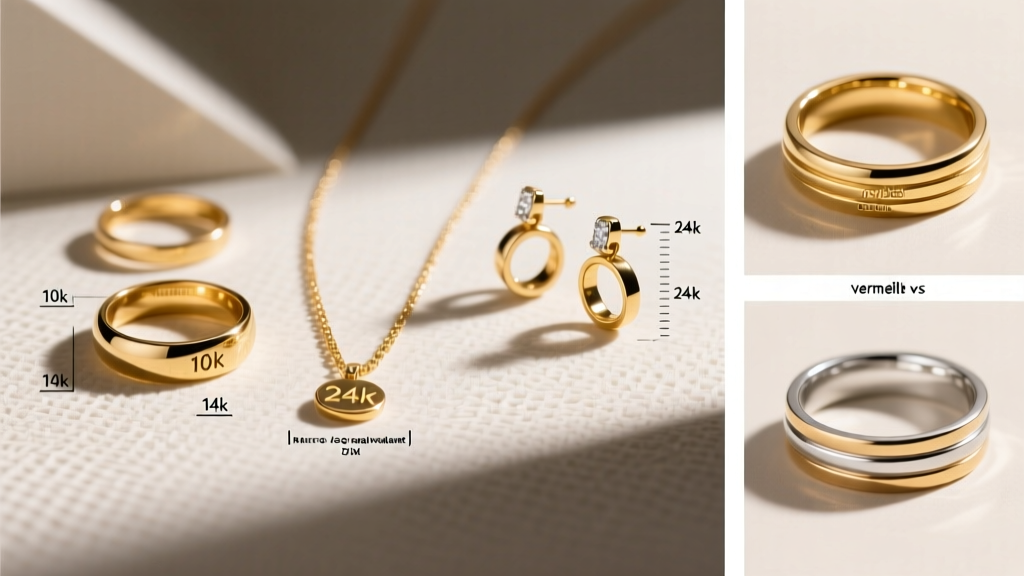
Is Now a Good Time to Sell Gold Jewelry? 2026 Market Guide
Discover if now is a good time to sell gold jewelry in 2026. Learn melt value math, karat pricing, and where to get the highest cash payouts.

When evaluating your jewelry box, the most pressing question on many minds today is: is now a good time to sell gold jewelry? With macroeconomic shifts, fluctuating fiat currencies, and evolving luxury markets, the decision to liquidate precious metals requires more than a simple guess. In 2026, gold remains a premier hedge against inflation, but understanding the spread between spot prices and dealer payouts is critical to maximizing your return. Whether you are looking to offload broken chains, outdated rings, or inherited estate pieces, this comprehensive budget and value assessment will guide you through the exact math, market conditions, and selling avenues available today.
The 2026 Macro Environment: Why Gold is Surging
To determine if the current market favors the seller, we must look at the macroeconomic drivers pushing gold to historic highs. According to the World Gold Council, central bank accumulation has remained aggressively high throughout the mid-2020s, creating a sustained price floor for the metal. Furthermore, geopolitical uncertainties and shifting interest rate policies have driven retail investors back to physical gold.
As of early 2026, spot prices have consistently tested the $2,500 to $2,600 per troy ounce range. For the everyday consumer, this means the intrinsic "melt value" of your jewelry is significantly higher than it was five years ago. However, high spot prices also mean dealers are more cautious about overpaying, making it vital to understand the exact mathematical value of your pieces before walking into a buyer's shop.
The Math: Calculating Melt Value by Karat
The absolute ceiling of what your gold is worth is its "melt value"—the raw value of the pure gold content if it were melted down into a bar. Gold jewelry is rarely 100% pure; it is alloyed with metals like copper, silver, and zinc for durability. To calculate your melt value, you must know your item's weight in grams and its karat purity.
One troy ounce equals exactly 31.1035 grams. If we use a baseline 2026 spot price of $2,550 per troy ounce, the price of pure (24k) gold is approximately $81.98 per gram. Below is a breakdown of the intrinsic melt value per gram based on standard jewelry karats.
| Karat | Purity (%) | Common Hallmarks | Approx. Melt Value per Gram (at $2,550/oz) |
|---|---|---|---|
| 24k | 99.9% | 999, 24K | $81.90 |
| 22k | 91.6% | 916, 22K | $75.09 |
| 18k | 75.0% | 750, 18K | $61.48 |
| 14k | 58.3% | 585, 14K | $47.79 |
| 10k | 41.7% | 417, 10K | $34.18 |
Note: Spot prices fluctuate daily. Always check a live market tracker like Kitco on the exact day you plan to sell to adjust these baseline figures.

Melt Value vs. Resale Value: The Dealer Margin
A common mistake sellers make is expecting to receive the exact melt value for their jewelry. Unless you are selling directly to a private buyer who wants the piece for its aesthetic design, you are selling to a middleman who must refine the metal and turn a profit. Understanding these margins is key to assessing whether a cash offer is fair or predatory.
Typical Buyer Payout Percentages
- Pawn Shops (40% - 60% of melt): Pawn shops have high overhead and take on the risk of holding and reselling inventory. They offer the most convenience and immediate cash, but the lowest payouts. If your 14k chain has a melt value of $500, expect an offer between $200 and $300.
- Local Coin & Bullion Dealers (65% - 80% of melt): These dealers are closer to the refining market. They process higher volumes and have lower retail overhead than traditional jewelry stores, allowing them to pass more of the spot price back to the seller.
- Online Mail-In Refiners (75% - 90% of melt): Large-scale online buyers operate on massive volume margins. While they offer the highest percentages for scrap gold, you must factor in shipping insurance, trust, and a waiting period of 1 to 2 weeks for payment.
- Private Market / Consignment (100% - 250%+ of melt): If your piece is from a recognized luxury brand (e.g., Cartier, Tiffany & Co.) or features high-quality diamonds, selling it as a finished piece of jewelry on platforms like eBay or through a luxury consignor will vastly outperform melt value.
Crucial Pre-Sale Testing: Avoid the "Gold Filled" Trap
Before you weigh your jewelry, you must verify its authenticity. Many consumers mistakenly believe they own solid gold when they actually possess gold-filled or gold-plated items, which hold virtually zero melt value.
Gold Filled (GF): Items stamped "1/20 14K GF" consist of a base metal (usually brass) with a relatively thick outer layer of 14k gold mechanically bonded to it. While gold-filled jewelry is durable and excellent for wearing, refiners cannot easily separate the thin gold layer from the brass core using standard melting techniques. Most scrap buyers will reject gold-filled items entirely, or pay mere pennies per gram.
Gold Plated (GP) / Vermeil: These items feature a microscopic layer of gold applied via electroplating. Vermeil indicates gold plated over sterling silver. While the sterling silver base has some scrap value, the gold itself is worthless to a refiner.
The At-Home Magnet Test: Gold is completely non-magnetic. If your chain or ring is attracted to a strong neodymium magnet, it is either entirely fake or contains a heavy ferrous core. Note that the clasps on solid gold chains often contain steel springs, so test the chain links, not the clasp.
The Acid Test: For a definitive answer, purchase a $15 gold testing kit online. By rubbing the gold on a black testing stone and applying a drop of nitric acid calibrated to specific karats, you can watch the chemical reaction. If the mark dissolves immediately under 14k acid, the piece is either plated or a lower karat than stamped.
Where to Sell: Comparing Avenues for Maximum Payout
Choosing the right venue depends on your priorities: speed, convenience, or maximum financial return. Below is a strategic comparison of the most common selling avenues in 2026.
| Selling Avenue | Estimated Payout | Speed of Payment | Best For |
|---|---|---|---|
| Local Pawn Shop | Low (40-60%) | Immediate (Cash) | Broken scrap gold, urgent cash needs, low-value items. |
| Local Jewelry Store | Medium (50-70%) | Immediate / Store Credit | Trading in old pieces toward a new retail jewelry purchase. |
| Precious Metals Dealer | High (70-85%) | Same Day (Check/Wire) | High-weight scrap chains, coins, and unmapped bullion. |
| Online Mail-In Refiner | Highest (80-95%) | 1-2 Weeks | Tech-savvy sellers with large lots who want maximum yield. |
| Private Buyer / Consignment | Premium (Retail Value) | Weeks to Months | Signed luxury pieces, vintage estate jewelry, high-carat gems. |
Preparation Checklist: Maximizing Your Appraisal
To ensure you get the best possible offer when you walk into a buyer's shop, follow this preparation protocol:
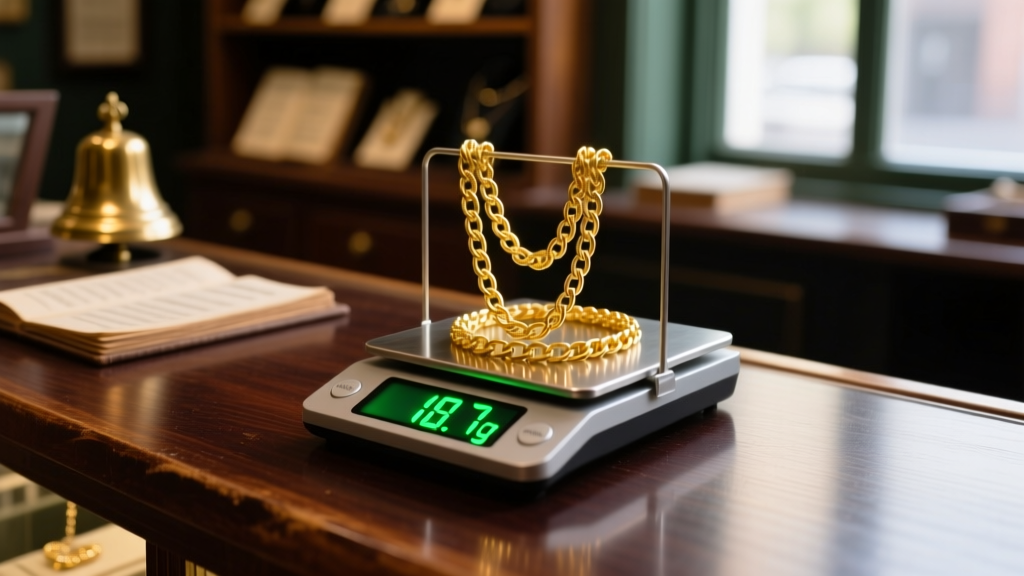
- Buy a Digital Milligram Scale: For under $20, you can purchase a digital scale that weighs in grams to the hundredth decimal. Weigh your items at home so you know exactly what you are handing over. Unscrupulous buyers have been known to use rigged scales.
- Separate by Karat: Do not hand a buyer a tangled ball of mixed 10k, 14k, and 18k gold. Sort them into separate piles. This signals to the buyer that you are an educated seller and prevents them from offering you a blanket 10k rate for your entire lot.
- Remove Non-Gold Components: If you are selling scrap, remove any large gemstones, especially if they are semi-precious or synthetic. Buyers will deduct the weight of the stones from the gold weight, or simply refuse to buy the piece until the stones are removed.
- Get Multiple Quotes: The golden rule of selling precious metals is to get at least three quotes. Visit a pawn shop, a local coin dealer, and a dedicated jewelry buyer. The variance in their offers can easily exceed 30%, and having a competing written offer gives you leverage to negotiate.
The Final Verdict: Is 2026 the Right Time?
So, is now a good time to sell gold jewelry? From a purely financial perspective, yes. With spot prices resting near historical peaks driven by sustained global demand and inflation hedging, the melt value of your unwanted jewelry is exceptionally high. If you have broken chains, single earrings, or outdated pieces gathering dust, converting them to liquid cash now allows you to reinvest in higher-yield assets or pay down high-interest debt.
However, if your jewelry holds deep sentimental value, or if it is a signed piece from a prestigious designer, holding onto it may be the better play. Luxury vintage gold pieces often appreciate independently of raw spot prices. But for standard, unmapped scrap gold, the 2026 market presents a rare window to capitalize on historic valuations. Do your math, test your metals, and negotiate confidently.