Understanding the Gold Plated Jewelry Meaning: A Beginner's Guide
Discover the true gold plated jewelry meaning, including micron thickness, base metals, and how it compares to vermeil and gold filled.
What is the Gold Plated Jewelry Meaning?
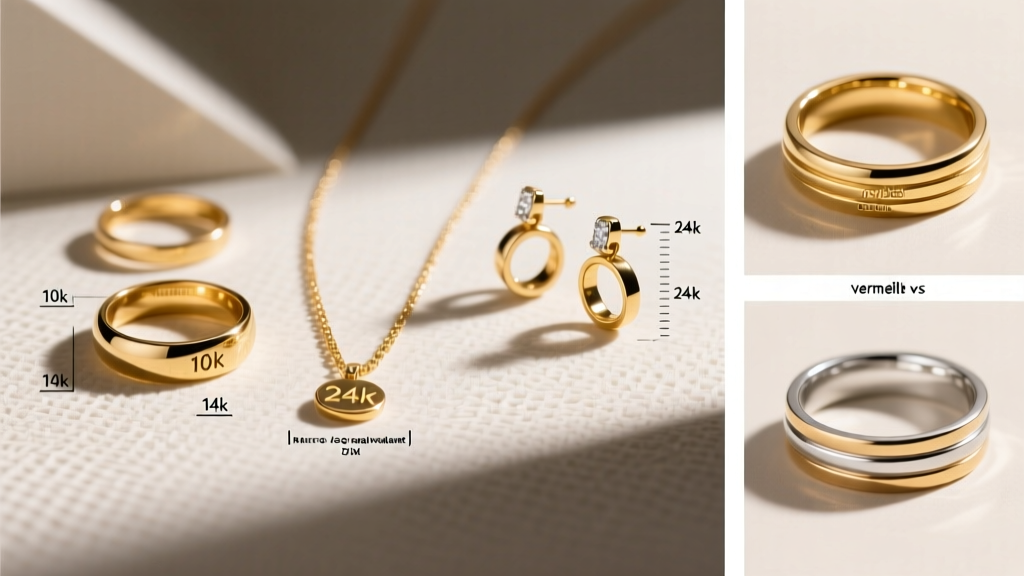
When shopping for affordable accessories, you will frequently encounter the term 'gold plated.' But what is the exact gold plated jewelry meaning? At its core, gold plated jewelry refers to a base metal—such as brass, copper, or stainless steel—that has been coated with a microscopic layer of real gold through an electrochemical process called electroplating. Unlike solid gold, which is forged entirely from gold alloys, plated jewelry relies on a non-precious core to provide structure and weight, while the outer gold layer provides the luxurious aesthetic.
Understanding this distinction is critical for managing your expectations regarding longevity, pricing, and skin sensitivity. While a solid 14k gold ring might cost upwards of $400, a gold plated version of the exact same design might retail for $35. This massive price difference makes plated jewelry highly accessible, but it also introduces specific vulnerabilities, such as tarnishing and plating wear, that every smart buyer must understand before checking out.
The Anatomy of Gold Plated Pieces
To truly grasp the gold plated jewelry meaning, you have to look beneath the surface. The quality, durability, and ultimate lifespan of a plated piece are dictated by two main factors: the base metal used for the core and the thickness of the gold layer applied to the exterior.
Base Metals: The Hidden Foundation
The core of the jewelry dictates its weight, malleability, and potential to cause allergic reactions. Common base metals include:
- Brass and Copper: The most common base metals due to their low cost and excellent electrical conductivity, which makes the electroplating process highly efficient. However, copper is notorious for oxidizing and turning skin green when the gold layer wears off.
- Stainless Steel: A superior base metal that offers high durability and hypoallergenic properties. Plating adheres well to steel, and if the gold wears away, the steel beneath will not turn your skin green.
- Nickel Alloys: Frequently used in cheap, mass-market fast fashion jewelry. Nickel provides a bright, smooth surface for plating but is a severe contact allergen. If you have sensitive skin, always verify that a piece is 'nickel-free' before purchasing.
Gold Layer Thickness: Measured in Microns
The thickness of the gold layer is measured in microns (one-millionth of a meter). The Federal Trade Commission (FTC) has strict guidelines regarding how these thicknesses can be marketed to consumers.
- Flash Plating (0.17 microns): Also known as 'gold washed.' This is an incredibly thin layer, often just 7 millionths of an inch. It provides a gold color straight out of the box but will rub off within weeks of daily wear.
- Standard Gold Plated (0.5 microns): The industry standard for mid-tier fashion jewelry. It offers a beautiful finish that can last several months to a year with careful, occasional wear.
- Heavy Gold Electroplate (2.5+ microns): Often stamped as HGE. This thick layer provides significantly more durability and can withstand daily wear for years before the base metal begins to show through.
The Electroplating Process Step-by-Step
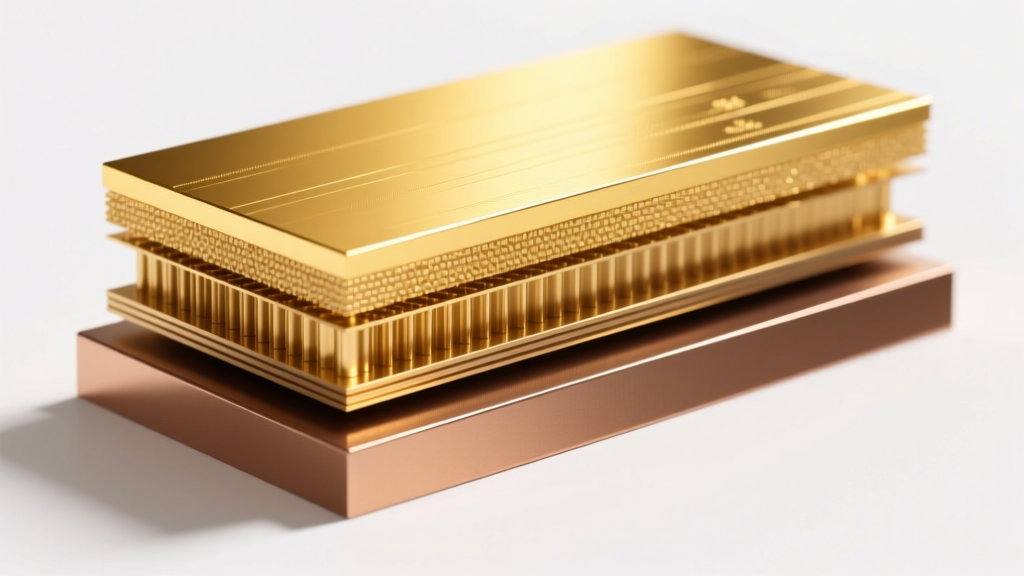
How does the gold actually stick to the metal? The Gemological Institute of America (GIA) notes that electroplating is a precise scientific process, not just a simple dip in paint. Here is how manufacturers achieve the gold plated jewelry meaning in a factory setting:
- Ultrasonic Cleaning: The raw base metal jewelry is scrubbed and placed in an ultrasonic bath to remove all oils, dust, and polishing compounds. Any microscopic debris will cause the gold to flake off later.
- The Strike Layer: A microscopic 'strike' layer of nickel or palladium is often applied first. This acts as a barrier to prevent the base metal from bleeding through and tarnishing the gold from the inside out.
- The Gold Bath: The jewelry is submerged in a chemical solution containing dissolved gold salts. An electrical current is introduced. The jewelry acts as a cathode (negative charge), attracting the positively charged gold ions, which bond permanently to the surface.
Gold Plated vs. Vermeil vs. Gold Filled
Beginners often confuse gold plated jewelry with vermeil and gold filled options. While they all offer the look of gold at a fraction of the cost of solid gold, their manufacturing processes and lifespans vary drastically. Below is a structured comparison to help you decode jewelry labels.
| Feature | Gold Plated | Gold Vermeil | Gold Filled |
|---|---|---|---|
| Base Metal | Brass, Copper, Steel | Sterling Silver (925) | Brass or Copper |
| Gold Thickness | 0.17 to 2.5 microns | Minimum 2.5 microns | 5% to 10% of total weight |
| Application Method | Electroplating | Electroplating | Heat and Pressure Bonding |
| Average Lifespan | 6 months to 2 years | 2 to 5 years | 10 to 30+ years |
| Typical Price Range | $15 - $60 | $45 - $120 | $60 - $200+ |
Real-World Wear: Tarnish, Fading, and Skin Reactions
Understanding the gold plated jewelry meaning also requires understanding its failure modes. Pure gold does not tarnish, rust, or corrode. Therefore, if your gold jewelry is changing color or irritating your skin, the issue lies with the base metal or the breakdown of the plating layer.
Why Does It Turn Your Skin Green?
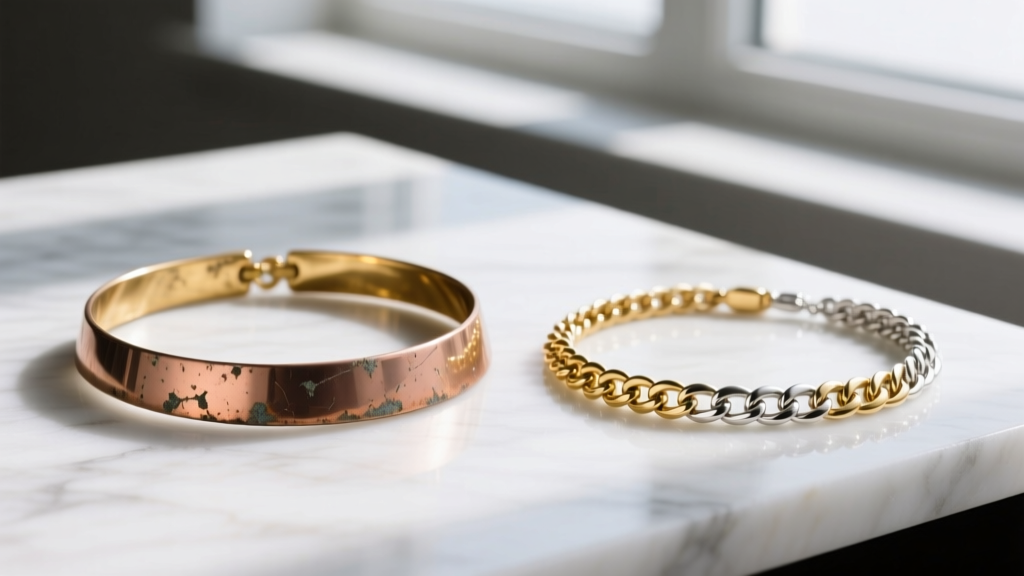
A common myth is that green skin indicates 'fake' gold or a gold allergy. In reality, it is a simple chemical reaction. When the microscopic gold layer wears thin on high-friction areas (like the inside of a ring band), the underlying copper or brass core is exposed to your skin. The natural acids, oxygen, and chlorides in your sweat react with the copper to create copper chloride—a compound that is distinctly green and easily transfers to your skin. It is harmless, but aesthetically unpleasant.
How to Spot Failing Plating
Plating rarely fails all at once. Look for these early warning signs:
- High-Point Rubbing: The gold will first wear off on the edges, prongs, and inside bands where friction is highest.
- Brassy Undertones: As the gold thins, the yellow hue will shift from a rich, warm gold to a harsh, pale yellow or brassy tint.
- Dark Spots: If the base metal is silver or steel, failing plating will reveal dark grey or black spots where the metal has begun to oxidize.
Care and Maintenance Framework
Because the gold layer is so thin, aggressive cleaning methods will strip it away entirely. To maximize the lifespan of your gold plated pieces, follow this strict maintenance framework:
- The 'Last On, First Off' Rule: Always put your jewelry on after applying lotions, perfumes, and hairsprays. Chemical solvents in cosmetics can degrade the gold layer rapidly. Remove it first when you get home.
- Avoid Water Exposure: Never wear gold plated jewelry in the shower, pool, or ocean. Chlorine and saltwater are highly corrosive to both the gold layer and the base metal beneath.
- Gentle Cleaning Only: Never use ultrasonic cleaners, silver polish, or abrasive jewelry cloths. Instead, soak the piece in warm water with a drop of mild dish soap, gently wipe with a microfiber cloth, and dry completely before storing.
- Friction-Free Storage: Store pieces individually in soft pouches. Tossing plated jewelry into a communal box will cause micro-scratches that wear through the plating prematurely.
When Should You Buy Gold Plated Jewelry?
Now that you understand the gold plated jewelry meaning, you can make strategic purchasing decisions. Gold plated jewelry is the ultimate choice for trend-driven, seasonal pieces, or large statement earrings where the weight of solid gold would be uncomfortable and prohibitively expensive. It is perfect for testing out a new jewelry silhouette before committing to a fine jewelry investment.
However, you should avoid gold plated jewelry for pieces subjected to high daily friction, such as wedding bands, delicate chain bracelets, or everyday hoop earrings. For those high-wear items, upgrading to gold vermeil or gold filled will provide a vastly superior return on investment, ensuring your favorite accessories remain beautiful for years to come.


