Is Jaxxon Jewelry Real Gold? Material & Quality Review
Is Jaxxon jewelry real gold? We break down the metallurgy, gold bonded thickness, base metals, and longevity of Jaxxon chains vs solid 14k gold.

The Short Answer: Decoding Jaxxon's Gold Claims
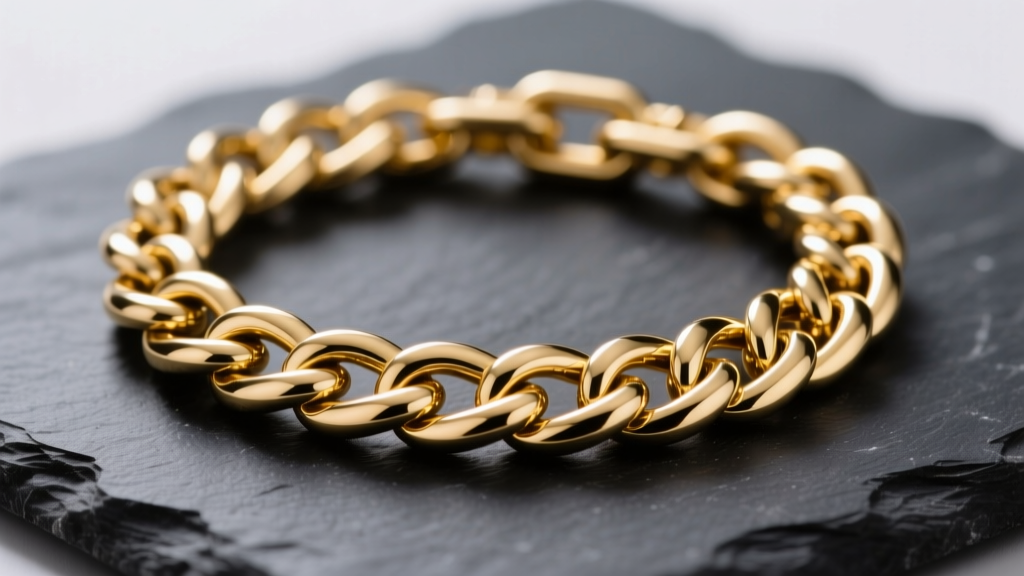
When shopping for affordable luxury chains, a common question arises among buyers: is jaxxon jewelry real gold? The short answer requires a distinction between solid gold and gold-plated materials. Jaxxon jewelry is not solid gold. Instead, it utilizes a proprietary marketing term called "Gold Bonded," which essentially refers to a heavy gold vermeil or thick electroplating process over a sterling silver base.
While the exterior layer is indeed real 14k gold, the core of the jewelry is made of 925 sterling silver. As of 2026, the market has seen a massive surge in these heavy-plated alternatives, bridging the gap between cheap brass costume jewelry and prohibitively expensive solid gold pieces. To truly understand the value and material properties of Jaxxon chains, we must look past the marketing terminology and examine the exact metallurgical composition, micron thickness, and real-world wear characteristics of their products.
Metallurgical Breakdown: Base Metals and Micron Thickness
To evaluate the material integrity of any gold-alternative jewelry, we must analyze both the base metal and the thickness of the gold overlay. Jaxxon primarily uses 925 sterling silver as its base metal. Sterling silver is an alloy consisting of 92.5% pure silver and 7.5% copper. This copper addition is crucial; pure silver is too soft to support the structural weight of heavy Cuban link chains, so the copper provides necessary tensile strength.
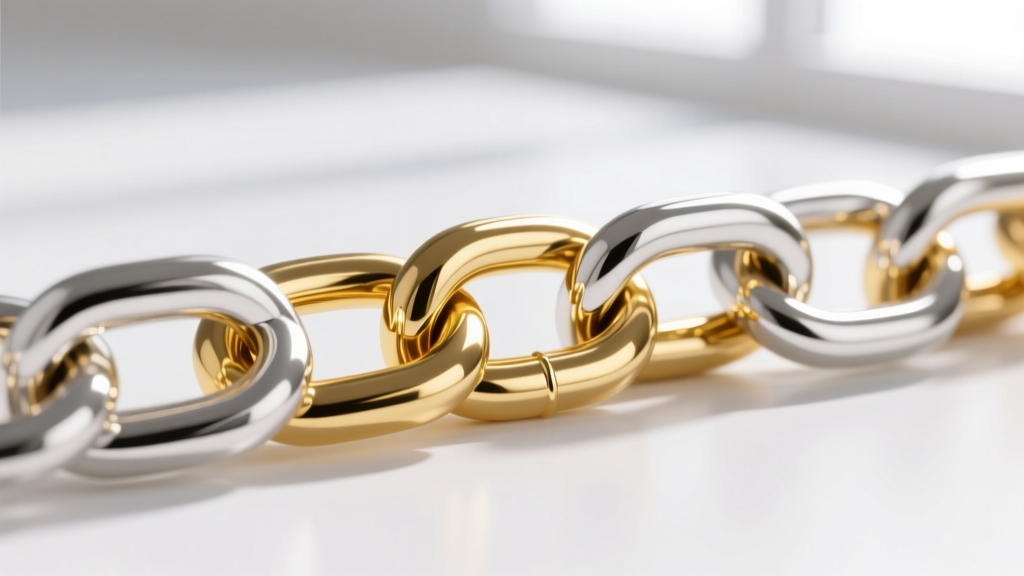
The outer layer is where the "real gold" question is answered. According to the Gemological Institute of America (GIA), gold plating thickness is measured in microns. Standard "flash plating" (common in mall kiosks) is usually less than 0.5 microns thick and wears off in weeks. True gold vermeil requires a minimum of 2.5 microns of gold over a sterling silver base. Jaxxon claims their "Gold Bonded" process uses 3 to 5 times more gold than standard vermeil. This suggests a gold layer thickness ranging between 7.5 and 12.5 microns of 14k gold. While this is exceptionally thick for plated jewelry, it remains a surface layer, meaning the piece holds no intrinsic melt value compared to solid gold.
Material Comparison Chart: Jaxxon vs. The Alternatives
Understanding where Jaxxon sits in the jewelry hierarchy requires comparing it directly to solid gold, standard vermeil, and cheap plated alternatives. Below is a structural and economic comparison based on an 18-inch, 12mm Cuban link chain.
| Material Type | Base Metal | Gold Layer Thickness | Average Price (18") | Expected Lifespan (Daily Wear) |
|---|---|---|---|---|
| Solid 14k Gold | None (14k Alloy) | Solid throughout | $4,500 - $6,000+ | Lifetime (Generations) |
| Jaxxon Gold Bonded | 925 Sterling Silver | ~7.5 to 12.5 microns | $120 - $180 | 2 to 5 Years |
| Standard Gold Vermeil | 925 Sterling Silver | 2.5 microns | $80 - $150 | 1 to 2 Years |
| Gold Plated (Costume) | Brass or Steel | < 0.5 microns | $30 - $60 | 3 to 6 Months |
Real-World Failure Modes: How Gold Bonded Chains Degrade
Even with a thick 10-micron layer of 14k gold, plated jewelry is subject to environmental and mechanical degradation. If you are wondering is jaxxon jewelry real gold because you are worried about tarnishing, you must understand the failure modes of gold-over-silver jewelry.
1. Mechanical Friction and Wear
The most common failure point on any chain is the clasp and the links immediately adjacent to it. The constant metal-on-metal friction slowly abrades the gold layer. Once the 14k gold is worn away, the underlying 925 sterling silver is exposed. Because sterling silver contains 7.5% copper, exposure to air and moisture will cause the copper to oxidize, leading to localized tarnishing and potentially leaving a green or black residue on your skin.
2. Chemical and Galvanic Corrosion
Chlorine is the enemy of all gold alloys, but it is particularly destructive to plated jewelry. Swimming in a chlorinated pool or exposing the chain to harsh household cleaners can cause micro-pitting in the gold layer. Furthermore, if the gold layer is compromised, sweat (which is slightly acidic and contains salts) will accelerate the galvanic corrosion of the copper in the sterling silver base.
FTC Guidelines and Hallmark Stamping
The Federal Trade Commission (FTC) maintains strict Jewelry Guides regarding how gold products can be stamped and marketed. Because Jaxxon chains are not solid gold, they cannot legally be stamped with a "14k" or "585" hallmark. Doing so would deceive consumers into believing the item is solid gold throughout.
Instead, you will typically find a "925" stamp on Jaxxon pieces, which accurately identifies the base metal as sterling silver. Some manufacturers use stamps like "14k HGE" (Heavy Gold Electroplate) or "14k GP" (Gold Plated), but Jaxxon generally relies on the 925 stamp and their proprietary "Gold Bonded" marketing terminology. This is legally compliant, but consumers must recognize that a 925 stamp guarantees the silver core, not the gold exterior.
Actionable Care Protocol for Gold Bonded Jewelry
To maximize the lifespan of a thick gold vermeil or gold bonded chain, you must implement a strict care routine that protects both the gold layer and the silver core.
- Regular Cleaning: Use a few drops of mild, phosphate-free dish soap in lukewarm water. Gently agitate the chain with a soft baby toothbrush. Never use abrasive toothpaste or baking soda, as these will create micro-scratches in the gold, dulling the high-polish finish.
- Avoid Ultrasonic Cleaners: While ultrasonic cleaners are safe for solid gold, the high-frequency vibrations and harsh chemical baths can cause thick electroplated layers to peel or flake, especially if there are microscopic fractures in the gold bonding.
- The "Last On, First Off" Rule: Always put your chain on after applying cologne, lotions, and hairspray. Take it off before showering or working out. The chemicals in grooming products can strip the natural oils that keep the gold looking vibrant and accelerate the tarnishing of the silver base if the gold is compromised.
- Proper Storage: Store the chain in an airtight anti-tarnish bag. Including a silica gel packet and an anti-tarnish strip (which absorbs sulfur compounds in the air) will prevent the underlying silver from oxidizing, even if the gold layer remains perfectly intact.
Final Verdict: Who Should Buy Jaxxon?
So, is Jaxxon jewelry real gold? It features a substantial, genuine layer of 14k gold, but it is fundamentally a heavy-plated sterling silver product. If you are looking for an heirloom piece to pass down to your children, or a chain that you can wear in the ocean every day without a second thought, you must invest in solid 14k or 18k gold.
However, if you want the heavy, luxurious drape and brilliant luster of a thick Cuban link chain without spending $5,000, Jaxxon's gold bonded jewelry represents one of the best material compromises on the market. By understanding the metallurgy and treating the piece with the care required of gold-over-silver jewelry, you can expect years of excellent wear and premium aesthetics.


