Safe White Gold Jewelry Cleaning: A Beginner's Home Guide
Learn safe white gold jewelry cleaning methods at home. Discover expert tips on washing, polishing, and maintaining rhodium-plated rings and chains.

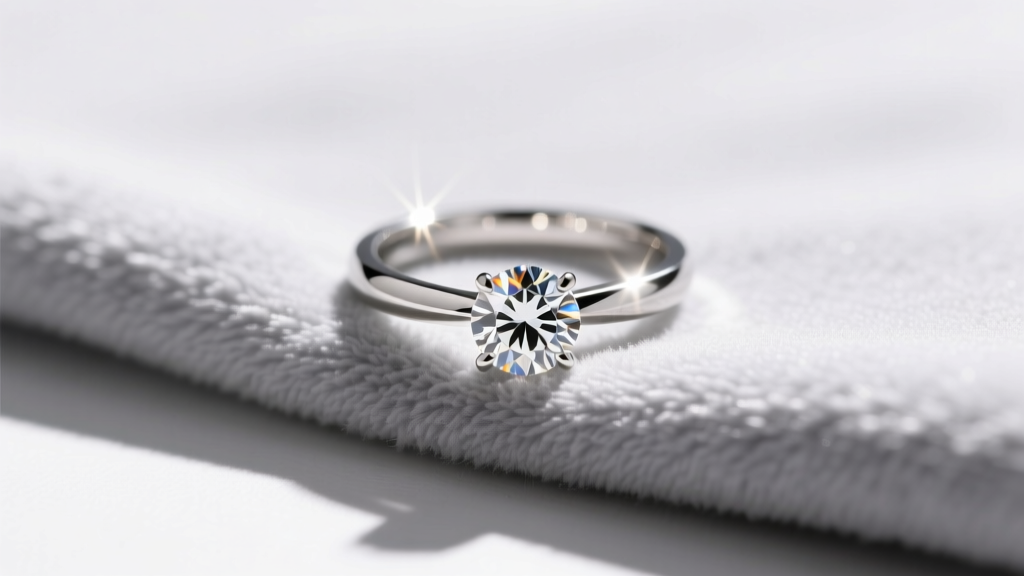
If you have ever noticed your once-brilliant white gold ring developing a faint yellowish tint or losing its mirror-like shine, you are not alone. White gold is one of the most popular metals for engagement rings and fine jewelry, but it requires a specific maintenance routine to keep it looking pristine. Unlike yellow gold, which is relatively uniform throughout, white gold relies on a delicate surface treatment that can be easily damaged by harsh chemicals or improper techniques. In this comprehensive guide, we will break down the science of white gold and provide a foolproof, step-by-step method for white gold jewelry cleaning that you can safely perform at home.
The Metallurgy of White Gold: Why It Needs Special Care
To understand how to clean white gold, you first need to understand what it actually is. Pure 24-karat gold is naturally yellow and far too soft for everyday jewelry. To create white gold, jewelers alloy pure gold with white metals like nickel, palladium, zinc, or silver. A standard 14k white gold ring contains 58.3% pure gold and 41.7% alloy metals, while 18k white gold contains 75% pure gold. However, even with these white alloys, the resulting metal still has a faint yellowish-gray hue.
To achieve the brilliant, silvery-white finish consumers expect, the jewelry is electroplated with a microscopic layer of rhodium, a rare and incredibly hard metal from the platinum family. This rhodium plating is typically only 0.75 to 1.0 microns thick—roughly 1/100th the thickness of a human hair. When you are performing white gold jewelry cleaning, your primary goal is to remove dirt, oils, and lotions without degrading or scratching this fragile rhodium layer. Once the rhodium wears away, the naturally yellowish alloy beneath is exposed, which is why older white gold rings often look yellow at the bottom of the shank where they rub against your skin.
The 4-Step Safe White Gold Jewelry Cleaning Method
Forget the abrasive home remedies you might find on social media. According to the Gemological Institute of America (GIA), the safest way to clean precious metals and diamonds is with a gentle, non-chemical approach. Follow this exact protocol to restore your jewelry's sparkle without compromising the rhodium plating.
Step 1: The Lukewarm Soak
Fill a small glass or ceramic bowl with lukewarm water—ideally around 85°F (29°C). Avoid hot water, as extreme temperature changes can cause thermal shock to certain gemstones or weaken the adhesive in semi-mount settings. Add three to four drops of a mild, phosphate-free dish soap (such as original Dawn). Phosphates and harsh degreasers can leave a filmy residue on the rhodium surface. Submerge your white gold jewelry and let it soak for 15 to 20 minutes. This softens hardened lotions, dead skin cells, and sebum trapped beneath the gallery of the ring or inside the links of a chain.
Step 2: The Extra-Soft Brush
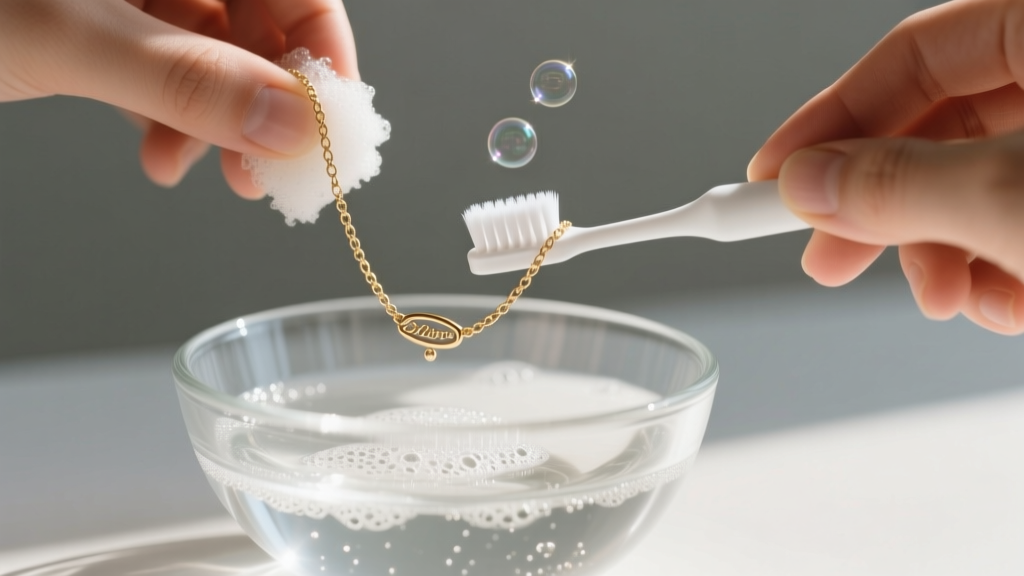 After soaking, it is time to agitate the remaining debris. You must use an extra-soft baby toothbrush or a specialized jewelry brush with ultra-fine bristles. Never use a medium or hard-bristled brush, as the bristles can create micro-scratches on the rhodium plating, which will eventually dull the metal's reflective qualities. Gently brush the jewelry using small, circular motions, paying special attention to the back of the setting (the pavilion) where grease accumulates and blocks light from entering the diamond.
Step 3: The Distilled Rinse
Rinse the jewelry under a gentle stream of lukewarm water. To prevent hard water spots and mineral deposits from drying on the metal, use distilled water for the final rinse. Always ensure your sink drain is securely plugged, or better yet, rinse the jewelry over a small mesh strainer to prevent catastrophic accidents.
Step 4: Microfiber Drying
Pat the jewelry dry using a clean, lint-free microfiber cloth. Avoid paper towels or tissue paper at all costs; they are made from wood pulp and contain microscopic fibers that act like sandpaper on a molecular level, gradually wearing down the rhodium plating over time. Allow the piece to air dry completely before storing it in a fabric-lined jewelry box.
Chemicals to Avoid: The 'Never Use' List
Many common household cleaners are highly destructive to white gold alloys and rhodium plating. The American Gem Society (AGS) strongly advises against using DIY chemical pastes or bleach-based solutions. Below is a breakdown of substances you must keep away from your white gold.
| Substance | Reason to Avoid | Type of Damage |
|---|---|---|
| Chlorine / Bleach | Reacts with alloy metals (nickel/zinc) | Stress corrosion cracking, prong failure |
| Toothpaste | Contains abrasive silica and baking soda | Micro-scratches, dulls rhodium finish |
| Baking Soda Paste | Highly alkaline and physically abrasive | Strips rhodium plating prematurely |
| Ammonia | Too harsh for frequent use on alloys | Pitting, discoloration of secondary stones |
| Silver Polish | Formulated for sterling silver oxidation | Chemical burning, uneven rhodium wear |
Expert Warning: Never wear white gold jewelry in a chlorinated swimming pool or a hot tub. Chlorine causes a metallurgical reaction known as 'stress corrosion cracking,' which makes the alloy brittle and can cause your diamond prongs to snap off without warning.
Are Ultrasonic Cleaners Safe for White Gold?
As of 2026, consumer-grade ultrasonic cleaners have become highly accessible, but they require a nuanced approach. Ultrasonic cleaners use high-frequency sound waves to create microscopic cavitation bubbles in a liquid solution, which implode and blast dirt away from the metal. For solid white gold jewelry featuring secure, natural, untreated diamonds, ultrasonic cleaning is highly effective and perfectly safe.
However, you must never use an ultrasonic cleaner if your white gold piece contains fracture-filled diamonds, emeralds, opals, pearls, or turquoise. The intense vibrations can shatter fragile gems or boil the oils out of fracture-filled stones, leaving them cloudy and cracked. Furthermore, if your ring has a loose stone that you haven't noticed, the ultrasonic vibrations can shake it completely out of the setting.
When Cleaning Fails: The Rhodium Re-Plating Reality
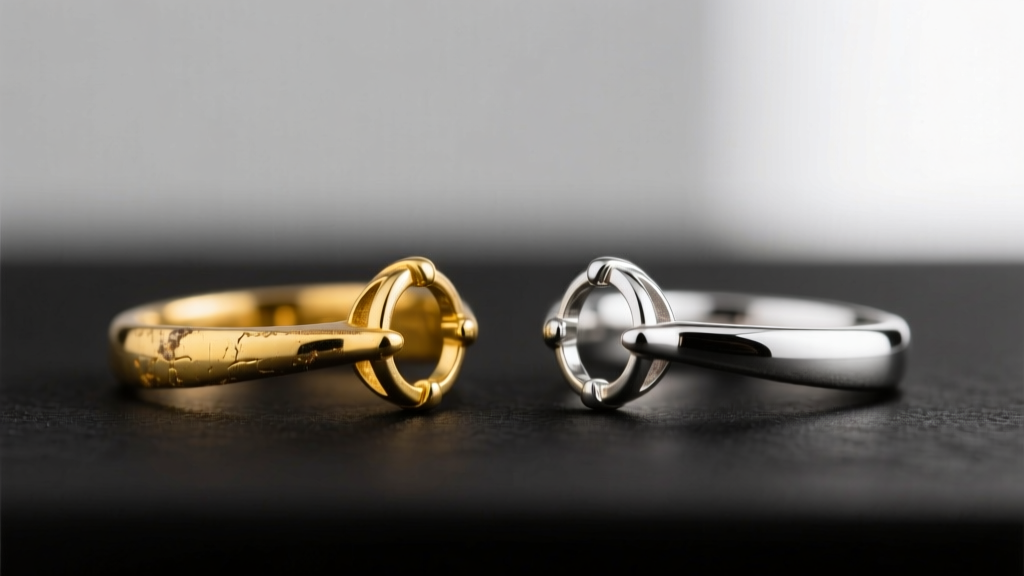 It is vital for beginners to understand the difference between dirty white gold and worn white gold. If you have followed the 4-step cleaning method above and your ring still has a distinct yellowish tint—particularly on the bottom of the band or around the prongs—no amount of scrubbing will fix it. This is not tarnish; it is the natural color of the gold alloy showing through because the 0.75-micron rhodium layer has physically worn away.
When this happens, the only solution is professional rhodium re-plating. A local jeweler will polish the piece, strip the remaining rhodium, and submerge it in an electroplating bath to apply a fresh layer of rhodium. This service typically costs between $50 and $150, depending on the complexity of the piece and the current market price of rhodium. For everyday rings like wedding bands, you can expect to need re-plating every 12 to 24 months. To extend the life of your rhodium plating, remove your rings before applying hand sanitizers, lotions, or doing heavy manual labor, and stick strictly to the gentle, soap-and-water white gold jewelry cleaning method outlined above.