Expert Care and Cleaning Tips for Imperial Gold Jewelry
Discover expert techniques to safely clean, polish, and store high-purity imperial gold jewelry without damaging its soft 22k or 24k surface.

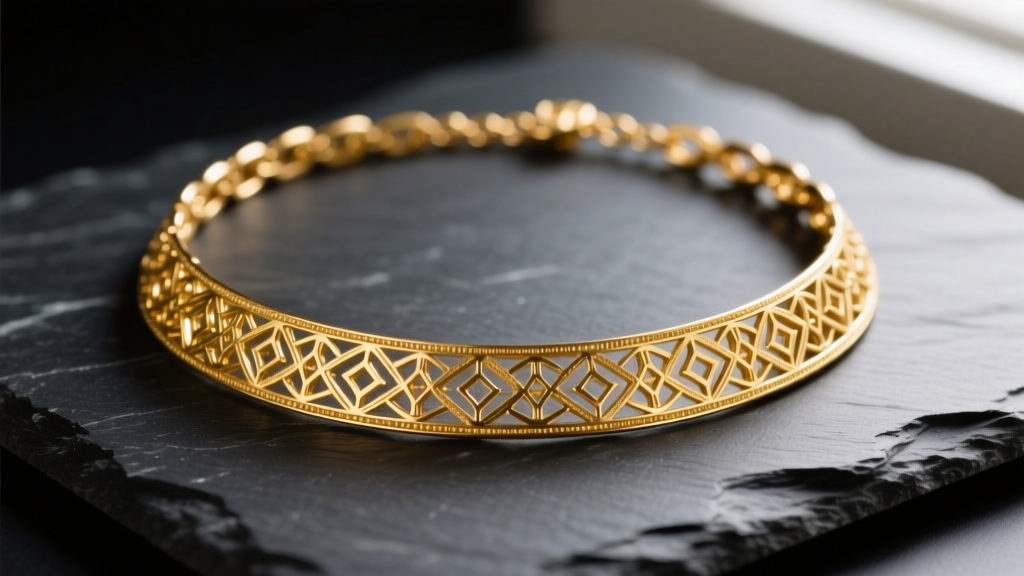
The Unique Nature of Imperial Gold Jewelry
Imperial gold jewelry represents the absolute pinnacle of metallurgical purity and artisanal heritage. Historically favored by royalty across Asia, the Middle East, and ancient civilizations, the term "imperial gold" typically refers to ultra-high-purity alloys, most commonly 22-karat (91.6% pure) or 24-karat (99.9% pure) gold. Unlike standard 14k or 18k gold jewelry, which is heavily alloyed with copper, silver, or zinc to increase durability, imperial gold retains the deep, buttery, sunlit yellow hue that defines pure gold. However, this breathtaking beauty comes with a significant metallurgical trade-off: extreme softness and vulnerability to environmental factors.
As of 2026, the resurgence of heritage jewelry and investment-grade wearable assets has brought imperial gold jewelry back into the spotlight. Collectors and daily wearers alike must understand that caring for 22k and 24k gold requires a fundamentally different approach than caring for lower-karat pieces. The standard ultrasonic cleaners and harsh commercial polishing cloths used for 14k gold can permanently ruin the surface integrity, traditional matte finishes, and delicate structural elements of high-purity gold. This comprehensive guide provides the exact protocols needed to maintain, clean, and preserve your imperial gold jewelry for generations.
Understanding Purity and the Vickers Hardness Scale
To properly care for imperial gold, you must first understand its physical limitations. Jewelers and metallurgists measure the scratch resistance of metals using the Vickers Hardness (HV) scale. Pure 24k gold sits at a remarkably low 25 HV. By comparison, 18k gold is approximately 125 HV, and 14k gold reaches up to 140 HV. This means that 24k imperial gold is nearly six times softer than standard everyday jewelry.
Because of this low hardness rating, 24k and 22k gold are highly susceptible to micro-scratches, denting, and structural warping. According to the Gemological Institute of America (GIA), the lack of alloying metals also means that high-karat gold does not suffer from the same galvanic corrosion or tarnishing that plagues lower-karat pieces, but it is highly reactive to specific chemicals and physical abrasion. Understanding this dichotomy—immune to standard tarnish, but highly vulnerable to physical deformation and chemical amalgamation—is the foundation of proper imperial gold care.
Daily Wear Rules and Chemical Avoidance
Wearing 22k or 24k gold jewelry requires mindfulness. While pure gold will not rust or oxidize in normal air, the environment you expose it to can cause severe surface damage. The most critical rule for imperial gold is to remove it before engaging in any activity involving harsh chemicals, heavy physical impact, or extreme temperature fluctuations.
The Chlorine Threat
Chlorine is the ultimate enemy of all gold jewelry, but it poses a unique threat to imperial pieces. While the pure gold itself may resist chlorine, the solder points used to connect links, clasps, and settings are almost always made of lower-karat gold (often 14k or 18k) to ensure structural integrity. When exposed to chlorinated pool water or harsh household bleach, these lower-karat solder joints undergo rapid chemical degradation, leading to catastrophic structural failure and lost jewelry.
Cosmetics and Lotions
The oils, emulsifiers, and micro-abrasives found in modern skincare routines create a stubborn film on high-karat gold. Because 24k gold is slightly porous at a microscopic level, it can absorb heavy oils and lotions, leading to a dull, matte appearance over time. Always apply perfumes, hairsprays, and lotions at least 15 minutes before putting on your imperial gold jewelry to allow the chemicals to dry and settle.
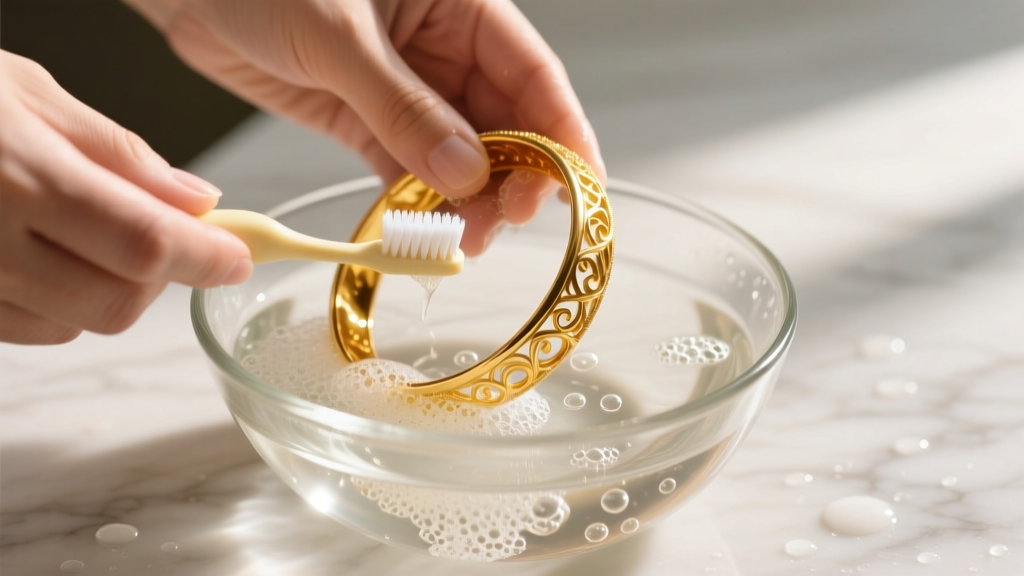
Step-by-Step Cleaning Protocol for Imperial Gold
When your imperial gold jewelry loses its luster due to everyday oils and environmental dust, it requires a gentle, highly specific cleaning process. Never use commercial jewelry dips, ammonia-based cleaners, or toothpaste, as the abrasive silica in toothpaste will permanently scratch the 25 HV surface of 24k gold.
Required Materials
- Distilled Water: Tap water contains dissolved minerals like calcium and magnesium that will leave microscopic hard water spots on high-purity gold.
- pH-Neutral Cleanser: Use a mild, pH-neutral liquid soap, such as unscented baby shampoo or a specialized conservation-grade detergent. Avoid dish soaps with added degreasers or citrus extracts.
- Ultra-Soft Bristle Brush: Use a newborn baby toothbrush with bristles no thicker than 0.1mm. Standard soft-bristle adult toothbrushes are too stiff and will leave micro-marring.
- Lint-Free Microfiber Cloth: Ensure it is 100% polyester microfiber, free of any embedded polishing compounds.
The Washing Technique
- Prepare the Solution: Fill a clean glass bowl with lukewarm distilled water. Add exactly two drops of your pH-neutral cleanser and gently agitate the water to create a mild lather.
- Soak Briefly: Submerge the imperial gold jewelry for no more than three to five minutes. This allows the surfactant to break down sebum and cosmetic oils without prolonged water exposure.
- Gentle Agitation: Using the 0.1mm baby toothbrush, gently sweep the bristles across the surface of the gold in one direction. Do not scrub in tight circles, as this can create visible swirl marks on the soft metal. Pay special attention to the back of pendants and the interior of rings where sweat accumulates.
- The Final Rinse: Rinse the piece thoroughly under a gentle stream of fresh distilled water to remove all soap residue.
- Drying: Lay the jewelry on a clean microfiber cloth and gently pat it dry. Never rub the gold vigorously. Allow it to air-dry completely for 10 minutes before storage.
Preserving Traditional "Bloom" and Matte Finishes
Many authentic imperial gold pieces, particularly those originating from Indian, Thai, or Middle Eastern artisans, feature a traditional "bloom" finish. This is a velvety, matte texture achieved by boiling the finished piece in a mild acid bath, which strips away surface alloys and leaves a microscopic layer of pure, porous 24k gold. Never use a polishing cloth on a bloom finish. Polishing will burnish the porous surface, permanently destroying the matte texture and turning it into a high-shine mirror finish, which significantly diminishes the historical and aesthetic value of the piece. Clean bloom-finish imperial gold strictly with the soaking method described above, using zero brushing.
Storage and Preservation Strategies
Improper storage is responsible for the majority of physical damage to imperial gold jewelry. Because 22k and 24k gold are so soft, storing them in a communal jewelry box guarantees severe scratching, denting, and tangling.
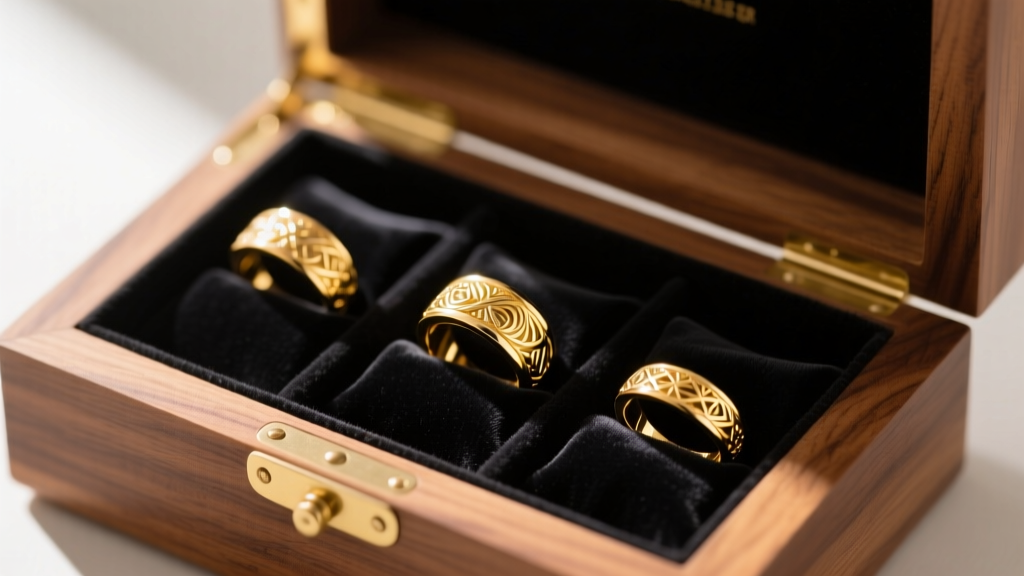
- Individual Isolation: Every single piece of imperial gold must be stored in its own soft, acid-free flannel or velvet pouch. Never allow two pieces of high-karat gold to touch each other, as the friction during movement can cause scratching.
- Climate Control: Store your jewelry in a climate-controlled environment. While pure gold does not tarnish, extreme humidity can cause the silk threads often used in imperial gold bead necklaces to rot and snap.
- Anti-Tarnish Strips: Although the gold itself won't tarnish, any gemstones set in the piece (like pearls, emeralds, or turquoise) or the lower-karat solder joints can degrade. Placing a 3M anti-tarnish strip in the storage drawer helps neutralize airborne sulfur compounds.
Troubleshooting Common Imperial Gold Issues
Even with meticulous care, high-purity gold can encounter specific environmental hazards. Below is a diagnostic framework for identifying and resolving common issues, aligned with guidelines from the Federal Trade Commission (FTC) Jewelry Guides regarding material integrity and consumer care.
| Visual Issue | Root Cause | At-Home Action | Professional Intervention |
|---|---|---|---|
| Chalky White Spots | Mercury Amalgamation | None. Do not scrape or polish. | Torch vaporization by a master jeweler. |
| Deep Scratches | Physical abrasion / impact | None. DIY polishing removes too much gold. | Laser welding and professional burnishing. |
| Warped / Oval Shape | Gripping / heavy pressure | None. Cold bending risks snapping. | Mandrel reshaping and annealing. |
| Dull, Greasy Film | Sebum and lotion buildup | Distilled water and pH-neutral soak. | Steam cleaning (if no porous gems are set). |
The Mercury Amalgamation Hazard
The most alarming issue unique to high-purity gold is mercury amalgamation. If your 24k imperial gold jewelry comes into contact with elemental mercury—often found in broken antique thermometers, certain fluorescent light bulbs, or trace amounts in some industrial environments—the gold will act like a sponge. It absorbs the mercury, forming a silvery-white, chalky spot on the surface. Do not attempt to scratch or polish this spot off. You will only smear the mercury deeper into the gold's crystalline structure. A professional jeweler must use a specialized butane torch to heat the gold; the mercury will safely vaporize at a lower temperature than the gold's melting point, restoring the original yellow color without any loss of metal.
When to Seek Professional Restoration
While the at-home distilled water soak is perfect for routine maintenance, imperial gold jewelry requires professional evaluation every three to five years. A master jeweler specializing in high-karat heritage pieces will inspect the structural integrity of the solder joints, check for micro-fractures in cast elements, and safely reshape any rings that have warped from daily wear. When seeking professional care, explicitly verify that the jeweler has experience with 22k and 24k gold; standard retail jewelers who primarily work with 14k white gold often lack the specific tooling and gentle touch required to polish and restore imperial gold without stripping away its historical character and intrinsic weight. For more insights on precious metal preservation, consult resources provided by the World Gold Council to ensure your investment remains pristine.


