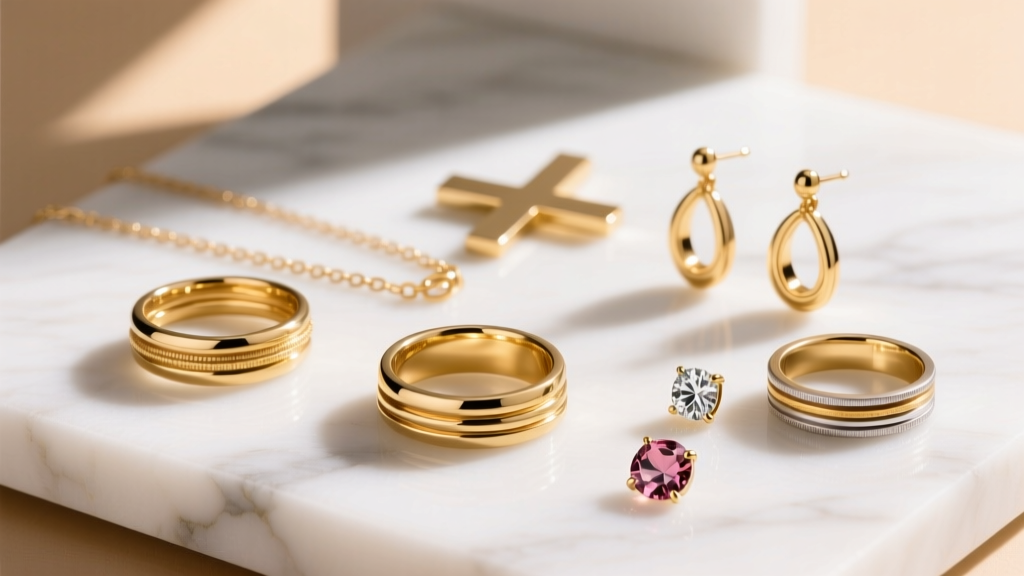
Why Gold Plated Jewelry Tarnish Occurs: Material Properties
Discover why gold plated jewelry tarnish occurs. Compare base metals, plating thickness, and learn material science tips to prevent corrosion.

When building a curated jewelry collection, understanding the longevity of your pieces is paramount. Pure gold is a noble metal, meaning it inherently resists oxidation, rust, and corrosion. However, when consumers research whether gold plated jewelry tarnish is inevitable, the answer lies not in the gold itself, but in the complex metallurgical system beneath it. At Jewel Style Radar, we analyze jewelry from a material science perspective to help you make informed, long-lasting investments. This guide breaks down the exact chemical and physical properties that dictate the lifespan of plated accessories.
The Metallurgy of Plating: Atomic Migration and Porosity
To understand material degradation, we must first look at how electroplating works. Gold plating involves using an electrical current to bond a microscopic layer of gold onto a conductive base metal. While this creates a beautiful golden facade, the gold layer is not a solid, impenetrable shield. At a microscopic level, electroplated gold is porous.
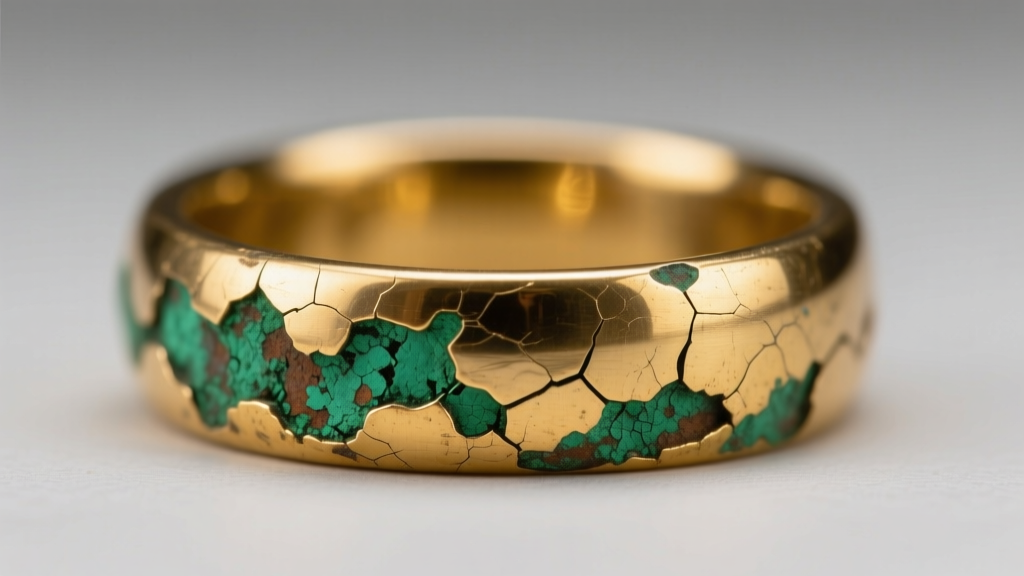
Over time, a phenomenon known as atomic diffusion occurs. The atoms of the base metal (such as copper or silver) slowly migrate upward through the microscopic pores in the gold layer. When these base metal atoms reach the surface and are exposed to oxygen, moisture, and sulfur in the environment, they oxidize. This is the fundamental reason why gold plated jewelry tarnish happens: you are not seeing the gold degrade, but rather the base metal bleeding through and reacting with the atmosphere.
According to the Gemological Institute of America (GIA), the integrity of plated jewelry relies heavily on the barrier properties of the gold layer and the chemical stability of the substrate beneath it. When the substrate is highly reactive, the visual degradation accelerates exponentially.
Base Metal Breakdown: Comparing Tarnish Rates
The choice of base metal is the single most critical variable in predicting the lifespan of a plated piece. Different alloys react to environmental catalysts at vastly different rates. Below is a material comparison chart detailing how common base metals behave under a gold plating layer.
| Base Metal | Composition | Primary Tarnish Mechanism | Expected Plating Lifespan |
|---|---|---|---|
| Brass | Copper & Zinc Alloy | Copper oxidation (green/black patina) bleeding through pores | 3 - 9 Months |
| Copper | Pure Copper | Rapid oxidation and galvanic corrosion when exposed to sweat | 1 - 6 Months |
| Sterling Silver | 92.5% Silver, 7.5% Copper | Silver sulfide formation (darkening) due to atmospheric sulfur | 1 - 3 Years |
| Stainless Steel | Iron, Chromium, Nickel | Highly resistant; tarnish only occurs if physical plating flakes off | 2 - 5+ Years |
As the data illustrates, brass and copper are highly reactive. When plated jewelry is made with these cheap substrates, the resulting gold plated jewelry tarnish is often characterized by a distinct greenish-black hue. Conversely, stainless steel features a chromium oxide passivation layer that makes it incredibly stable, though gold adheres to steel less readily than to silver or brass, requiring specialized nickel strike layers during manufacturing.
The Role of Plating Thickness: Microns vs. Flash Plating
The thickness of the gold layer acts as the primary physical barrier against atomic diffusion and environmental exposure. In the jewelry industry, thickness is measured in microns (µm). The World Gold Council and international ISO standards provide clear delineations for plating classifications, which directly correlate to tarnish resistance.
Flash Plating (0.1µm - 0.5µm)
Often found in fast-fashion accessories, flash plating is incredibly thin. At this thickness, the gold layer is highly porous and wears away through simple mechanical friction (like rubbing against clothing) within weeks. Once the base metal is exposed, rapid tarnishing and skin discoloration follow.
Standard Plating (0.5µm - 1.0µm)
This is the industry standard for mid-tier jewelry. It provides a reasonable barrier against tarnish for everyday wear, typically lasting 12 to 18 months before the base metal begins to migrate to the surface, assuming the piece is kept dry and away from harsh chemicals.
Heavy Plating and Vermeil (2.5µm+)
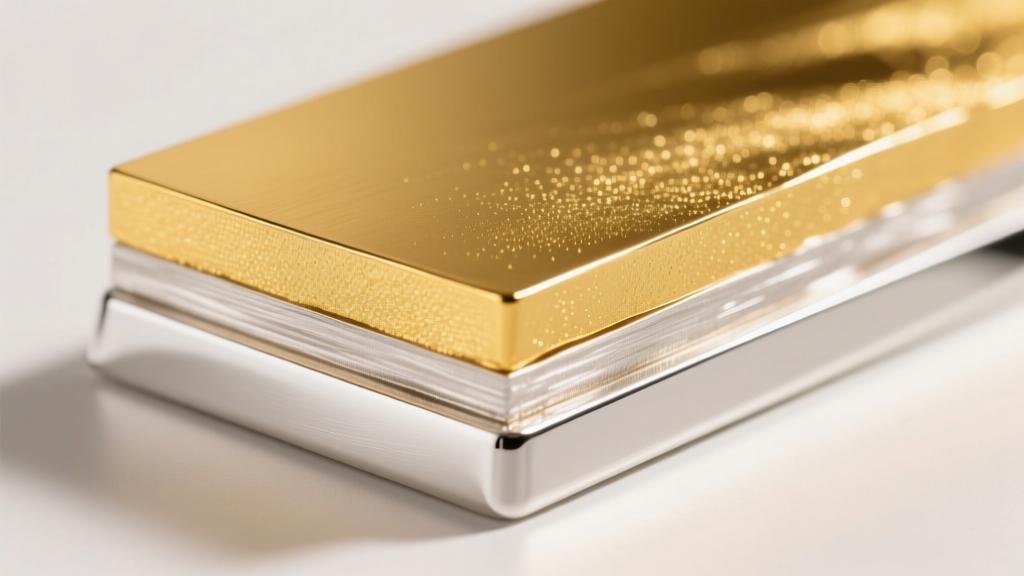
Heavy gold electroplating significantly reduces the porosity of the surface layer, drastically slowing down atomic diffusion. When a piece is classified as Gold Vermeil, it must meet strict criteria: a sterling silver base metal and a minimum gold thickness of 2.5 microns (usually 10k, 14k, or 18k). Because sterling silver does not contain iron, it will never rust, and its slower tarnish rate (via sulfur exposure) makes vermeil the gold standard for demi-fine jewelry longevity.
Environmental Catalysts: Sweat, pH, and Galvanic Corrosion
Material properties only tell half the story; the environment in which the jewelry is worn dictates the speed of chemical reactions. Human sweat is a complex electrolyte containing water, sodium chloride (salt), urea, and lactic acid. The pH of human sweat typically ranges from 4.5 to 7.0, making it slightly acidic.
Material Science Insight: When sweat bridges the microscopic gap between the gold layer and a reactive base metal like copper, it creates a tiny galvanic cell. The gold acts as the cathode and the base metal as the anode. This galvanic corrosion accelerates the breakdown of the base metal up to 10 times faster than standard atmospheric oxidation.
This is why rings and bracelets—pieces that sit tightly against the skin and trap moisture—experience gold plated jewelry tarnish much faster than earrings or pendants. Furthermore, exposure to chlorinated pool water or sulfur-rich environments (like hot springs) will aggressively strip the gold layer and instantly oxidize the exposed substrate.
Advanced Prevention and Restoration Frameworks
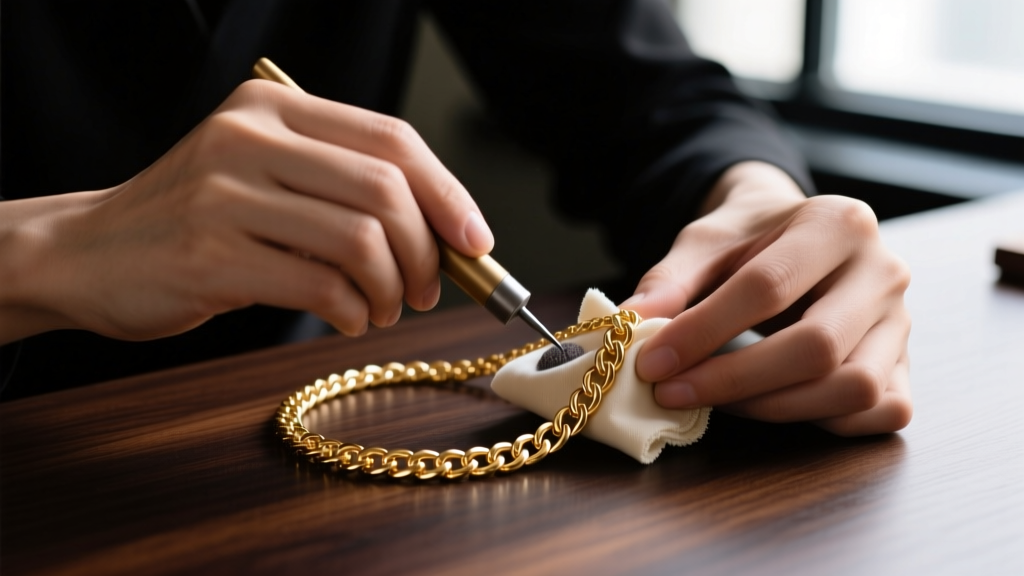
While you cannot stop atomic diffusion entirely, you can implement specific material care frameworks to extend the life of your plated pieces by years. Avoid generic advice like 'keep it dry' and adopt these professional-grade protocols:
- Utilize Anti-Tarnish Strips: Store plated jewelry in airtight ziplock bags with activated carbon or silver sulfide-absorbing anti-tarnish strips (such as 3M strips). These strips intercept atmospheric sulfur and chlorides before they can reach the jewelry's surface.
- Avoid Ultrasonic Cleaners: Never use ultrasonic jewelry cleaners on plated items. The high-frequency cavitation bubbles create microscopic shockwaves that can physically fracture and peel the delicate gold layer, instantly exposing the base metal.
- Apply a Polymer Barrier: For high-friction pieces like rings, apply a micro-thin layer of jewelry-specific clear coat or even clear nail polish to the interior band. This creates a physical, non-porous barrier that prevents sweat from initiating galvanic corrosion.
- Use Proper Polishing Cloths: When cleaning, use only untreated, ultra-fine microfiber cloths. Avoid 'silver polishing cloths' that are embedded with micro-abrasives and chemical tarnish removers, as these will strip the gold plating down to the base metal.
Conclusion: Making Informed Material Choices
Understanding the material science behind your accessories transforms how you shop and care for them. Gold plated jewelry tarnish is not a defect of the gold, but a predictable chemical reaction dictated by the base metal's reactivity, the plating's micron thickness, and environmental electrolytes. By prioritizing pieces with stainless steel or sterling silver substrates, demanding a minimum of 1.0-micron plating thickness, and storing items with atmospheric absorbers, you can effectively neutralize the tarnishing process. Armed with these metallurgical insights, you can confidently build a demi-fine collection that maintains its brilliant luster for years to come.