Gold Filled Jewelry Explained: The Beginner's Buying Guide
Discover what gold filled jewelry really means. Learn the difference between gold filled, plated, and vermeil, plus expert tips on buying and care.
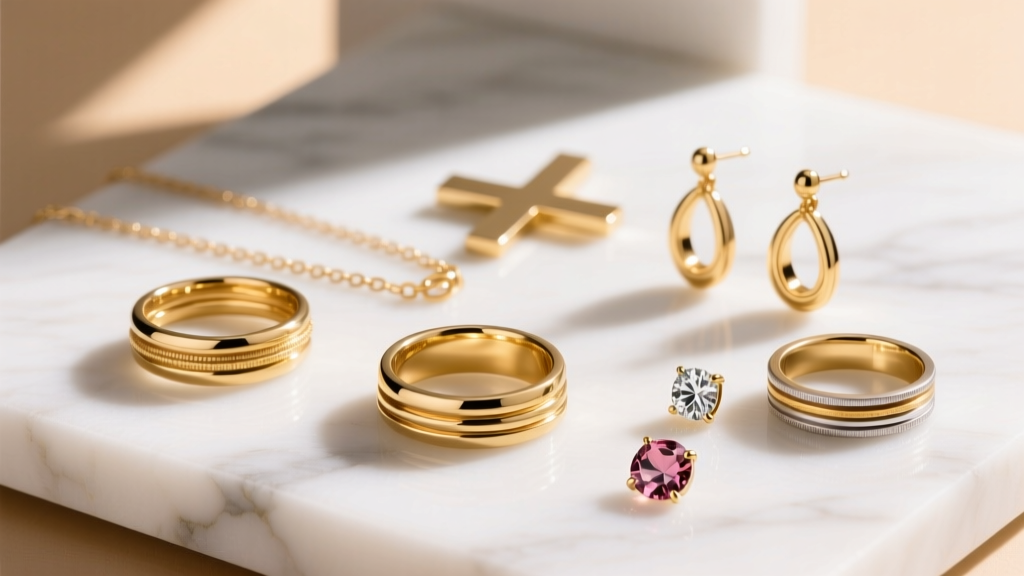
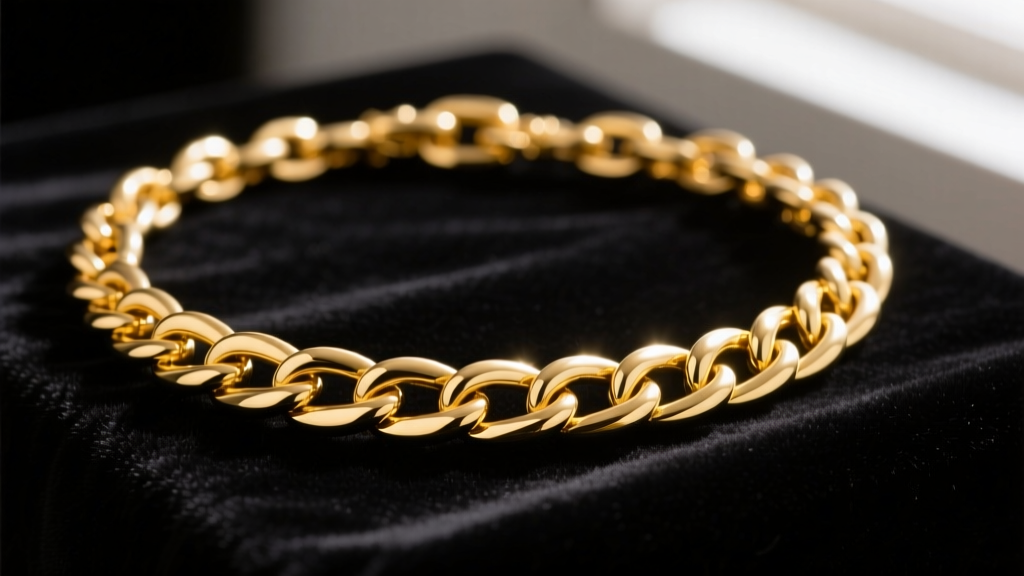
When shopping for accessible luxury, the term 'gold filled jewelry' is frequently thrown around as the ultimate middle ground between expensive solid gold and cheap, flaking gold plating. But what does it actually mean? As we navigate the 2026 jewelry market, misleading marketing terms are more prevalent than ever. Understanding the metallurgical reality of gold filled pieces is the only way to ensure you are getting exactly what you pay for.
This beginner-friendly guide breaks down the exact manufacturing standards, legal definitions, and real-world durability expectations of gold filled jewelry, giving you the actionable knowledge needed to build a lasting collection.
The Legal Definition: What Qualifies as Gold Filled?
Unlike terms such as 'gold tone' or 'gold overlay,' the phrase 'gold filled' is strictly regulated in the United States by the Federal Trade Commission's Jewelry Guides. For a piece to be legally stamped and sold as gold filled, it must meet a very specific weight ratio.
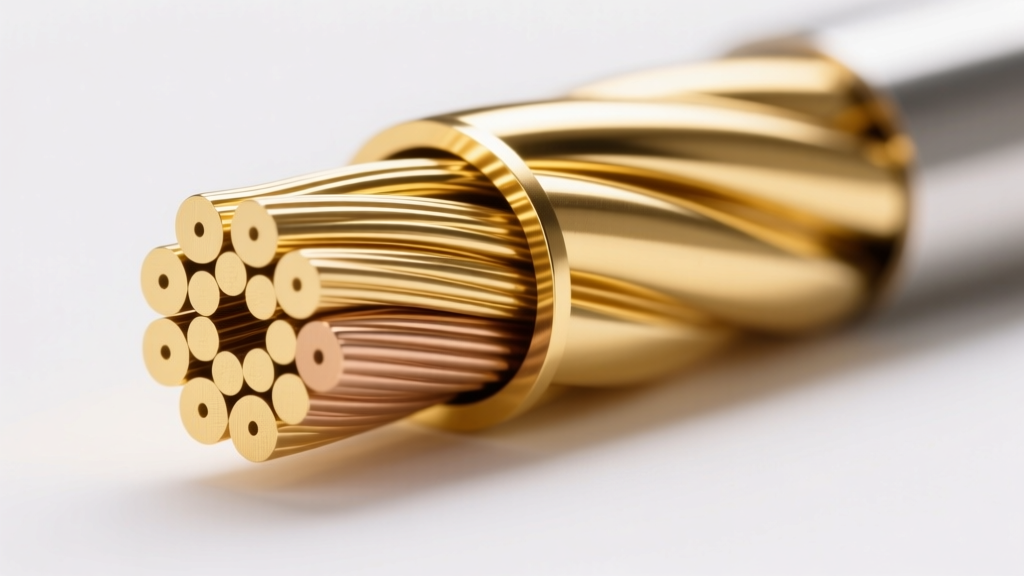
The gold layer must constitute at least 1/20th (or 5%) of the total weight of the metal product. This is not a microscopic spray; it is a substantial, measurable layer of karat gold. Furthermore, this gold layer is not glued or electroplated. It is mechanically bonded to a base metal core—usually jeweler's brass (CDA 220)—using extreme heat and pressure. This mechanical bonding creates a permanent, durable link that will not flake or peel under normal wear conditions.
Expert Insight: The 1/20th rule is a minimum standard. High-quality manufacturers often exceed this, but if a seller cannot verify the 1/20th weight ratio, the piece is likely just heavy gold electroplate masquerading as gold filled.
Gold Filled vs. Vermeil vs. Gold Plated: The Showdown
Beginners often confuse gold filled jewelry with vermeil or standard plating. While they may look identical on day one, their structural integrity and lifespan are vastly different. Below is a direct comparison of the three most common gold alternatives.
| Feature | Gold Filled (14/20 GF) | Gold Vermeil | Standard Gold Plated |
|---|---|---|---|
| Base Metal | Jeweler's Brass (usually) | Sterling Silver (925) | Brass, Copper, or Alloy |
| Gold Thickness | 2.5 to 5+ microns | Minimum 2.5 microns | 0.1 to 0.5 microns |
| Bonding Method | Mechanical (Heat/Pressure) | Electroplating | Electroplating |
| Expected Lifespan | 10 to 30+ years | 2 to 5 years | 6 months to 2 years |
| Price Range | $$ (Moderate) | $$$ (Higher) | $ (Low) |
While vermeil offers a sterling silver base (which is great for those with severe brass allergies), gold filled jewelry offers a significantly thicker, more wear-resistant gold layer due to the mechanical bonding process.
Decoding Stamps and Cladding Types
When inspecting a piece, you should look for specific quality stamps. The most common and legitimate stamp you will encounter is 14/20 GF or 1/20 14K GF. This tells you exactly what you are buying: 14-karat gold making up 1/20th of the total weight.
Single-Clad vs. Double-Clad
According to Rio Grande's metallurgical resources, gold filled sheet metal is manufactured in two distinct ways:
- Double-Clad: The gold layer is distributed on both the top and bottom of the brass core (e.g., 1/10th on top, 1/10th on bottom, equaling the 1/20th total). This is standard for flat pendants and earrings.
- Single-Clad: The entire 1/20th gold layer is applied to only one side of the brass sheet. This is often used for watch dials or specific structural components.
Warning: If a jeweler cuts or files a double-clad gold filled piece, they will expose the brass core at the seam. This exposed brass will oxidize and turn black over time unless sealed with a specialized jeweler's lacquer.
Real-World Durability and Failure Modes
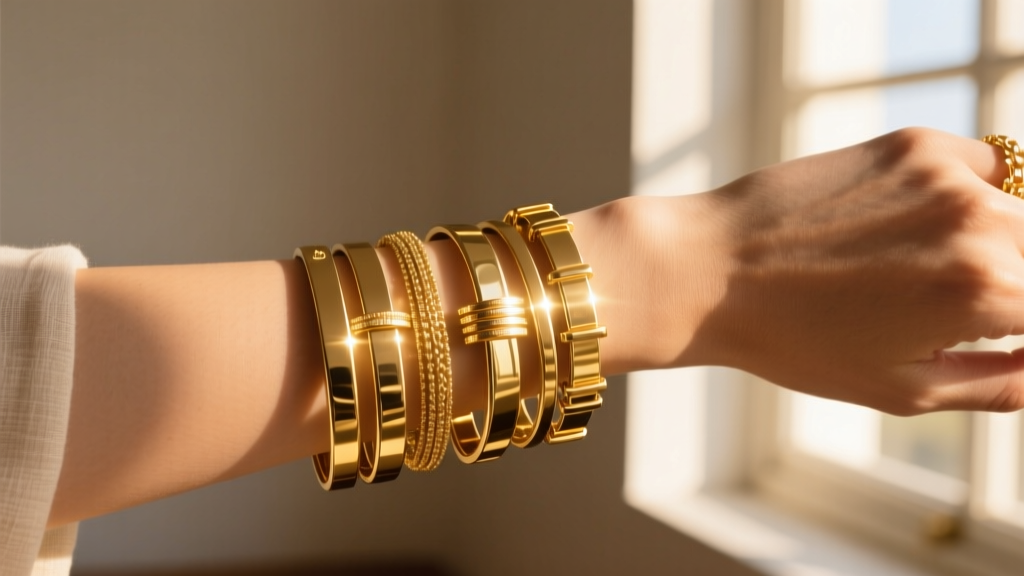
Gold filled jewelry is highly durable, but it is not invincible. Because the outer layer is genuine 14k or 12k gold, it will not tarnish or corrode on its own. However, the jewelry can fail if the gold layer is breached or subjected to harsh chemical environments.
Common Failure Modes to Avoid
- Chlorine Exposure: Swimming pools and hot tubs are the enemies of all karat gold. Chlorine can cause micro-fractures in the gold layer, eventually leading to delamination from the brass core.
- Abrasive Polishing: Using harsh polishing cloths or motorized buffing wheels will literally sand the gold layer off. Never use silver dip or abrasive pastes on gold filled items.
- Sulfur and High Humidity: While the gold won't tarnish, if the piece has exposed brass edges (from manufacturing or cutting), high-sulfur environments will cause those specific edges to turn black.
The Expert Care Routine for Maximum Lifespan
To keep your gold filled jewelry looking brand new for decades, adopt this simple, non-destructive cleaning routine. You do not need expensive jewelry cleaning solutions; in fact, most commercial solutions are too harsh for the brass core if it becomes exposed.
- Daily Maintenance: Wipe the piece down with a soft, lint-free microfiber cloth after wearing it to remove skin oils and environmental dust.
- Deep Cleaning: Mix a few drops of mild, phosphate-free dish soap (like Dawn) into a bowl of lukewarm water. Soak the jewelry for 3 to 5 minutes.
- Gentle Agitation: Use a brand-new, extra-soft baby toothbrush to gently clean around chain links and stone settings. Do not scrub hard.
- Drying: Rinse thoroughly under lukewarm water and pat completely dry with a clean towel. Never store gold filled jewelry while it is damp.
Pricing Expectations and Market Red Flags
Because gold filled jewelry contains a measurable, regulated amount of real karat gold, its price is intrinsically tied to the spot price of gold. If you see a massive, heavy chain marketed as '14k Gold Filled' for $15, it is a scam. The raw material cost alone makes that impossible.
Expect to pay anywhere from $40 to $150 for high-quality, lightweight gold filled everyday chains, and upwards of $200 to $400 for intricate, heavyweight gold filled bangles or layered necklaces from reputable artisans. Always buy from transparent sellers who explicitly state '14/20 Gold Filled' rather than using vague, unregulated terms like 'gold bonded' or 'heavy gold electroplate.' Armed with this knowledge, you can confidently invest in pieces that offer the brilliant luster of solid gold without the prohibitive price tag.