Letter Markings on Gold Jewelry: The Ultimate Gifting Guide
Learn to decode letter markings on gold jewelry to guarantee authenticity. A complete gifting guide for matching karats to milestones.

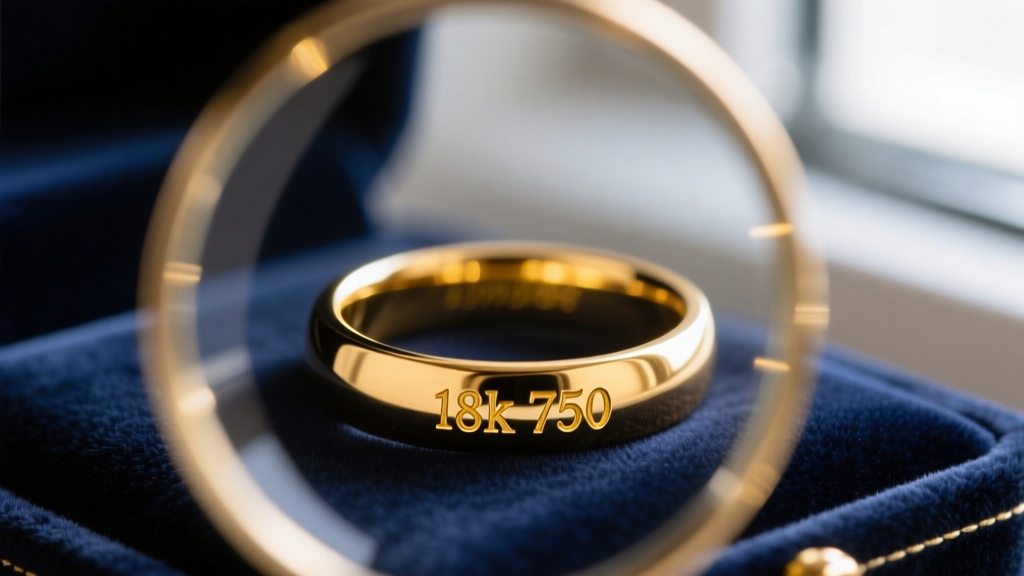
Gifting gold jewelry is a timeless gesture that communicates permanence, love, and celebration. Whether you are purchasing a wedding band, a milestone anniversary necklace, or a graduation bracelet, the emotional weight of the gift is often matched only by its financial investment. However, the modern jewelry market is saturated with deceptive practices, misleading terminology, and pieces that look like solid gold but lack the intrinsic value to become true heirlooms. Your first and most reliable line of defense as a buyer is understanding the letter markings on gold jewelry.
Decoding these microscopic stamps—often referred to as hallmarks, purity marks, or maker's marks—is not just a skill for pawnbrokers and appraisers. It is an essential competency for anyone looking to gift fine jewelry. In this comprehensive guide, we will break down exactly what these letter markings mean, how to spot deceptive stamps, and how to match the right gold purity to specific life occasions.
The Legal Anatomy of Gold Stamps: What Those Letters Actually Mean
Before you can match a piece of gold to an occasion, you must verify what you are actually buying. In the United States, the Federal Trade Commission (FTC) Jewelry Guides strictly regulate how gold can be marked and sold. Understanding the distinction between a purity mark and a maker's mark is the foundation of authenticating your gift.
Purity Marks vs. Maker's Marks
A purity mark indicates the exact ratio of pure gold to alloy metals in the piece. Because 24-karat gold is too soft for most jewelry applications, it is alloyed with metals like copper, silver, nickel, or zinc to increase durability and alter color. You will typically see this expressed in karats (e.g., 14K, 18K) or in decimal parts per thousand (e.g., 585, 750), which is the standard in many European countries.
A maker's mark (or trademark) identifies the manufacturer, designer, or brand responsible for the piece. Under US law, if a piece is stamped with a purity mark, it must also be accompanied by a registered maker's mark. If you see a '14K' stamp but no accompanying brand or maker's trademark, the piece may be in violation of the National Gold and Silver Stamping Act, which should immediately raise a red flag regarding its authenticity and the seller's legitimacy.
Decoding the Stamps: A Quick Reference Table for Gift Buyers
When inspecting a potential gift, you will encounter a variety of alphanumeric codes. Use this table to quickly determine if the piece is solid gold or merely gold-coated, which drastically affects its suitability as a milestone gift.
| Letter Marking | Meaning & Composition | Gifting Verdict |
|---|---|---|
| 14K / 585 | 58.5% Pure Gold. Excellent balance of durability and rich color. | Ideal for everyday wear, wedding bands, and active recipients. |
| 18K / 750 | 75% Pure Gold. Richer yellow hue, slightly softer than 14K. | Perfect for milestone anniversaries, luxury pendants, and earrings. |
| 22K / 916 | 91.6% Pure Gold. Very soft, distinct deep yellow-orange tone. | Best for cultural gifting, investment pieces, and occasional wear. |
| GF | Gold Filled. A thick layer of gold mechanically bonded to a base metal core. | Acceptable for fashion-forward graduation gifts; not an heirloom. |
| GP / GEP | Gold Plated / Gold Electroplated. A microscopic layer of gold over brass or copper. | Avoid for major milestones. The plating will eventually wear off. |
| HGE | Heavy Gold Electroplate. Thicker than standard plating, but still not solid gold. | Poor long-term gift. High risk of tarnishing and skin irritation. |
| Vermeil | Gold plating over a sterling silver base (usually stamped 925 underneath). | Great for trendy, designer-style gifts where solid gold is out of budget. |
Matching Gold Purity to the Occasion (and the Recipient)
Once you can read the letter markings on gold jewelry, the next step in the gifting process is matching the metallurgical properties of the gold to the lifestyle of the recipient and the significance of the occasion. According to the Gemological Institute of America (GIA), the alloy composition dictates not just the color, but the structural integrity of the piece.
14K (585): The Standard for Weddings and Active Lifestyles
If you are gifting a wedding band or an engagement ring setting to someone who works with their hands, exercises frequently, or generally lives an active lifestyle, 14K gold is the undisputed champion. The letter markings '14K' or '585' guarantee that the piece contains 58.5% pure gold, with the remaining 41.5% consisting of hardening alloys. This composition resists scratching, bending, and warping far better than higher-karat alternatives. It is the ultimate 'wear it and forget it' metal, making it a deeply practical and thoughtful gift for a new spouse.
18K (750): Milestone Anniversaries and High-End Luxury
For a 10th or 20th anniversary, or when gifting a piece meant to be worn on special occasions rather than every single day, look for the '18K' or '750' stamp. With 75% pure gold content, 18K gold offers a significantly richer, warmer yellow hue that 14K simply cannot replicate. It is also the preferred metal for high-end diamond and gemstone settings because its slight malleability allows prongs to be tightened more securely around precious stones. Gifting 18K gold signals a premium level of luxury and investment.
22K (916) and 24K (999): Cultural Traditions and Wealth Transfer
In many South Asian, Middle Eastern, and East Asian cultures, gifting high-karat gold during weddings, festivals, or the birth of a child is a deeply ingrained tradition that serves as both a blessing and a transfer of generational wealth. If you are shopping for these specific cultural occasions, you must look for '22K', '916', '24K', or '999' letter markings. Be warned: these pieces are extremely soft. A 24K gold bangle will dent if squeezed too hard, so they are intended for ceremonial wear and safe-keeping, not daily use.
Red Flags: Deceptive Letter Markings to Avoid
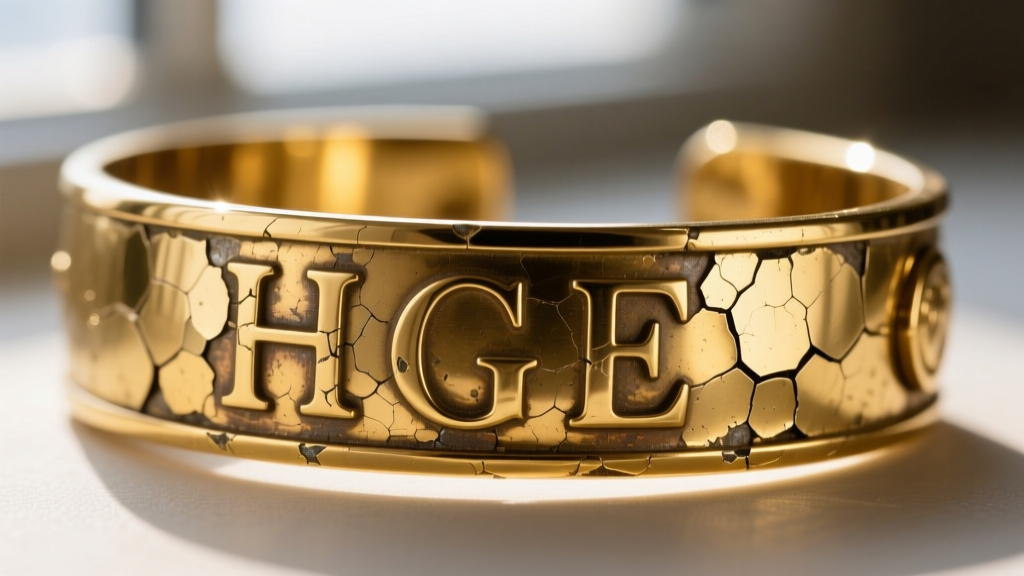
The most common mistake gift buyers make is assuming that any piece of jewelry that looks yellow and shiny is solid gold. Unscrupulous sellers often use confusing letter markings to make gold-plated items appear more valuable than they are. When inspecting a potential gift, actively avoid pieces stamped with the following unless you are intentionally buying fashion jewelry on a strict budget:
- HGE (Heavy Gold Electroplate): Despite the word 'heavy,' this is still just a surface-level plating. Once the thin layer of gold wears away—which can happen in a matter of months with daily wear—the underlying base metal will tarnish and potentially cause severe allergic reactions (contact dermatitis) due to nickel or copper exposure.
- RGP (Rolled Gold Plate): Similar to gold filled but with a significantly thinner layer of gold. It is highly susceptible to flaking and peeling.
- 1/20 14K GF: While Gold Filled (GF) is the highest quality of gold-coated jewelry, it is still not solid gold. The '1/20' means that only 5% of the total weight of the item is 14K gold. It makes a decent budget-friendly graduation gift, but it should never be presented or priced as an heirloom.
- No Stamp At All: If a seller claims a piece is solid gold but it bears absolutely no purity or maker's marks, walk away. While antique pieces from the 19th century may have worn stamps, modern gold jewelry sold in the US and Europe is legally required to be stamped.
"It is illegal to sell a karat gold item in the U.S. without the accompanying trademark of the manufacturer or responsible party. The presence of a purity mark without a maker's mark is a primary indicator of non-compliance and potential fraud." — FTC Jewelry Guides Summary
The 3-Step Verification Framework for Gift Buyers
To ensure your gift is authentic and appropriately matched to the occasion, follow this quick verification framework before completing your purchase:
- The Loupe Test: Always ask the jeweler for a 10x magnification loupe. Inspect the inside of the ring band or the clasp of the necklace. The letter markings on gold jewelry should be crisp, clean, and deeply struck into the metal. Blurry, shallow, or misaligned stamps are hallmarks of counterfeit casting.
- The Color Consistency Check: Examine the high-wear areas of the piece (like the edges of a ring or the back of a pendant clasp). If you notice a silvery or brassy tone bleeding through the yellow surface, the piece is plated, regardless of what the stamp says.
- The Documentation Match: Ensure the sales receipt explicitly states the exact karat weight and purity that matches the letter markings on the piece. A receipt that vaguely says 'Gold Ring' rather than '14K Solid Gold Ring' offers you zero legal protection if the item is later appraised as gold-plated.
Final Thoughts on Gifting with Confidence
Understanding the letter markings on gold jewelry transforms you from a vulnerable consumer into an informed connoisseur. By taking the extra sixty seconds to inspect the stamps, verify the maker's mark, and align the karat purity with the recipient's lifestyle, you ensure that your gift will stand the test of time. Whether you are choosing a rugged 14K wedding band or a luxurious 18K anniversary pendant, the stamp is your silent guarantee that the emotion behind the gift is backed by undeniable, enduring quality.


