Gold Gift Guide: Baking Soda for Cleaning Gold Jewelry Risks
Discover the risks of using baking soda for cleaning gold jewelry before gifting. Learn safe restoration methods for every milestone occasion.

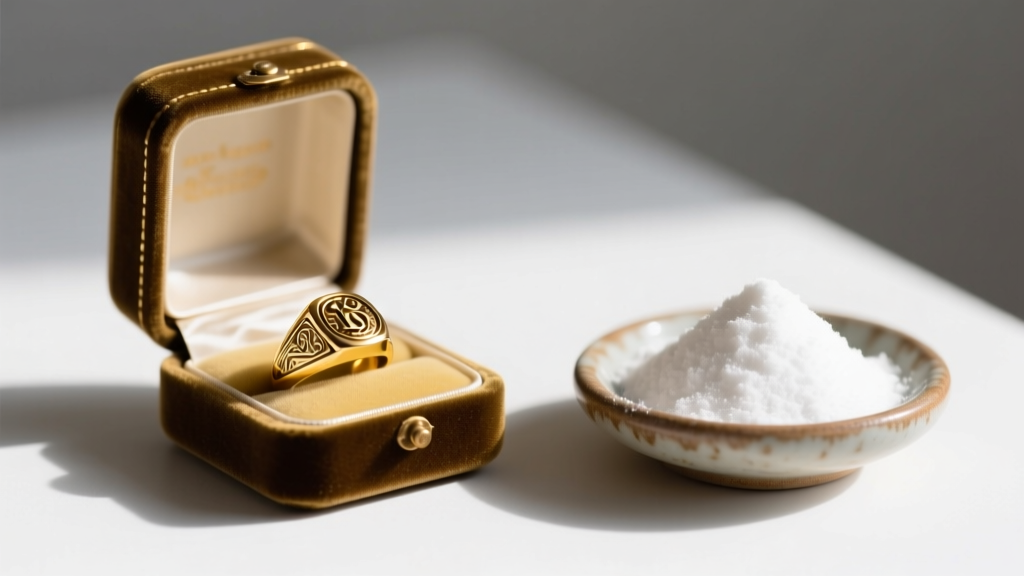
Gifting gold jewelry is a timeless gesture, carrying immense emotional weight whether it marks a 50th wedding anniversary, a university graduation, or the birth of a first child. When presenting a vintage heirloom or a newly purchased piece, the presentation is everything. Naturally, you want the metal to gleam with a flawless, mirror-like finish. In the pursuit of that perfect shine, many well-meaning gifters turn to internet life hacks, specifically the viral trend of using baking soda for cleaning gold jewelry. While it seems like an accessible, eco-friendly, and cost-effective solution, this DIY method poses severe risks to the integrity, polish, and long-term value of your sentimental gift.
The Gifting Dilemma: Presenting Pristine Gold
When you hand someone a velvet box, the immediate visual impact dictates their first emotional response. Tarnish, smudges, and dullness can make even a high-end piece look neglected. Pure 24k gold does not tarnish because it is a noble metal, meaning it does not react easily with oxygen or moisture. However, the gold used in almost all jewelry is an alloy. To achieve the durability required for daily wear, gold is mixed with metals like copper, silver, nickel, and zinc. It is these secondary alloys that oxidize and tarnish over time, creating that dull, darkened film that gifters desperately want to remove before the big reveal.
The Allure and Danger of Baking Soda for Cleaning Gold Jewelry
The internet is saturated with tutorials advocating for a paste made of baking soda (sodium bicarbonate) and water, or the popular "foil and boiling water" electrochemical bath. The appeal is obvious: baking soda is a staple in almost every kitchen, and it is a mild alkali that can effectively lift grime and neutralize acidic tarnish on silver and copper alloys. However, applying this logic to gold is a critical error in materials science. Baking soda is an abrasive particulate. When you rub a baking soda paste onto a gold surface with a cloth or toothbrush, you are essentially performing an uncontrolled, micro-sanding process. For a piece meant to be a cherished lifelong gift, this can cause irreversible cosmetic damage.
The Science of Scratches: Mohs and Vickers Hardness
To understand why this kitchen staple damages precious metals, we must look at hardness scales. The Mohs scale measures scratch resistance, while the Vickers scale measures indentation hardness. Baking soda has a Mohs hardness of approximately 2.5. While this seems low, high-karat gold is exceptionally soft.
| Gold Karat | Composition | Vickers Hardness (HV) | Baking Soda Abrasion Risk |
|---|---|---|---|
| 24k (Pure) | 99.9% Gold | ~25 HV | Extreme: Will cause deep, visible scratching and warping. |
| 22k | 91.6% Gold, 8.4% Alloy | ~90 HV | High: Will easily dull mirror polishes and create micro-scratches. |
| 18k | 75% Gold, 25% Alloy | ~125 HV | Moderate: Will degrade the luster over repeated cleanings. |
| 14k | 58.3% Gold, 41.7% Alloy | ~160 HV | Low-Moderate: Safe from deep scratches, but will strip finishes. |
| White Gold | Gold alloyed with Ni/Pd | Varies (Plated) | Severe: Will strip the protective rhodium plating immediately. |
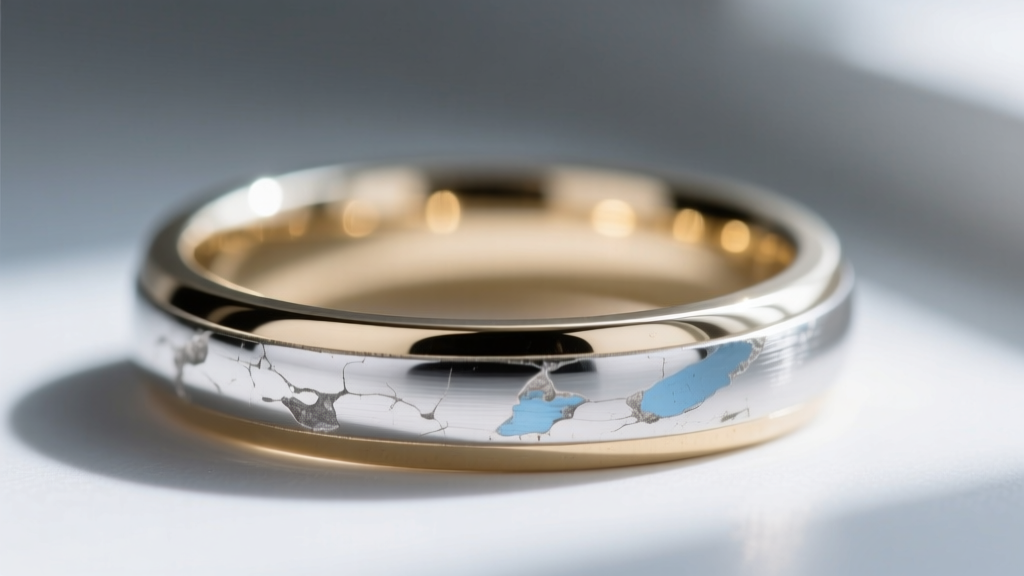
As noted by the Gemological Institute of America (GIA), the alloy mix not only dictates the color of the gold but also its durability. When you use an abrasive like baking soda on 18k or 22k gold, the particulate matter acts like liquid sandpaper, permanently clouding the factory polish. Furthermore, if you are gifting white gold, the piece is electroplated with rhodium (a platinum-group metal with a Mohs hardness of 6). Baking soda paste will aggressively strip this rhodium layer, exposing the yellowish-white underlying alloy and ruining the aesthetic of your gift.
Occasion-Specific Gifting and Safe Restoration
Instead of relying on harsh DIY abrasives, tailor your cleaning and restoration method to the specific type of gold and the occasion for which it is being gifted.
Milestone Anniversaries (18k, 22k, and Vintage Gold)
For major milestones like a 25th or 50th anniversary, you are likely gifting higher-karat gold or a vintage family heirloom. These pieces often feature intricate milgrain detailing or delicate prong settings that have weakened over decades. Never use baking soda or toothpaste on these pieces. Instead, use a specialized, non-abrasive liquid jewelry dip formulated specifically for gold, or soak the piece in warm water with a few drops of phosphate-free dish soap (like Dawn). Use a baby toothbrush with ultra-soft bristles to gently dislodge dirt from beneath the gallery. For ultimate presentation, take the piece to a professional jeweler for a light steam clean and a professional polishing wheel treatment a week before the gifting occasion.
Graduations and Modern Milestones (10k and 14k Gold)
Modern gifts for graduations or birthdays often feature 10k or 14k gold, which is much more resilient due to higher copper and zinc content. While the risk of deep scratching from baking soda is lower, the risk of dulling the finish remains. According to the American Gem Society, the safest at-home method for restoring the shine to everyday gold alloys is a simple soak in lukewarm water and mild liquid soap for 15 minutes, followed by a gentle brushing and a pat-dry with a lint-free microfiber cloth. Avoid paper towels, as wood pulp fibers can cause microscopic marring on high-polish 14k surfaces.
Curating the Perfect Gold Care Companion Gift
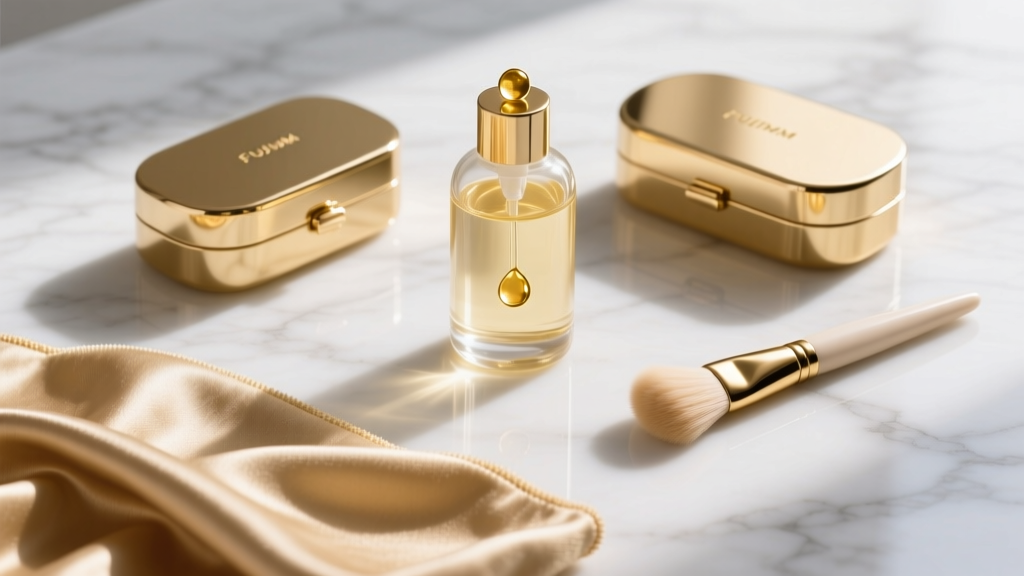
If you want to elevate your gifting experience and ensure the recipient maintains the piece's brilliance for decades, skip the kitchen hacks and curate a professional "Gold Care Companion Kit" to present alongside the jewelry box. This adds a layer of luxury and shows profound consideration for the item's longevity. Include the following specific items:
- Selvyt Polishing Cloth: A premium, untreated microfiber cloth used by watchmakers and jewelers to buff away fingerprints without scratching soft gold alloys.
- Connoisseurs Precious Jewelry Cleaner: A trusted, non-toxic liquid solution that safely lifts oils and tarnish without the use of harsh ammonia or abrasives.
- Ultrasonic Mini-Cleaner (Optional): For solid gold pieces without fracture-filled gemstones or pearls, a small sonic wave cleaner uses high-frequency cavitation to blast away microscopic debris from intricate chain links and pave settings.
- Anti-Tarnish Storage Strips: 3M anti-tarnish tabs that absorb sulfur and moisture in the air, which are the primary culprits behind the oxidation of gold alloys.
Expert Verdict: Protecting Your Sentimental Investment
The intention behind using baking soda for cleaning gold jewelry is rooted in a desire to make a gift look its absolute best. However, the abrasive nature of sodium bicarbonate fundamentally clashes with the metallurgical realities of gold alloys and rhodium plating. By understanding the Vickers hardness of your specific karat and opting for professional-grade, non-abrasive cleaning solutions, you protect the physical integrity of the metal. When you gift gold, you are giving a legacy item meant to outlive the occasion itself. Protect that legacy by abandoning viral cleaning hacks in favor of proven, science-backed jewelry conservation methods.


