Troubleshooting Light Gold Jewelry: Dents, Tarnish, and Breakage
Discover expert troubleshooting for light gold jewelry. Learn how to fix dents in hollow chains, stop 10k tarnish, and prevent breakage in thin pieces.

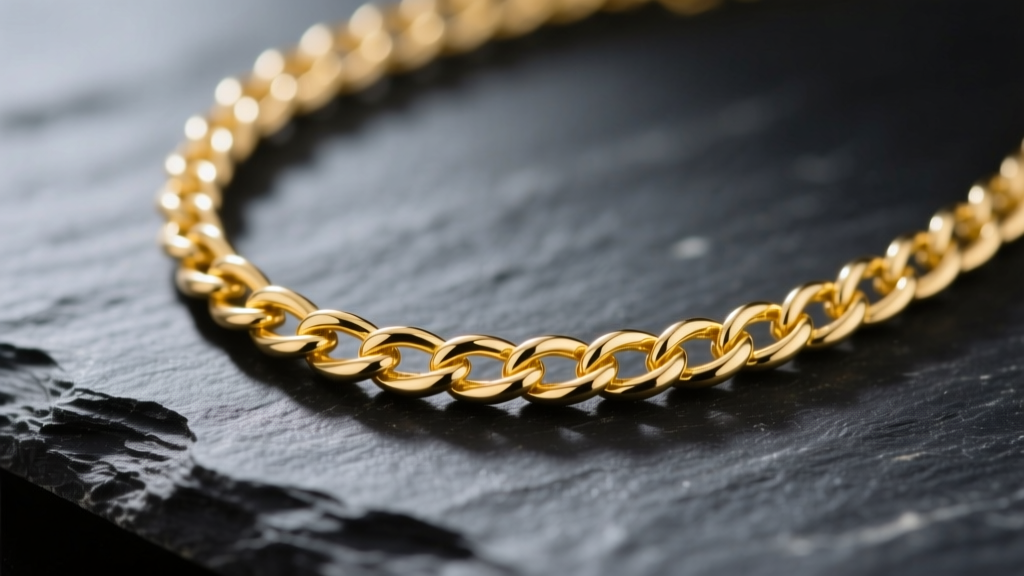
The Reality of Light Gold Jewelry: Hollow vs. Low-Karat
When navigating the market for affordable luxury, consumers frequently encounter the term 'light gold jewelry.' However, this phrase encompasses two entirely different structural and metallurgical realities, each presenting unique troubleshooting challenges. Understanding whether your piece is structurally lightweight or metallurgically light is the first step in proper maintenance and repair.
The first category is hollow or electroformed gold. This manufacturing process involves electrodepositing a thin layer of gold (often just 0.2mm to 0.5mm thick) over a wax or resin core, which is subsequently melted or burned away. The result is a voluminous piece, like a thick Cuban link chain or a wide bangle, that weighs a fraction of its solid counterpart. While visually impressive, hollow light gold jewelry is notoriously susceptible to crushing, denting, and irreversible structural collapse.
The second category refers to low-karat alloys, specifically 10k and 14k gold, which possess a lighter, paler yellow color compared to rich 18k or 24k gold. According to the Gemological Institute of America (GIA), 14k gold contains 58.3% pure gold, while 10k contains only 41.7%. The remaining percentage consists of alloy metals like copper, silver, nickel, and zinc. These base metals not only lighten the visual color of the gold but also introduce significant vulnerabilities, primarily oxidation and tarnishing.
Troubleshooting Dents in Hollow Light Gold Chains and Bangles
A hollow gold bangle or chain link can dent from something as simple as being bumped against a steering wheel or dropped on a tile floor. Because there is no internal metal core to push back against, the thin gold shell collapses inward.
The 'Freezer Trick' Myth vs. Professional Reshaping
A pervasive internet myth suggests that filling a dented hollow gold ring or bangle with water and placing it in the freezer will force the dent out as the water expands into ice. Do not attempt this. While the physics of water expansion are real, the uncontrolled outward pressure of freezing water frequently causes micro-fractures in the gold shell, leading to tearing and total structural failure.
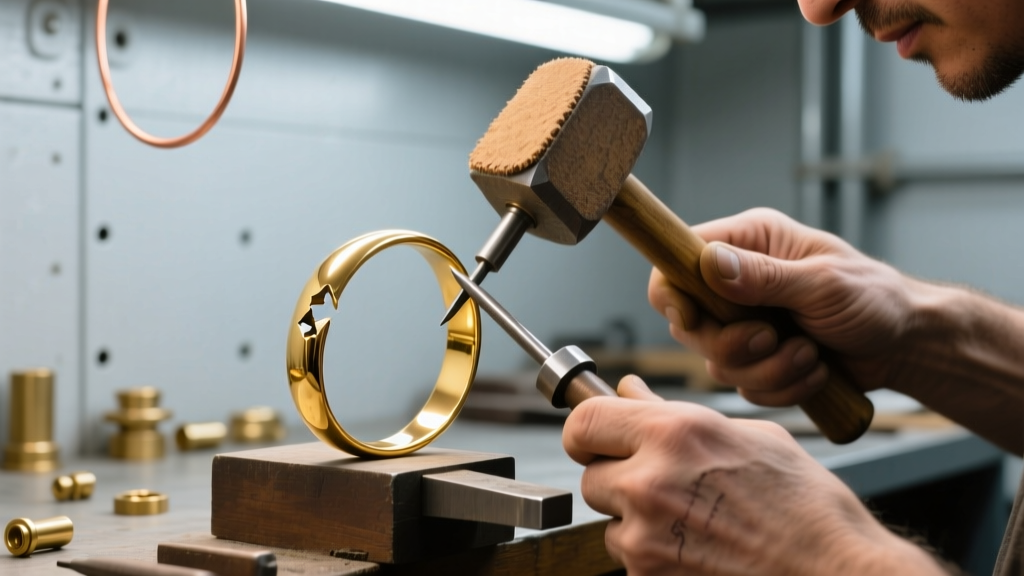
Instead, professional jewelers rely on specialized mandrels and rawhide mallets. For minor surface dimples on light gold jewelry, a jeweler will slide the piece over a tapered steel mandrel and gently tap the exterior with a rawhide or nylon mallet. The rawhide transfers kinetic energy without marring the soft gold surface.
Structural Resin Injection
For severe dents or pieces that are prone to repeated crushing, the 2026 industry standard is structural resin injection. A jeweler will carefully drill a microscopic access hole, inject a specialized two-part jeweler's epoxy or structural resin into the hollow cavity, and allow it to cure. This creates a solid internal core that prevents future denting. While this slightly increases the weight of the piece, it transforms fragile hollow gold into a durable, everyday wearable item. Expect to pay between $75 and $150 for professional resin filling and reshaping.
Solving Tarnish and Discoloration in 10k and 14k Alloys
Pure gold is a noble metal and does not react with oxygen or moisture. However, the copper and silver alloys used to create 10k and 14k light gold jewelry are highly reactive. When exposed to sulfur compounds in the air, cosmetics, or human sweat, these alloys form copper sulfide and silver sulfide on the surface, manifesting as a dark, dull tarnish.
Identifying the Type of Discoloration
- Surface Tarnish (Brown/Black Film): Caused by sulfur and oxygen exposure. Easily removed with chemical dips or gentle polishing.
- Copper Bloom (Reddish/Pink Spots): Occurs when the copper alloy migrates to the surface, often triggered by exposure to harsh chlorine (like swimming pools) which strips the outer zinc and silver layers.
- Mercury Amalgamation (Silvery/White Streaks): If your light gold jewelry suddenly looks silver or grey, it has likely come into contact with mercury (found in some older thermometers, fluorescent bulbs, or certain industrial environments). This is not tarnish; it is an amalgam. A jeweler must torch the piece to vaporize the mercury and restore the gold color.
Safe Cleaning Matrix for Low-Karat Gold
Not all cleaning methods are safe for light gold jewelry. Abrasive pastes can strip the thin outer layer of alloyed gold, exposing different metal ratios beneath. Refer to the troubleshooting matrix below:
| Cleaning Agent | Best Used For | Risk Level for 10k/14k |
|---|---|---|
| Warm Water & Mild Dish Soap | Routine degreasing and dirt removal | Zero Risk (Safe) |
| Ultrasonic Cleaners | Deep cleaning heavy buildup in chain links | Low Risk (Avoid if piece has fractures) |
| Commercial Silver Dips | Removing heavy black sulfide tarnish | High Risk (Can cause copper bloom) |
| Baking Soda & Aluminum Foil | Electrochemical tarnish reversal | Medium Risk (Can dull high-polish finishes) |
For routine maintenance, the Jewelers of America recommends a simple soak in warm water with a few drops of ammonia-free dish soap, followed by a gentle brushing with an extra-soft baby toothbrush. Avoid stiff bristles, which will leave microscopic scratches in softer 14k alloys.
Fixing Breakage in Thin, Lightweight Gold Links
Lightweight gold chains, such as 1.0mm to 1.5mm box, cable, or serpentine chains, are incredibly popular for holding delicate pendants. However, their thin gauge makes them highly susceptible to snapping under tension or catching on clothing. When a thin link breaks, the repair methodology is critical to the chain's ongoing survival.
Torch Soldering vs. Laser Welding
Historically, jewelers used a micro-torch and gold solder to fuse broken links. The problem with torch soldering on light gold jewelry is the heat-affected zone. The intense heat anneals (softens) the surrounding links, making them prone to stretching and future breakage. Furthermore, the solder joint often leaves a visible, dark scar that disrupts the chain's aesthetic.
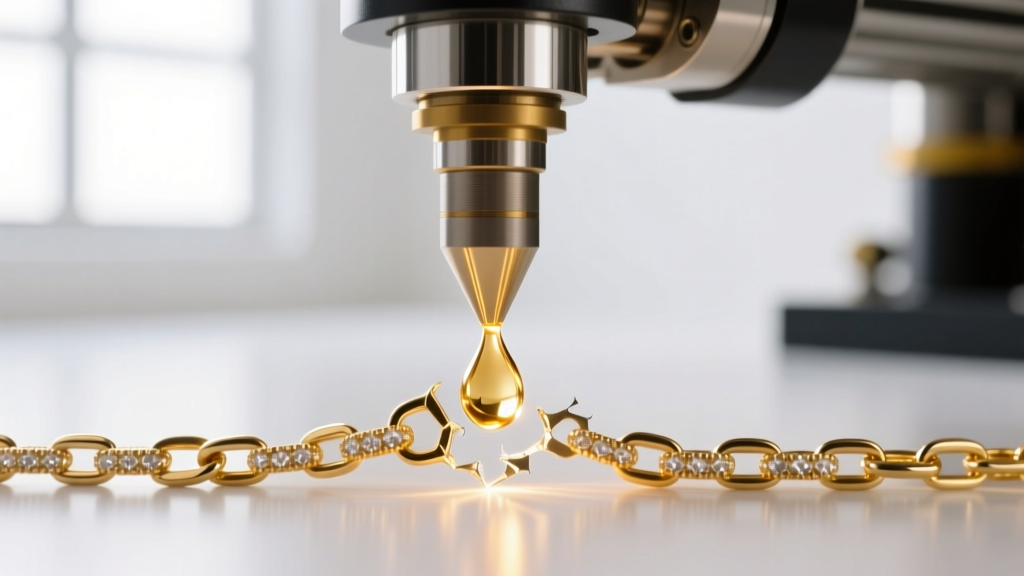
As of 2026, laser welding is the absolute gold standard for repairing lightweight chains. A Nd:YAG laser welding machine uses a highly focused beam of light to melt the exact point of the break in a fraction of a millisecond. Because the heat is so localized, the surrounding links remain completely unaffected and retain their original tensile strength. Laser welding also allows the jeweler to fuse the gold without adding foreign solder metals, resulting in an invisible repair. Laser chain repairs typically cost between $35 and $65 per break, a worthwhile investment to save a beloved piece.
Expert Insight: If your lightweight gold chain keeps breaking at the clasp, the issue is likely not the chain itself, but a mismatched jump ring. Ensure the jump ring connecting the clasp is soldered shut and matches the gauge of the chain to prevent friction wear and tearing.
Preventative Care Framework for Lightweight Pieces
Troubleshooting is only half the battle; preventing damage to light gold jewelry requires a proactive care framework. Because these pieces lack the sheer mass and durability of solid 18k or 24k items, they demand specific handling protocols.
The 'Last On, First Off' Rule
Always put your light gold jewelry on after applying cosmetics, perfumes, and hairsprays. The aerosol propellants and chemical solvents in these products can rapidly degrade the alloys in 10k and 14k gold, accelerating tarnish and weakening microscopic solder points.
Proper Storage to Prevent Crushing
Never store hollow or lightweight gold pieces in a communal jewelry box where heavier items can rest on top of them. Store hollow bangles and wide chains in individual, rigid-lined boxes or suspend them from padded hooks. For thin chains, always fasten the clasp before storing to prevent the links from tangling and kinking, which creates weak stress points that eventually lead to snapping.
By understanding the specific metallurgical and structural realities of your pieces, you can effectively troubleshoot issues and ensure your light gold jewelry remains beautiful and intact for decades. For complex structural failures or severe discoloration, always consult a certified bench jeweler rather than attempting DIY chemical or physical fixes. The Federal Trade Commission (FTC) provides strict guidelines on gold marking and quality, ensuring that when you take your piece to a reputable professional, it will be treated according to its exact karat and structural specifications.


