Expert Care Tips for Pieces From Top Gold Jewelry Brands
Learn expert cleaning and maintenance tips for pieces from top gold jewelry brands. Protect your investment with our brand-specific care guide.

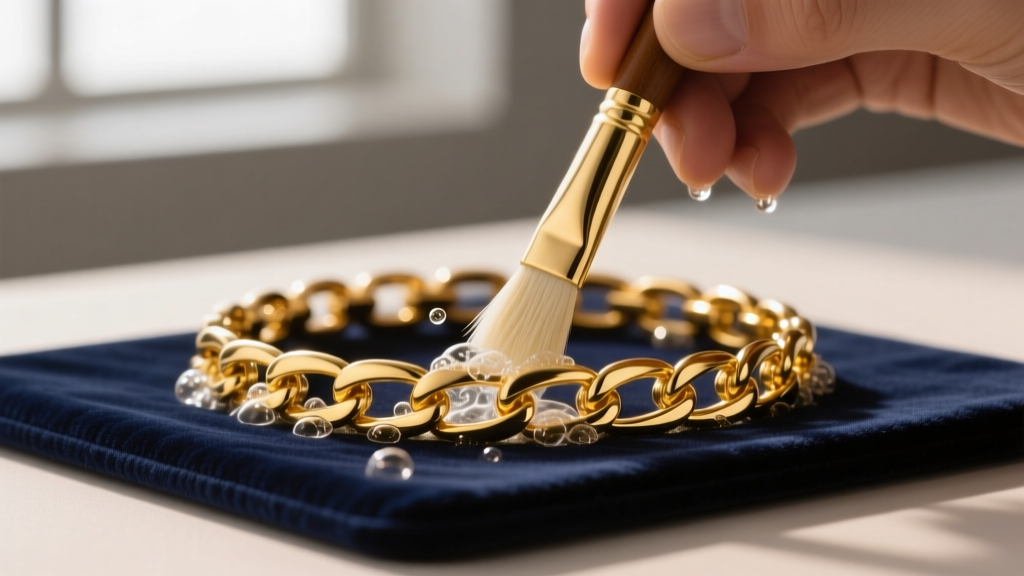
When you invest in pieces from prestigious gold jewelry brands, you are not just buying a precious metal; you are acquiring a meticulously engineered object. Heritage houses like Cartier and Van Cleef & Arpels, alongside contemporary favorites like Mejuri and Catbird, utilize distinct alloy compositions, proprietary finishing techniques, and specialized setting methods. Consequently, a one-size-fits-all approach to jewelry maintenance can lead to irreversible damage, voided warranties, and diminished resale value.
Understanding the metallurgical and aesthetic nuances behind your favorite gold jewelry brands is the first step toward preserving their brilliance. This comprehensive guide dives deep into the specific care, cleaning, and maintenance protocols required to protect your branded gold investments for generations.
Why Brand-Specific Care Matters for Gold Alloys
The purity of gold used by different brands drastically dictates how the metal behaves under daily wear. According to the Gemological Institute of America (GIA), pure 24k gold is too soft for functional jewelry, meaning brands must alloy it with metals like copper, zinc, and silver to achieve structural integrity.
- Luxury Heritage Brands (18k Gold): Houses like Tiffany & Co. and Boucheron predominantly use 18k gold (75% pure gold). This alloy offers a rich, deep yellow hue and a luxurious weight but sits lower on the Vickers hardness scale (approx. 125-140 HV). It is highly susceptible to micro-scratches and metal displacement.
- Contemporary & Everyday Brands (14k Gold): Brands targeting daily wear often utilize 14k gold (58.3% pure gold). The higher alloy content increases the Vickers hardness (approx. 135-160 HV), making it more resistant to scratching but slightly more prone to chemical reactions with environmental pollutants due to the higher copper/zinc ratio.
Because 18k gold is softer, pieces from luxury brands require more frequent professional inspections to ensure prongs have not worn thin, whereas 14k pieces from modern brands demand stricter chemical avoidance to prevent alloy oxidation.
Decoding Finishes: Cleaning High-Polish vs. Brushed Gold
One of the most critical mistakes consumers make is applying high-polish cleaning methods to textured or matte finishes. The aesthetic signature of many top gold jewelry brands relies on specialized surface treatments that require entirely different maintenance routines.
High-Polish Finishes
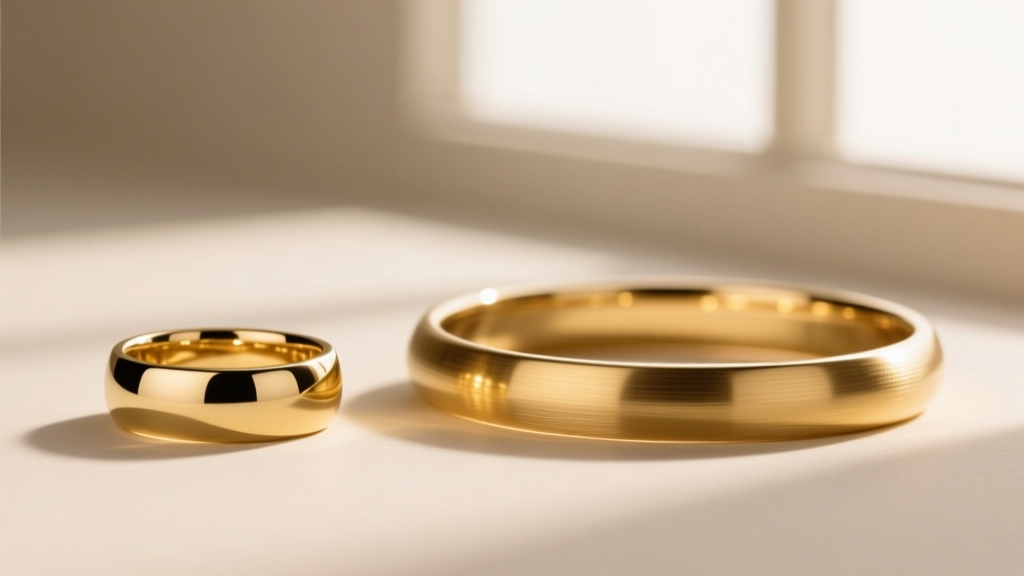
Brands like David Yurman and Roberto Coin frequently use high-polish finishes to maximize light reflection. Over time, these surfaces accumulate a film of sebum, lotions, and hard water spots. High-polish gold can be safely maintained at home using a specialized jeweler’s polishing cloth impregnated with microscopic rouge compounds. However, aggressive rubbing will eventually wear away the outer layer of the metal, particularly on 18k pieces.
Brushed, Satin, and Matte Finishes
Iconic designs like the Cartier Love bracelet or the Juste un Clou feature signature brushed or satin finishes. Never use a polishing cloth on brushed gold. The abrasive compounds in the cloth will burnish the matte texture, creating unwanted shiny patches that ruin the designer's intended aesthetic. To clean brushed finishes, rely solely on liquid washing and soft-bristle brushing in the direction of the metal's grain.
The Brand Maintenance Matrix: Warranty & Servicing
Different gold jewelry brands offer vastly different post-purchase support structures. Understanding these parameters ensures you do not accidentally void your warranty by seeking unauthorized third-party repairs.
| Brand Tier | Typical Warranty | Professional Cleaning | Refinishing / Polishing |
|---|---|---|---|
| Luxury Heritage (e.g., Cartier, Van Cleef) | Lifetime manufacturing defect warranty; strict authentication requirements. | Complimentary in-boutique ultrasonic and steam cleaning upon request. | Paid service. Involves laser welding and precise buffing to retain original geometry and weight. |
| Contemporary DTC (e.g., Mejuri, Gorjana) | 2-year limited warranty covering structural defects and severe tarnishing. | Mail-in cleaning services or DIY care kits provided at purchase. | Limited or unavailable. Often recommend local trusted jewelers for heavy refinishing. |
| Artisan / Indie (e.g., Catbird, Brut) | 1-year repair warranty; focus on organic, unpolished aesthetics. | Encourage gentle home cleaning to preserve the 'lived-in' patina. | Rarely offered, as the brand ethos embraces natural wear and oxidation. |
Step-by-Step Home Cleaning Protocol for Branded Gold
To safely clean gold jewelry from any brand without risking damage to delicate pavé settings or tension mounts, follow this precise, conservator-approved protocol. The Federal Trade Commission (FTC) advises consumers to avoid harsh commercial dips that can strip alloys and damage secondary gemstones.
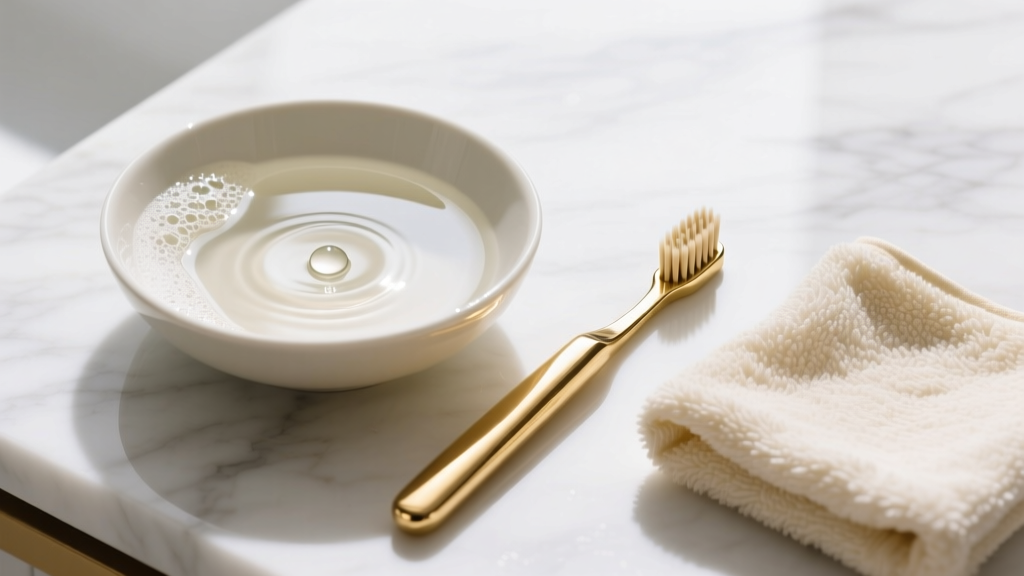
- Prepare the Solution: Mix 3 parts warm distilled water (tap water contains chlorine and minerals that can spot the gold) with 1 part mild, phosphate-free dish soap in a glass bowl. Avoid plastic bowls, which can harbor microscopic abrasive grit from previous uses.
- The Soak: Submerge the jewelry for exactly 15 to 20 minutes. This is sufficient to break down lipid bonds from skin oils and cosmetics without compromising the structural integrity of any adhesive used in cluster settings.
- The Agitation: Use an extra-soft baby toothbrush (bristle diameter of 0.12mm or less). Brush gently in circular motions for high-polish pieces, and in strict linear motions following the grain for brushed pieces. Pay special attention to the gallery (the underside of the setting) where debris accumulates.
- The Rinse: Rinse under a gentle stream of lukewarm distilled water. Ensure the drain is securely plugged or use a mesh strainer over the basin.
- The Dry: Pat dry with a lint-free microfiber cloth. Do not use paper towels or tissues, as the wood pulp fibers can inflict micro-scratches on 18k gold surfaces.
Common Mistakes That Void Brand Warranties
Many gold jewelry brands will immediately void their warranties if they detect evidence of improper chemical exposure or unauthorized mechanical cleaning. Avoid these critical errors:
- Ultrasonic Cleaners: While tempting, at-home ultrasonic cleaners use high-frequency sound waves that can shake diamonds loose from the delicate pavé settings frequently used by brands like Anita Ko and Messika. They can also cause catastrophic fracturing in porous gems like emeralds or opals.
- Chlorine Exposure: Wearing 14k or 18k gold in swimming pools or hot tubs is a primary cause of jewelry failure. Chlorine reacts with the copper and zinc alloys in the gold, causing a phenomenon known as stress corrosion cracking. This makes the metal brittle and can cause prongs to snap off entirely.
- Commercial Silver Dips: Never use tarnish-removing dips meant for silver on gold jewelry. These solutions often contain thiourea and sulfuric acid, which will permanently etch the surface of your gold and strip any rhodium plating from white gold pieces.
When to Seek Professional Brand Restoration
Home cleaning is designed to remove surface oils and environmental dust; it cannot remove metal scratches or restore structural integrity. If your 18k gold bracelet from a luxury brand has accumulated deep gouges, or if a white gold ring from a contemporary brand has lost its rhodium flash and is showing yellow undertones, it is time for professional intervention.
Always return to the brand's official boutique or an authorized service center first. Heritage brands employ master jewelers who understand the exact geometry, original CAD specifications, and proprietary polishing compounds required to restore a piece to its factory-original state without removing excess metal weight. For contemporary brands lacking in-house refinishing, seek out a local bench jeweler who specializes in laser welding and microscopic polishing to ensure your branded pieces remain authentic, structurally sound, and visually flawless.


