14k Gold Jewelry vs 18k: The Definitive Alloy Comparison
Discover why 14k gold jewelry outperforms 18k and 10k for daily wear. We compare alloy compositions, durability, and tarnish resistance.

The Metallurgy of 14k Gold Jewelry: What You Are Actually Buying
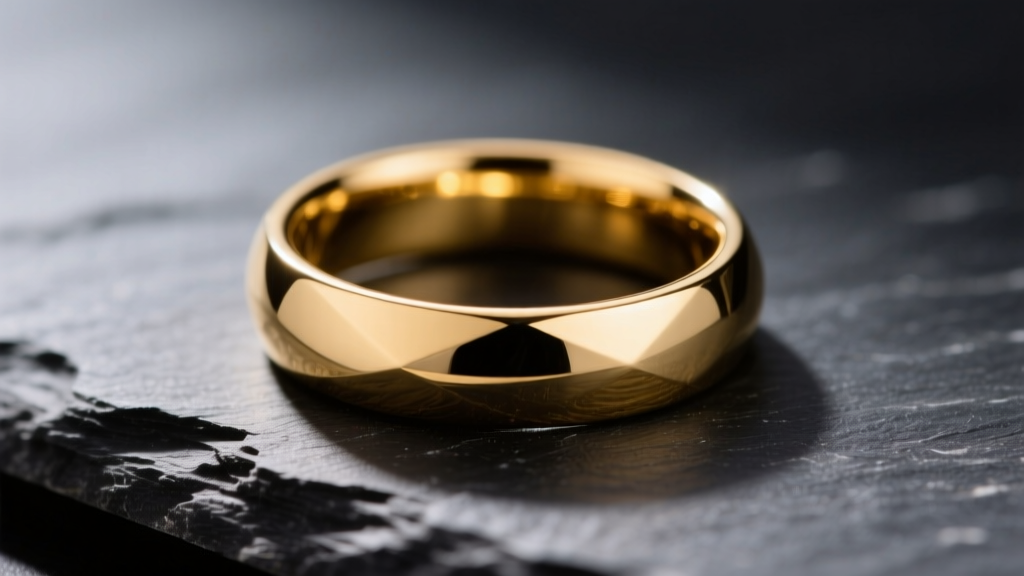
When navigating the fine jewelry market, consumers are frequently caught in a tug-of-war between purity and pragmatism. While 24k gold represents absolute elemental purity, it is entirely unsuited for structural jewelry applications due to its extreme malleability. This is where 14k gold jewelry establishes its dominance. By definition, 14-karat gold consists of 14 parts pure gold and 10 parts alloying metals, translating to exactly 58.3% gold content and 41.7% secondary metals.
This specific ratio is not arbitrary; it is the result of centuries of metallurgical refinement designed to balance the luxurious luster of gold with the structural integrity required for daily wear. According to the Gemological Institute of America (GIA), the precise composition of that 41.7% alloy matrix dictates not only the color of the final piece but also its tensile strength, melting point, and resistance to environmental degradation.
In standard 14k yellow gold, the alloy matrix typically comprises a carefully calibrated mix of silver, copper, and zinc. The copper adds warmth and hardness, the silver lightens the tone to prevent the piece from looking overly brassy, and the zinc acts as a deoxidizer during the casting process. Understanding this metallurgical baseline is critical for any collector or daily wearer looking to maximize the lifespan of their investment.
14k vs. 18k vs. 10k: The Hardness and Durability Matrix
To truly evaluate the structural viability of 14k gold jewelry, we must measure it against its closest competitors: 18k (75% gold) and 10k (41.7% gold). Jewelers and metallurgists rely on the Vickers Hardness (HV) scale to quantify a metal's resistance to scratching, denting, and deformation. Pure 24k gold sits at a remarkably soft 25 HV, making it susceptible to warping under minimal pressure.
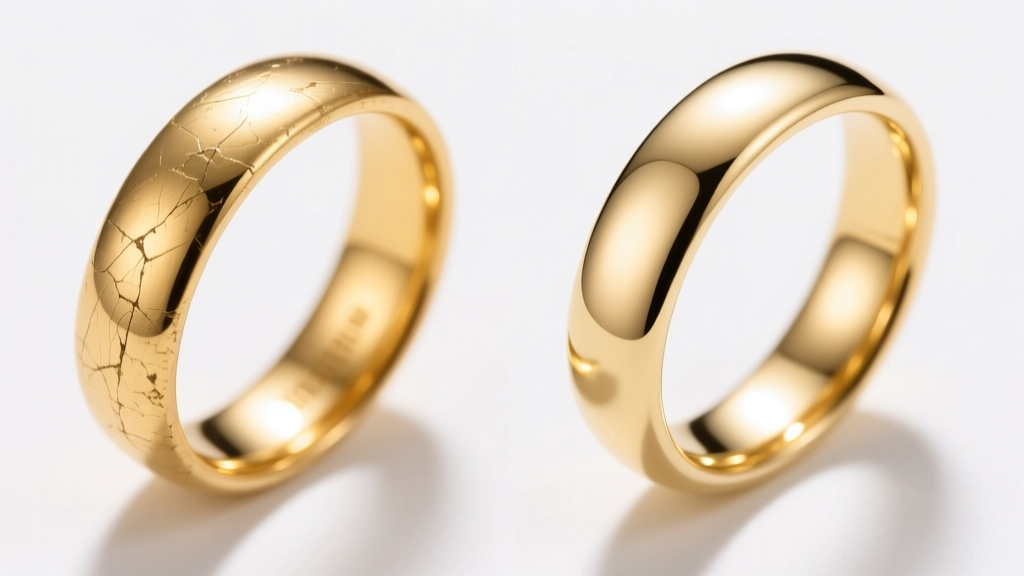
As we introduce alloying metals, the hardness increases significantly. Below is a comparative breakdown of how these three primary karats perform under stress:
| Metric | 10k Gold (41.7% Au) | 14k Gold (58.3% Au) | 18k Gold (75.0% Au) |
|---|---|---|---|
| Vickers Hardness (HV) | ~170 - 190 HV | ~140 - 160 HV | ~115 - 125 HV |
| Scratch Resistance | High | Moderate-High | Moderate-Low |
| Tarnish Risk | High (due to copper/silver volume) | Low-Moderate | Very Low |
| Prong Security | Excellent, but brittle over time | Optimal balance of flex and grip | Poor for high-impact settings |
| Relative Price per Gram | $ | $$ | $$$ |
As the data illustrates, 14k gold jewelry occupies the 'Goldilocks zone' of metallurgy. While 10k gold is technically harder, its high copper and silver content makes it prone to oxidation and a duller, less reflective surface. Conversely, 18k gold offers a richer, deeper yellow hue but lacks the tensile strength required to securely hold diamonds or gemstones in active-wear rings over a period of decades.
Tarnish, Oxidation, and Skin Sensitivities
A common misconception in the jewelry industry is that gold does not tarnish. While pure gold is entirely inert and immune to oxidation, the alloying metals in 14k gold are not. The 41.7% alloy matrix is where environmental reactions occur. Copper, a primary hardening agent in both yellow and rose gold, can react with sulfur compounds in the air, lotions, and human sweat to form copper sulfide, resulting in a dark, tarnished film on the surface of the metal.
The White Gold and Nickel Conundrum
When discussing 14k white gold, the conversation must pivot to skin sensitivities. Historically, nickel was the primary bleaching agent used to strip the yellow hue from the gold-copper-silver mix. However, nickel is a notorious contact allergen. According to dermatological studies, up to 15% of the population experiences allergic contact dermatitis when exposed to nickel-bearing alloys. In response to consumer demand and international regulations, many premium refiners in 2026 have shifted to palladium-based white gold alloys. While palladium 14k white gold is hypoallergenic and maintains a slightly warmer, more natural white tone, it is noticeably more expensive and harder to cast than its nickel-based predecessors.
Regardless of the alloy, almost all 14k white gold jewelry is electroplated with a microscopic layer of rhodium to achieve a stark, mirror-like white finish. Consumers must factor in the cost of rhodium re-plating every 12 to 24 months, depending on the wearer's skin pH and friction exposure.
Application Guide: Where 14k Gold Excels (and Fails)
Because of its specific mechanical properties, 14k gold jewelry is not a monolith; its suitability varies wildly depending on the structural demands of the specific jewelry category.
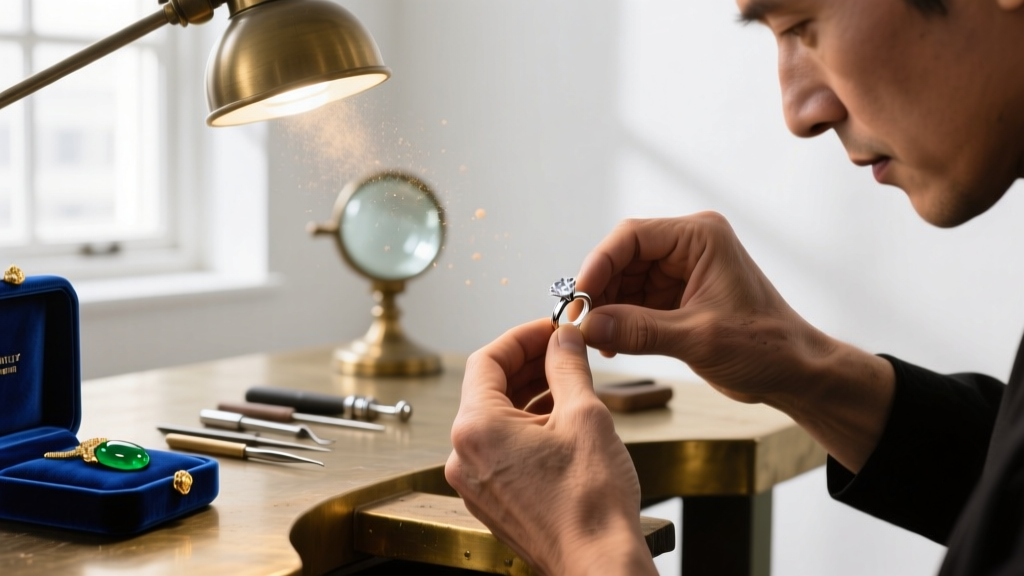
- Engagement Rings and Prong Settings: Highly Recommended. The 140-160 HV hardness allows prongs to be pushed tightly against a diamond's girdle and maintain that grip without springing back or wearing down prematurely. 18k prongs can bend and release stones during heavy impacts.
- Chains and Link Bracelets: Optimal. For tension-bearing pieces like Cuban links, Figaro chains, or rope chains, the tensile strength of 14k gold prevents the individual links from stretching and ovaling out over time, a common failure mode in higher-karat chains.
- Body Jewelry and Piercings: Proceed with Caution. For fresh piercings, the Association of Professional Piercers (APP) generally recommends implant-grade titanium or solid 14k/18k gold that is entirely nickel-free. However, the alloying metals in standard 14k yellow gold can sometimes irritate unhealed fistulas. It is best reserved for fully healed piercings.
- Intricate Filigree and High-Relief Carving: Less Ideal. Artisans creating highly detailed, hand-engraved signet rings or delicate filigree pendants often prefer 18k or even 22k gold. The higher purity makes the metal 'softer' under the engraving tool, allowing for smoother, more fluid cuts without the tool skipping off harder alloy particles.
Authenticating and Hallmarking Standards
Verifying the authenticity of 14k gold jewelry requires looking beyond the surface stamp. In the United States, the Federal Trade Commission (FTC) Jewelry Guides mandate that any item stamped with a karat mark must be within three-thousandths of a karat of the stated purity (excluding solder). Therefore, a genuine 14k piece must contain at least 58.0% pure gold.
In international markets, particularly across Europe and Asia, you will rarely see the '14K' stamp. Instead, the millesimal fineness system is used, and 14k gold is hallmarked as 585. When authenticating a piece, professionals rely on X-ray Fluorescence (XRF) spectrometry for non-destructive, exact elemental breakdowns. For consumers without access to an XRF machine, traditional nitric acid testing remains a reliable, albeit destructive, method. A drop of 14k testing acid (a specific concentration of nitric acid and distilled water) will turn a milky, pale green on genuine 585 gold, while turning dark green or brown on lower-karat base metals or gold-plated items.
Furthermore, Jewelers of America advises consumers to look for the manufacturer's trademark stamp alongside the karat mark. A '14K' stamp alone is legally insufficient in the US; it must be accompanied by the registered hallmark of the maker, ensuring traceability and accountability in the event of metallurgical fraud.
Final Verdict for the Pragmatic Collector
When evaluating the intersection of cost, aesthetics, and structural longevity, 14k gold jewelry remains the undisputed champion of everyday wear. It sacrifices a marginal amount of the deep, saturated hue found in 18k gold, but in return, it provides the tensile strength necessary to secure precious gemstones and resist the abrasive realities of daily life. By understanding the specific alloy compositions and recognizing the appropriate applications for this 58.3% gold matrix, buyers can make highly informed, pragmatic investments that will outlast higher-karat alternatives by decades.


