What Is Gold Filled Jewelry Mean? An Expert Technical Guide
Discover what is gold filled jewelry mean in 2026. We break down FTC standards, 1/20 14k GF ratios, manufacturing bonds, and durability.

Decoding the Terminology: What Is Gold Filled Jewelry Mean?
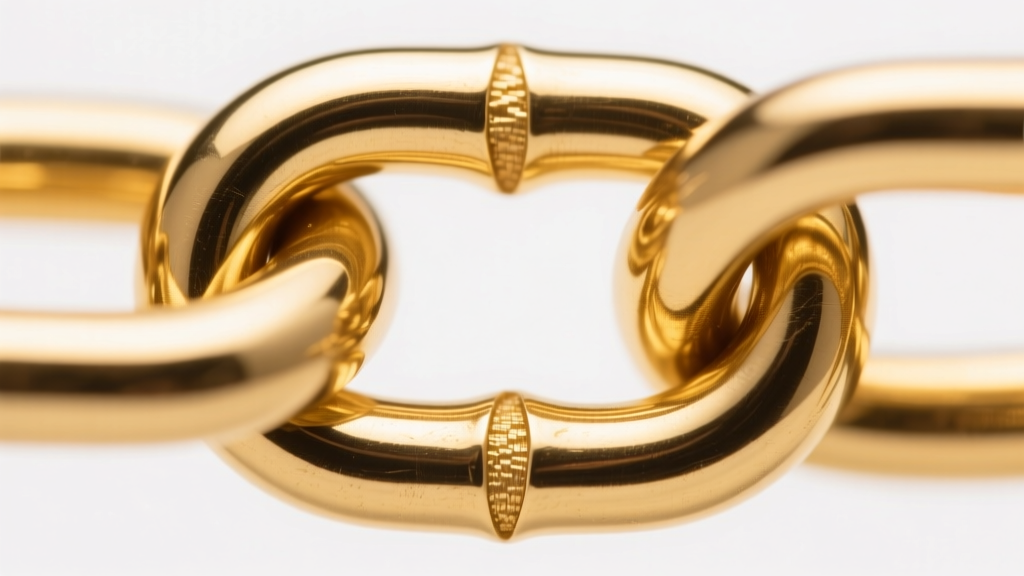
When consumers and hobbyists ask, "what is gold filled jewelry mean," they are usually trying to navigate the confusing hierarchy of gold alternatives. In the jewelry industry, gold filled (GF) is not merely a marketing term; it is a strictly regulated metallurgical classification. Unlike electroplated jewelry, which relies on a microscopic molecular layer of gold, gold filled material consists of a substantial, physical sheet of karat gold that is mechanically bonded to a base metal core. Understanding the technical realities of this material is critical for jewelers, appraisers, and informed buyers who want to balance cost-efficiency with long-term durability.
To truly grasp the value of gold filled jewelry, we must look past the retail marketing and examine the Federal Trade Commission (FTC) regulations, the mechanical bonding processes, and the specific failure modes associated with brass-core alloys.
The FTC Standard: Decoding the "1/20 14K GF" Stamp
The most common stamp you will encounter on authentic pieces is "1/20 14K GF." According to the FTC Jewelry Guides, this designation is a legally binding guarantee regarding the item's metallurgical composition. The "1/20" fraction dictates that exactly 5% of the total weight of the metal item must be pure karat gold. The "14K" specifies the purity of that outer gold layer, meaning it is an alloy consisting of 58.5% pure gold and 41.5% secondary metals like copper, silver, or zinc.
This weight ratio is vastly superior to standard gold plating. While a typical electroplated ring might contain less than 0.05% gold by weight, a 1/20 14K GF ring contains 100 times more gold. This massive discrepancy in gold volume is what gives gold filled jewelry its renowned tarnish resistance and structural longevity, often allowing it to survive decades of daily wear without the gold layer wearing away.
Mechanical Bonding vs. Electroplating
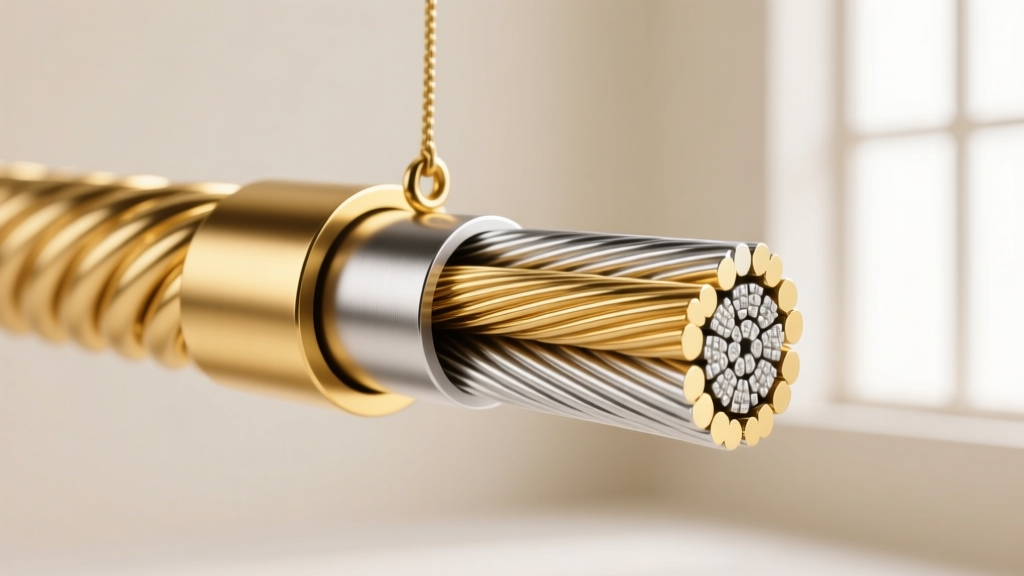
The manufacturing process of gold filled wire and sheet metal is fundamentally different from the electrochemical baths used for plating. Gold filled material is created through a process of extreme heat and pressure. A sheet of 14k gold is placed over a core of jeweler's brass. The metals are then passed through a series of high-pressure rolling mills and drawing dies. The intense pressure and friction generate enough heat to create a permanent, mechanical metallurgical bond between the gold and the brass. This bond is so strong that the gold layer cannot be peeled or flaked off under normal wear conditions.
Metallurgical Breakdown: Core Alloys and Gold Layers
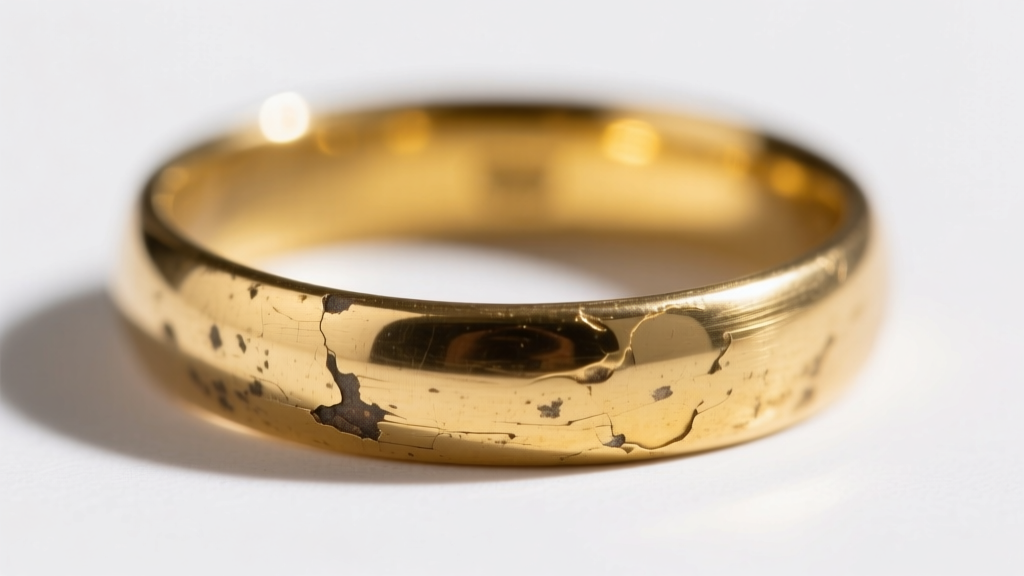
The core of almost all gold filled jewelry is jeweler's brass, an alloy typically composed of 70% copper and 30% zinc. Brass is chosen because its melting point and thermal expansion rate closely match those of 14k gold, preventing the mechanical bond from fracturing during the intense heat of the rolling process. However, the copper content in the brass core is also the source of the material's primary vulnerability: oxidation.
| Attribute | Gold Filled (1/20 14K GF) | Gold Vermeil | Gold Plated (GEP) |
|---|---|---|---|
| Base Metal Core | Jeweler's Brass (Cu/Zn) | Sterling Silver (.925) | Brass, Copper, or Nickel |
| Gold Layer Thickness | 5.0 to 25.0+ microns | 2.5 microns (minimum) | 0.1 to 0.5 microns |
| Bonding Process | Mechanical (Heat/Pressure) | Electroplating | Electroplating |
| Expected Lifespan | 15 to 30+ years | 2 to 5 years | 6 months to 2 years |
Failure Modes: Tarnish, Delamination, and Wear
While gold filled jewelry is highly durable, it is not indestructible. As an expert, I categorize the failure modes of GF jewelry into three distinct categories:
- Surface Wear: On high-friction areas like ring shanks or bracelet clasps, the gold layer can eventually wear through. However, because the gold layer is up to 25 microns thick, this typically takes 20 to 30 years of continuous daily wear.
- Cut-Edge Tarnishing: When a jeweler cuts a gold filled chain or stamps a blank from a GF sheet, the brass core is exposed at the cut edge. Because brass contains copper, these exposed edges will oxidize and turn dark green or black when exposed to moisture and skin acids. Jewelers must seal these cut edges with specialized clear lacquers or liver of sulfur treatments to prevent localized tarnish.
- Delamination: This is incredibly rare but can occur if the material was manufactured improperly. If the brass core was not perfectly cleaned and pickled before the gold sheet was applied, microscopic impurities can prevent a full mechanical bond, causing the gold to blister or peel over time.
The Brass Core Oxidation Problem
The most common complaint from consumers who do not understand what is gold filled jewelry mean is sudden tarnishing. This almost always occurs at the clasp mechanisms or jump rings. Findings (clasps, ear wires) are often cast or stamped, which can compromise the continuous gold layer. Furthermore, the friction of a lobster clasp opening and closing will rapidly wear away the gold on the contact points, exposing the brass beneath. According to the Gemological Institute of America (GIA), understanding the limitations of gold alloys is essential for proper jewelry maintenance; for GF pieces, this means keeping mechanical findings dry and occasionally polishing them with a treated jeweler's cloth.
Sizing and Repair Limitations for Gold Filled Pieces
One of the most critical technical limitations of gold filled jewelry is that it cannot be easily resized or soldered using traditional jeweler's torches. When a jeweler applies a high-temperature flame to a gold filled ring to solder a new bridge or resize the shank, the intense heat causes the zinc in the brass core to vaporize and migrate to the surface. This results in a permanent, dark, oxidized scar that cannot be polished out, effectively ruining the piece.
"If a customer brings in a 14K GF ring for sizing, traditional torch soldering is off the table. The heat will instantly burn through the gold layer and oxidize the brass core, leaving a visible black seam. We exclusively use pulsed laser welders for GF repairs, as the laser concentrates heat in a microscopic area without thermally conducting through the entire shank." — Master Bench Jeweler
For broken chains or jump rings, laser welding is the only viable repair method. Alternatively, some jewelers use low-temperature, gold-colored solder pastes, but these rarely match the exact hue of 14k gold and are prone to flaking.
How to Verify Authenticity and Karat Weight
Because gold filled jewelry holds significant intrinsic and aesthetic value, verifying its authenticity is crucial, especially in the secondary market. Traditional acid testing is highly destructive and ineffective for GF jewelry; the acid will react to the 14k gold surface, giving a false positive for a solid gold piece, while completely ignoring the brass core beneath.
The industry standard for verifying gold filled material is X-ray Fluorescence (XRF) testing. An XRF spectrometer fires X-rays into the metal, exciting the atoms and causing them to emit secondary fluorescent X-rays. By measuring the energy of these emitted rays, the machine can determine the exact elemental composition of the surface layer and, to some degree, the subsurface core. A genuine 1/20 14K GF piece will show a surface reading of roughly 58.5% gold, but advanced XRF software can also detect the heavy copper and zinc signatures of the brass core lurking just microns below the surface, confirming its gold filled status rather than solid gold.
Final Verdict on Gold Filled Durability
Ultimately, gold filled jewelry represents the absolute pinnacle of gold-alternative manufacturing. It bridges the gap between the fleeting lifespan of cheap electroplated fashion jewelry and the prohibitive cost of solid 14k gold. By understanding the mechanical bonding process, the strict FTC weight requirements, and the specific limitations regarding soldering and cut-edge oxidation, buyers and jewelers can properly care for these pieces, ensuring they remain beautiful and structurally sound for decades.