Does Gold Dipped Jewelry Tarnish? Causes, Fixes & Care
Discover if gold dipped jewelry tarnishes and why. Learn expert troubleshooting steps to clean, restore, and prevent tarnish on your favorite pieces.

The Short Answer: Does Gold Dipped Jewelry Tarnish?
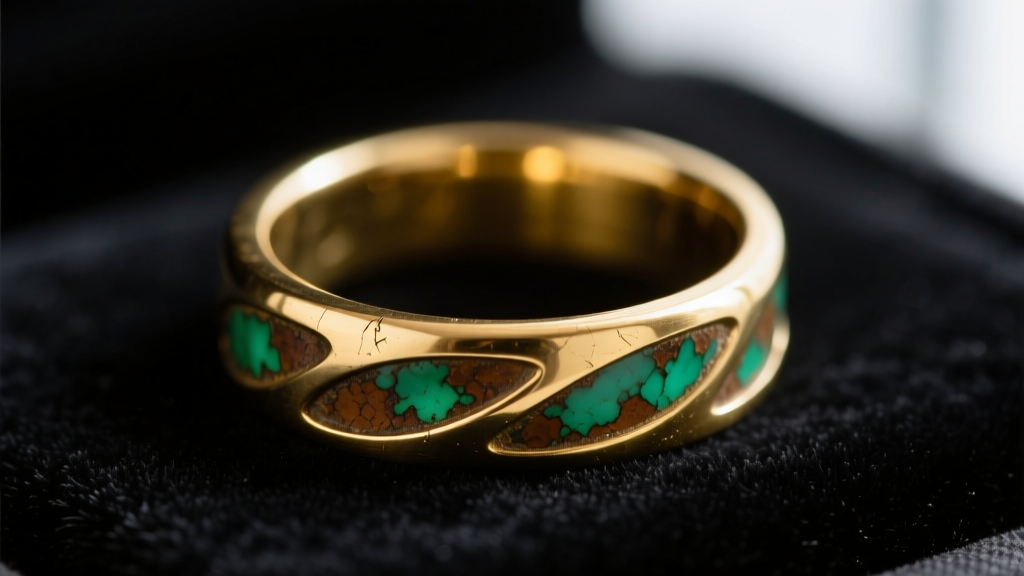
When building a curated, budget-friendly jewelry collection, a common question arises: does gold dipped jewelry tarnish? The short answer is yes, but with a crucial metallurgical caveat. Pure gold (24k) is a noble metal, meaning it does not react with oxygen or moisture and will never tarnish. However, "gold dipped" jewelry—more accurately known in the industry as heavy gold electroplate—consists of a microscopic layer of gold bonded over a base metal core. When you see tarnish on these pieces, you are not seeing the gold fail; you are witnessing the base metal beneath it oxidize and bleed through microscopic pores in the plating.
In this comprehensive troubleshooting guide, we will break down the exact science behind gold dipped tarnish, how to diagnose the specific type of degradation your piece is experiencing, and the step-by-step protocols to safely restore and protect your jewelry.
The Science of Base Metal Bleed and Plating Thickness
To understand why tarnish occurs, we must look at how gold dipped jewelry is manufactured. According to the Federal Trade Commission (FTC) Jewelry Guides, standard "gold electroplated" items must have a minimum gold thickness of 0.175 microns. "Heavy gold electroplate" (the technical term for high-quality gold dipped jewelry) requires a minimum thickness of 2.5 microns. While 2.5 microns provides excellent durability and a rich color, it is still thin enough to be porous.
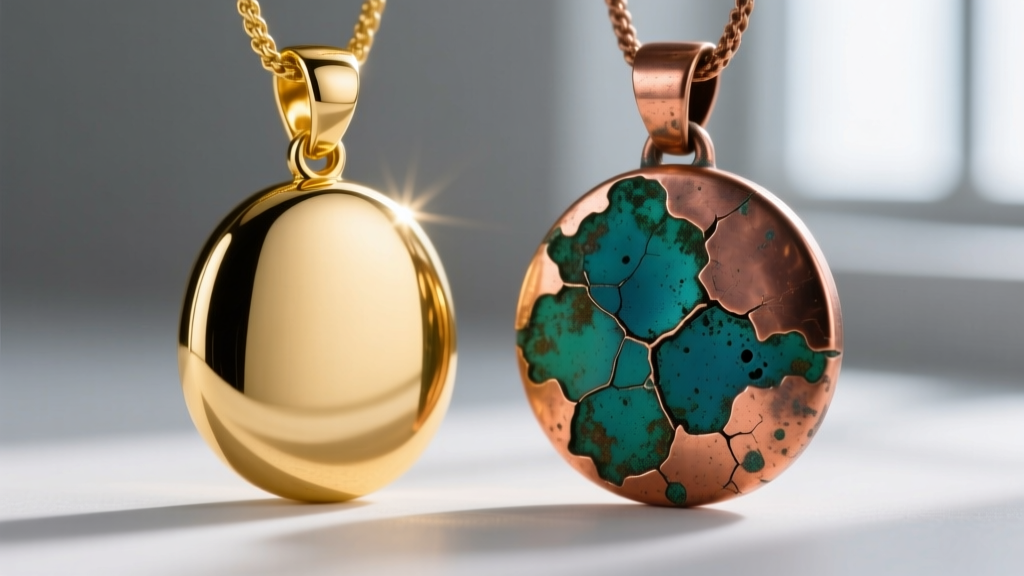
As you wear the jewelry, friction, skin acids, and environmental pollutants slowly wear down the gold layer. Once the base metal is exposed to air and moisture, oxidation begins. The corrosion products then migrate upward through the remaining porous gold layer, creating the illusion that the gold itself is tarnishing.
| Plating Category | Thickness (Microns) | Common Base Metals | Tarnish & Wear Risk | Estimated Lifespan |
|---|---|---|---|---|
| Flash Plated | 0.1 - 0.5 | Brass, Copper, Nickel | Extremely High | 1 - 6 Months |
| Gold Dipped (Heavy Electroplate) | 2.0 - 3.0 | Brass, Sterling Silver | Moderate | 1 - 3 Years |
| Gold Vermeil | 2.5+ | Sterling Silver (925) | Moderate (Silver sulfide) | 2 - 5 Years |
| Gold Filled | 5% - 10% by weight | Jeweler's Brass | Very Low | 10 - 30 Years |
Diagnosing the Problem: Tarnish vs. Dirt vs. Wear
Before applying any cleaning solutions, you must accurately diagnose the surface issue. Applying harsh chemicals to worn gold will strip the remaining plating entirely. Use this diagnostic framework to identify your problem:
1. Surface Grime and Oils (Not Tarnish)
Symptoms: The piece looks dull, cloudy, or smeared. There are no distinct colored spots, just an overall loss of luster.
Cause: Accumulation of sebum (skin oils), lotions, dead skin cells, and environmental dust.
The Fix: This requires only gentle degreasing. No chemical tarnish removers are needed.
2. True Tarnish Bleed
Symptoms: Distinct reddish-brown, greenish-black, or purplish spots, usually concentrated in crevices, chain links, or the inner band of rings.
Cause: The base metal is oxidizing. If the base is brass (copper and zinc), it will turn green or brown. If the base is sterling silver (vermeil), it will turn black due to silver sulfide formation.
The Fix: Requires targeted, mild chemical intervention to neutralize the oxidation without stripping the gold.
3. Mechanical Wear (Base Metal Exposure)
Symptoms: A distinct silver or brassy-yellow patch that is flush with the surface, often on high-friction areas like the bottom of a ring shank or the clasp of a necklace. It does not wipe off, nor is it dark and crusty.
Cause: The gold layer has been completely rubbed away through physical friction.
The Fix: Cleaning will not help. The piece requires professional replating.
Step-by-Step Troubleshooting: How to Clean Gold Dipped Jewelry
Expert jewelers and suppliers like Rio Grande strongly advise against using commercial silver dips, ultrasonic cleaners, or the popular "baking soda and aluminum foil" method on gold dipped items. These methods rely on ion exchange or harsh abrasives that will instantly strip microscopic gold layers. Follow these progressive cleaning levels instead.
Level 1: The Safe Degrease (For Grime and Mild Dullness)
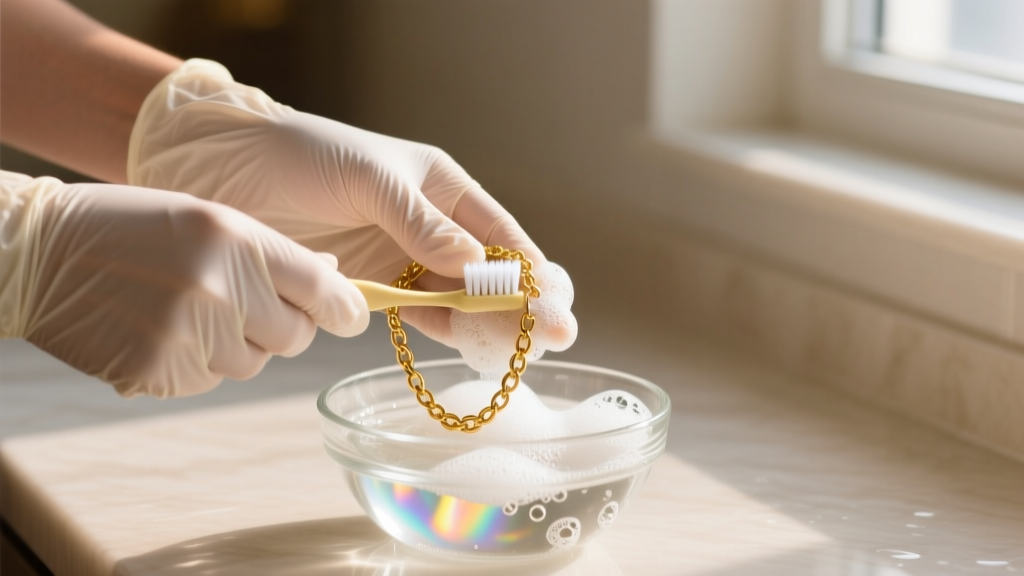
- Prepare the Solution: Mix warm (not hot) water with a few drops of pH-neutral, phosphate-free dish soap (such as Dawn Free & Clear).
- Soak: Submerge the jewelry for 3 to 5 minutes. Do not exceed 10 minutes, as prolonged water exposure can seep into microscopic pores.
- Agitate: Using an extra-soft baby toothbrush, gently sweep the bristles over the jewelry, paying special attention to the back of settings and chain links.
- Rinse & Dry: Rinse under lukewarm distilled water (tap water contains chlorine and minerals that can accelerate future tarnish). Pat dry with a lint-free microfiber cloth. Never air dry, as water spots will form.
Level 2: Targeted Oxidation Removal (For Tarnish Bleed)
If Level 1 does not remove the dark spots, the base metal oxidation has breached the surface.
- Isopropyl Alcohol Method: Dip a cotton swab in 70% or 90% isopropyl alcohol. Gently rub the tarnished spot. Alcohol can dissolve certain organic tarnish compounds and evaporates instantly, preventing moisture from lingering in the pores.
- The White Vinegar Swab (Use with Caution): For stubborn brass bleed (green spots), dip a Q-tip in distilled white vinegar, apply it only to the tarnished spot for 10 seconds, and immediately neutralize it by wiping with a baking-soda-dampened cloth, followed by a distilled water rinse. Warning: Vinegar is acidic and can etch the gold if left on too long.
Level 3: Professional Replating (For Severe Wear)
If the gold is physically gone, no amount of cleaning will restore it. You must seek a professional electroplating service. A local jeweler can polish the exposed base metal and apply a fresh 2.5-micron layer of 14k or 18k gold.
- Cost Estimate: $40 to $85 for standard rings and pendants, depending on the surface area and current gold market prices.
- Pro Tip: Ask the jeweler to apply a nickel-free palladium barrier layer between the brass base and the new gold plating. This acts as a physical shield, significantly delaying future tarnish bleed.
Preventative Maintenance: Extending the Life of Your Plating
Because gold dipped jewelry operates on a finite lifespan, preventative care is about slowing down the inevitable wear and blocking the base metal from environmental triggers.
"The biggest enemy of gold plating isn't water; it's human biology. The natural pH of human sweat ranges from 4.5 to 7.0. Highly acidic sweat acts as a mild chemical peel for gold plating, accelerating the exposure of the base metal beneath."
- The Clear Coat Barrier: For gold dipped rings, apply a thin layer of clear, non-yellowing nail polish or a specialized jewelry guard (like Jeweler's Skin) to the inside of the band. This creates an impermeable physical barrier between your acidic skin and the brass core, completely eliminating the dreaded "green finger" effect.
- Climate-Controlled Storage: Store gold dipped pieces in individual anti-tarnish flannel pouches. Toss a silica gel packet and a 3M anti-tarnish strip into your jewelry box to absorb ambient moisture and neutralize sulfur gases in the air.
- The "Last On, First Off" Rule: Always put your gold dipped jewelry on after applying perfumes, hairsprays, and lotions. The alcohols and emulsifiers in cosmetics can break down the microscopic gold layers over time. Remove them before showering, swimming (chlorine destroys gold alloys instantly), or doing dishes.
Final Verdict: Is Gold Dipped Jewelry Worth the Upkeep?
Understanding the mechanics behind the question "does gold dipped jewelry tarnish" empowers you to make smarter purchasing decisions. Gold dipped jewelry is an excellent, cost-effective way to wear luxury designs without the solid gold price tag, provided you treat it as a semi-durable good rather than an heirloom. By accurately diagnosing surface issues, avoiding abrasive cleaning hacks, and employing strategic barrier methods, you can easily extend the vibrant, tarnish-free life of your gold dipped pieces for years to come.


