Pale Gold Jewelry Buying Guide: Alloys & Karats Explained
Discover what makes pale gold jewelry unique. Our buying guide covers karats, alloy compositions, pricing, and what to look for when shopping.

Understanding Pale Gold: Beyond the Standard Yellow
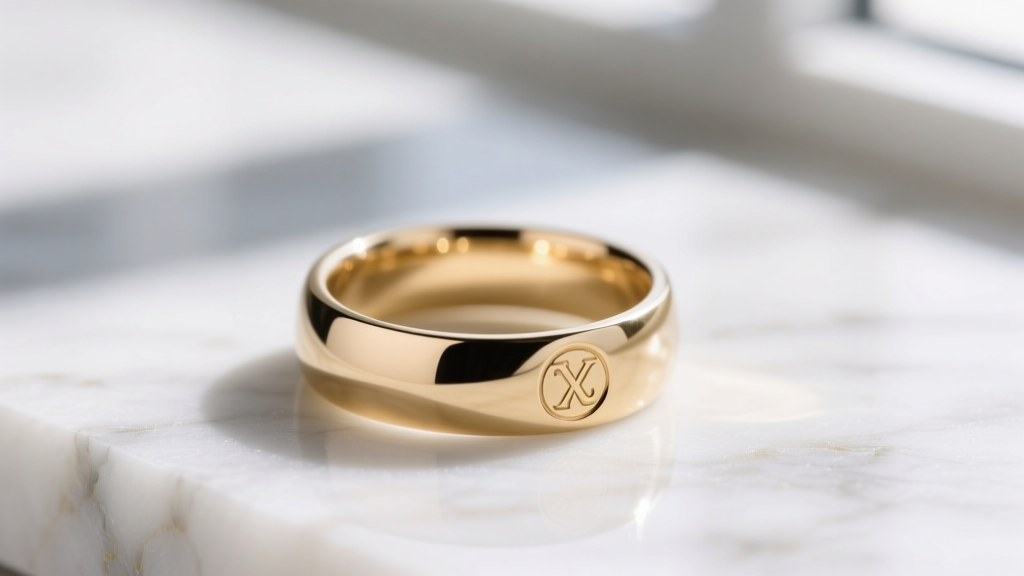
When shopping for fine jewelry, most buyers are familiar with the traditional spectrum: bright yellow gold, stark white gold, and coppery rose gold. However, pale gold jewelry has emerged as a highly sought-after alternative for those seeking a softer, more vintage-inspired aesthetic. Often referred to in the trade as 'champagne gold' or 'antique yellow,' pale gold is not a naturally occurring metal. Instead, it is the result of highly specific metallurgical alloying designed to mute the aggressive, brassy tones of standard yellow gold.
Unlike white gold, which is heavily alloyed with nickel or palladium and then plated with rhodium to achieve a silver color, pale gold relies on a delicate balance of silver, zinc, and minimal copper. The result is a warm, desaturated hue that bridges the gap between yellow and white metals. For buyers in 2026 looking for understated luxury, understanding the exact alloy compositions, durability metrics, and pricing dynamics of pale gold is essential before making a purchase.
The Metallurgy of Pale Gold: What Creates the Color?
To understand what you are buying, you must look at the alloy breakdown. Pure 24k gold is naturally a deep, rich yellow. To make it wearable, it is mixed with other metals. In standard 14k yellow gold, the alloy typically consists of roughly 25% copper and 16.5% silver and zinc. The copper is what gives standard yellow gold its warm, slightly reddish undertone.
To create pale gold, master refiners drastically reduce the copper content and increase the silver and zinc ratios. Silver acts as a 'bleaching' agent in gold alloys, pushing the color spectrum toward green and pale yellow, while zinc adds necessary hardness. In some premium 18k pale gold recipes, a small percentage of palladium is introduced to further neutralize the yellow without crossing the threshold into white gold territory. According to the Gemological Institute of America (GIA), the precise manipulation of these secondary metals is what dictates the final color saturation of the gold.
Karat Breakdown: Comparing 10k, 14k, and 18k Pale Gold
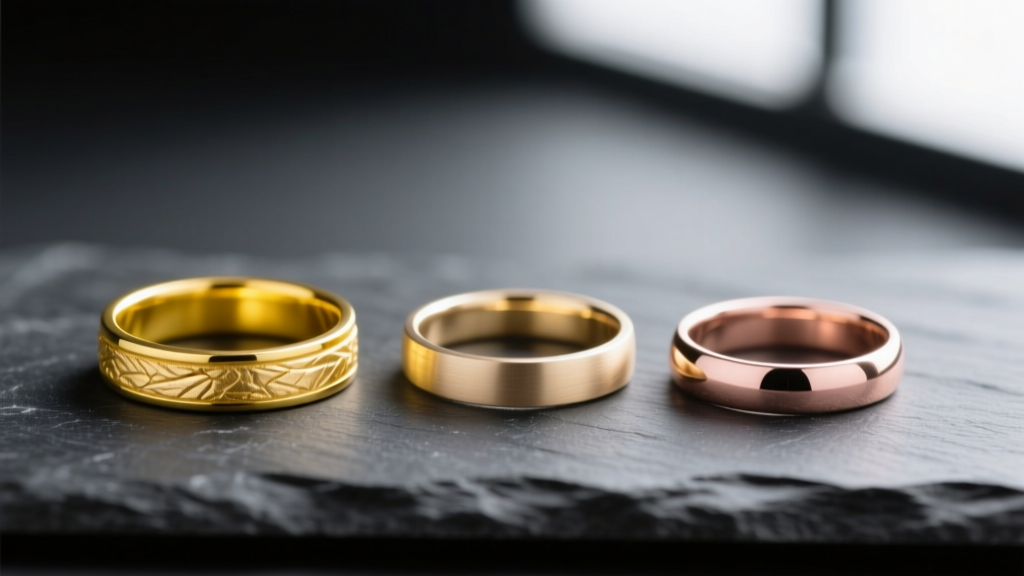
Not all pale gold is created equal. The karat weight fundamentally changes both the color and the physical properties of the jewelry. Below is a technical comparison of the three most common pale gold variants available on the market today.
| Karat | Pure Gold % | Typical Pale Alloy Mix | Vickers Hardness (HV) | Market Price Dynamic |
|---|---|---|---|---|
| 10k Pale | 41.7% | 41.7% Au, 35% Ag, 20% Zn, 3.3% Cu | ~110 HV | Discount (Mass-market casting) |
| 14k Pale | 58.5% | 58.5% Au, 30% Ag, 10% Zn, 1.5% Cu | ~135 HV | Slight Premium (Boutique alloy) |
| 18k Pale | 75.0% | 75.0% Au, 20% Ag, 5% Pd/Zn | ~160 HV | High Premium (Specialty refiners) |
Buyer Takeaway: 14k pale gold offers the best balance of color saturation, durability, and price for everyday wear like engagement rings and wedding bands. 18k pale gold provides a richer, more buttery champagne tone but requires a specialized caster, often adding a 10-15% premium to the final manufacturing cost.
The Buyer's Checklist: What to Look For
Because 'pale gold' is a descriptive trade term rather than a legally defined purity grade, buyers must exercise due diligence. The Federal Trade Commission (FTC) Jewelry Guides mandate that gold jewelry must be accurately stamped with its karat weight, but they do not regulate color descriptors. Here is your actionable checklist for verifying authentic pale gold jewelry:
1. Verify the Karat Hallmark
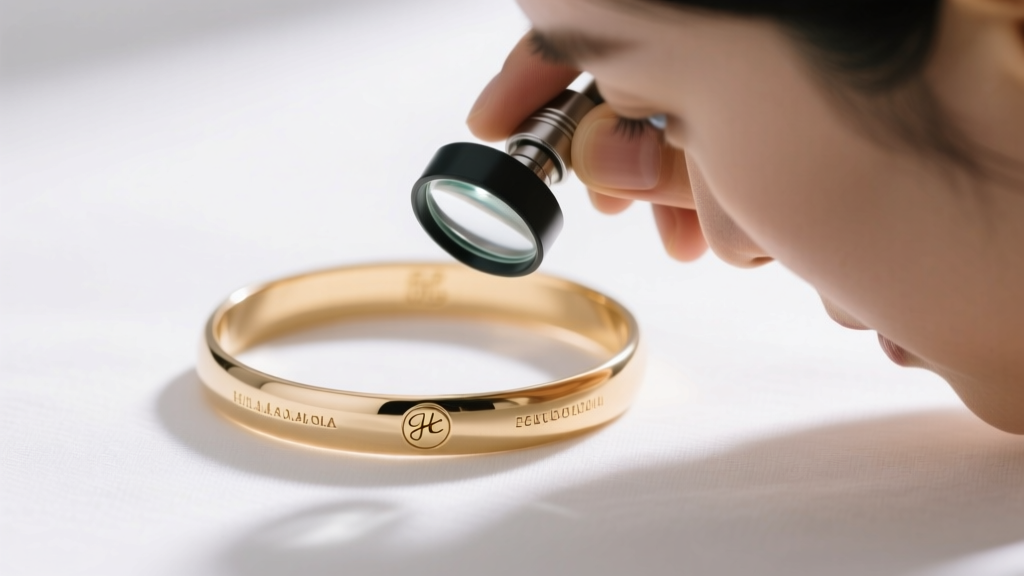
Never purchase a piece marketed as 'pale gold' that lacks a stamped karat hallmark (e.g., 10k, 14k, 585, 18k, 750). If a seller claims the pale color is due to a 'special vintage plating' over an unmarked base metal, walk away. True pale gold is solid alloy all the way through.
2. Ask for the Alloy Origin
Mass-market jewelers rarely stock true pale gold; they often rely on standard yellow gold that has been lightly rhodium-plated or chemically treated to look muted. When buying from a bespoke jeweler, ask if they use a specific 'champagne' or 'pale yellow' master alloy from a reputable refinery like Hoover & Strong or Stuller. Custom jewelers can order these specific alloy grains to cast your piece.
3. Check for Plating Disclosures
Some manufacturers use standard white gold and plate it with a very thin layer of pale yellow gold to achieve the color. This is known as 'gold-washing' or flash plating. Over time, the friction of daily wear will strip this layer, revealing the stark white metal beneath. Always ask: 'Is this solid pale alloy, or is it plated?'
Durability, Tarnish, and Care Realities
A common misconception is that all gold is entirely immune to environmental degradation. The tarnish resistance of pale gold jewelry is directly tied to its silver content. Because pale gold alloys utilize higher percentages of silver to mute the yellow color, lower-karat options (specifically 10k and some 14k blends) can be susceptible to silver sulfide tarnish when exposed to sulfur in the air, cosmetics, or sweat.
Maintenance Protocol:
- 10k & 14k Pale Gold: May develop a slight patina or dullness over several months of heavy wear. Clean with a mild, phosphate-free dish soap and a soft-bristled baby toothbrush. Avoid harsh chemical dips, which can strip the zinc and leave the surface porous.
- 18k Pale Gold: If alloyed with palladium instead of heavy silver, it will be virtually tarnish-proof. It requires only occasional polishing with a microfiber cloth to maintain its luster.
From a structural standpoint, the higher zinc content in pale gold alloys actually increases the Vickers hardness compared to high-copper rose golds. This makes 14k pale gold an exceptionally durable choice for prong settings in engagement rings, as the metal resists bending and prong-lift better than standard 18k yellow gold.
Styling and Skin Tone Matching
One of the primary reasons buyers seek out pale gold jewelry is its universal flattery. Bright, high-copper yellow gold can sometimes clash with cool or olive skin undertones, creating a harsh visual contrast. Conversely, white gold can wash out very fair, cool-toned skin.
Pale gold acts as a neutral metallic. Its desaturated, champagne-like hue complements olive and neutral skin tones beautifully, providing warmth without overpowering the complexion. It is also the premier choice for pairing with alternative gemstones. While bright yellow gold competes with stones like morganite, aquamarine, and salt-and-pepper diamonds, pale gold provides a soft, muted backdrop that allows these subtle, pastel, and inclusion-heavy gems to take center stage.
Final Verdict: Is Pale Gold Right for You?
Pale gold jewelry represents a sophisticated departure from traditional mall-store offerings. It requires a buyer who is willing to ask the right questions about alloy composition and hallmarks. By prioritizing solid 14k or 18k pale alloys over plated imitations, and by understanding the metallurgical reasons behind its unique color, you can secure a piece of jewelry that offers both timeless elegance and modern, understated durability.


