How to Know if a Jewelry is Real Gold: The Ultimate Gift Guide
Gifting gold? Learn how to know if a jewelry is real gold before buying. Our expert guide covers authenticity tests and occasion-matching for milestones.

The High Stakes of Gifting Gold
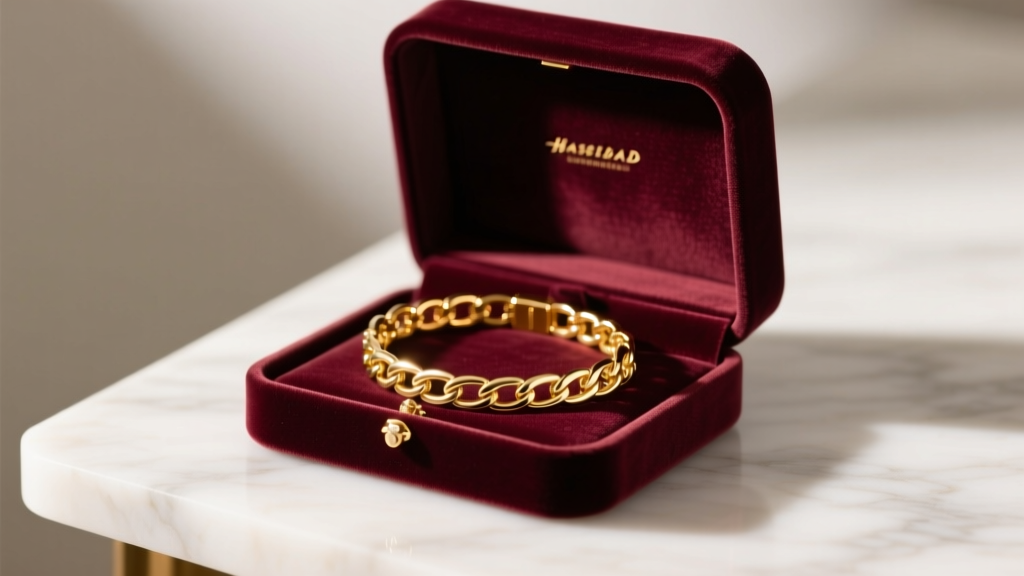
Giving gold jewelry is one of the most universally recognized gestures of love, commitment, and celebration. Whether you are marking a 50th wedding anniversary, a high school graduation, or the birth of a child, gold carries an intrinsic weight that transcends mere fashion. However, as gold prices continue to fluctuate and reach historic highs in 2026, the market has seen a corresponding surge in sophisticated counterfeits and misleading marketing terms. Learning how to know if a jewelry is real gold is no longer just a concern for pawnbrokers and estate liquidators; it is an essential skill for anyone purchasing a meaningful gift. Nothing ruins a milestone moment faster than the recipient discovering their cherished heirloom is actually gold-plated brass or copper-core vermeil.
This comprehensive guide bridges the gap between metallurgical authenticity and the art of gift-giving. We will walk you through the exact steps to verify gold purity before you hand over your credit card, decode the confusing stamps and hallmarks, and provide a strategic framework for matching the right karat to the right life event.
Why Authenticity Matters When Gifting Gold
When you gift gold, you are gifting an asset. According to the Gemological Institute of America (GIA), gold is prized not just for its luster, but for its resistance to tarnish and its historical role as a store of value. If you accidentally purchase gold-filled or gold-plated jewelry under the impression that it is solid gold, you are overpaying for a base metal that will eventually wear away, exposing the copper or brass underneath. This can lead to skin discoloration, allergic reactions, and profound embarrassment when the piece inevitably degrades. Furthermore, the Federal Trade Commission (FTC) Jewelry Guides strictly regulate how gold can be marketed, yet overseas e-commerce platforms and unverified social media boutiques frequently flout these rules, using deceptive terminology to trick well-meaning gift buyers.
How to Know if a Jewelry is Real Gold: The Buyer’s Checklist
Before finalizing any gold jewelry purchase for a gift, run the piece through this rigorous authentication checklist. These methods range from quick visual inspections to professional-grade verifications.
1. Decode the Hallmarks and Stamps
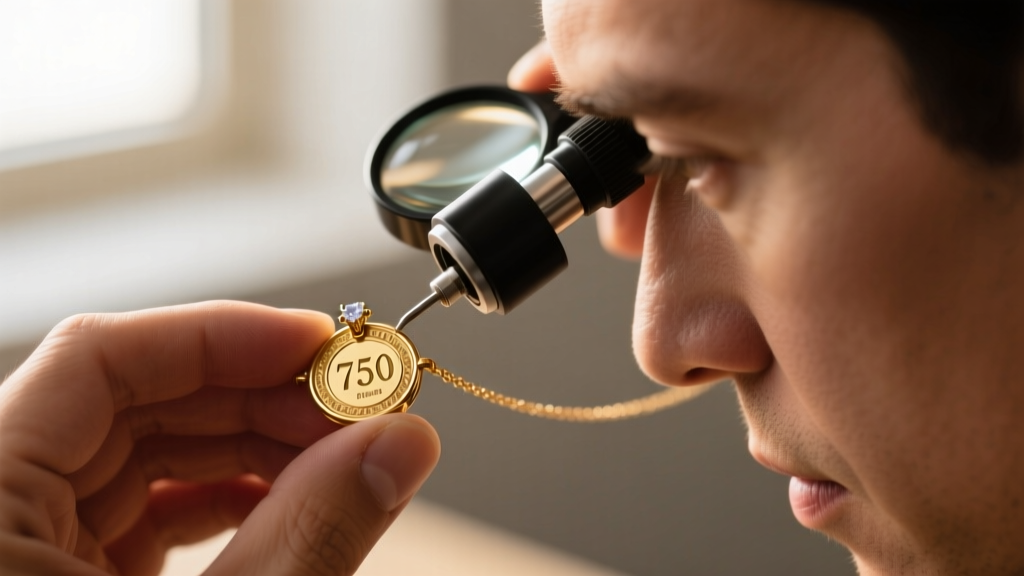
The first line of defense is the hallmark. In the United States, the Karat mark (10k, 14k, 18k, 24k) is standard. In Europe and the UK, you will see millesimal fineness numbers. Familiarize yourself with these critical stamps:
- 417 or 10k: 41.7% pure gold. Highly durable, often used for everyday rings.
- 585 or 14k: 58.5% pure gold. The sweet spot for American jewelry, balancing color and strength.
- 750 or 18k: 75.0% pure gold. Rich yellow hue, softer, ideal for luxury gifts and fine earrings.
- 999 or 24k: 99.9% pure gold. Extremely soft, usually reserved for investment pieces or specific cultural wedding jewelry.
Pro Tip: A hallmark alone is not proof of authenticity, as counterfeiters frequently stamp fake pieces. Always pair this with a secondary test.
2. The Magnet and Ceramic Tests (At-Home/In-Store)
Gold is diamagnetic, meaning it is not attracted to magnets. If you are shopping at a physical boutique or estate sale, bring a strong neodymium magnet. If the chain or clasp snaps to the magnet, it contains ferrous metals like iron or steel and is definitively not solid gold. Similarly, the unglazed ceramic test involves dragging the piece lightly across an unglazed ceramic tile. Real gold will leave a golden-yellow streak, whereas pyrite or gold-plated base metals will leave a black or greenish streak. Note: The ceramic test is slightly destructive and should only be used on inconspicuous areas of scrap or pre-owned pieces, never on a pristine gift.
3. Professional XRF Spectrometry and Acid Testing
For high-value gifts (anything over $1,000), rely on professional verification. Reputable jewelers use X-Ray Fluorescence (XRF) spectrometers, which shoot X-rays into the metal to determine its exact elemental composition without damaging the piece. Alternatively, the traditional nitric acid test involves filing a tiny, hidden notch into the metal and applying a drop of acid. If the metal dissolves or turns green, it is base metal; if it remains unaffected, it is real gold. The London Assay Office notes that modern hallmarking and XRF testing are the only 100% foolproof methods for verifying precious metal purity.
Matching Gold Karats to Milestone Occasions
Once you have verified the gold is real, the next step in the gifting process is selecting the appropriate karat for the occasion. Different milestones call for different balances of durability, prestige, and budget. Use the table below as your strategic gifting guide.
| Karat / Stamp | Purity & Durability | Best Gifting Occasion | Estimated Price Range (2026) |
|---|---|---|---|
| 10k (417) | 41.7% Gold. Very hard, prone to dullness over time. | Teen birthdays, promise rings, everyday fashion gifts. | $150 - $400 |
| 14k (585) | 58.5% Gold. Excellent durability, warm color. | Graduations, push presents, milestone birthdays (30th, 40th). | $300 - $1,200 |
| 18k (750) | 75% Gold. Rich color, softer, scratches easier. | Engagements, major anniversaries (10th, 25th), luxury holidays. | $800 - $3,500+ |
| 24k (999) | 99.9% Gold. Extremely soft, bends easily. | Cultural weddings, investment gifts, retirement milestones. | $1,000 - $5,000+ |
Red Flags When Shopping for Gold Gifts
When navigating the search for the perfect gift, deceptive marketing language is your biggest enemy. Retailers often use terms that sound luxurious but legally denote non-solid gold. Watch out for these specific red flags:
- "Gold HGE" or "Gold EP": This stands for Heavy Gold Electroplate or Electroplated. It is a microscopic layer of gold over a base metal core. It makes a cheap gift look expensive for a few months before wearing off.
- "1/20 14k GF": Gold Filled. While vastly superior to gold plated and perfectly acceptable for budget-friendly fashion gifts, it is not solid gold. Do not gift this for a 50th anniversary under the guise of it being a solid gold heirloom.
- Suspicious Weight-to-Price Ratios: Gold is dense. A thick, 20-inch 14k Cuban link chain should feel remarkably heavy in the hand. If a chain looks massive but feels as light as aluminum, and is priced at $89, it is hollow-core gold-plated brass or stainless steel.
- Missing Return Policies: Legitimate jewelers selling solid gold stand behind their products with clear return policies and certificates of authenticity. Flea market vendors and pop-up social media ads rarely offer this security.
Gifting Gold for Specific Milestones
Weddings and Major Anniversaries
For weddings and silver or golden anniversaries, the gift must convey permanence. 18k gold is the premier choice here. Its deep, buttery yellow hue communicates luxury and importance. Because the recipient will likely wear the piece on special occasions rather than doing manual labor, the softer nature of 18k gold is not a detriment. Consider gifting an 18k gold tennis bracelet or a pair of solid gold hoop earrings with secure screw-back closures for ultimate safety.
Graduations and Career Milestones
When celebrating a college graduation or a major promotion, the recipient is entering a phase of life where they need versatile, durable pieces that can transition from the office to evening events. 14k gold is the undisputed king of this category. A 14k gold signet ring, a sleek gold bar necklace, or a classic 14k gold watch chain offers a sophisticated edge that can withstand the rigors of daily commuting and active lifestyles.

Everyday Birthdays and Push Presents
Push presents (gifts given to a mother after childbirth) and significant birthdays require pieces that can handle the chaos of daily life, including exposure to lotions, perfumes, and frequent hand-washing. Solid 14k or even high-quality 10k gold is ideal here. Avoid pieces with delicate prongs or hollow links. A solid gold bangle or a pair of 14k gold huggie hoops are excellent choices that offer the emotional weight of real gold without the anxiety of damaging a fragile heirloom.
What to Do If You Suspect a Gift is Fake
If you have received a gold gift and suspect it might not be real, handle the situation with tact. The giver may have been scammed themselves by an unscrupulous retailer. Do not immediately accuse them. Instead, casually suggest taking the piece to a local, certified gemologist or appraiser for a professional cleaning and inspection, framing it as a way to "ensure it's properly maintained for insurance purposes." If the appraiser confirms it is gold-plated or counterfeit, you can then decide whether to gently inform the giver so they can pursue a refund from the seller, or simply keep the knowledge to yourself to preserve the relationship, depending on the dynamics involved.
Final Thoughts on Gifting Real Gold
Understanding how to know if a jewelry is real gold transforms you from a vulnerable consumer into an empowered buyer. By mastering hallmark identification, utilizing basic physical tests, and knowing when to demand professional XRF verification, you ensure that your financial and emotional investments are protected. Gold is more than just a metal; it is a tangible record of a relationship's most important chapters. By matching the correct karat to the occasion and ruthlessly verifying its authenticity, you guarantee that the gift you give today will remain a cherished, untarnished legacy for decades to come.


