Beginner's Guide to Buying 18 Karat White Gold Jewelry
Discover everything about 18 karat white gold jewelry. Learn about rhodium plating, alloy mixes, pricing, and care in this beginner-friendly guide.

The Metallurgy of 18 Karat White Gold Jewelry
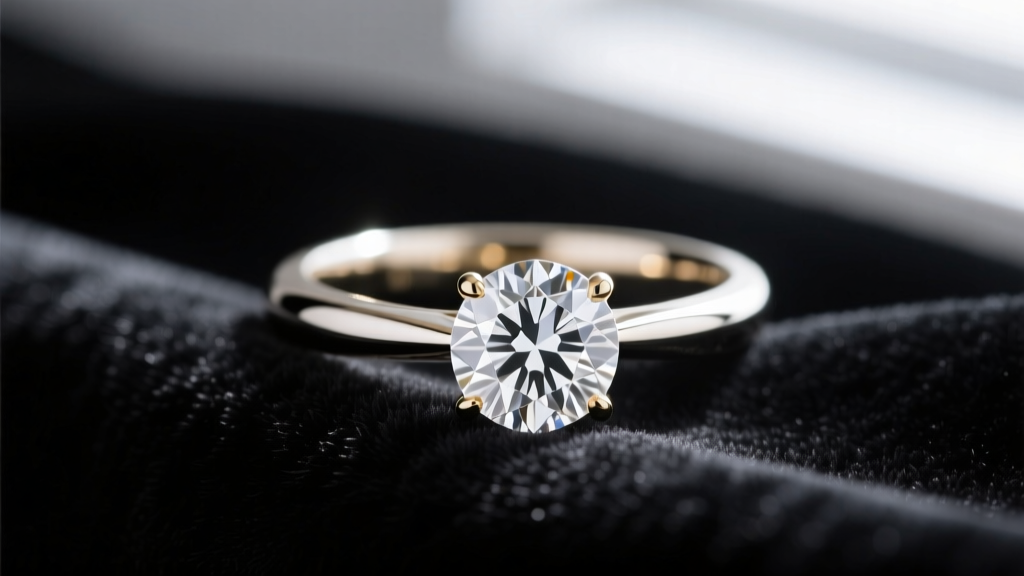
When you begin shopping for fine accessories, 18 karat white gold jewelry often stands out as the premier choice for engagement rings, luxury watches, and everyday chains. But unlike yellow gold, white gold does not exist in nature. To understand what you are buying, you must first understand the metallurgy behind it.
Pure gold (24k) is inherently yellow and far too soft for daily wear. To create 18 karat gold, jewelers mix exactly 75% pure gold with 25% alloy metals. In the case of white gold, these alloy metals are specifically chosen to 'bleach' or neutralize the yellow hue of the pure gold. According to the Gemological Institute of America (GIA), the most common whitening agents are nickel, palladium, silver, and zinc.
Nickel vs. Palladium Alloys: A Critical Distinction
Not all 18k white gold is created equal. The 25% alloy mix drastically changes the metal's properties:
- Nickel-Blended White Gold: This is the traditional, more affordable mix. Nickel adds significant hardness and durability, making it excellent for securing diamonds in prong settings. However, roughly 10% to 15% of the population has a nickel allergy, which can cause contact dermatitis (red, itchy skin) where the jewelry touches the body.
- Palladium-Blended White Gold: Palladium is a platinum-group metal. Mixing gold with palladium creates a naturally hypoallergenic, premium white gold. It is slightly softer than nickel-blended gold and has a higher melting point, making it more expensive to cast and craft, but it is the superior choice for sensitive skin.
The Rhodium Plating Reality
Here is the most important secret in the jewelry industry: even with a 25% whitening alloy, 18k white gold is not perfectly white. Left unplated, it has a pale, slightly grayish-yellow undertone. To achieve the brilliant, mirror-like silver finish you see in display cases, the jewelry is electroplated with a microscopically thin layer of rhodium.
Rhodium is a rare, incredibly hard, and highly reflective platinum-group metal. However, this plating is not permanent. A standard rhodium flash is only about 0.75 to 1.0 microns thick (for context, a human hair is about 70 microns thick). Over time, friction from clothing, natural skin oils, and environmental exposure will wear this layer away, revealing the pale yellow undertone of the 18k gold beneath.
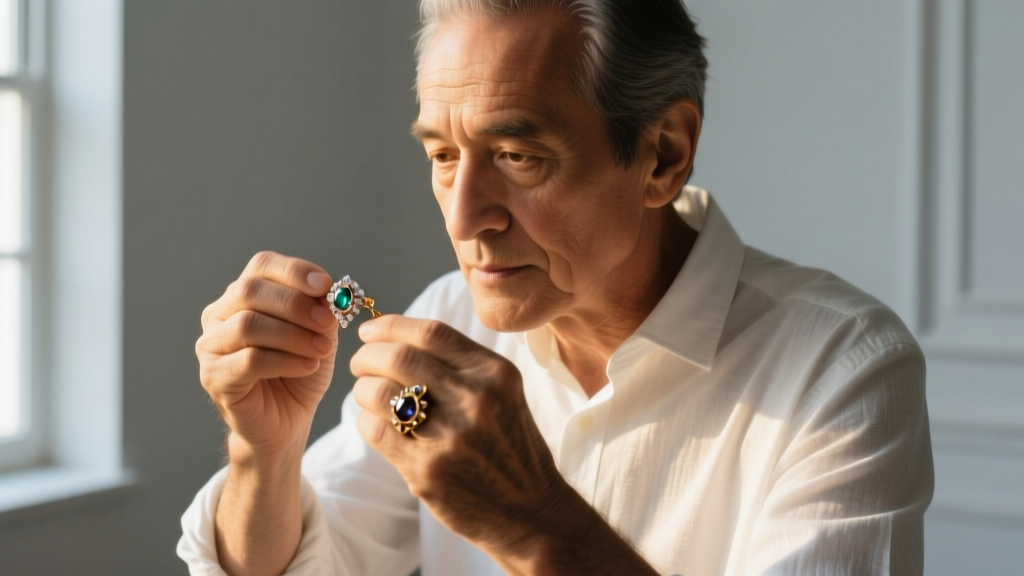
When shopping, always ask the jeweler about the plating thickness. Some high-end artisans apply a 'heavy plate' of 1.5 to 2.0 microns, which can extend the time between replating sessions from one year to three or four years, depending on your wear habits.
18k vs. 14k White Gold: A Data Comparison
Many beginners wonder if they should downgrade to 14k white gold to save money. While 14k (58.3% pure gold) is indeed cheaper and slightly harder due to the higher alloy content, 18k offers distinct advantages in color and prestige. Below is a direct comparison to help you decide.
| Feature | 18 Karat White Gold | 14 Karat White Gold |
|---|---|---|
| Pure Gold Content | 75% | 58.3% |
| Base Undertone | Pale grayish-yellow | Noticeably warmer yellow-gray |
| Rhodium Adherence | Excellent (smoother surface) | Good (slightly more porous) |
| Hardness / Scratch Resistance | Moderate (prone to micro-scratches) | High (better for high-impact wear) |
| Prestige & Resale Value | High (preferred for luxury pieces) | Moderate (standard commercial grade) |
| Approx. Ring Price Premium | +20% to 35% over 14k | Baseline |
Real-World Pricing Expectations in 2026
Understanding the current market rates prevents you from overpaying or falling for 'too good to be true' discounts. Because gold prices have remained robust through the mid-2020s, the baseline cost for 18k white gold has stabilized at a premium tier. Based on current data from Jewelers of America and market retail averages, here is what you should expect to pay for solid 18k white gold pieces (excluding gemstone markups):
- Plain Wedding Band (4mm - 6mm): $800 to $1,400
- Solitaire Engagement Ring Setting (Palladium alloy): $1,200 to $2,500
- Herringbone or Cuban Chain (18 inch, 10-15 grams): $1,500 to $2,800
- Diamond Tennis Bracelet (3 carats total weight): $5,500 to $9,000+
Note: If you see an '18k white gold' chain selling for $200, it is almost certainly gold-plated or gold-filled over a base metal, not solid 18k.
The Maintenance and Replating Framework
Owning 18 karat white gold jewelry requires a proactive maintenance mindset. To keep your pieces looking pristine and structurally sound, follow this actionable care framework:
1. The Replating Schedule
Plan to have your rings replated with rhodium every 12 to 24 months. Rings endure the most friction. Earrings and pendants, which rarely touch abrasive surfaces, may only need replating every 5 to 10 years. Expect to pay between $60 and $150 per replating session at a reputable local jeweler.
2. Avoid Stress Corrosion Cracking
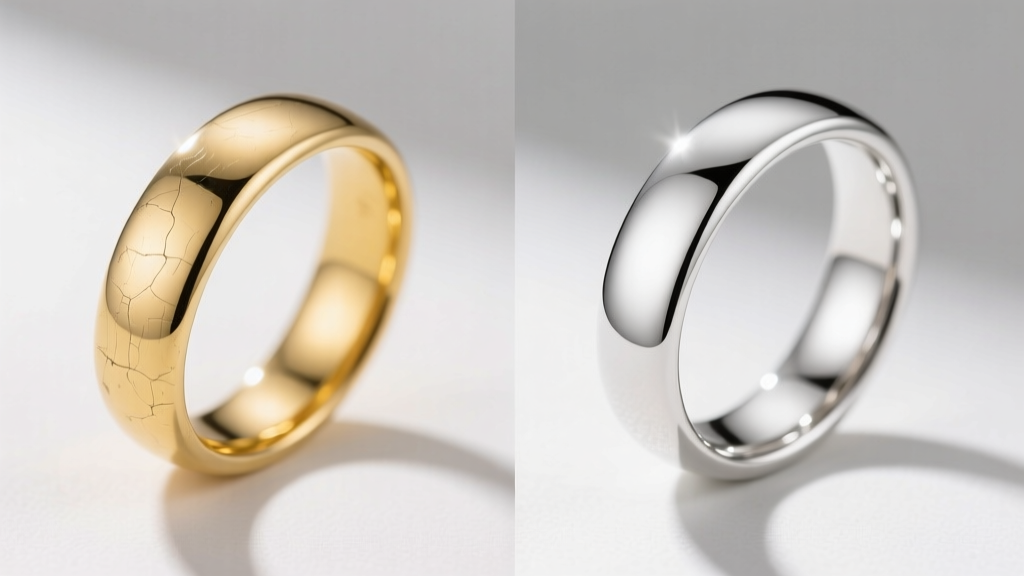
Never wear your 18k white gold in chlorinated swimming pools or hot tubs. Chlorine aggressively reacts with the 25% alloy metals (specifically copper and zinc traces), causing a metallurgical failure known as 'stress corrosion cracking.' This can cause prongs to become brittle and snap off, resulting in lost diamonds.
3. Safe Home Cleaning
Skip the harsh chemical dips. Mix a few drops of mild, phosphate-free dish soap with warm distilled water. Soak the jewelry for 15 minutes, gently brush with a baby-soft toothbrush, and pat dry with a microfiber cloth. Avoid ultrasonic cleaners if your jewelry features fracture-filled diamonds or soft gemstones like emeralds or opals.
3 Beginner Mistakes to Avoid
- Ignoring the Alloy for Sensitive Skin: If you have a known metal allergy, do not buy vintage or unverified 18k white gold without asking for an XRF (X-ray fluorescence) metal analysis to ensure it is palladium-blended, not nickel-blended.
- Over-Polishing: Every time a jeweler polishes a ring to remove scratches, they remove a microscopic layer of gold. Over-polishing an 18k ring over a decade can thin the band and weaken the setting. Opt for rhodium replating over aggressive buffing when possible.
- Confusing Vermeil with Solid Gold: 'White gold vermeil' is a marketing term for sterling silver plated with a thin layer of white gold. It holds zero intrinsic value compared to solid 18 karat white gold jewelry and will tarnish quickly.
Final Thoughts
Choosing 18 karat white gold is an investment in luxury, weight, and a rich, premium undertone that 14k simply cannot match. By understanding the alloy composition, budgeting for routine rhodium maintenance, and protecting the metal from harsh chemicals, your white gold pieces will remain brilliant and structurally sound for generations.


