A Beginner's Guide to Buying Authentic Yellow Gold Jewelry
Learn how to buy authentic yellow gold jewelry. We break down karats, alloy mixes, pricing, and hallmarks so you can shop with total confidence.

What Exactly is Yellow Gold?
When you begin shopping for fine accessories, the sheer volume of options can be overwhelming. Yellow gold jewelry remains the most classic, enduring choice, but not all gold is created equal. In its purest form, gold (24k) is a dense, heavy, and naturally yellow metal. However, pure gold is far too soft for everyday wear. If you were to craft a ring out of 24k gold, it would bend, scratch, and lose its shape within days. To solve this, metallurgists mix pure gold with other metals—creating an alloy—to increase durability and alter the color. Understanding this fundamental concept is the first step to becoming a savvy buyer.
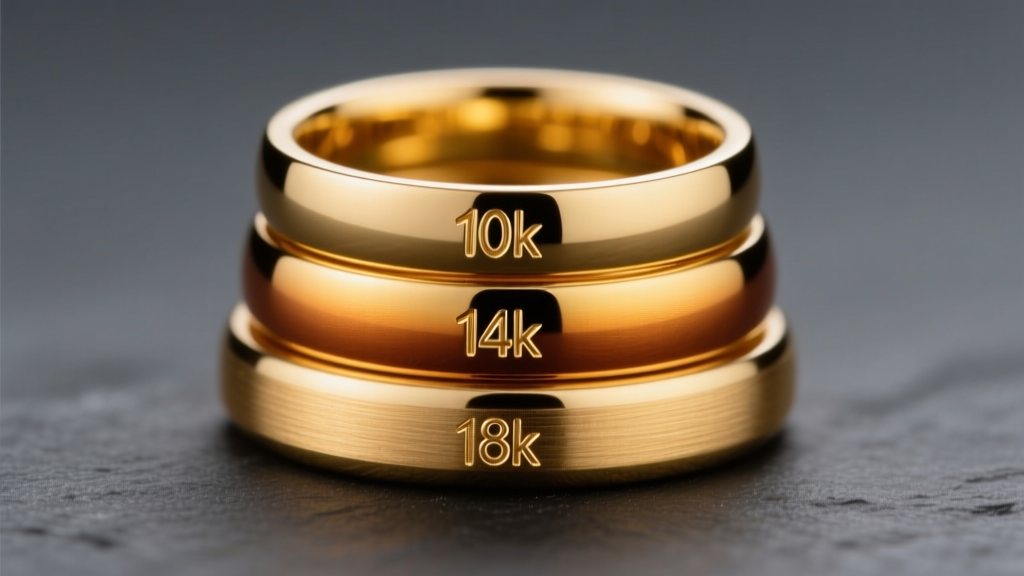
Decoding Karats: 10k, 14k, 18k, and 24k Explained
The karat (k) system measures the purity of gold on a scale of 24. According to the Gemological Institute of America (GIA), the higher the karat, the higher the percentage of pure gold in the piece. Here is how the most common karats break down for everyday jewelry:
- 10k Gold (41.7% Pure): The minimum karat that can legally be sold as solid gold in the US. It is highly durable and affordable but has a paler, slightly brassy yellow hue.
- 14k Gold (58.3% Pure): The undisputed king of the American jewelry market. It offers the perfect balance of rich yellow color, structural integrity, and reasonable pricing.
- 18k Gold (75.0% Pure): Favored in Europe and high-end luxury pieces. It boasts a deep, buttery yellow color but is softer and more prone to scratching than 14k.
- 24k Gold (99.9% Pure): Bright, almost orange-yellow. Reserved mostly for investment bullion, traditional cultural jewelry, or delicate accents that won't endure friction.
| Karat | Purity % | Common Stamp | Durability | Best Use Case |
|---|---|---|---|---|
| 10k | 41.7% | 10k, 417 | Very High | Heavy work rings, budget chains |
| 14k | 58.3% | 14k, 585 | High | Everyday rings, wedding bands, chains |
| 18k | 75.0% | 18k, 750 | Medium | Luxury watches, heirloom pieces, earrings |
| 24k | 99.9% | 24k, 999 | Very Low | Investment, cultural ceremonies |
The Secret Behind the Color: Alloy Compositions
Have you ever noticed that one 14k gold ring looks warmly yellow, while another looks slightly greenish or pale? The secret lies in the alloy recipe. While pure gold is naturally yellow, the metals added to strengthen it dictate the final shade. A classic, high-quality 14k yellow gold alloy typically consists of 58.3% gold, 25% copper, and 16.7% silver. Copper adds warmth and redness, while silver adds a slight greenish coolness. When balanced perfectly, they yield that iconic, warm yellow hue.
Mass-produced, low-quality yellow gold jewelry often looks brassy or dull because manufacturers cut costs by using higher ratios of cheap zinc and copper. If a piece of 14k gold looks almost like rose gold, it has too much copper. If it looks washed out, it likely contains excess zinc or silver. Always inspect the color under natural sunlight before purchasing.
How to Spot Fake Yellow Gold Jewelry
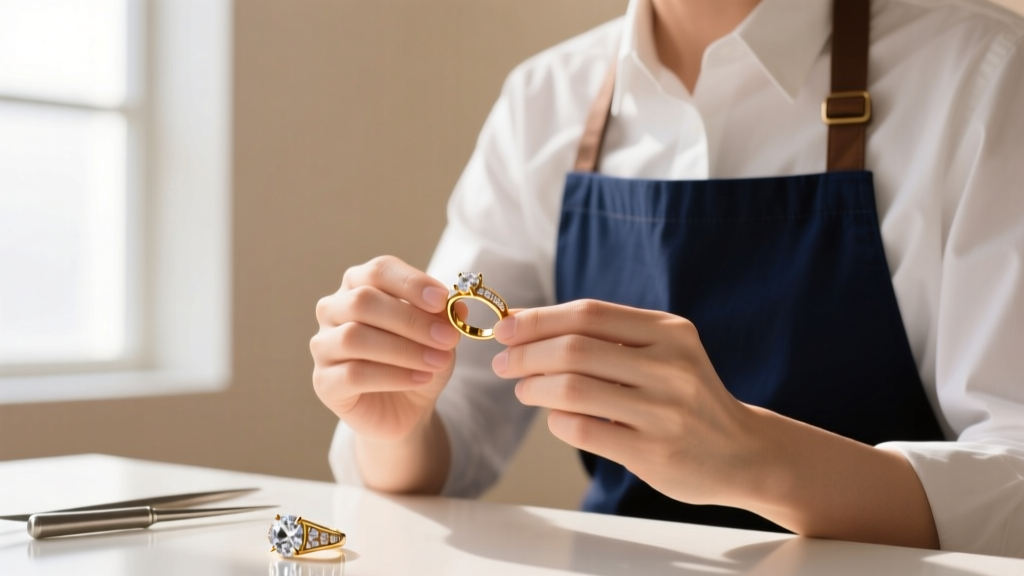
The secondary market and online marketplaces are flooded with counterfeit gold. As a beginner, you must learn to read hallmarks and perform basic physical tests to protect your investment.
The Hallmark Check
The Federal Trade Commission (FTC) Jewelry Guides strictly regulate how gold is stamped in the United States. A legitimate piece of solid yellow gold jewelry will bear a stamp indicating its karat (10k, 14k, 18k) or its millesimal fineness (417, 585, 750). However, you must look out for deceptive letters accompanying these numbers:
- GP (Gold Plated): A microscopic layer of gold over a base metal. It will wear off quickly.
- GF (Gold Filled): A thicker layer of gold mechanically bonded to brass. Excellent for budget buyers, but it is not solid gold and cannot be melted down or sized easily.
- HGE (Heavy Gold Electroplate): A slightly thicker plating, but still just a surface treatment.
If you see "14k GP" or "14k GF," you are not buying solid yellow gold jewelry.
The Magnet and Skin Tests
Gold is diamagnetic, meaning it should have absolutely zero attraction to a magnet. If you hold a strong neodymium magnet to your chain and it pulls or sticks, the piece contains a ferromagnetic core like iron, nickel, or cobalt. While some white gold alloys contain nickel, authentic yellow gold should never trigger a magnetic response.
Additionally, beware of the "green skin" phenomenon. This is not an allergy to gold, but a chemical reaction between the copper/zinc alloys in low-karat gold (like 10k) and the acids, sweat, and lotions on your skin. 18k yellow gold rarely causes this because it contains 75% pure gold. If you have high skin acidity, stick to 14k or 18k to avoid the dreaded green tint.
The Pricing Framework: What Should You Actually Pay?
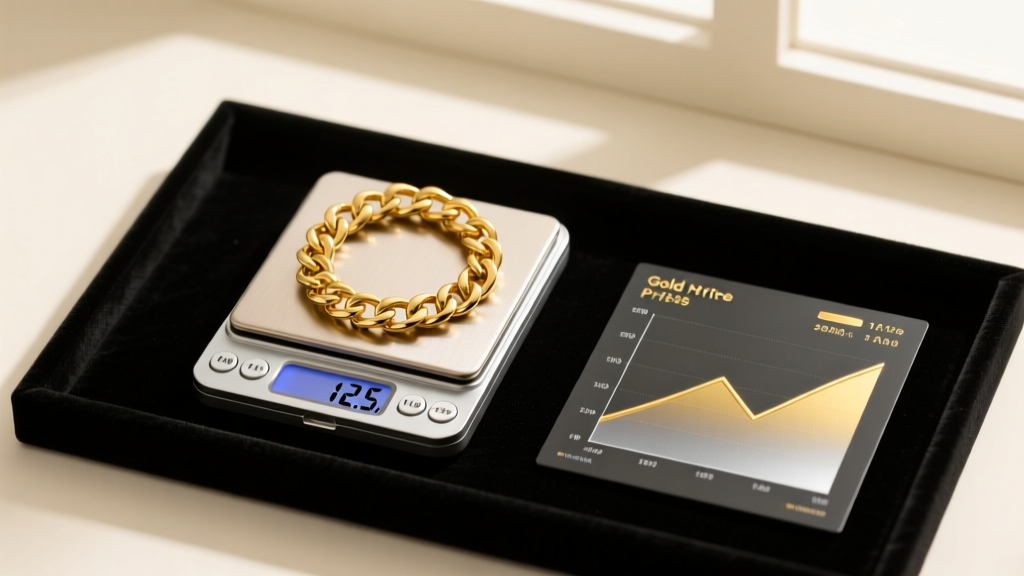
One of the most common beginner mistakes is overpaying for gold due to brand markups, or underpaying and falling for a scam. To shop smart, you need to understand the "melt value" pricing formula. Gold is traded globally in troy ounces (31.1 grams). You can check the daily spot price on sites like the World Gold Council.
The Melt Value Formula:
(Current Spot Price ÷ 31.1) × Purity Percentage × Weight in Grams = Raw Melt Value
Let us run a real-world scenario. Assume the global spot price of gold is $2,000 per troy ounce. The raw material cost of one gram of pure 24k gold is roughly $64.30. If you are buying a 10-gram 14k gold chain, the pure gold content is 5.83 grams (10 grams × 0.583). Multiplying 5.83 grams by $64.30 gives you a melt value of $374.87.
A reputable jeweler will charge a premium on top of this melt value to cover manufacturing, labor, and retail overhead. A fair retail price for a simple, solid 10-gram 14k chain might range from $550 to $750. If a seller offers it for $150, it is likely hollow, gold-plated, or stolen. If they charge $1,500, you are paying an exorbitant luxury brand markup. Always weigh the piece and calculate the melt value before handing over your credit card.
Final Advice for First-Time Buyers
Buying your first piece of authentic yellow gold jewelry is a milestone. To ensure longevity, prioritize 14k or 18k gold for items that will endure daily friction, like rings and bracelets. For earrings and pendants, which face less wear and tear, you can safely opt for higher karats or more intricate, delicate designs. Always purchase from established jewelers who provide a clear return policy and a detailed receipt stating the exact karat, weight, and alloy composition of your piece. Armed with this metallurgical and financial knowledge, you can confidently build a gold collection that will last a lifetime.


