How to Clean and Maintain 14k Gold Permanent Jewelry
Learn how to clean, maintain, and protect your 14k gold permanent jewelry. Expert tips on washing, avoiding tarnish, and keeping your welded chain bright.

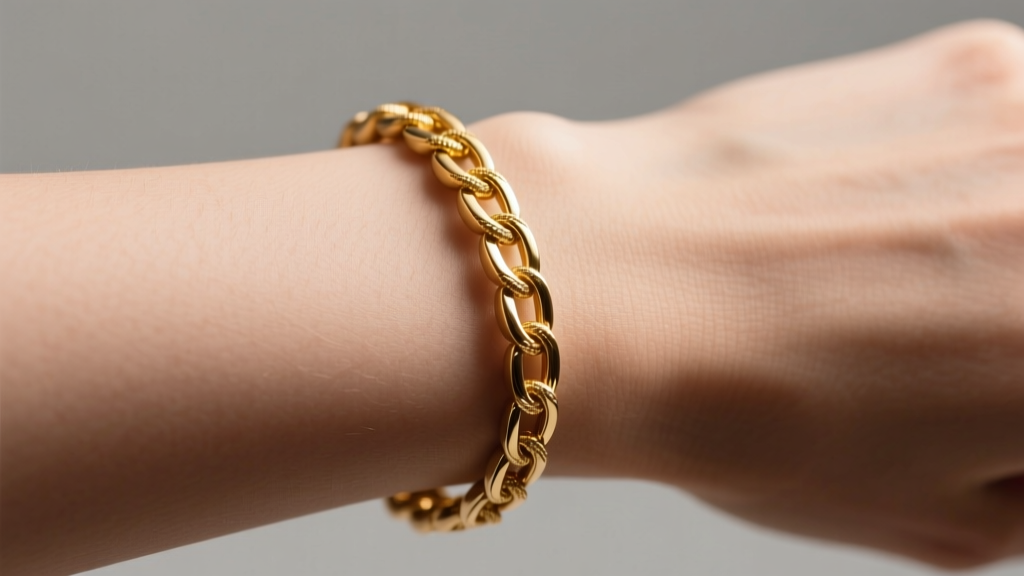
Permanent jewelry has fundamentally changed how we wear and interact with our favorite accessories. By replacing traditional clasps with a seamless micro-weld, these pieces offer a minimalist, uninterrupted aesthetic that feels like a second skin. However, the "permanent" nature of these pieces introduces unique maintenance challenges. Because you cannot simply unclasp your bracelet or anklet before showering, swimming, or applying skincare, your jewelry is subjected to continuous environmental exposure.
When it comes to 14k gold permanent jewelry, understanding the metallurgy of the alloy and the structural nuances of the pulse-arc weld is critical for longevity. While 14k gold is highly durable and resistant to bending, it is not entirely immune to chemical reactions, surface dullness, or micro-abrasions. In this comprehensive guide, we break down the exact science of 14k gold care, providing actionable, expert-level routines to keep your welded chains looking as brilliant as the day they were fused.
The Metallurgy of 14k Gold: Why It Tarnishes and Dulls
To properly care for your jewelry, you must first understand what it is made of. Pure 24k gold is completely inert and will never tarnish, but it is far too soft for permanent jewelry chains, which require high tensile strength to withstand daily pulling and snagging. According to the Gemological Institute of America (GIA), 14k gold consists of 58.3% pure gold and 41.3% alloy metals—typically a precise mixture of copper, silver, and zinc.
These alloy metals are the Achilles' heel of your jewelry's shine. Copper provides the warm hue and structural integrity, but it is highly reactive to sulfur and chlorine. Silver can oxidize when exposed to airborne pollutants, and zinc can react to acidic environments. When you wear a permanent bracelet 24/7, the natural oils from your skin, combined with environmental sulfur and household chemicals, create a microscopic layer of grime and copper sulfide. This manifests not as black tarnish (which is common in sterling silver), but as a gradual, muddy dullness that robs the gold of its light-reflecting properties.
Daily Maintenance: Navigating Environmental Hazards
The primary difference between caring for a traditional clasp bracelet and 14k gold permanent jewelry is the inability to easily remove it before exposure to harsh elements. Because the piece is welded directly onto your body, your maintenance strategy must focus on mitigation and immediate neutralization rather than avoidance. Below is a breakdown of common environmental hazards and how they interact with the specific alloy composition and the micro-weld joint of your chain.
| Environmental Factor | Chemical Interaction | Impact on 14k Permanent Jewelry | Mitigation Strategy |
|---|---|---|---|
| Chlorine (Pools/Hot Tubs) | Reacts aggressively with copper and zinc alloys. | Causes stress corrosion cracking, specifically weakening the micro-weld joint. | Rinse thoroughly with fresh, warm water immediately after exposure. |
| Spray Tans & Self-Tanners | DHA (dihydroxyacetone) reacts with copper alloys. | Causes rapid, localized green/black discoloration on the chain links. | Apply with a mitt, avoid direct spraying, and wash chain with soap immediately. |
| Heavy Lotions & Sunscreens | Emulsifiers and oils trap dead skin cells against the metal. | Creates a waxy, opaque film that dulls the gold and traps moisture against the skin. | Wash the chain daily with a mild degreasing dish soap. |
| Sulfur (Hot Springs) | Binds with copper/silver to form sulfide compounds. | Results in a dark, stubborn tarnish that penetrates the porous weld zone. | Avoid wearing in natural hot springs; seek professional polishing if exposed. |
Step-by-Step Cleaning Routine for Welded Chains
Many jewelry owners make the mistake of using harsh commercial silver dips or abrasive polishing pastes on their gold. According to Jewelers of America, these chemicals are far too aggressive for 14k gold alloys and can strip the polished finish, leaving a matte, scratched surface. Furthermore, abrasive pastes can accumulate in the tiny crevices of the chain links and the micro-weld joint, leading to long-term degradation.
For safe, effective, and routine cleaning of 14k gold permanent jewelry, follow this expert-approved manual cleaning protocol:
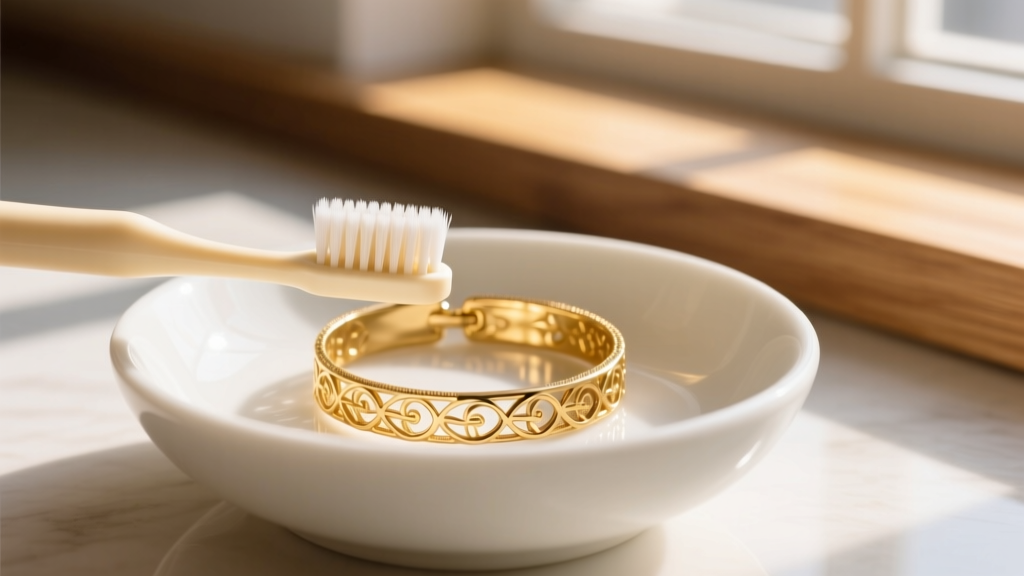
- Step 1: The Degreasing Soak. Fill a small ceramic bowl with warm (not hot) water and add three drops of a mild, phosphate-free degreasing dish soap (original blue Dawn is the industry standard for jewelry degreasing). Allow your wrist or ankle to soak for 3 to 5 minutes. This softens the sebum, lotion, and environmental grime trapped between the links.
- Step 2: The Micro-Scrub. Using a brand-new, extra-soft baby toothbrush, gently brush the chain. Focus on the underside of the links where they rest against your skin. Brush in the direction of the chain links to avoid bending delicate cable or rope chains.
- Step 3: The Rinse. Rinse the jewelry thoroughly under lukewarm running water. Ensure the drain is securely plugged to prevent any accidental loss if a weak link gives way.
- Step 4: The Dry. Pat the chain dry with a clean, lint-free microfiber cloth. Avoid paper towels, as the wood pulp fibers can cause micro-scratches on high-polish 14k gold surfaces.
Protecting the Micro-Weld Joint
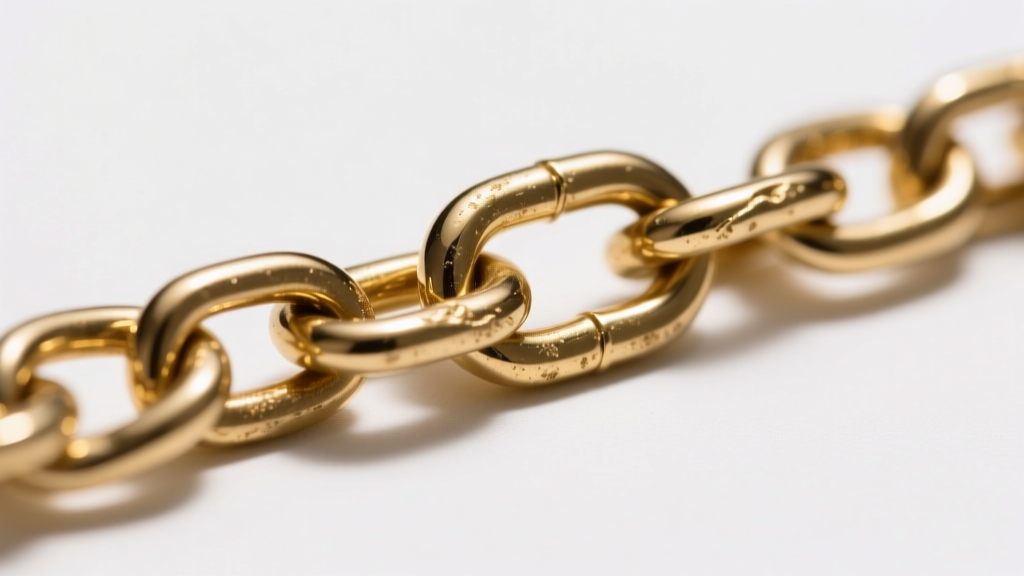
The weld joint is the single most vulnerable point on any piece of permanent jewelry. Jewelers typically use an argon-gas-shielded pulse arc welder (such as the Orion Pulse) to fuse the two end links together. This process melts the 14k gold at a microscopic level, creating a tiny, solid bead of metal. Because this bead is a localized heat-affected zone, it has a slightly different crystalline structure than the drawn wire of the chain.
Never use ultrasonic cleaners on permanent jewelry without consulting your original jeweler. While solid 14k gold can generally withstand ultrasonic frequencies, the high-frequency cavitation bubbles can create microscopic stress fractures in the heat-affected weld zone over time, eventually leading to a clean break. Stick to manual, soft-bristle cleaning to preserve the structural integrity of the weld.
Troubleshooting Common Permanent Jewelry Issues
Even with meticulous care, continuous wear can lead to specific issues unique to welded jewelry. Here is how to troubleshoot the most common complaints:
1. The Chain is Snagging on Hair and Knits
If your chain suddenly begins catching on your hair or sweaters, the micro-weld joint has likely developed a microscopic burr. This happens if the welder used too high of a voltage, leaving a sharp edge on the fused link, or if the joint was bumped against a hard surface. The Fix: Do not attempt to file it yourself with a nail file or emery board. Take it back to your jeweler; they can use a fine jeweler's file and a polishing wheel to smooth the weld bead in under two minutes.
2. Green Discoloration on the Skin
Waking up with a green ring around your wrist does not mean your jewelry is fake. It means the copper in the 14k alloy is oxidizing due to an acidic skin pH, heavy sweating, or a reaction to a new skincare acid (like glycolic or salicylic acid). The Fix: Wash the chain and your skin with a gentle, pH-balanced soap. If you live in a highly humid climate or sweat heavily during workouts, wipe the chain down with a slightly damp microfiber cloth infused with a drop of rubbing alcohol once a week to neutralize the acidity.
3. The Chain Looks Stretched or Warped
Delicate chains (under 1.2mm in thickness) can stretch if caught on a door handle or heavy clothing. Because the chain is a continuous loop, a stretch in one area creates uneven tension across the entire piece, putting immense strain on the weld joint. The Fix: If the chain has visibly elongated or warped, it must be cut and re-welded. Continuing to wear a stretched chain will inevitably result in a sudden snap.
When to See Your Jeweler for Professional Maintenance
While daily maintenance keeps your 14k gold permanent jewelry bright, professional maintenance is required for long-term preservation. Every 12 to 18 months, schedule a check-up with your jeweler. They will inspect the weld joint under a 10x jeweler's loupe to check for stress fractures, verify that the links adjacent to the weld are not thinning from friction, and perform a professional high-speed polishing to remove micro-scratches that accumulate from daily wear.
"Permanent jewelry is an investment in continuous wear, but 'permanent' does not mean 'invincible.' Treating the micro-weld with the same respect you would a prong on a diamond ring is the secret to making your 14k gold chain last a lifetime."
By understanding the chemical sensitivities of 14k gold alloys and adopting a gentle, consistent cleaning routine, your permanent jewelry will remain a seamless, gleaming extension of your personal style for years to come.


