Does 14k Gold Filled Jewelry Tarnish? Troubleshooting & Care
Does 14k gold filled jewelry tarnish? Learn the science behind gold-filled oxidation, how to diagnose brass bleed-through, and expert restoration steps.

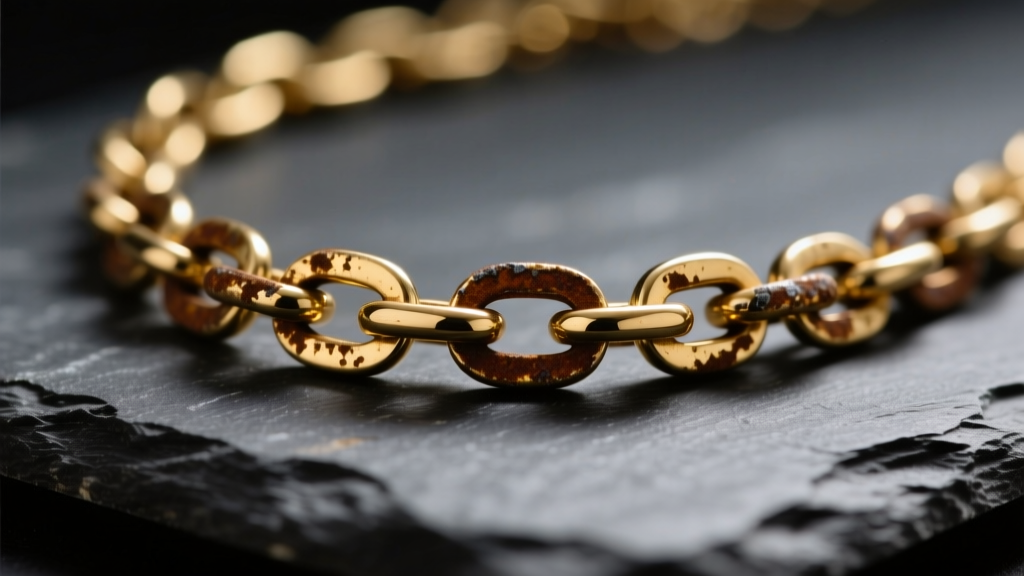
When investing in demi-fine jewelry, one of the most common questions we receive at Jewel Style Radar is: does 14k gold filled jewelry tarnish? The short answer is yes, but not in the same way or at the same speed as gold-plated or sterling silver pieces. Gold-filled jewelry is highly durable, but it is not impervious to environmental factors, chemical exposure, or friction.
Unlike solid 14k gold, which can take decades to show significant oxidation, gold-filled items consist of a brass or copper core mechanically bonded to a thick outer layer of 14k gold. When that outer layer is compromised, or when the alloy metals within the 14k gold react to harsh chemicals, tarnish occurs. In this comprehensive troubleshooting guide, we will dissect the mechanics of gold-filled tarnish, provide a diagnostic framework to identify the damage, and outline professional-grade restoration techniques.
The Science of Gold-Filled Tarnish
To troubleshoot tarnish, you must first understand the metallurgy of your jewelry. By U.S. Federal Trade Commission (FTC) standards, 14k gold-filled jewelry must contain at least 5% (or 1/20th) of 14k gold by weight, bonded via heat and pressure to a base metal core—usually jeweler's brass (an alloy of copper and zinc).
Pure 24k gold does not tarnish because it is highly unreactive. However, 14k gold is only 58.3% pure gold. The remaining 41.7% consists of alloy metals like copper, silver, and zinc, which are added for durability. These alloy metals are susceptible to oxidation when exposed to sulfur, chlorine, and moisture.
Three Primary Causes of Tarnish
- Chemical Exposure: Chlorine in swimming pools, sulfur in hot springs, and harsh household cleaners can rapidly oxidize the copper and zinc alloys in the 14k gold layer, creating a dark brown or black film.
- Friction and Micro-Abrasions: Daily wear, especially on rings and bracelets, creates microscopic scratches. Over time, this wear can thin the outer gold layer, exposing the brass core beneath, which tarnishes green or brown almost instantly upon contact with air and skin oils.
- Cosmetic Build-Up: Lotions, perfumes, and sweat create an acidic film on the jewelry. This film traps moisture against the metal, accelerating the oxidation process of the alloy metals.

Diagnostic Framework: Tarnish vs. Wear
Before attempting to clean your jewelry, you must determine whether you are dealing with surface oxidation (tarnish) or structural wear (brass bleed-through). Treating exposed brass with tarnish removers will not restore the gold color and can actually worsen the damage.
| Visual Symptom | Diagnosis | Reversibility |
|---|---|---|
| Uniform dullness or slight darkening across the entire piece. | Surface oxidation of 14k alloy metals or cosmetic film buildup. | Highly Reversible |
| Dark brown or black patches in crevices and chain links. | Trapped sulfur or chlorine reacting with copper/silver alloys. | Reversible with deep cleaning |
| Reddish-brown or brassy spots on high-friction areas (e.g., inside of a ring band). | Brass core exposure due to mechanical wear. | Irreversible (Requires re-plating) |
| Green residue left on the skin. | Copper in the brass core reacting to acidic sweat pH. | Reversible (Clean and seal) |
Step-by-Step Troubleshooting & Restoration
Once you have diagnosed the issue, follow these targeted restoration protocols. According to gemological best practices outlined by the Gemological Institute of America (GIA), gentle mechanical action is always preferred over harsh chemical dips for layered metals.
Level 1: Removing Cosmetic Buildup and Light Oxidation
For general dullness, avoid commercial "gold dip" cleaners, which often contain thiourea—a toxic chemical that can strip the microscopic outer layers of gold-filled items over time.
- The Soak: Mix 3 drops of mild, phosphate-free dish soap (like Dawn) into a bowl of lukewarm distilled water. Tap water contains chlorine and minerals that can exacerbate tarnish.
- The Agitation: Submerge the jewelry for 10 to 15 minutes. Use an extra-soft baby toothbrush to gently brush the crevices. Never use stiff-bristled brushes, which will scratch the 14k gold layer.
- The Dry: Rinse under distilled water and immediately pat dry with a lint-free microfiber cloth. Air-drying allows water spots to form, which can etch into the metal over time.
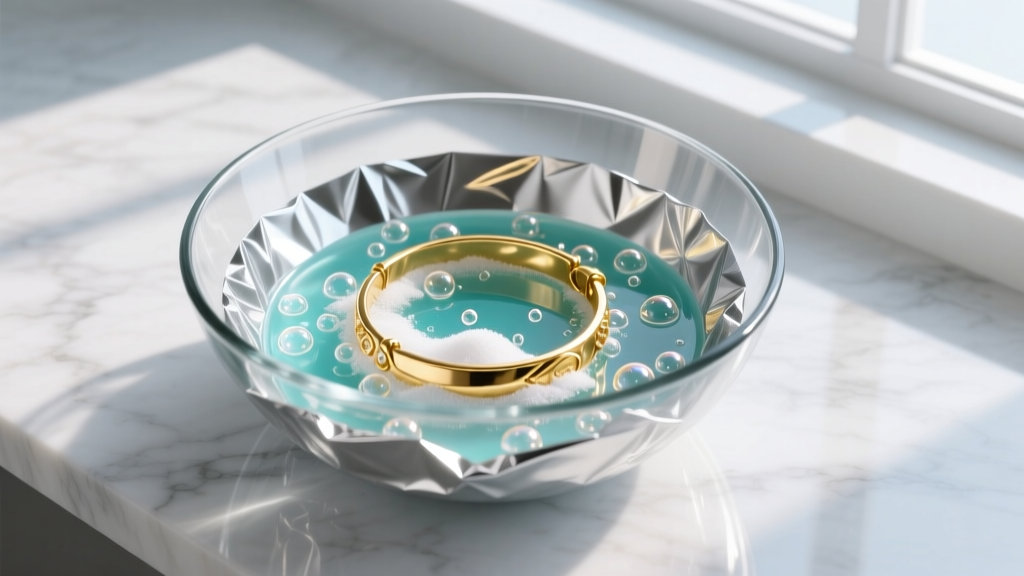
Level 2: The Aluminum Foil Electrochemical Bath
If your 14k gold-filled chain or plain band has developed stubborn dark patches, you can use an electrochemical reaction to reverse the oxidation without removing any gold. Note: Do not use this method on jewelry with porous gemstones like pearls, opals, or turquoise.
- Line a glass bowl with aluminum foil, shiny side facing up.
- Place the tarnished jewelry on the foil, ensuring it touches the metal.
- Sprinkle 1 tablespoon of baking soda and 1 tablespoon of sea salt over the jewelry.
- Pour boiling water into the bowl until the jewelry is submerged. You will see bubbling as the sulfur transfers from the gold to the aluminum.
- Leave for exactly 2 to 3 minutes, then remove with wooden tongs, rinse thoroughly, and buff dry.
Level 3: Addressing Brass Bleed-Through
If your diagnostic check reveals that the brass core is exposed (indicated by a distinct reddish-copper color), no amount of cleaning will restore the gold hue. The structural integrity of the gold layer has been compromised.
- The DIY Band-Aid: For rings causing green skin due to inner-band wear, clean the ring thoroughly and apply a thin coat of clear, hypoallergenic nail polish to the inside of the shank. This creates a temporary barrier between the brass and your skin's acidity.
- The Professional Fix: Take the piece to a local jeweler for electroplating. They can clean, polish, and flash-plate the item with a fresh layer of 14k gold. Expect to pay between $45 and $85 for this service, which effectively resets the lifespan of the piece.
Preventative Maintenance Protocols
As detailed in industry care guides by the Jewelers Vigilance Committee, extending the life of gold-filled jewelry requires proactive environmental management. Implement these three rules to prevent tarnish before it starts:
1. The "Last On, First Off" Rule
Always put your gold-filled jewelry on after applying perfumes, hairsprays, and lotions. Conversely, remove it first when undressing to prevent snagging and exposure to cosmetic residues.
2. Climate-Controlled Storage
Store pieces in an airtight ziplock bag with a silica gel desiccant packet to control humidity. For added protection, include an anti-tarnish strip (such as 3M Anti-Tarnish Strips), which actively absorbs airborne sulfur compounds that cause oxidation.
3. The Post-Swim Protocol
If your jewelry is accidentally exposed to chlorinated pool water or salt water, do not wait until you get home to clean it. Immediately rinse the piece under fresh, clean water and dry it with a soft cloth. Chlorine is highly corrosive to the copper alloys in 14k gold and can cause irreversible pitting within hours.
Final Verdict: Is Gold-Filled Worth the Maintenance?
So, does 14k gold filled jewelry tarnish? Yes, but with proper diagnostic troubleshooting and routine care, a high-quality 14k gold-filled piece can easily last 10 to 30 years without requiring professional re-plating. By understanding the difference between surface oxidation and structural wear, you can confidently maintain your demi-fine collection, ensuring it remains a brilliant, cost-effective alternative to solid gold for decades to come.


