Dreaming About Gold Jewelry: A Metallurgical Reality Check
Dreaming about gold jewelry? Discover the metallurgical reality of karats, alloys, and hardness to choose pieces that match your lifestyle and budget.

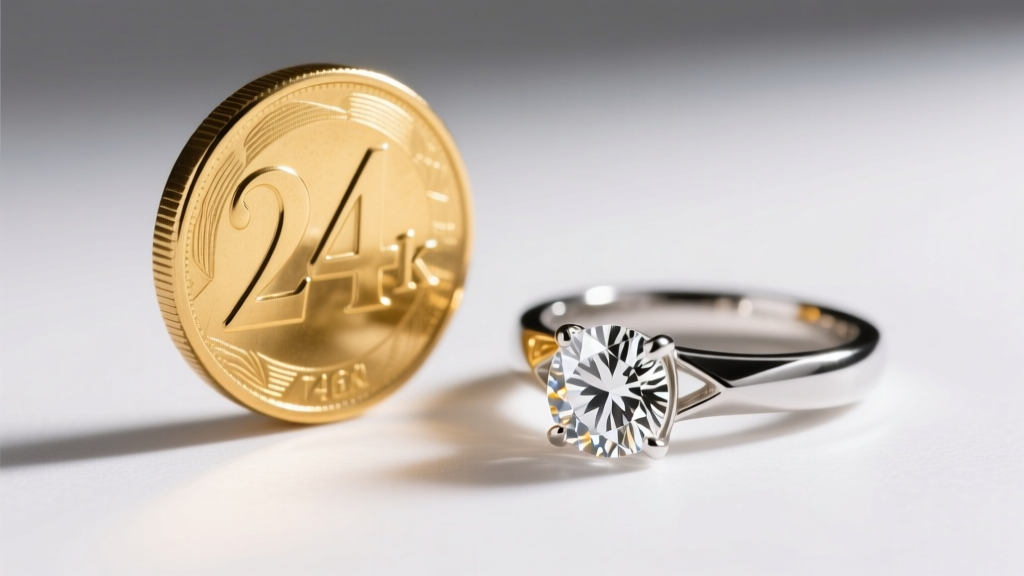
When dreaming about gold jewelry, most of us envision a flawless, untarnished metal that gleams with eternal perfection. We picture heavy, pure gold chains that never scratch, and bright white gold rings that maintain their mirror-like finish for decades. However, the realm of metallurgy operates under strict physical laws that often clash with our idealized visions. To make informed purchasing decisions, you must bridge the gap between the romantic dream of gold and the scientific reality of its material properties.
Gold, in its purest form, is a remarkably dense but incredibly soft transition metal. To transform it into durable jewelry, it must be alloyed with other elements. This guide deconstructs the material science behind your favorite gold pieces, examining Vickers hardness, alloy compositions, and the hidden maintenance costs of different gold colors.
The 24-Karat Illusion: Why Pure Gold Fails the Daily Wear Test
The ultimate dream for many collectors is 24-karat (24k) gold, which is 99.9% pure. Its rich, saturated yellow-orange hue is unmistakable and highly prized in investment-grade bullion and certain cultural bridal traditions. However, from a structural engineering perspective, 24k gold is a nightmare for daily wear.
Pure gold measures a mere 25 on the Vickers Hardness (HV) scale. To put that into perspective, a human fingernail is roughly 2.5 on the Mohs scale, but pure gold is so malleable that it can be bent, dented, and deformed by simple manual pressure. A 24k gold ring will lose its perfect circular shape within weeks of daily wear, and prongs holding gemstones will eventually stretch and release their tension, leading to lost diamonds. According to the Gemological Institute of America (GIA), pure gold's extreme ductility makes it entirely unsuitable for rings, bracelets, or any jewelry subject to impact or friction.
Alloy Engineering: 18k vs. 14k vs. 10k
To achieve the durability required for jewelry, gold is alloyed with metals like copper, silver, zinc, and palladium. The karat system dictates the ratio of pure gold to these alloying metals. Below is a comparative breakdown of the structural properties and current market realities of the most common karats.
| Karat | Purity (%) | Vickers Hardness (HV) | Primary Alloying Metals | Best Use Case |
|---|---|---|---|---|
| 24k | 99.9% | ~25 HV | None (Pure Gold) | Investment, occasional-wear pendants |
| 18k | 75.0% | ~125 HV | Copper, Silver, Palladium | Engagement rings, luxury heirlooms |
| 14k | 58.3% | ~160 HV | Copper, Silver, Zinc | Daily wear rings, active lifestyle bands |
| 10k | 41.7% | ~190 HV | Copper, Silver, Nickel | Budget-friendly, high-impact pieces |
While 18k gold offers the best compromise between rich color and structural integrity, 14k gold remains the undisputed champion of durability for active lifestyles. The higher copper and zinc content in 14k gold increases its tensile strength, making it highly resistant to scratching and deformation. However, this comes at the cost of a slightly paler yellow hue compared to 18k.
White Gold vs. Platinum: The Rhodium Plating Reality
One of the most common misconceptions occurs when consumers are dreaming about gold jewelry in a bright, silvery-white color. The reality is that white gold does not naturally exist. It is created by alloying yellow gold with white metals like nickel, palladium, or silver. Even with these alloys, the resulting metal has a pale, greyish-yellow tint.
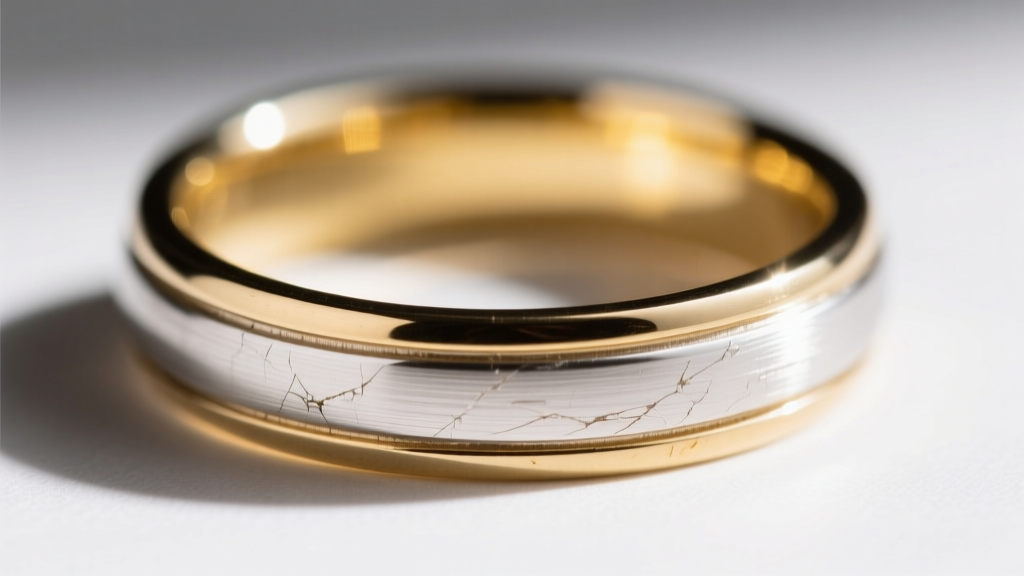
To achieve the brilliant, mirror-like chrome finish seen in jewelry store displays, white gold is electroplated with a microscopic layer of rhodium, a rare platinum-group metal. This plating is typically only 0.75 to 1.0 microns thick. With daily friction, this rhodium layer will inevitably wear away, usually within 12 to 24 months, revealing the yellowish-grey alloy beneath.
Expert Insight: If you want a white metal that requires zero maintenance and will never change color, bypass white gold entirely and invest in Platinum (usually 95% pure, alloyed with ruthenium). If you prefer white gold, seek out palladium-white gold. While more expensive and difficult for jewelers to cast, it is naturally whiter and does not require rhodium plating, nor does it contain nickel, which is a common allergen.
The Hidden Costs of White Gold Maintenance
When budgeting for a white gold piece, you must factor in the lifecycle cost of rhodium re-plating. Depending on your geographic location and the jeweler's expertise, a professional rhodium dip costs between $50 and $150 per session. Over a 50-year marriage, the maintenance cost of a white gold ring can easily exceed the initial premium you would have paid for a platinum alternative.
Rose Gold and the Copper Conundrum
The vintage, romantic appeal of rose gold has dominated jewelry trends for the last decade. The pinkish hue is achieved by significantly increasing the copper content in the alloy. A standard 18k rose gold recipe consists of 75% pure gold, 22.25% copper, and 2.75% silver.
While copper provides a beautiful color and excellent tensile strength, it introduces two distinct material challenges:
- Oxidation and Patina: Copper is a reactive metal. Over time, exposure to oxygen, sweat, and environmental chemicals will cause the copper in rose gold to oxidize. This results in a darker, slightly brownish patina. While some collectors love this vintage look, others view it as tarnish that requires professional polishing.
- Metallurgical Allergies: Copper and the trace nickel sometimes used in rose gold alloys can trigger contact dermatitis in sensitive individuals. If you have a known base-metal allergy, 18k rose gold is generally safer than 14k, as the higher pure gold content leaves less room for reactive alloying metals.
According to market data from the World Gold Council, while yellow gold remains the global standard for investment and traditional jewelry, the demand for rose gold alloys has stabilized as consumers better understand its specific aesthetic and material trade-offs.
Decoding Hallmarks: What Your Dream Piece Actually Contains
When you finally transition from dreaming about gold jewelry to purchasing it, the hallmark stamp is your only guarantee of material composition. However, not all stamps are created equal, and understanding international hallmarking laws is crucial for verifying authenticity.
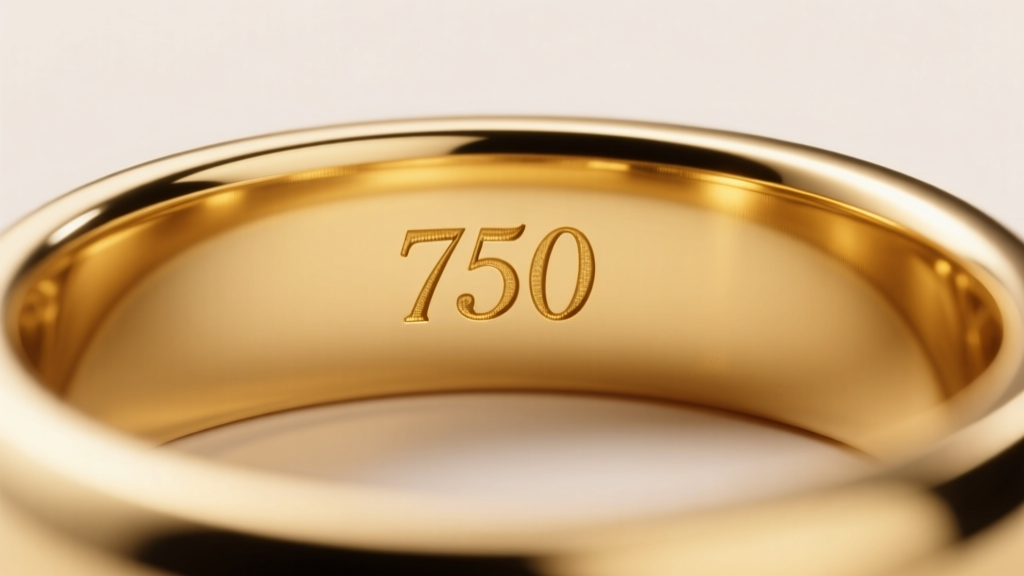
In the United States, the National Stamping Act requires that any piece marked with a karat stamp (e.g., 14k) must be within a 3/1000th tolerance of that purity. However, a karat stamp without a registered manufacturer's trademark is essentially unverified. Always look for a secondary, tiny stamp indicating the maker.
European vs. American Stamping Systems
If you are buying vintage or imported jewelry, you will encounter the millesimal fineness system, which denotes parts per thousand rather than 24th parts (karats).
- 750: Equivalent to 18k gold (75% pure). Standard in France, Italy, and Switzerland.
- 585: Equivalent to 14k gold (58.5% pure). Common in Germany and Eastern Europe.
- 417: Equivalent to 10k gold (41.7% pure). The minimum standard to be legally called 'gold' in the US.
Beware of deceptive stamps such as '18k HGE' (Heavy Gold Electroplate) or '14k GF' (Gold Filled). These indicate that the core material is a base metal like brass or copper, merely coated with a microscopic or bonded layer of gold. They possess none of the intrinsic melt value or heirloom longevity of solid gold alloys.
The Verdict: Aligning Your Dreams with Material Science
Dreaming about gold jewelry is an exercise in aesthetics and emotion, but buying it requires an understanding of physics and chemistry. If your priority is a rich, hypoallergenic yellow hue for a special occasion piece, 18k gold is the optimal choice. If you need a rugged, scratch-resistant band for manual labor or sports, 14k gold provides the necessary Vickers hardness. If you desire a permanent white metal without the recurring cost of rhodium plating, pivot your dream toward platinum or palladium-white gold.
By respecting the metallurgical realities of karats, alloy compositions, and plating thicknesses, you can select gold jewelry that not only fulfills your aesthetic dreams but also survives the physical demands of reality.