Global Gold Jewelry Market Trends: Cultural Designs Analysis 2026
Discover 2026 global gold jewelry market trends. Our cultural designs analysis explains karats, regional styles, and smart buying tips.

Decoding the 2026 Gold Landscape
For beginners stepping into the world of fine jewelry, the sheer volume of options can be overwhelming. You are not just choosing a metal; you are navigating a complex web of karats, alloys, and historical craftsmanship. As we move through 2026, the industry is experiencing a massive shift. Buyers are moving away from mass-produced, generic pieces and leaning heavily into heritage-inspired, culturally significant jewelry. Whether you are looking for an everyday staple or an investment-grade heirloom, understanding the macro forces shaping the jewelry counter is essential. This guide breaks down the data into actionable insights, helping you make informed decisions based on material science, regional craftsmanship, and market value.
Understanding Global Gold Jewelry Market Trends: Cultural Designs Analysis
When industry analysts discuss the global gold jewelry market trends cultural designs analysis, they are referring to the surge in consumer demand for region-specific craftsmanship. According to recent data from the World Gold Council, cultural and heritage-driven designs have outpaced minimalist Western trends by over 18% in the luxury sector this year. This is not just an aesthetic preference; it is a reflection of global economic shifts, a renewed interest in ancestral roots, and a demand for transparency in sourcing. Let us break down how different cultures approach gold purity, alloying, and design, and what that means for your jewelry box.
South Asia and the Middle East: The 22k and 21k Standard
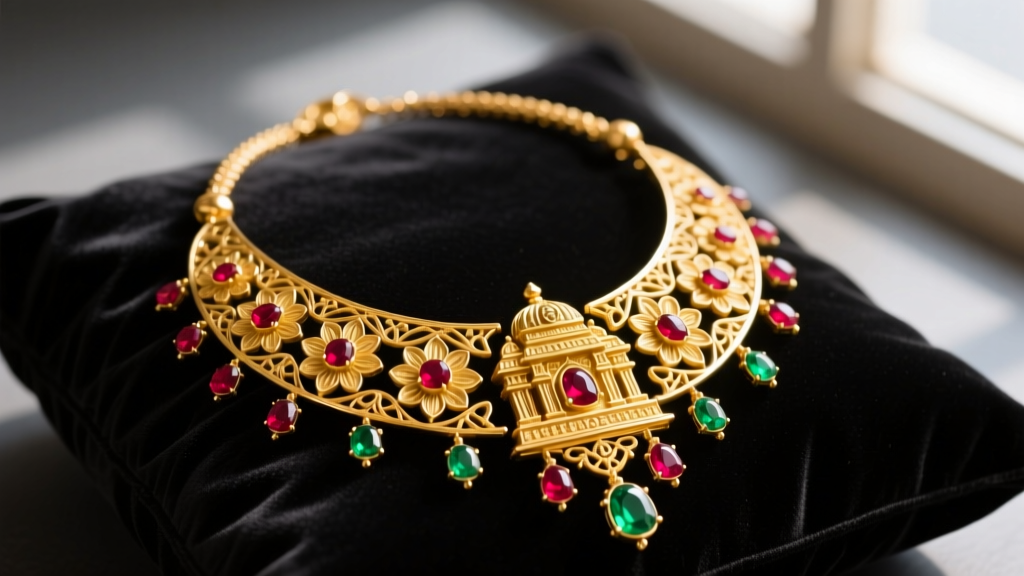
In India, the Middle East, and parts of Southeast Asia, gold is viewed simultaneously as an adornment and a liquid financial asset. Consequently, the market heavily favors high-karat gold. 22-karat gold (91.6% pure) is the undisputed standard in India, prized for its rich, buttery yellow hue and intrinsic value. In the Middle East, 21-karat gold (87.5% pure) is preferred for intricate filigree and geometric lattice work, as the slight addition of copper and silver provides just enough tensile strength to hold delicate wires.
Buyer’s Note: When purchasing South Asian or Middle Eastern gold, always look for the ‘916’ or ‘875’ hallmark. Be aware of ‘making charges’ (labor costs), which typically range from 10% to 25% above the spot price of gold, depending on the complexity of the cultural design.
East Asia: 24k Pure Gold and 3D Hard Technology
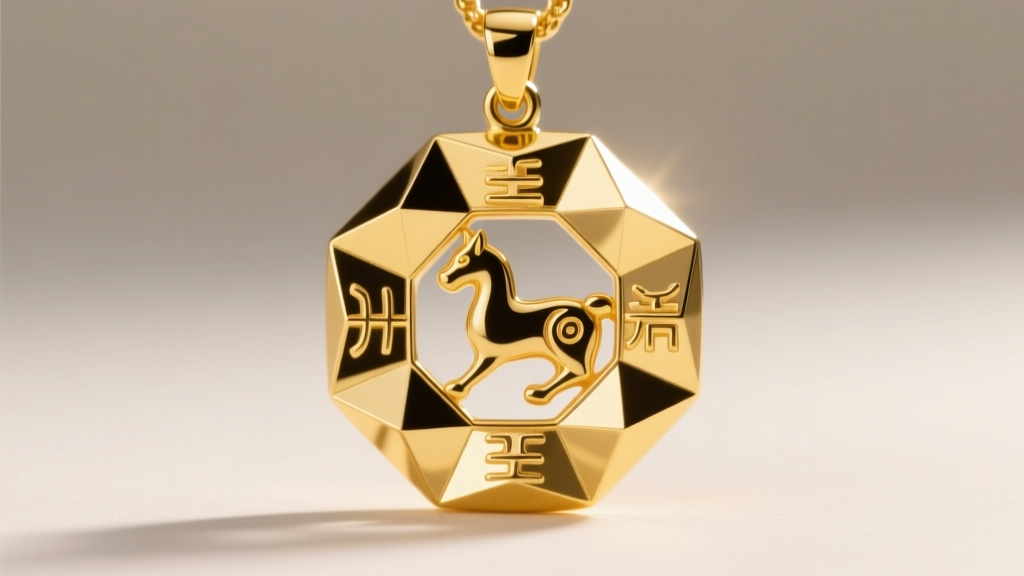
Historically, Chinese and East Asian markets have demanded 24-karat gold (99.9% pure) for its auspicious symbolism and investment value. However, pure gold is notoriously soft (scoring a mere 2.5 on the Mohs scale), making it prone to denting. The breakthrough in recent years has been the widespread commercialization of 3D Hard Gold. Through an advanced electroforming process, manufacturers alter the crystal structure of 24k gold, increasing its Vickers hardness from roughly 90 to over 150. This allows artisans to create large, lightweight, and highly detailed zodiac or cultural motifs that resist everyday deformation without sacrificing pure gold status.
Western Markets: 14k Recycled and Artisanal Textures
In North America and Europe, the focus shifts from raw gold weight to design innovation and sustainability. 14-karat gold (58.3% pure) and 18-karat gold (75% pure) dominate the market. The lower gold content allows for a wider spectrum of colors—including rose gold (alloyed heavily with copper) and white gold (alloyed with nickel or palladium). The 2026 trend in Western markets heavily features hammered, brushed, and Florentine textures applied to 100% recycled 14k gold, appealing to eco-conscious consumers who prioritize durability and modern aesthetics over raw bullion value.
Regional Karat and Style Matrix
To help you quickly identify what you are looking at in a boutique or online marketplace, refer to this structural breakdown of global gold standards:
| Region | Dominant Karat | Purity % | Common Hallmark | Primary Cultural Style |
|---|---|---|---|---|
| India / South Asia | 22k | 91.6% | 916 | Temple Jewelry, Kundan, Polki |
| Middle East | 21k | 87.5% | 875 | Calligraphy, Filigree, Lattice |
| China / East Asia | 24k | 99.9% | 999 | 3D Hard Gold, Zodiac Motifs |
| USA / Europe | 14k / 18k | 58.3% / 75% | 585 / 750 | Textured, Recycled, Minimalist |
How to Verify Authenticity Like a Pro
With the rise of cross-border e-commerce, verifying the authenticity of cultural gold pieces is a critical skill. The Gemological Institute of America (GIA) emphasizes that visual inspection is never enough. Here is a practical framework for testing:
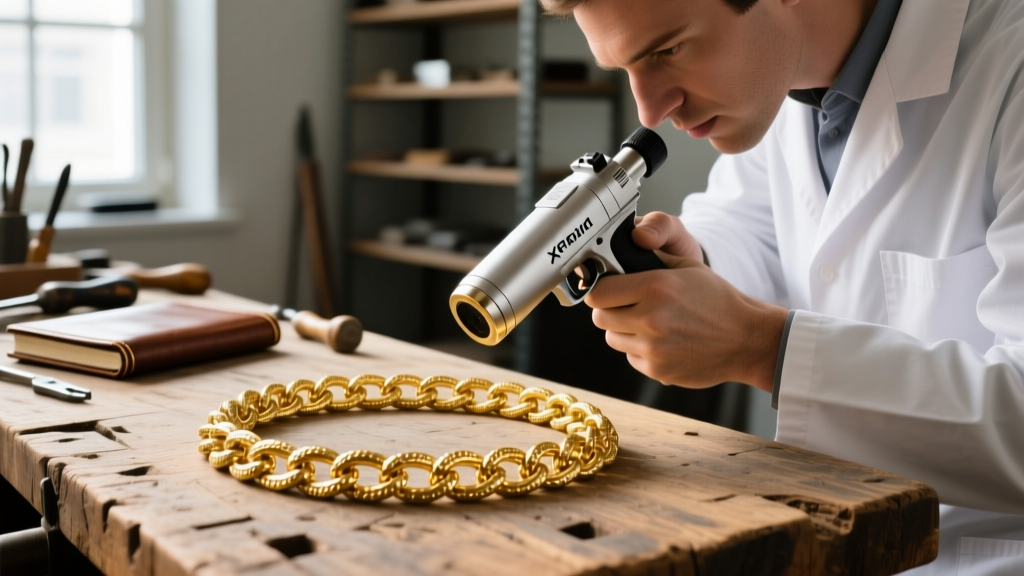
- X-Ray Fluorescence (XRF) Spectrometry: The gold standard for non-destructive testing. An XRF gun shoots X-rays into the metal and reads the exact elemental breakdown. If you are buying high-value 22k or 24k cultural pieces, insist the jeweler tests it in front of you.
- The Acid Test: A scratch is made on a touchstone, and nitric acid of varying strengths is applied. If the 14k acid dissolves the streak, the piece is below 14k. This is highly accurate but leaves a microscopic scratch.
- Magnet Test (The First Filter): Gold is diamagnetic. If a piece snaps to a neodymium magnet, it contains iron or nickel and is either heavily plated or entirely counterfeit. Note: This does not prove it is gold, only that it isn't magnetic base metal.
- Electronic Testers: These measure electrical conductivity. While useful for distinguishing solid gold from gold-plated brass, they can be fooled by heavy gold-filled items.
Investment vs. Everyday Wearability: A Buyer’s Framework
Before purchasing, you must define the primary function of the jewelry. High-karat cultural designs (22k and 24k) are phenomenal for wealth preservation and special occasions, but they fail the ‘everyday wear’ test. A 24k gold ring will deform within weeks if worn during manual labor or gym sessions. Conversely, a 14k Western-style chain will survive decades of daily friction but carries a high retail markup that makes it a poor vehicle for raw gold investment.
Expert Rule of Thumb: If your goal is financial hedging, buy 24k coins, cast bars, or traditional 22k Indian bangles where the making charges are low. If your goal is daily fashion and durability, invest in 14k or 18k structural designs from reputable Western or Japanese artisans.
Final Thoughts on Navigating Global Gold Trends
The modern gold market is no longer confined by geographic borders. You can easily purchase a 21k Egyptian-inspired cartouche or a 24k 3D-hard gold dragon pendant from the comfort of your home. However, this accessibility demands a higher level of consumer literacy. By understanding the metallurgical realities of different karats, recognizing regional hallmarks, and aligning your purchase with your lifestyle needs, you can confidently navigate the 2026 market. Gold is eternal, but the way we wear it is constantly evolving—ensure your choices reflect both timeless value and personal authenticity.