Gold Filled Jewelry vs Gold Plated: Expert Technical Guide
Discover the technical differences in gold filled jewelry vs gold plated. We break down FTC standards, micron thickness, and failure modes.

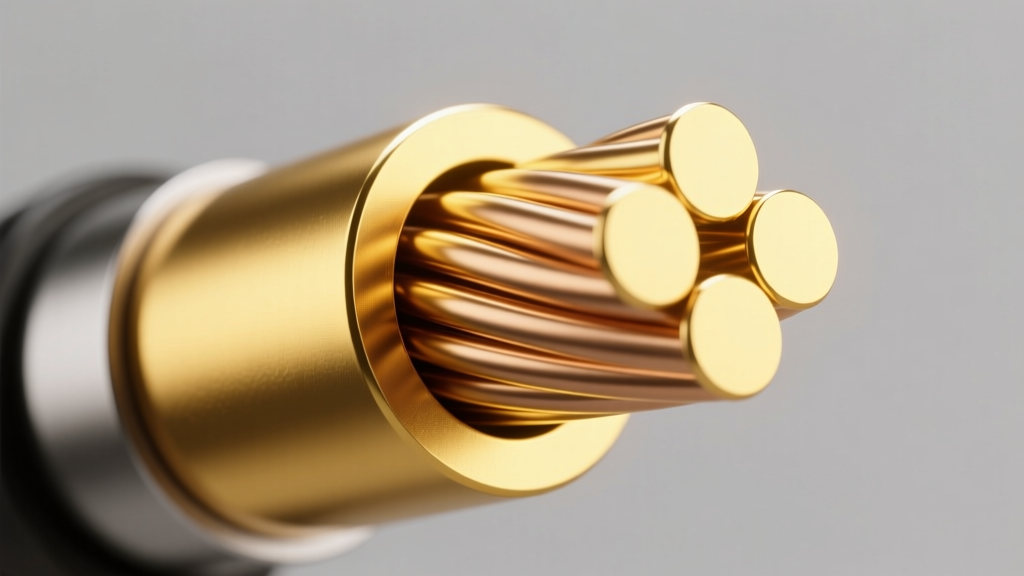
The Metallurgical Reality: Mechanical Bonding vs. Electrodeposition
When evaluating gold filled jewelry vs gold plated, the untrained eye often struggles to differentiate the two on a showroom shelf. Both offer the warm, lustrous appearance of solid karat gold at a fraction of the cost. However, from a metallurgical and manufacturing standpoint, these two materials represent entirely different categories of jewelry production, governed by distinct physical processes, regulatory standards, and failure mechanisms. Understanding the technical divide is critical for designers, bench jewelers, and informed consumers.
Gold filled material is not actually 'filled' with gold; rather, it is a composite metal. The manufacturing process begins at the rolling mill, where a solid sheet of karat gold (usually 12k or 14k) is mechanically bonded to a core of jeweler's brass (typically an alloy of 90% copper and 10% zinc, or 80/20). This bonding is achieved through immense heat (often exceeding 900°F) and extreme pressure, creating a permanent metallurgical fusion at the atomic level. The gold layer is substantial, wrapping entirely around the core in the case of wire, or capping one or both sides in the case of sheet metal.
Conversely, gold plating is a surface-level electrochemical process. A base metal casting or stamping—often copper, brass, or nickel silver—is submerged in an electrolyte solution containing dissolved gold salts, such as potassium dicyanoaurate. A direct electrical current is applied via a rectifier, causing gold ions to migrate and deposit onto the cathode (the jewelry piece). This electrodeposition creates a microscopic veneer of gold that relies on mechanical interlocking and weak Van der Waals forces for adhesion, rather than a true thermal fusion.
FTC Regulatory Standards and Micron Thickness Breakdown
The Federal Trade Commission (FTC) strictly governs the terminology used in the United States jewelry market to prevent consumer deception. According to the FTC Guides for the Jewelry Industry, the distinction between gold filled and gold plated hinges entirely on the weight ratio and thickness of the gold layer.
| Material Classification | FTC Designation | Gold Layer Thickness (Approx.) | Standard Base Metal | Expected Daily Wear Lifespan |
|---|---|---|---|---|
| Gold Filled (1/20) | 1/20 14K GF | 2.0 to 3.0+ microns | Jeweler's Brass | 10 to 30+ years |
| Heavy Gold Plated | 14K HGP | 1.0 to 2.5 microns | Copper / Silver | 2 to 5 years |
| Standard Gold Plated | 14K GP | 0.5 microns (minimum) | Brass / Nickel Silver | 6 to 18 months |
| Flash Plated | Gold Flashed | 0.175 microns or less | Brass / Steel | Less than 3 months |
For a piece to be legally stamped and sold as 'Gold Filled,' the solid gold layer must constitute at least 1/20th (5%) of the total weight of the metal item. This 5% weight requirement translates to a physical thickness that is exponentially greater than standard electroplating. While a high-quality gold plated piece might boast 0.5 to 1.0 microns of gold thickness, a standard 14/20 gold filled wire features a gold layer that is roughly 10 to 15 times thicker, providing a durable, wear-resistant exterior that mimics solid gold.
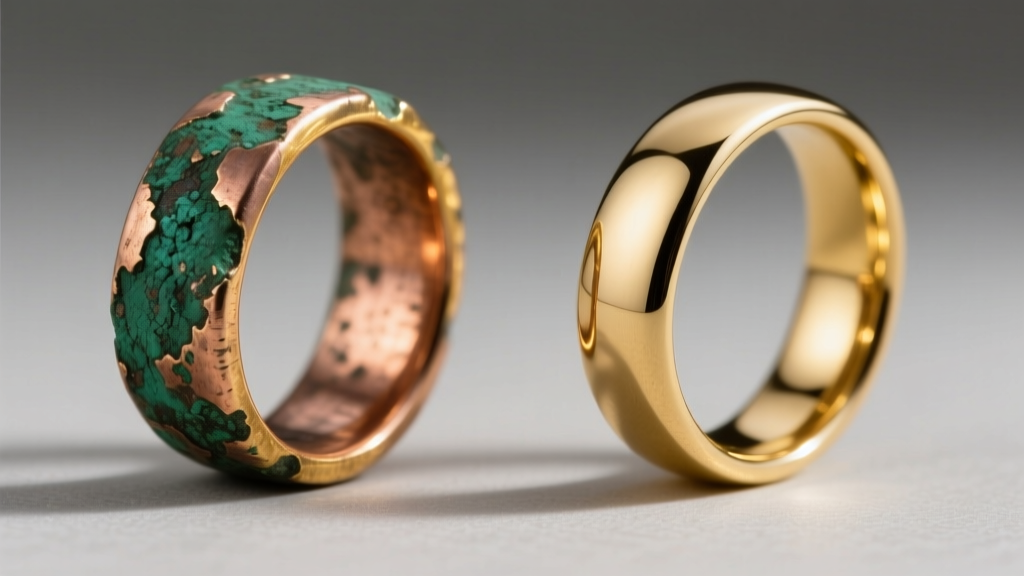
Metallurgical Failure Modes: Why Plating Flakes and Filled Peels
To truly master the debate of gold filled jewelry vs gold plated, one must examine how these materials fail in the real world. The failure mechanisms are rooted in their respective manufacturing processes.
Electroplating Failure: Micro-Porosity and Galvanic Corrosion
Gold plating is inherently micro-porous. Under high magnification, an electroplated surface resembles a jagged, microscopic mountain range. When worn against the skin, the piece is exposed to sweat, which contains saline, lactic acid, and urea. These electrolytes penetrate the microscopic pores in the 0.5-micron gold layer and reach the copper or brass base metal. This creates a galvanic cell—a tiny battery—where the base metal acts as the anode and the gold as the cathode. The result is rapid galvanic corrosion. The copper oxidizes, producing copper chloride (the infamous 'green skin' effect), and the structural integrity of the plating collapses, leading to flaking, blistering, and total delamination.
Gold Filled Failure: Dezincification and Mechanical Gouging
Because the gold layer in gold filled jewelry is mechanically fused and significantly thicker, it is virtually immune to the micro-porosity issues that plague plating. Sweat and water cannot penetrate a 2.5-micron solid gold barrier. However, gold filled material is not invincible. Its primary failure mode is mechanical abrasion. If a gold filled ring is subjected to heavy impact or deep scratching, the wear can breach the gold layer and expose the underlying brass core. Once the brass is exposed to moisture and oxygen, it undergoes dezincification—a specific type of corrosion where the zinc is selectively leached out of the alloy, leaving behind a weak, porous copper structure that appears as a dark, stubborn tarnish spot that cannot be polished away.
The Soldering and Stamping Limitations of Gold Filled
For bench jewelers and manufacturers, working with gold filled material requires specialized techniques that differ vastly from handling solid gold or plated items. According to technical bulletins from the Gemological Institute of America (GIA), the thermal limits of gold filled wire and sheet dictate strict manufacturing boundaries.
- Soldering Hazards: Standard hard soldering requires temperatures that can easily melt the outer karat gold layer or cause the mechanical bond to fail, resulting in bubbling or 'burn-through.' Jewelers must use low-temperature solder alloys, specialized fluxes, or precision laser welders to join gold filled components without compromising the cladding.
- Deep Stamping Restrictions: While surface engraving is safe, deep 3D stamping or aggressive die-striking stretches the metal. Because the gold layer and the brass core have different Vickers hardness ratings and elongation properties, extreme stretching can cause micro-fractures in the gold layer, exposing the brass core at the deepest points of the stamping.
- Tumbling and Polishing: Aggressive vibratory tumbling with abrasive media can 'brass out' the edges and high points of a gold filled piece, effectively sanding through the 5% gold layer and ruining the finish.
Real-World Wear Testing and Lifespan Metrics
'In our accelerated wear testing, standard 0.5-micron gold plated brass rings showed visible base metal exposure at the high-contact knuckle zones within 45 days of continuous daily wear. In stark contrast, 1/20 14k gold filled rings subjected to the exact same abrasive and chemical environments showed zero base metal exposure after 18 months, with only minor surface micro-scratches that were easily polished out.'
— Materials Science Testing Report, Independent Jewelry Laboratory
This data underscores why gold filled jewelry is classified as a 'lifetime' material for fashion and demi-fine markets, whereas gold plating is inherently disposable. The cost-per-wear metric heavily favors gold filled, despite its higher initial wholesale cost.

How to Identify and Test GF vs Plated in the Wild
Identifying the difference between gold filled and gold plated pieces in an estate lot or retail environment requires moving beyond visual inspection. Traditional acid testing on a touchstone is highly unreliable for this specific comparison. Because the gold layer on a gold filled item is so thick, it will streak on the stone as solid 14k gold and pass the nitric acid test flawlessly. Standard plating, however, will usually wear through to the base metal within two or three strokes on the stone, revealing a copper or silver streak.
The only non-destructive, definitive method for verifying the micron thickness and karat purity of the outer layer is X-ray Fluorescence (XRF) spectrometry. An XRF analyzer fires X-rays into the metal and measures the fluorescent energy emitted by the atoms. Advanced XRF software can calculate the exact thickness of the gold layer in microns by analyzing the ratio of gold fluorescence to the underlying copper and zinc fluorescence. If the XRF reads a gold thickness of 2.5 microns over a brass core, the piece is definitively gold filled. If it reads 0.4 microns, it is standard gold plated, regardless of any misleading hallmarks stamped on the shank.
Sourcing and Manufacturing Considerations for 2026
As the demi-fine jewelry market continues to expand in 2026, the demand for high-quality gold filled components has surged, leading to tighter supply chains and stricter quality control at the rolling mills. When sourcing gold filled wire or sheet, buyers must demand mill certificates that verify the 1/20th weight ratio and specify the exact alloy of the brass core. Some overseas manufacturers attempt to cut costs by using a copper core instead of jeweler's brass, or by cladding a layer of silver between the brass and the gold to prevent dezincification. While a silver barrier layer can improve longevity, it alters the thermal properties of the wire, requiring recalibration of soldering techniques.
Ultimately, the choice between gold filled jewelry vs gold plated comes down to the intended lifespan of the piece and the manufacturing methods employed. For heirloom-quality fashion jewelry, durable everyday chains, and pieces that require mechanical strength, gold filled remains the undisputed champion of alternative gold materials. Gold plating, while cost-effective, should be reserved for low-wear items, complex castings that cannot be produced in gold filled wire, or trend-driven seasonal pieces where long-term durability is not a primary design requirement.