Luxury Fine Jewelry Alternatives: Gold Plated vs Vermeil Wholesale Suppliers
Discover 2026 trends in luxury fine jewelry alternatives. We compare gold plated vs vermeil wholesale suppliers, margins, and sourcing strategies.

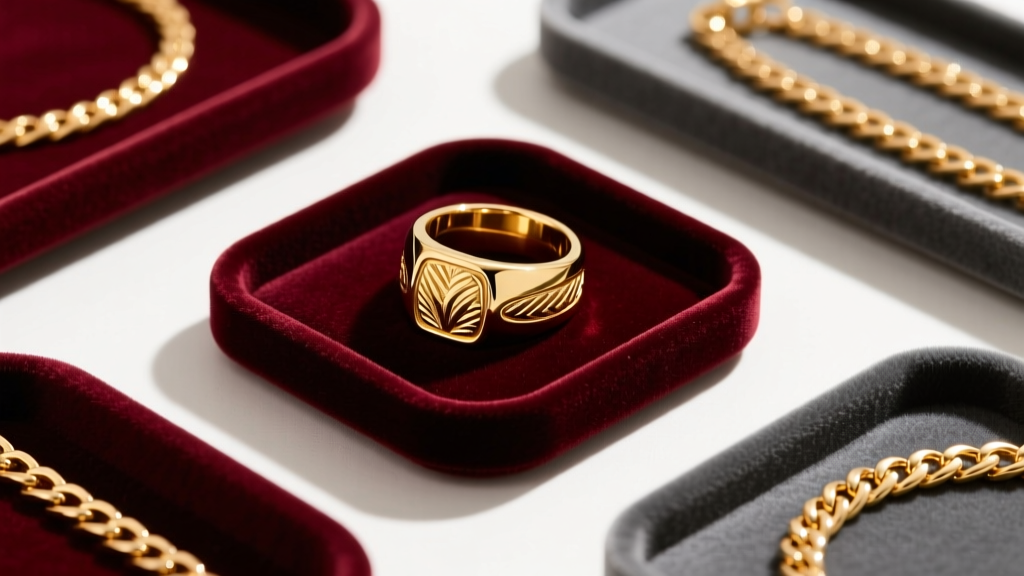
The 2026 Shift: The Democratization of Accessible Luxury
The jewelry industry has undergone a seismic shift over the last three years. As economic fluctuations and shifting consumer priorities redefine spending habits, the 'demi-fine' and 'accessible luxury' sectors have exploded. For boutique owners, e-commerce retailers, and private label brands, navigating the landscape of luxury fine jewelry alternatives gold plated vs vermeil wholesale suppliers is no longer just about finding the cheapest manufacturer—it is about balancing metallurgical integrity, consumer perception, and retail margins. In 2026, consumers are highly educated. They understand the difference between flash-plated brass and heavy vermeil, and they are willing to pay a premium for pieces that bridge the gap between disposable fashion jewelry and heirloom solid gold.
According to market analysts at JCK Online, the demi-fine jewelry market is projected to grow at a CAGR of 8.5% through 2028, driven largely by Gen Z and Millennial buyers who demand high-quality aesthetics without the prohibitive price tags of fine jewelry. This guide provides a deep-dive metallurgical and B2B sourcing analysis to help retailers make informed wholesale purchasing decisions.
Decoding the Metallurgy: Plated vs. Vermeil
Before negotiating minimum order quantities (MOQs) with overseas factories, buyers must understand the strict legal and chemical distinctions between gold-plated and gold vermeil jewelry. The Federal Trade Commission (FTC) maintains rigorous guidelines regarding how these terms can be marketed in the United States.
Gold Plated: The High-Volume, Low-Cost Contender
Standard gold-plated jewelry typically utilizes a base metal of brass, copper, or stainless steel. The gold layer is applied via electroplating, but the thickness is the critical variable. 'Flash plating' usually deposits a microscopic layer of gold (less than 0.175 microns). This results in a brilliant initial finish that rapidly degrades, leading to tarnishing, flaking, and the dreaded 'green skin' reaction caused by copper oxidation. For 2026 collections, reputable wholesale suppliers are moving toward PVD (Physical Vapor Deposition) for stainless steel bases, which offers vastly superior scratch and water resistance compared to traditional electroplating on brass.
Gold Vermeil: The Demi-Fine Standard
To legally be classified as 'vermeil' (pronounced ver-may), a piece must meet three strict criteria:
- Base Metal: Must be solid sterling silver (925 purity). No brass, copper, or alloys are permitted.
- Gold Purity: The plating must be at least 10k gold, though premium suppliers use 14k or 18k.
- Plating Thickness: The gold layer must be a minimum of 2.5 microns thick. Premium factories in 2026 are pushing this to 3.0 or even 4.0 microns to guarantee a multi-year lifespan.

Global Sourcing Hubs: Where the World's Boutiques Buy
When evaluating luxury fine jewelry alternatives, gold plated vs vermeil wholesale suppliers offer vastly different margin structures depending on their geographic location. Understanding the strengths of global manufacturing hubs is critical for supply chain optimization.
Guangzhou & Yiwu, China: The CNC & Plating Powerhouses
China remains the undisputed king of high-volume, CNC-milled brass and stainless steel jewelry. Factories in Guangzhou specialize in complex, geometric gold-plated designs with incredibly low MOQs (often 50-100 pieces per style). However, buyers must strictly enforce REACH compliance to ensure the base metals are free of nickel, lead, and cadmium. China is also pioneering advanced PVD gold coating on 316L stainless steel, creating highly durable, waterproof 'permanent jewelry' alternatives that are trending heavily in 2026.
Jaipur, India: The Gemstone & Artisan Vermeil Capital
If your brand focuses on bohemian, talismanic, or gemstone-heavy designs, Jaipur is the premier sourcing destination. Indian manufacturers excel at hand-setting semi-precious stones (like moonstone, turquoise, and labradorite) into 925 sterling silver before applying heavy 18k gold vermeil. The craftsmanship here leans artisanal, meaning slight variations occur, but the perceived value for the end consumer is exceptionally high.
Bangkok, Thailand: Premium Silver & Clean Lines
Thailand offers a middle ground between Chinese mass-production and Indian artisanal work. Bangkok factories are renowned for their pristine silver casting and flawless, high-micron vermeil plating. They are the go-to suppliers for minimalist, high-polish, and 'quiet luxury' vermeil pieces, such as heavy rope chains, dome rings, and sleek herringbone collars.
The Margin Matrix: Plated vs. Vermeil Wholesale Economics
To build a profitable retail strategy, boutique owners must understand the unit economics. The table below outlines the typical B2B wholesale costs, recommended retail pricing (RRP), and gross margin potential for 2026.
| Metric | Gold Plated (Brass/PVD Steel) | Gold Vermeil (925 Silver Base) | Solid 14k Gold (For Comparison) |
|---|---|---|---|
| Avg. Wholesale Cost (Ring) | $3.50 - $8.00 | $18.00 - $35.00 | $180.00 - $350.00 |
| Recommended Retail Price | $28.00 - $65.00 | $85.00 - $220.00 | $450.00 - $900.00 |
| Gross Margin Potential | 75% - 85% | 65% - 80% | 55% - 65% |
| Typical MOQ | 50 - 100 units | 30 - 50 units | 5 - 10 units |
| Expected Lifespan | 6 - 18 months | 2 - 5+ years | Lifetime / Heirloom |
'The smartest retailers in 2026 are adopting a tiered pricing strategy. They use high-quality PVD gold-plated stainless steel for entry-level trend pieces, while anchoring their core collections with heavy 3-micron gold vermeil to build long-term brand trust.' — Industry Analyst, National Jeweler
2026 Trend Forecasting: What Retailers Must Stock
Consumer aesthetics have evolved past the delicate, dainty layering trends of the early 2020s. The 2026 market favors bold, tactile, and historically inspired pieces. When placing wholesale orders, prioritize the following silhouettes:
- Chunky Signet & Cigar Bands: Wide, heavy gold vermeil rings featuring matte finishes, hammered textures, or flush-set single diamonds/moissanite.
- Mixed-Metal Herringbone: Liquid-like snake and herringbone chains that intertwine both silver and gold vermeil tones, catering to the 'mixed metal' styling trend.
- Botanical & Talismanic Motifs: Intricate, nature-inspired pendants (ferns, celestial bodies, scarabs) cast in solid silver and heavily plated in rich 22k-toned vermeil.
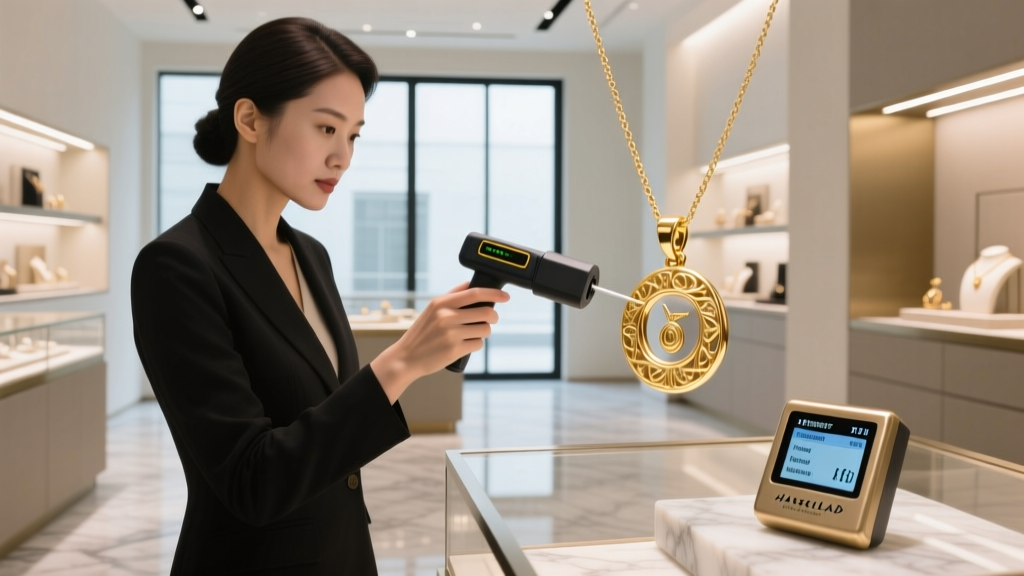
Vetting Suppliers: A Buyer's Quality Control Checklist
Sourcing from Alibaba, Global Sources, or direct factory outreach requires rigorous quality control. Do not take a supplier's word for their plating thickness or base metal purity. Implement the following protocols:
1. Mandate XRF Testing Reports
X-Ray Fluorescence (XRF) testing is the industry standard for non-destructive metal analysis. Require your wholesale supplier to provide an XRF certificate for every batch, verifying both the 925 silver base and the exact micron thickness of the gold layer. If a supplier hesitates to provide this data, walk away.
2. Require E-Coating (Electrophoretic Deposition)
For gold-plated brass pieces, ask if the factory applies an e-coat (a microscopic, invisible ceramic-like resin layer) before or after plating. This drastically slows down the oxidation process and prevents the copper base from reacting with the wearer's skin acidity.
3. Nickel-Free Guarantees
Nickel allergies are a primary driver of customer returns and negative reviews. Ensure your supplier complies with the EU Nickel Directive (REACH), which restricts nickel migration to less than 0.5 µg/cm²/week. This is non-negotiable for brands selling internationally.
Final Verdict for Boutique Buyers
Choosing between gold-plated and gold vermeil wholesale suppliers is not a matter of one being universally superior; it is about aligning your material choices with your brand positioning and target demographic. Gold-plated stainless steel and brass serve as excellent, high-margin vehicles for fast-moving, trend-driven seasonal drops. Conversely, gold vermeil serves as the foundational pillar for brands looking to cultivate a 'demi-fine' reputation, offering a luxurious hand-feel, hypoallergenic properties, and a lifespan that justifies a premium retail price. By mastering the metallurgy and vetting your global supply chain with surgical precision, your brand can successfully dominate the accessible luxury market in 2026 and beyond.


