How to Buy Gold Jewelry That Doesn't Tarnish: Expert Guide
Discover how to buy gold jewelry that doesn't tarnish. Learn which karats, alloys, and finishes offer lifelong shine in our expert guide.

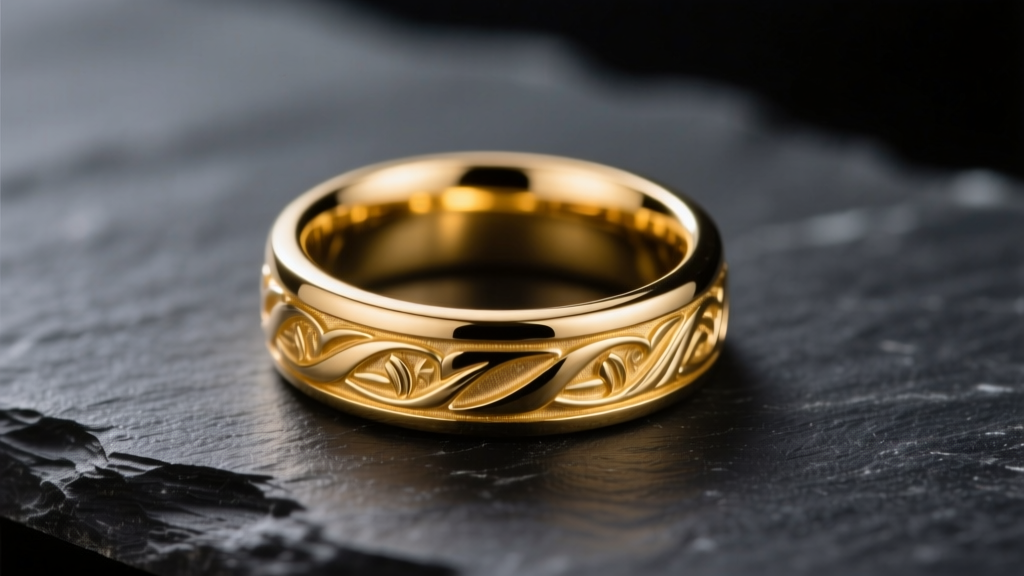
When investing in fine jewelry, the ultimate goal is longevity. You want pieces that maintain their brilliant luster decade after decade without requiring constant polishing or chemical baths. This brings up one of the most common questions we receive at Jewel Style Radar: How do you find gold jewelry that doesn't tarnish? The answer requires looking past the marketing jargon and understanding the fundamental chemistry of gold alloys, karat weights, and surface treatments. In this comprehensive buying guide, we break down exactly what to look for, what to avoid, and how to ensure your next gold purchase remains pristine for a lifetime.
The Chemistry of Tarnish: Why Gold Discolors
To make an informed purchase, you first need to understand that pure gold (24k) is a noble metal. It is entirely immune to tarnish, oxidation, and rust. However, pure gold is also incredibly soft—rating just 2.5 on the Mohs hardness scale—making it entirely unsuitable for everyday jewelry. A 24k gold ring would bend, scratch, and lose its shape within days of regular wear.
To solve this, jewelers alloy pure gold with harder base metals like copper, silver, zinc, and nickel. Tarnish is not a failure of the gold itself, but a chemical reaction of these alloy metals. When copper and silver are exposed to oxygen, sulfur, and moisture in the environment, they oxidize and form a dark, dull layer on the surface. Therefore, finding gold jewelry that doesn't tarnish is entirely about managing the ratio of pure gold to alloy metals and understanding which specific alloys are used.
Karat Breakdown: Finding the Sweet Spot
The karat system dictates the percentage of pure gold in a piece. The higher the karat, the less alloy metal is present, and the lower the risk of tarnish. However, as karat increases, durability decreases. Here is how the most common karats stack up regarding tarnish resistance and structural integrity.
| Karat | Gold Purity | Alloy Content | Tarnish Risk | Best Use Case |
|---|---|---|---|---|
| 24k | 99.9% | 0.1% | None | Investment pieces, ceremonial wear |
| 22k | 91.6% | 8.4% | Very Low | Special occasion jewelry, soft bangles |
| 18k | 75.0% | 25.0% | Low | Everyday fine jewelry, engagement rings |
| 14k | 58.3% | 41.7% | Moderate | Affordable everyday wear, clasps, chains |
| 10k | 41.7% | 58.3% | High | Budget fashion jewelry, class rings |
For the modern buyer seeking gold jewelry that doesn't tarnish but can still withstand daily wear, 18k solid gold is the undisputed sweet spot. With 75% pure gold, the 25% alloy content is low enough that oxidation is incredibly slow and often unnoticeable, especially if alloyed with silver or palladium rather than high amounts of copper. Expect to pay between $400 and $800 for a simple, high-quality 18k solid gold band or pair of hoop earrings, whereas 14k equivalents typically range from $250 to $500.
The Color Factor: Yellow vs. White vs. Rose
The color of gold is determined entirely by the alloy metals mixed into it. This color choice directly impacts how the jewelry will age over time.
Yellow Gold: The Traditional Standard
18k yellow gold is typically alloyed with a balanced mix of silver and copper (often 12.5% each). Because silver is relatively stable and the copper content is kept moderate, high-quality yellow gold is exceptionally resistant to tarnish. A quick polish with a microfiber cloth is usually all it takes to restore its original mirror finish.
Rose Gold: The Copper Complication
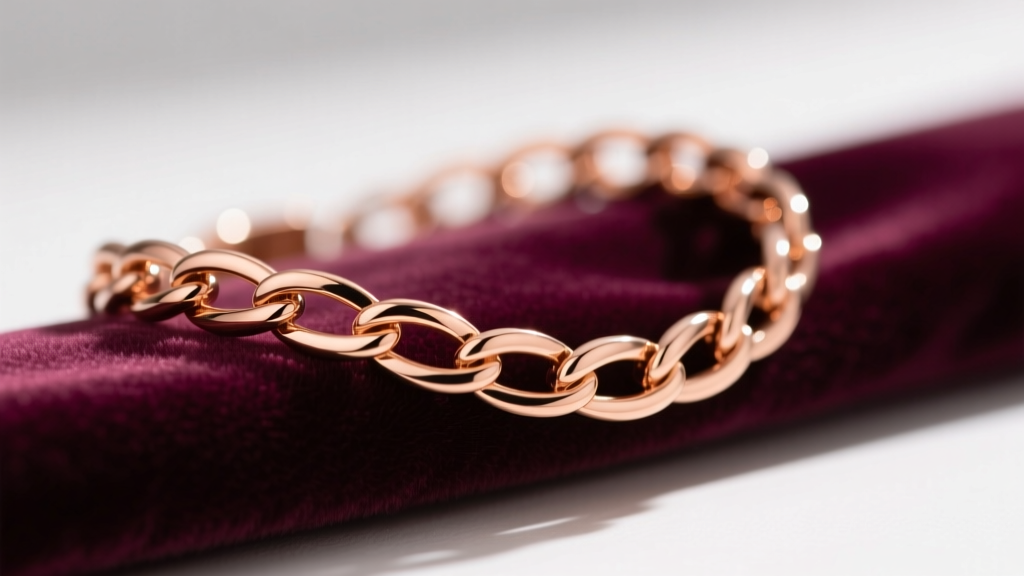
Rose gold gets its signature pinkish hue from a high concentration of copper. In 18k rose gold, the alloy can be up to 22.5% copper and just 2.5% silver. Because copper is highly reactive to oxygen and sulfur, rose gold is inherently more prone to developing a dark patina over decades of wear. While many vintage enthusiasts covet this 'antique' look, if your strict requirement is gold jewelry that doesn't tarnish, rose gold requires more frequent maintenance than its yellow counterpart.
White Gold: The Rhodium Plating Trap
White gold is created by alloying yellow gold with white metals like nickel, palladium, or manganese. However, the resulting alloy is rarely truly white; it usually has a faint yellowish or grayish tint. To achieve a brilliant, chrome-like white finish, jewelers electroplate the surface with rhodium, a platinum-group metal that is entirely tarnish-proof.
The catch? Rhodium plating is microscopically thin—typically between 0.75 and 1.0 microns. With daily friction, this plating will wear off in 1 to 3 years, revealing the slightly yellowish alloy beneath. While the underlying gold alloy won't 'tarnish' in the traditional blackening sense, the jewelry will look dull and discolored, requiring costly re-plating. If you want a white metal that never requires re-plating and never tarnishes, skip white gold and opt for platinum or palladium instead.
Solid vs. Plated vs. Vermeil: What Actually Lasts?
When shopping for gold jewelry that doesn't tarnish, the construction method is just as critical as the karat weight. Many affordable brands use deceptive terminology to sell jewelry that will inevitably discolor.
- Solid Gold: The entire piece is made of the same karat gold alloy. It can be polished endlessly and will never wear through to a base metal. This is the only true option for lifelong, tarnish-free wear.
- Gold Vermeil (pronounced ver-may): A thick layer of gold (minimum 2.5 microns by US standards) plated over a sterling silver base. While sterling silver is a precious metal, it is highly prone to sulfidation (black tarnish). Once the thin gold layer wears thin, the silver beneath will oxidize, causing the piece to look permanently dirty.
- Gold Plated / Gold Filled: Gold plated jewelry features a microscopic flash of gold (often less than 0.5 microns) over brass or copper. Gold filled involves a thicker, mechanically bonded layer of gold over brass. Both will eventually wear through, exposing the highly reactive brass or copper core, which will rapidly turn green and tarnish black when exposed to skin acids and moisture.
Decoding Hallmarks and Labels
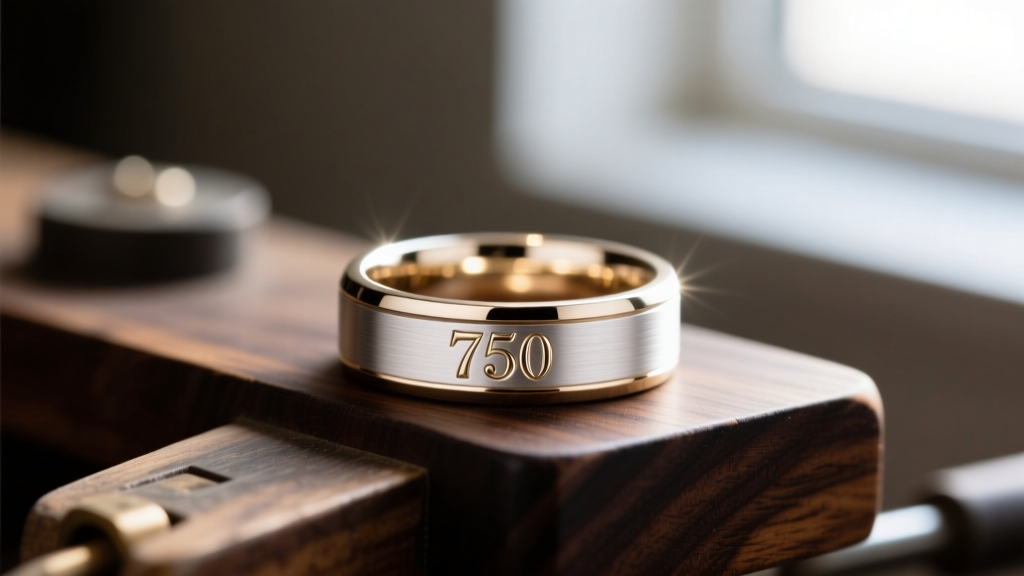
To ensure you are buying genuine solid gold, you must verify the hallmarks. According to the Federal Trade Commission (FTC) Jewelry Guides, gold jewelry sold in the United States must be accurately marked with its karat weight. However, international pieces often use millesimal fineness marks.
Expert Tip: Always look for the manufacturer's trademark or hallmark alongside the purity stamp. A '750' or '18k' stamp without a maker's mark is often a red flag for counterfeit or imported fashion jewelry that may not meet true purity standards.
Common purity stamps to look for include:
- 750 or 18k: 75% pure gold (Ideal for tarnish resistance)
- 585 or 14k: 58.3% pure gold (Good durability, moderate tarnish risk)
- 417 or 10k: 41.7% pure gold (High tarnish risk, avoid if tarnish is a concern)
For a deeper understanding of how alloy metals affect gold's physical properties, the Gemological Institute of America (GIA) provides extensive metallurgical data on gold quality factors that every serious buyer should review before making high-ticket purchases.
The Hidden Danger: Chlorine and Stress Corrosion
While we are focused on tarnish, there is a far more destructive chemical threat to karat gold: chlorine. Exposing 14k or 18k gold to chlorinated water (swimming pools, hot tubs, or harsh household bleach) does not just cause surface discoloration. The chlorine chemically attacks the copper and zinc alloys within the gold, leading to a phenomenon known as stress corrosion cracking.
This reaction causes the microscopic alloy structures to become brittle and literally crack apart, often destroying prongs and snapping delicate chains. To ensure your solid gold jewelry survives a lifetime, never wear it in a pool or clean it with chlorine-based chemicals. Stick to warm water, a few drops of mild dish soap, and a soft-bristled baby toothbrush for routine cleaning.
Final Verdict: The Ultimate Tarnish-Free Purchase
If your primary objective is to buy gold jewelry that doesn't tarnish, your shopping criteria should be strict but rewarding. Always insist on solid 18k yellow gold. Avoid white gold if you despise the maintenance of rhodium re-plating, and be aware that rose gold will naturally darken over time due to its copper content. Steer entirely clear of vermeil, gold-filled, and plated options, as they are engineered for temporary fashion, not generational longevity. By prioritizing material integrity over fleeting trends and deceptive marketing, you will secure pieces that remain as brilliant decades from now as the day you first unclasped them.


