Gold Head Jewelry Materials: 14k vs 18k vs 22k Properties Guide
Compare 14k, 18k, and 22k gold head jewelry materials. Discover tensile strength, weight limits, and alloy properties for maang tikkas and hair vines.

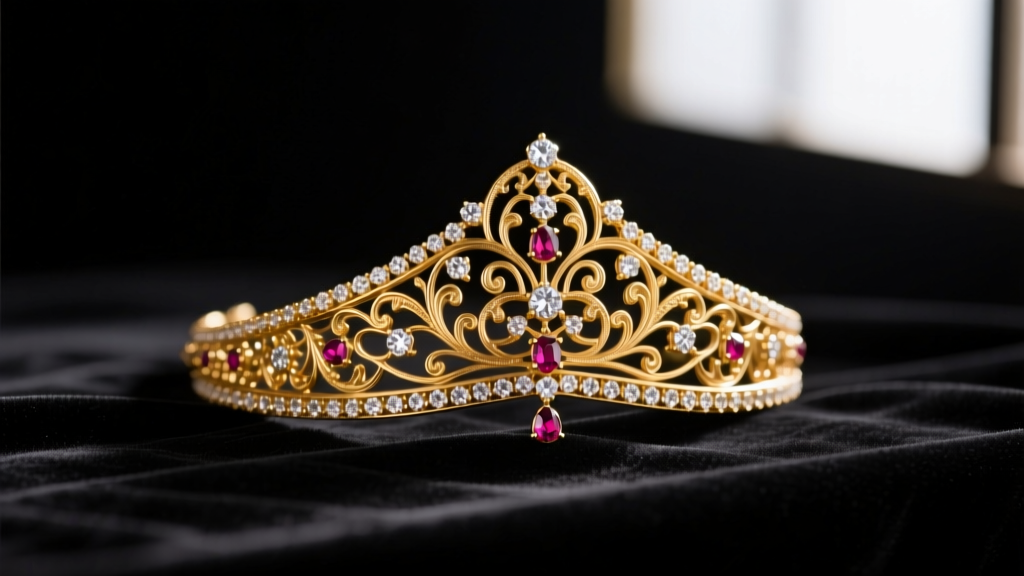
When selecting gold head jewelry, the aesthetic appeal of the piece is only half the equation. Unlike rings or pendants, headpieces—ranging from traditional maang tikkas and matha pattis to contemporary hair vines and ornamental sticks—must navigate a complex intersection of biomechanics, dermatology, and metallurgy. The scalp is highly vascular, exceptionally sensitive to friction, and frequently exposed to a cocktail of styling chemicals. Consequently, the material properties of the gold alloy you choose dictate not just the longevity of the piece, but the physical comfort of the wearer.
In this comprehensive material comparison, we break down the exact metallurgical properties, tensile strengths, and dermatological impacts of 14k, 18k, and 22k gold head jewelry. Whether you are sourcing a heavy bridal headpiece or a minimalist everyday hair stick, understanding these alloy behaviors is critical for making an informed, structurally sound investment.
The Biomechanics and Dermatology of the Scalp
Before analyzing specific karats, we must establish the environmental and physical demands placed on head jewelry. The scalp contains a dense network of nerve endings and blood vessels. Heavy or poorly balanced headpieces can cause traction alopecia (hair loss due to constant pulling) or tension headaches. Furthermore, the skin on the forehead and behind the ears is highly susceptible to contact dermatitis.
According to Mayo Clinic's dermatological guidelines, nickel is one of the most common triggers for allergic contact dermatitis. In lower-karat gold alloys, nickel is sometimes used as a whitening agent or hardener, particularly in white gold. For head jewelry that rests directly against the forehead or the nape of the neck, ensuring a nickel-free alloy composition is non-negotiable. Copper and silver are the preferred, hypoallergenic alloying metals for yellow and rose gold headpieces.
Karat Breakdown: Tensile Strength vs. Purity
The purity of gold, measured in karats, fundamentally alters its mechanical properties. Pure 24k gold is entirely unsuitable for head jewelry; its extreme malleability means a simple hair comb or tikka hook would bend under the weight of the piece or the tension of the hair. Therefore, alloying is mandatory. Here is how the three primary karats perform in headpiece applications.
22K Gold (91.6% Purity): The Traditional Bridal Standard
Composed of 91.6% pure gold and 8.4% alloy metals (typically a mix of copper, silver, and zinc), 22k gold offers the richest, most saturated yellow hue. It is the undisputed standard for heavy, traditional bridal gold head jewelry. However, its relatively low tensile strength presents structural challenges. A 22k gold maang tikka hook must be forged at a minimum of 14-gauge (1.6mm thickness) to prevent bending when supporting a 15-gram pendant. Because it is softer, 22k gold is best reserved for cast, solid pieces rather than delicate, drawn wire components like hair vines.
18K Gold (75% Purity): The Sweet Spot for Intricate Vines
At 75% pure gold, 18k gold strikes the optimal balance between luxurious color and structural integrity. The addition of 25% copper and silver significantly increases the alloy's yield strength. This metallurgical advantage allows jewelers to draw 18k gold into fine 22-gauge or 24-gauge wires without the metal snapping or permanently deforming. If you are purchasing a flexible gold hair vine, a chain-based matha patti, or a piece with intricate filigree work, 18k gold is the superior material choice. It provides enough rigidity to hold gemstone settings securely while retaining the flexibility needed to contour to the shape of the head.
14K Gold (58.3% Purity): Maximum Durability for Structural Pieces
Containing 58.3% gold and a robust 41.7% alloy mix, 14k gold is the hardest and most durable option. Its high copper and zinc content gives it exceptional resistance to scratching, denting, and deformation. This makes 14k gold the ideal material for structural head jewelry that experiences high mechanical stress, such as heavy French hair combs, thick hair sticks, and snap-clip barrettes. While its color is slightly less saturated than higher karats, its ability to withstand the rigorous friction of being pushed through thick, dense hair makes it highly practical for frequent wear. As noted by the Gemological Institute of America (GIA), the increased alloy content in 14k gold directly correlates to enhanced durability and wear resistance, making it a pragmatic choice for active lifestyles.
Structural Comparison: Solid vs. Vermeil vs. Plated
Beyond karat purity, the fundamental construction of the metal dictates the lifespan of your head jewelry. Headpieces are subjected to unique stressors, including the natural oils from the scalp and the friction of hair strands. Below is a comparative matrix of the most common material constructions used in the market.
| Material Type | Composition | Tensile Strength | Hypoallergenic Rating | Best Use Case |
|---|---|---|---|---|
| Solid 22K Gold | 91.6% Au, 8.4% Cu/Ag | Low (Requires thick gauges) | Excellent | Heavy bridal tikkas, solid cast pendants |
| Solid 18K Gold | 75% Au, 25% Cu/Ag | Medium-High | Excellent | Flexible hair vines, intricate chain headpieces |
| Solid 14K Gold | 58.3% Au, 41.7% Alloy | High | Good (Must be nickel-free) | Hair sticks, heavy combs, everyday clips |
| Gold Vermeil | Sterling Silver base, 2.5µm+ 18K Au | Medium (Depends on base) | Very Good | Fashion headbands, lightweight festival pieces |
| Gold Plated (Brass) | Brass/Copper base, <0.5µm Au | High (Rigid base) | Poor (High allergy risk) | Single-use costume jewelry, photography props |
For any head jewelry that will be worn for more than a few hours, or that will rest against bare skin (like the forehead or ears), solid gold or high-quality vermeil is mandatory. Brass-based plated pieces often contain trace nickel and zinc, which, when mixed with sweat and scalp oils, can cause severe localized dermatitis and leave green oxidation stains on the skin and hair.
Chemical Vulnerability: Hair Products and Gold Alloys
An often-overlooked aspect of gold head jewelry maintenance is its interaction with modern hair care products. The alloy metals in gold—specifically copper and zinc—are reactive to certain chemicals found in aerosol hairsprays, dry shampoos, and sulfate-heavy clarifying shampoos.
- Aerosol Hairsprays: The polymers and alcohols in hairspray can create a microscopic, opaque film over lower-karat gold (10k and 14k), dulling its luster. Over time, the alcohol can accelerate the oxidation of the copper alloy, leading to a darkened, tarnished appearance.
- Argan and Coconut Oils: While generally safe for the metal, heavy hair oils can trap dust and dead skin cells in the intricate crevices of filigree headpieces, requiring professional ultrasonic cleaning to restore brilliance.
- Sulfates and Chlorides: Exposure to heavily chlorinated water (such as swimming pools) or harsh sulfate shampoos can cause 'karat depletion' on the surface of 14k and 18k gold, where the alloy metals are leached out, leaving a brittle, pitted surface layer.
To mitigate these risks, always apply your hair styling products and allow them to dry completely before securing your gold head jewelry. This simple chronological adjustment significantly extends the polished lifespan of the metal.
Expert Sizing, Gauge, and Weight Guidelines
Comfort in head jewelry is entirely dictated by weight distribution and wire gauge. A poorly engineered piece, regardless of its material purity, will cause physical discomfort. Adhere to these specific engineering parameters when evaluating or commissioning gold head jewelry:
- Maang Tikka Hooks: The hook that secures the pendant into the hair parting must be forged from at least 14-gauge (1.6mm) wire for pieces weighing 10-15 grams. For pendants exceeding 15 grams, a 12-gauge (2.0mm) hook is required to prevent the metal from uncurling and dropping the piece.
- Total Weight Limits: A single-point hanging maang tikka should ideally not exceed 18 grams to prevent traction on the frontal hairline. For broader pieces like a matha patti (head chain), the weight is distributed across the circumference of the head, allowing for a total weight of up to 45 grams comfortably, provided the chain links are at least 3mm wide to prevent hair snagging.
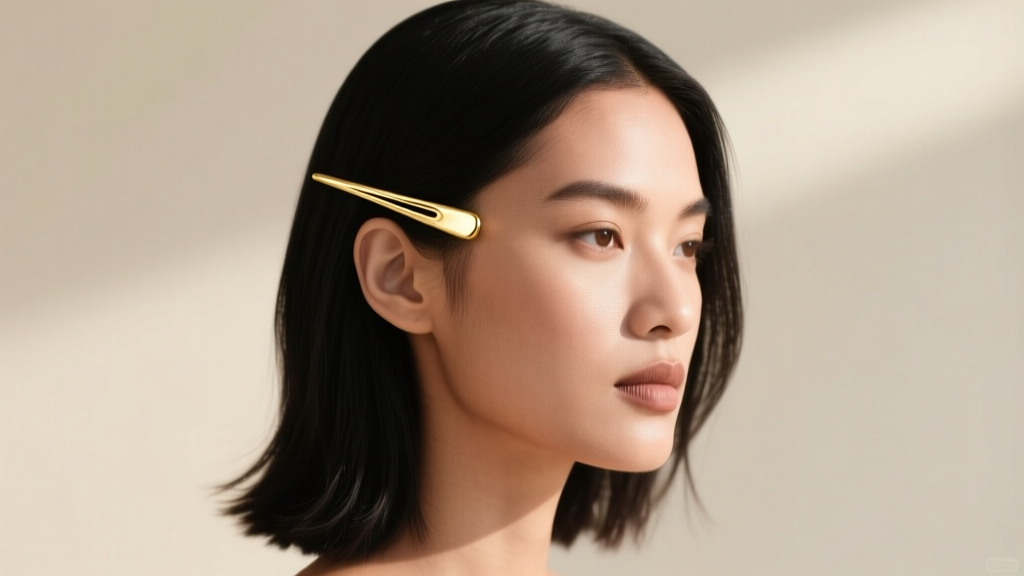
- Hair Stick Thickness: Solid gold hair sticks should feature a tapering design. The thickest point near the decorative head should be at least 3mm in diameter to handle the leverage applied when twisting the stick through a dense hair bun, tapering down to a smooth 1.5mm point to prevent hair breakage during insertion.
Final Thoughts on Material Selection
Selecting the right material for gold head jewelry requires looking past the karat stamp and evaluating the structural engineering of the piece. For heirloom-quality, traditional bridal sets that will be worn infrequently, the rich, unmatched luster of solid 22k gold is the definitive choice. For versatile, intricate hair vines and chain-based pieces that require flexibility and a balance of purity and strength, 18k gold remains the industry gold standard. Finally, for everyday wear, heavy structural combs, and pieces subjected to high mechanical friction, the rugged durability of 14k gold offers unparalleled peace of mind. By aligning the metallurgical properties of the alloy with the specific biomechanical demands of the headpiece, you ensure both enduring beauty and absolute physical comfort.


