How to Clean Tarnished Gold Jewelry: Expert Trend Care Guide
Discover how to clean tarnished gold jewelry safely. Expert guide on restoring 14k and 18k alloys, vermeil, and plated pieces for 2026 trends.

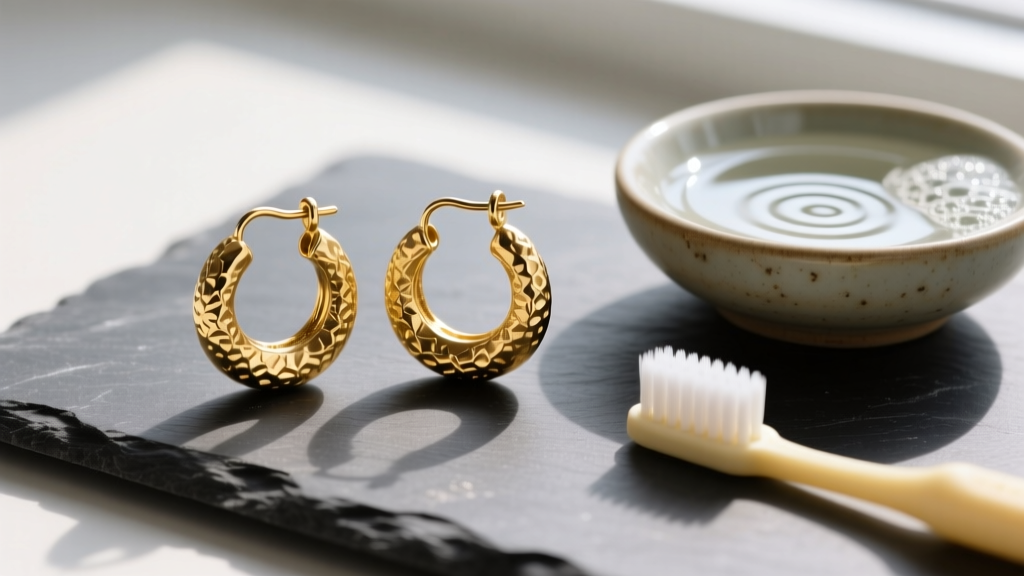
Gold is universally celebrated for its eternal luster, but any seasoned collector or jewelry stylist knows a fundamental metallurgical truth: pure gold does not tarnish, but the gold alloys we actually wear absolutely do. As we navigate the 2026 jewelry landscape—dominated by bold, sculptural 14k gold cuffs, liquid-metal snake chains, and heavily textured vintage revivals—understanding the chemistry of your pieces is no longer optional. It is essential for preserving your investment and your aesthetic.
If you are searching for how to clean tarnished gold jewelry without compromising the structural integrity or the designer's intended finish, you must abandon the abrasive internet hacks of the past. Toothpaste and baking soda belong in the kitchen, not on your workbench. Below, we break down the science of gold tarnish, analyze how current style trends dictate your cleaning protocol, and provide a masterclass in alloy restoration.
The Metallurgy of Tarnish: Why Your 14k and 18k Gold Darkens
To clean gold effectively, you must first understand why it tarnishes. According to the Gemological Institute of America (GIA), 24k gold is completely inert. However, jewelry is crafted from alloys to increase durability.
- 18k Gold (75% Gold): Contains 25% alloy metals, usually a mix of copper and silver. It is highly resistant to tarnish but can darken over decades or when exposed to harsh chemicals.
- 14k Gold (58.3% Gold): Contains 41.7% alloy metals. The higher copper and zinc content makes it significantly more prone to oxidation and sulfur reactions.
- 10k Gold (41.7% Gold): Contains more alloy than actual gold. It tarnishes rapidly, developing a dark, sometimes reddish or black film.
The dark film you see is not the gold itself degrading. It is copper sulfide or silver sulfide forming on the surface when the alloy metals react with sulfur compounds in the air, human sweat, cosmetics, and environmental pollution. Gold vermeil (sterling silver base) and gold-filled pieces tarnish when the microscopic outer layer of gold wears thin, allowing the reactive base metal to bleed through or oxidize from beneath.
2026 Style Trends: High-Polish vs. 'Lived-In' Patina
The approach to cleaning tarnished gold is no longer a one-size-fits-all endeavor. Current style trends require a bifurcated approach to jewelry care, depending on the intended aesthetic of the piece.
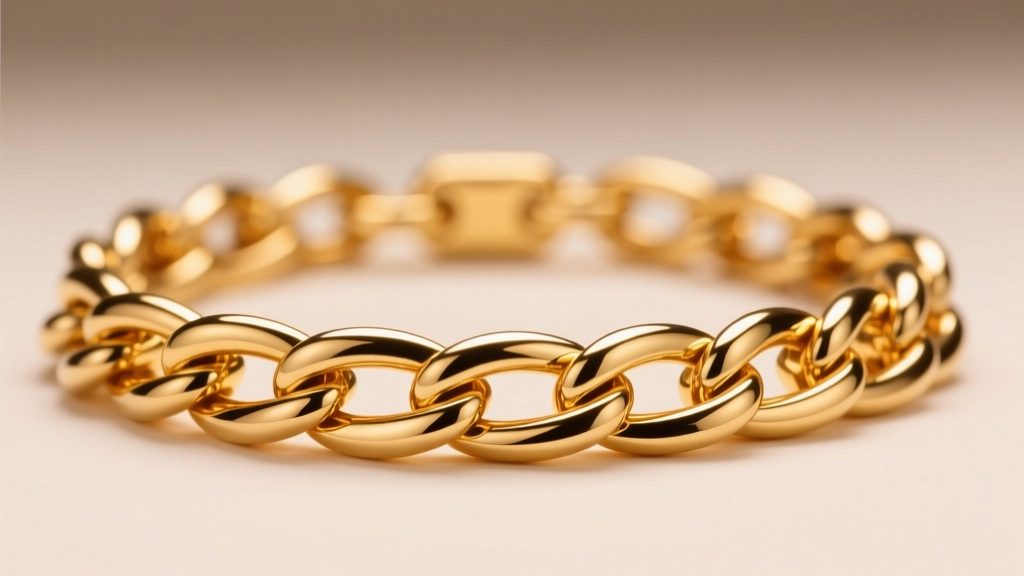
The 'Liquid Metal' and High-Polish Revival
Sleek, high-polish snake chains, herringbone necklaces, and mirror-finish signet rings are dominating 2026 editorial spreads. The aesthetic relies on flawless, uninterrupted light reflection. For these pieces, even microscopic tarnish or water spots ruin the 'liquid metal' illusion. Cleaning requires ultra-gentle surfactants and lint-free drying techniques to maintain a pristine, mirror-like surface without introducing micro-scratches.
Textured Vintage and 'Molten' Gold Aesthetics
Conversely, the 'excavated' or hammered gold trend embraces organic, irregular surfaces that mimic ancient artifacts or molten metal. In these designs, slight tarnish trapped in the crevices and hammer marks is actually desirable. It provides contrast, depth, and an antique patina. Over-cleaning these pieces with harsh polishing cloths will strip the dark oxidation from the recesses, leaving the jewelry looking flat, cheap, and artificially bright.
Step-by-Step: The Master Protocol for Cleaning Tarnished Gold
For standard 14k and 18k solid gold pieces (excluding porous gemstones like opals, emeralds, or turquoise), this is the safest, most effective method to remove sulfide tarnish and sebum buildup.
- The Solution Prep: Fill a ceramic or glass bowl with lukewarm distilled water. Avoid tap water, as the chlorine and calcium can leave hard water spots or react with the alloys. Add three drops of a mild, phosphate-free dish soap (like original Dawn). The surfactants will lift body oils without relying on harsh alkalines.
- The Soak: Submerge the tarnished gold jewelry for 15 to 20 minutes. This softens the sebum and loosens the surface-level copper sulfide bonds.
- Targeted Agitation: Using an extra-soft baby toothbrush (never a standard adult brush, as the bristles are too stiff and will scratch high-polish finishes), gently sweep the bristles over the tarnished areas. For snake chains or herringbone, brush strictly in the direction of the links to prevent snagging.
- The Distilled Rinse: Rinse the piece under a gentle stream of distilled water to remove all soap residue.
- Advanced Drying: Pat dry with a clean, dedicated jewelry microfiber cloth. For intricate filigree or tight chain links, use a can of compressed air or a hair dryer on the 'cool' setting to blow moisture out of the crevices. Trapped moisture accelerates future tarnishing.
The Chemistry of Ruined Gold: What to Strictly Avoid
Many popular DIY cleaning hacks are actively destroying the structural integrity and surface finish of modern gold jewelry. As experts in metallurgical care, we strongly advise against the following:
- Toothpaste: Toothpaste contains hydrated silica, which has a Mohs hardness of 5 to 6. Gold alloys sit between 2.5 and 3 on the Mohs scale. Brushing gold with toothpaste is essentially sanding it with liquid sandpaper, permanently dulling high-polish finishes.
- Baking Soda Pastes: Like toothpaste, baking soda is a crystalline abrasive. It will strip the rhodium plating off white gold and leave microscopic scratches on yellow and rose gold.
- Chlorine and Bleach: According to Rio Grande Jewelry Supply, exposing karat gold to chlorine (in hot tubs, swimming pools, or household bleach) causes stress corrosion cracking. The chlorine attacks the alloy metals, causing prongs to snap and chains to become brittle and shatter.
- Ultrasonic Cleaners for Plated/Vermeil: While ultrasonic waves are excellent for solid gold and diamonds, the cavitation process will violently strip the micron-thin layers of gold vermeil and gold-plated jewelry, exposing the base metal beneath.
Comparison Chart: Cleaning Protocols by Gold Type & Trend
To streamline your jewelry maintenance, reference this matrix based on your specific gold type and the aesthetic trend it represents.
| Gold Type | 2026 Trend Aesthetic | Safe Cleaning Protocol | Strict Avoid |
|---|---|---|---|
| 14k / 18k Solid (Yellow/Rose) | High-Polish Liquid Metal | Dawn soap soak, baby brush, microfiber dry, Sunshine cloth for final buff. | Toothpaste, ultrasonic cleaners (if gem-set with fractures). |
| 14k / 18k Solid (Yellow) | Hammered / Molten Vintage | Mild soap soak, soft rinse. Leave crevice oxidation intact for depth. | Impregnated polishing cloths (will strip intentional antiquing). |
| Gold Vermeil (Sterling Base) | Chunky Sculptural Cuffs | Damp microfiber wipe only. Dry immediately. Store with anti-tarnish strips. | Soaking, ultrasonic cleaners, abrasive pastes, silver dip. |
| Gold Plated (Brass Base) | Delicate Layering Chains | Gentle wipe with a dry, untreated flannel cloth. No liquids. | All liquid soaks, brushing, polishing compounds. |
Expert Verdict: Maintaining Your Gold Wardrobe
Knowing how to clean tarnished gold jewelry is ultimately about respecting the material science behind the art. The most effective way to manage tarnish is preventative. Because copper and silver alloys react heavily with sulfur and moisture, storing your 14k and 18k pieces in airtight, anti-tarnish ziplock bags with silica gel packets when not in use will reduce your cleaning workload by 90%.
Pro-Tip for Mixed-Metal Stacking: If you are participating in the 2026 mixed-metal stacking trend (wearing yellow, white, and rose gold together), clean them separately. The chemical compounds used to create rose gold (high copper) can sometimes transfer microscopic surface oxidation to high-polish white gold (rhodium-plated) if stored damp and tangled together.
By abandoning abrasive kitchen hacks and adopting a chemistry-minded approach to your jewelry care, you ensure that your gold pieces—whether they are meant to gleam like liquid metal or boast an ancient, excavated patina—remain structurally sound and visually striking for generations.


