What Gold Jewelry Doesn't Tarnish? The Complete Guide
Discover what gold jewelry doesn't tarnish. Learn how karats, alloys, and finishes affect longevity, and find the best low-maintenance gold for daily wear.

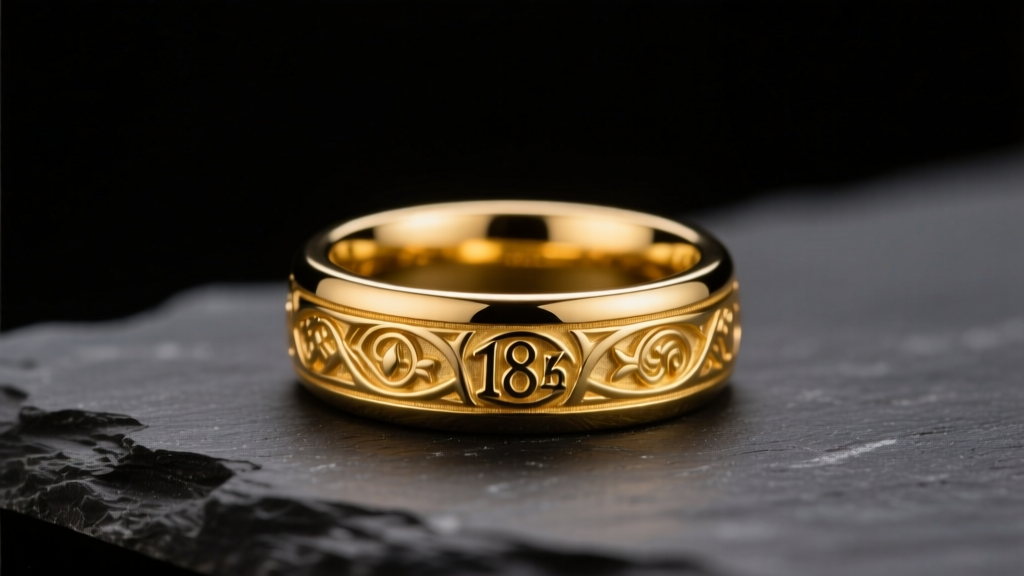
When investing in fine jewelry, one of the most common questions buyers ask is: what gold jewelry doesn't tarnish? The short answer is that pure, 24-karat gold will never tarnish. However, because pure gold is too soft for everyday wear, it is almost always alloyed with other metals to increase its durability. It is these secondary metals—not the gold itself—that cause discoloration over time.
In this comprehensive guide, we will break down the exact science of gold oxidation, compare the tarnish-resistance of different karats and colors, and explain the crucial differences between solid gold, gold-filled, and gold vermeil. Whether you are shopping for a lifetime wedding band or a low-maintenance everyday chain, understanding these material grades will save you from premature wear and disappointing green skin.
The Chemistry of Tarnish: Why Gold Discolors
To understand what gold jewelry doesn't tarnish, you must first understand why jewelry tarnishes in the first place. Gold is a noble metal, meaning it is highly unreactive. It does not corrode, rust, or oxidize when exposed to oxygen or moisture. According to the Gemological Institute of America (GIA), pure gold will remain untarnished for thousands of years, which is why ancient gold artifacts recovered from shipwrecks still shine brilliantly today.
However, pure 24k gold is incredibly malleable. A ring made of 24k gold would bend out of shape within weeks of daily wear. To solve this, jewelers mix pure gold with harder base metals like copper, silver, zinc, and nickel. These alloy metals are highly reactive. When exposed to sulfur, oxygen, and the natural acids in your skin, these base metals oxidize, creating a dark or dull film on the surface of the jewelry. Therefore, the lower the gold content (karat), the higher the percentage of reactive alloys, and the faster the jewelry will tarnish.
The Karat Breakdown: Tarnish Resistance by Purity
The karat system measures the purity of gold on a scale of 24. Here is a detailed data table comparing the tarnish resistance, durability, and best use cases for the most common gold purities found in the jewelry market.
| Karat | Gold Purity | Alloy Content | Tarnish Resistance | Best Use Case |
|---|---|---|---|---|
| 24K | 99.9% | 0.1% | Absolute (Never tarnishes) | Investment pieces, ceremonial jewelry |
| 22K | 91.6% | 8.4% | Extremely High | Occasional wear, traditional cultural jewelry |
| 18K | 75.0% | 25.0% | Very High | Engagement rings, fine everyday jewelry |
| 14K | 58.3% | 41.7% | High (with basic care) | Daily wear rings, chains, durable bracelets |
| 10K | 41.7% | 58.3% | Moderate to Low | Budget-friendly, high-impact pieces |
18K Gold: The Sweet Spot for Fine Jewelry
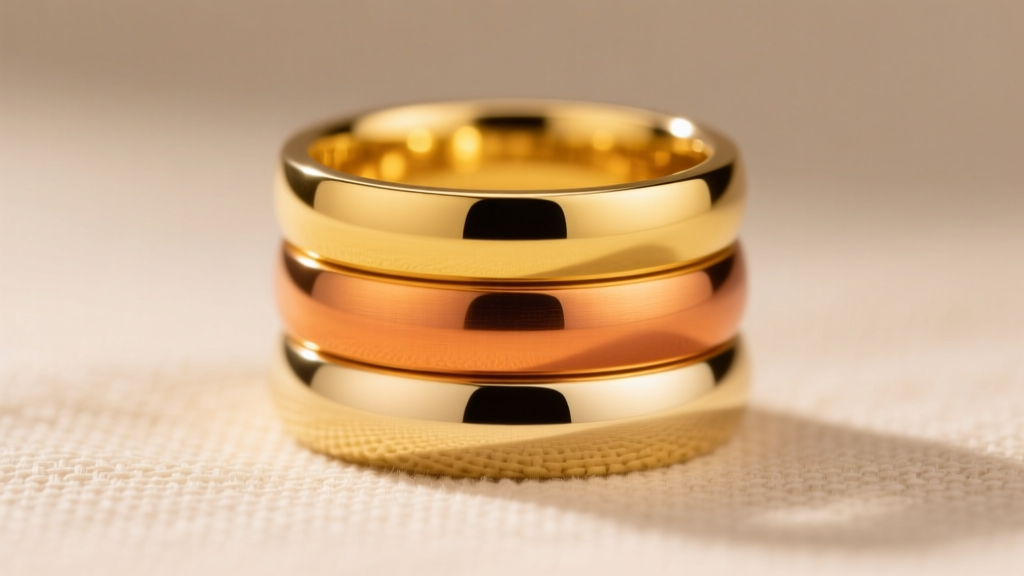
If you are looking for what gold jewelry doesn't tarnish while still being durable enough for an engagement ring or daily necklace, 18k solid gold is the industry standard. Composed of 75% pure gold, the 25% alloy mixture is low enough that tarnishing is exceptionally rare under normal conditions. You would have to expose 18k gold to harsh chemicals or extreme sulfur environments to see any noticeable darkening.
14K Gold: The Workhorse of Daily Wear
14k gold (58.3% pure gold) is the most popular choice in the United States for everyday jewelry. While it contains a higher percentage of reactive alloys than 18k, high-quality 14k gold is still highly tarnish-resistant. It may develop a slight patina over decades of wear, but a simple polish will restore its original luster. It is significantly more resistant to scratching and bending than higher karats.
10K Gold: The Tarnish-Prone Budget Option
10k gold contains more alloy metals (58.3%) than actual gold (41.7%). Because the majority of the metal is composed of copper, silver, or zinc, 10k gold is highly susceptible to oxidation. If you have acidic skin or frequently use lotions and perfumes, 10k gold will likely tarnish and may even leave a green or black mark on your skin.
How Gold Color Affects Tarnishing
It is not just the karat that dictates tarnish; the specific color of the gold plays a massive role. The alloys used to create yellow, rose, and white gold react to the environment very differently.
- Yellow Gold: Alloyed with a balanced mix of silver and copper. It is the most stable and tarnish-resistant of the colored golds, especially in 14k and 18k purities.
- Rose Gold: Achieves its pink hue by using a significantly higher concentration of copper. Because copper oxidizes readily when exposed to moisture and air, 14k rose gold is noticeably more prone to tarnishing and darkening over time compared to 14k yellow gold.
- White Gold: Alloyed with white metals like palladium, nickel, or zinc, and then plated with a microscopically thin layer of rhodium. White gold does not 'tarnish' in the traditional sense, but as the rhodium plating wears away from friction, the underlying alloy—which often has a faint yellowish-gray tint—is revealed. It requires re-plating every few years to maintain its bright, silvery appearance.
Solid Gold vs. Plated, Filled, and Vermeil
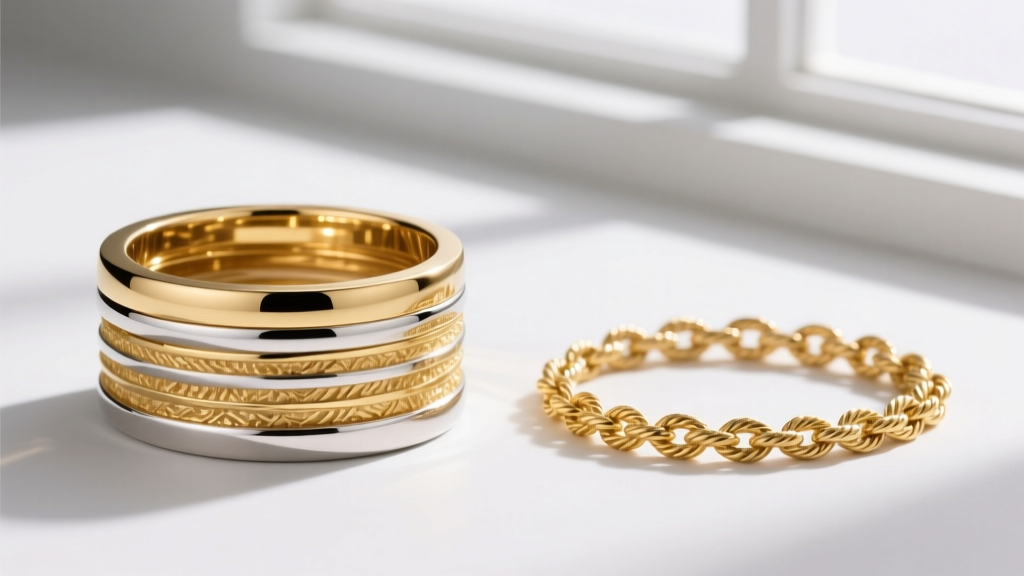
When researching what gold jewelry doesn't tarnish, you must distinguish between solid gold and gold alternatives. Many affordable pieces are marketed as 'gold,' but their internal composition guarantees eventual tarnishing.
Gold Plated and Gold Vermeil
Gold plated jewelry consists of a base metal (usually brass or copper) coated with a microscopic layer of gold (often less than 0.5 microns thick). Once this thin layer wears off through friction or exposure to sweat, the base metal is exposed and will rapidly tarnish, turn your skin green, and potentially cause allergic reactions.
Gold vermeil is a higher-quality alternative. According to the World Gold Council and FTC guidelines, vermeil must feature a sterling silver base with a gold plating of at least 2.5 microns. While it lasts much longer than standard plating, the sterling silver core is highly reactive to sulfur and will eventually tarnish and turn black if the outer gold layer is compromised.
Gold Filled Jewelry
Gold filled jewelry is created by mechanically bonding a thick layer of solid gold (at least 5% of the total weight) to a brass core using heat and pressure. It is vastly superior to plating and can last decades without tarnishing. However, if the jewelry is deeply scratched or cut, the brass core will be exposed and will oxidize. For lifetime, worry-free wear, solid gold remains the only true non-tarnishing option.
Environmental Triggers That Accelerate Oxidation
Even highly tarnish-resistant 14k and 18k solid gold can suffer damage or discoloration if exposed to specific environmental triggers. To keep your jewelry pristine, avoid the following:
- Chlorine: Never wear gold jewelry in swimming pools or hot tubs. Chlorine reacts violently with the copper and zinc alloys in gold, causing a phenomenon known as 'stress corrosion cracking,' which can literally cause the metal to shatter or crumble.
- Sulfur: Hot springs, rubber bands, and certain industrial environments contain high levels of sulfur, which will rapidly darken the silver and copper alloys in your gold jewelry.
- Household Cleaners: Bleach and ammonia-based cleaners will strip the polish from gold and accelerate the oxidation of the underlying alloys.
Pro-Tip for Daily Wearers: If you refuse to take off your 14k solid gold rings, make it a habit to wash them weekly with warm water, a few drops of mild dish soap (like Dawn), and a soft baby toothbrush. This removes the invisible layer of dead skin cells, lotions, and oils that trap moisture against the alloys and initiate the tarnishing process.
Final Verdict: What Should You Buy?
If your absolute priority is finding what gold jewelry doesn't tarnish under any circumstance, 24k gold is the only scientific answer, but it is impractical for daily wear. For a realistic, lifetime piece that requires almost zero maintenance, solid 18k or 14k yellow gold is your best investment. Avoid 10k gold, gold-plated brass, and be prepared for the maintenance required by rose gold and white gold. By prioritizing solid gold constructions and understanding the chemistry of alloys, you can build a jewelry collection that stays brilliant for generations.


