How Can I Tell If My Jewelry Is Real Gold? 2026 Expert Guide
Learn how to tell if your jewelry is real gold using expert testing methods, hallmark decoding, and modern XRF tech in our comprehensive 2026 style guide.

The Evolution of Gold Counterfeits in 2026
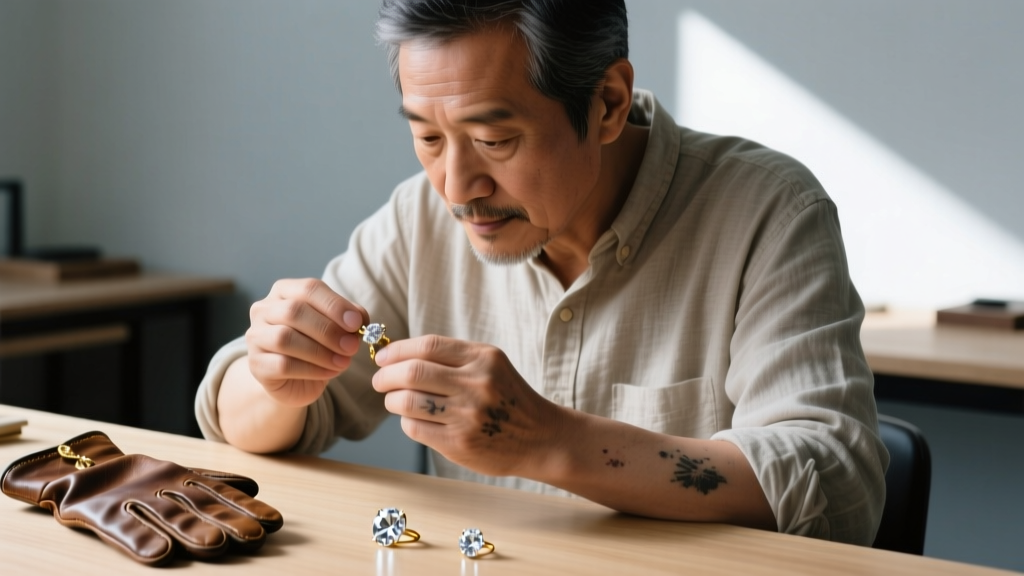
If you have recently inherited an estate piece, scored a vintage find at an auction, or purchased from an online marketplace, you are likely asking: how can I tell if my jewelry is real gold? In 2026, the counterfeit market has become alarmingly sophisticated. We are no longer just dealing with simple brass or copper alloys. Modern counterfeiters utilize tungsten cores—which share a nearly identical specific gravity to gold (19.25 g/cm³ versus gold's 19.32 g/cm³)—coated in thick layers of electroformed 14k or 18k gold. These advanced fakes can easily pass traditional weight and density tests, making it crucial to understand both at-home diagnostics and professional verification methods before investing in or insuring your precious metals.
Decoding Hallmarks: The First Line of Defense
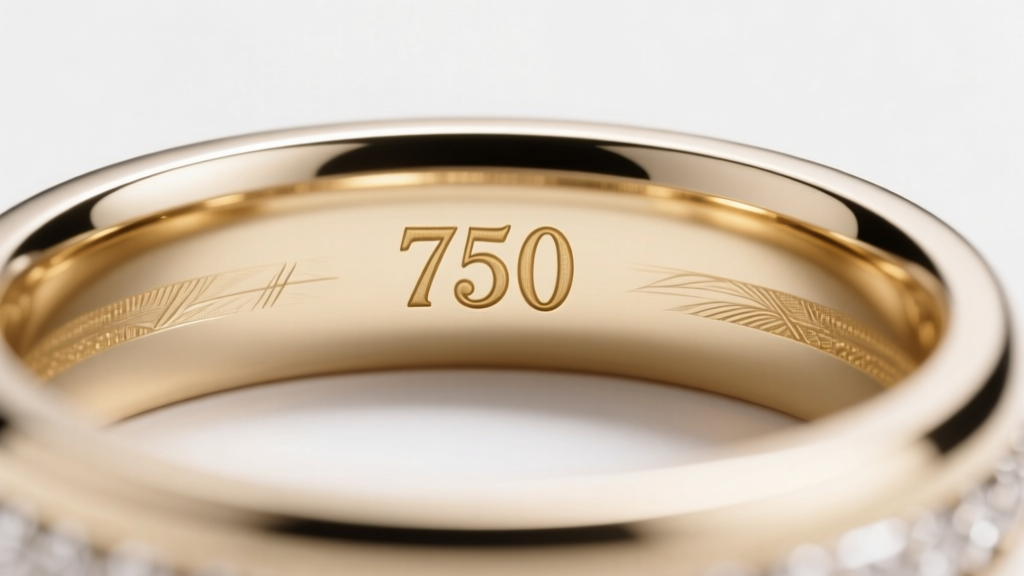
The most immediate step in authenticating gold jewelry is inspecting the hallmark. According to the FTC Jewelry Guides, any piece sold as solid gold in the United States must be accurately stamped with its karatage and accompanied by a registered maker's mark. However, a stamp alone is not a guarantee of authenticity, as counterfeiters can easily replicate hallmarks using laser engraving or micro-stamping tools.
Common Karat Stamps & What They Mean
| Karat | Numeric Stamp | Gold Purity | Common Use Cases & Notes |
|---|---|---|---|
| 10k | 417 | 41.7% | Highly durable, common in US class rings and everyday chains. Prone to tarnishing. |
| 14k | 585 | 58.5% | The US standard for engagement rings and fine jewelry. Excellent balance of color and strength. |
| 18k | 750 | 75.0% | Preferred in Europe and high-end luxury pieces. Richer yellow hue, softer, scratches easier. |
| 24k | 999 | 99.9% | Pure gold. Extremely soft, easily dented. Primarily used in investment bullion or specific cultural bridal jewelry. |
Pro Tip: Use a 30x jeweler's loupe to inspect the stamp. Authentic hallmarks on vintage and high-end pieces are deeply and cleanly struck. If the edges of the numbers look blurry, shallow, or show signs of laser-burn discoloration, proceed with caution.
At-Home Testing: What Works and What's a Myth
While professional testing is the only 100% foolproof method, several at-home tests can help you weed out obvious fakes before taking your jewelry to an appraiser.
The Magnet Test (and its limitations)
Gold is diamagnetic, meaning it is not attracted to magnets. To perform this test, you need a strong neodymium magnet. If your chain or ring snaps to the magnet, it is definitively not solid gold. The Caveat: Many authentic gold necklaces and bracelets use steel springs inside the clasps (like lobster or spring-ring clasps) for tension. A magnetic clasp does not mean the chain is fake, but a magnetic chain link absolutely does.
The Ceramic Scratch Test
Find a piece of unglazed ceramic (the unglazed bottom of a coffee mug works well). Gently drag the gold item across the surface. Real gold is soft and will leave a distinct golden-yellow streak. Pyrite (fool's gold) or gold-plated brass will leave a dark, blackish-grey streak. Warning: This is a destructive test and will scratch your jewelry. Only use this on inconspicuous areas of low-value items.
The Density/Water Displacement Method
This test relies on Archimedes' principle. Weigh your dry jewelry on a precise digital scale. Then, suspend it in a beaker of water on the scale (using a thread) to measure the displaced water's weight. Divide the dry weight by the displaced water weight. Pure 24k gold should yield a ratio of roughly 19.3. 14k gold will sit around 12.9 to 14.6, depending on the alloy metals used. Why this fails in 2026: As mentioned, tungsten-core fakes will pass this test flawlessly. Furthermore, hollow gold chains (like many modern Italian tubular ropes) trap air, completely invalidating water displacement results.
Professional Verification: Acid Kits and XRF Spectrometers
When dealing with high-value items, estate inheritances, or investment-grade chains, skip the at-home hacks and rely on professional metallurgical verification.
Using an Acid Testing Kit Safely
Jewelers use nitric acid solutions calibrated to specific karats (10k, 14k, 18k). The jeweler will rub the item on a testing stone to leave a microscopic streak of metal, then apply a drop of acid.
- If the streak disappears immediately: The item is base metal or gold-plated.
- If the streak turns milky or greenish: The item is a lower karat than the acid being used (e.g., applying 18k acid to a 14k piece).
- If the streak remains bright and unchanged: The metal matches or exceeds the karat of the acid.
XRF Technology: The 2026 Gold Standard
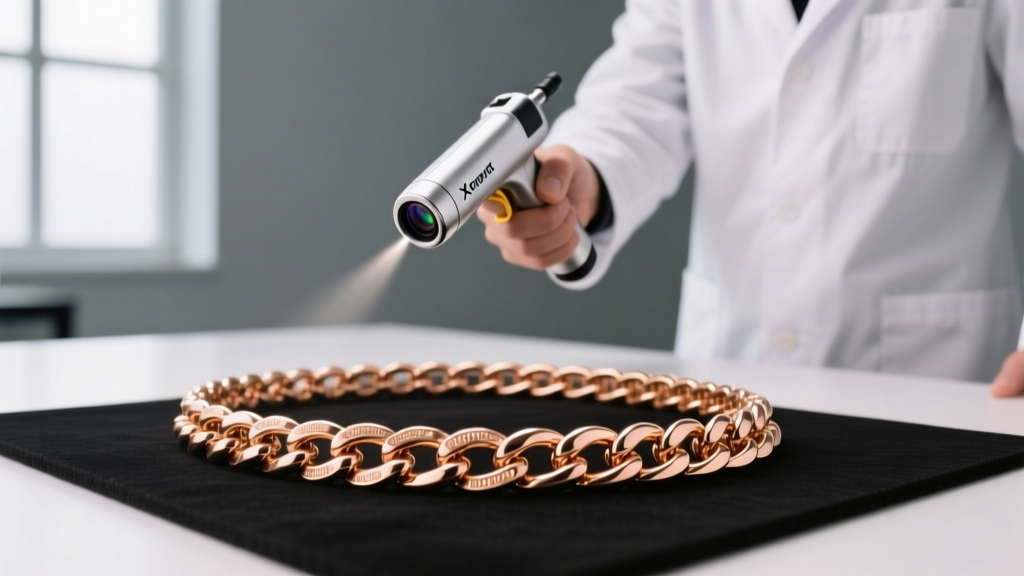
X-ray Fluorescence (XRF) spectrometers have become the undisputed gold standard for authentication. These handheld devices shoot X-rays into the metal and measure the fluorescent light that bounces back, providing an exact elemental breakdown on a digital screen in seconds. An XRF gun will instantly detect a tungsten core hidden beneath a thick layer of 18k gold plating, something acid tests and density tests cannot do. Most reputable jewelers and pawn shops now offer XRF scanning for a small fee or free with an appraisal.
Trend Alert: Verifying Vintage and Artisan Gold Pieces
A major trend in 2026 is the surging demand for unsigned, mid-century artisan gold and European estate jewelry. According to the GIA Gold Quality Factors guidelines, the absence of a hallmark does not automatically mean a piece is fake. Many vintage European pieces were assayed by government testing houses rather than stamped by the maker, and some artisan pieces from the 1970s and 80s were crafted in small studios without registered maker's marks.
'When evaluating unsigned vintage gold, look for the patina and wear patterns. Authentic vintage gold develops a soft, warm luster over decades, and high-contact areas will show honest, smooth wear rather than the flaking or peeling characteristic of degraded gold plating.'
Red Flags When Buying Secondhand Gold
Whether you are browsing a flea market or an online auction, keep an eye out for these immediate dealbreakers:
- Deceptive Stamps: Look out for 'GP' (Gold Plated), 'GEP' (Gold Electroplated), 'HGE' (Heavy Gold Electroplate), or 'GF' (Gold Filled). These indicate the piece is mostly base metal.
- The 'Too Good to Be True' Price: Gold has a universally recognized melt value. If a heavy 14k Cuban link chain is being sold for 30% below its scrap gold weight, it is almost certainly a tungsten fake or a scam.
- Flaking at the Edges: Inspect the links, clasps, and prongs. If you see a silvery or coppery metal bleeding through the high-friction areas, you are looking at gold-plated brass or steel.
- Unusually High Polish on Vintage Items: Counterfeiters often use highly polished brass to mimic the shine of new gold. Real vintage gold usually has a slightly muted, buttery finish.
Final Thoughts
Understanding how to authenticate your precious metals protects your investment and preserves the integrity of your jewelry collection. While hallmarks, magnet tests, and density calculations offer excellent preliminary insights, the rise of tungsten-core counterfeits means that professional XRF testing is the only way to be absolutely certain. Always partner with a certified gemologist or a trusted local jeweler when verifying high-value gold pieces.


