Understanding Jewelry Liquidation: Oro Laminado & 18k Gold Fill
Discover what oro laminado and 18k gold fill mean in jewelry liquidation. Learn how to spot quality, avoid scams, and buy discounted gold wisely.

The Allure of Jewelry Liquidation Sales
The secondary market for wholesale and overstock accessories has exploded, creating massive opportunities for resellers and bargain hunters. However, navigating the complex world of jewelry liquidation, oro laminado, and 18k gold fill lots can be overwhelming for beginners. When browsing online auction sites, wholesale pallets, or estate liquidations, you will frequently encounter a mix of English and Spanish terminology that can easily blur the lines between high-quality gold alternatives and cheap plated fakes.
Understanding the exact metallurgical and legal definitions behind these terms is the difference between securing a highly profitable lot of durable jewelry and wasting money on brass that will tarnish in a week. This guide breaks down the reality of liquidation gold, helping you evaluate inventory with the eye of a seasoned jeweler.
Decoding the Terminology: What is Oro Laminado?
In Latin American markets and many US liquidation circles, you will frequently see the term oro laminado. Translated literally from Spanish, it means "rolled gold" or "laminated gold." In the English-speaking jewelry trade, this is synonymous with Gold Filled (GF).
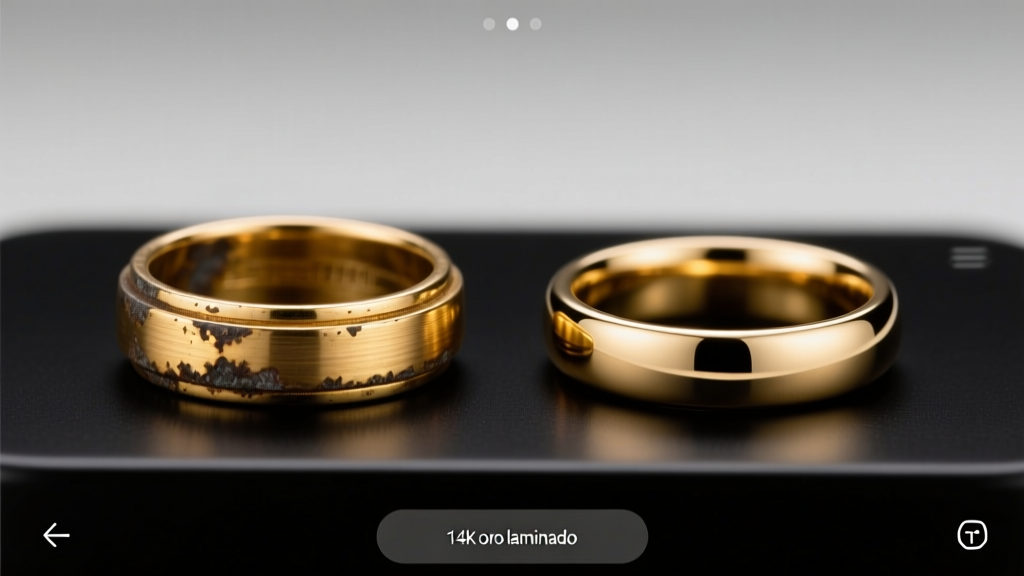
Unlike electroplating, which uses an electrical current to deposit a microscopic layer of gold onto a base metal, oro laminado is created through a mechanical bonding process. A thick sheet of karat gold is placed over a core of jeweler's brass (typically 70% copper and 30% zinc) and subjected to extreme heat and pressure. This fuses the two metals at a molecular level, creating a material that is incredibly durable and resistant to flaking.
The FTC Standard for Gold Fill
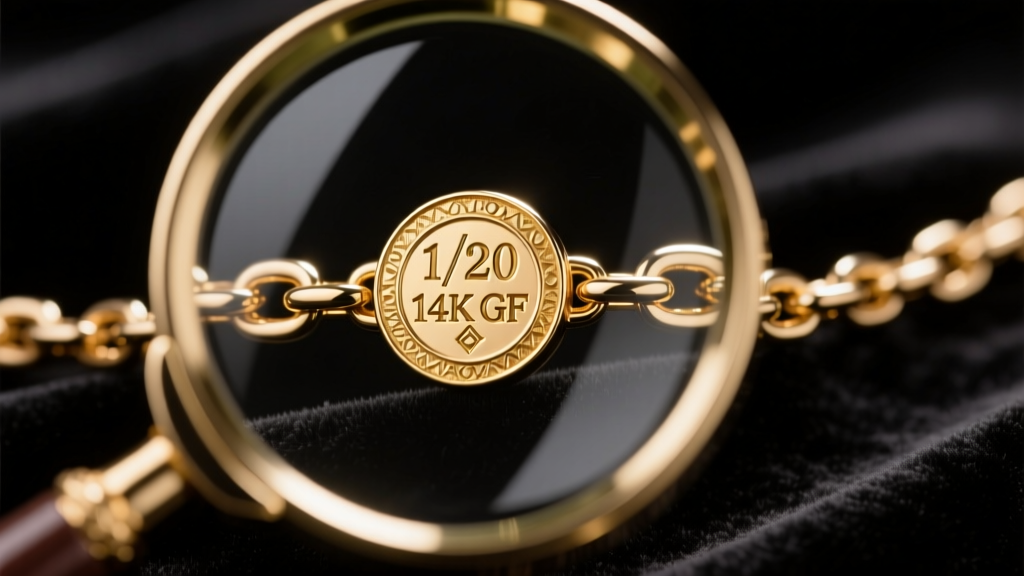
According to the Federal Trade Commission Jewelry Guides, for an item to be legally stamped and sold as Gold Filled in the United States, the gold layer must constitute at least 1/20th (5%) of the total weight of the metal in the item. You will typically see this stamped as 1/20 14K GF. True oro laminado will last for decades with proper care, making it a highly desirable find in a liquidation pallet.
The Myth and Reality of 18k Gold Fill
While browsing liquidation manifests, beginners often get excited by listings advertising "18k Gold Fill." It is crucial to approach these claims with extreme skepticism. According to the Gemological Institute of America (GIA), the vast majority of authentic gold-filled jewelry is made with 12k or 14k gold.
Why is 18k gold fill so rare? Pure 24k gold is very soft. When alloyed to 18k (75% pure gold), the resulting metal is still relatively soft and malleable. The mechanical heat-and-pressure bonding process required to fuse gold to a brass core is much more difficult with 18k gold, as the softer gold layer is prone to delamination, warping, and uneven rolling.
If a liquidation supplier is offering bulk lots of "18k GF," it is almost always a misnomer. In many cases, overseas manufacturers use "18k GF" as a deceptive shorthand for 18k Gold Plated (a microscopic flash plate over brass) or 18k Gold Vermeil (plated over sterling silver). Always demand assay reports or perform your own testing before buying bulk 18k GF lots.
Liquidation Economics: Pricing and Value Matrix
When evaluating a liquidation pallet, you must understand the intrinsic scrap value versus the resale value. Below is a comparison of common materials you will encounter in wholesale lots, based on average 2026 market metrics.
| Material Type | Gold Content | Avg. Liquidation Cost (Per Piece) | Durability & Tarnish Resistance |
|---|---|---|---|
| Solid 14k Gold | 58.5% Pure Gold | $80 - $150+ | Excellent. Will not tarnish. High scrap value. |
| Oro Laminado (1/20 14k GF) | 5% Pure Gold by weight | $8 - $25 | Excellent. Lasts 10-30 years. Low scrap value. |
| 18k Gold Vermeil | Microscopic layer over .925 Silver | $12 - $30 | Good, but wears off eventually. Base is valuable. |
| 18k Flash Plated (Fake GF) | 0.05% Pure Gold over Brass | $1 - $4 | Poor. Tarnishes in weeks. Zero scrap value. |
As a beginner, your sweet spot in jewelry liquidation is Oro Laminado (1/20 14k GF). The margins are excellent because the perceived value is high, the pieces look identical to solid gold, and they will not result in customer complaints regarding tarnishing.
Red Flags in Wholesale and Liquidation Gold
Liquidation sellers often rely on the buyer's ignorance of metallurgy. Watch out for these specific red flags when evaluating a lot:
- The Magnet Test Failure: Gold and brass are non-magnetic. If the clasps or jump rings in an oro laminado lot stick to a magnet, the underlying metal is steel or iron, meaning it is cheap plated costume jewelry, not true gold fill.
- Missing or Altered Stamps: Authentic oro laminado will almost always bear a stamp like 1/20 12K GF, 1/20 14K GF, or Oro Laminado 18k (in specific Latin American markets). If the pieces are completely unstamped, assume it is electroplated brass.
- Flaking at the Edges: Inspect high-friction areas like chain links and clasp joints. If you see silver or copper-colored flakes peeling away, the mechanical bond has failed, indicating poor manufacturing or that the item is actually heavy gold electroplate (HGE), which is prone to peeling.
How to Test and Verify Liquidation Gold Fill
When you receive a liquidation pallet, you must verify the inventory before listing it for resale. Standard electronic gold testers (which measure electrical conductivity) are notoriously unreliable for gold fill. Because the outer layer is real gold, the tester will often read it as solid gold, giving you a false sense of security regarding the item's melt value.

The XRF Scanner Method
The gold standard for non-destructive testing in the liquidation industry is X-Ray Fluorescence (XRF). An XRF scanner shoots X-rays into the metal and measures the fluorescent X-rays emitted back, providing an exact elemental breakdown. This will tell you precisely how many microns of gold are on the surface and confirm if the core is brass or copper. While XRF machines are expensive, many local pawn shops or scrap yards will test a few sample pieces from your lot for a small fee.
The Destructive Acid Test
If you cannot access an XRF scanner, you can use a traditional jeweler's acid test kit, but it must be done aggressively. You must take a steel file and cut a deep notch into an inconspicuous area of the jewelry (like the inside of a ring band). The goal is to file completely through the gold layer and expose the brass core. Apply 14k testing acid to the notch. If the acid turns green and bubbles, you have hit the brass core, confirming it is gold-filled or plated. If the acid remains clear, the item is solid gold throughout.
Final Verdict for Beginners
Jewelry liquidation can be a highly lucrative avenue for sourcing inventory, provided you understand the materials you are buying. Oro laminado and true 1/20 14k gold fill represent some of the best value propositions in the secondary market, offering the look and longevity of solid gold at a fraction of the cost. However, you must remain highly skeptical of "18k gold fill" claims, which are frequently misleading marketing terms for cheap flash plating.
By relying on FTC stamping standards, utilizing proper XRF or deep-file acid testing, and understanding the mechanical bonding process, you can confidently navigate wholesale manifests, avoid costly scams, and build a reputable, high-quality jewelry business. For further reading on metal compositions, consult the Rio Grande Metals Guide to deepen your understanding of jewelry manufacturing standards.


