How to Replate Gold Jewelry: Fix Fading & Scratches
Learn when and how to replate gold jewelry. Discover costs, troubleshooting tips for fading, and whether to choose professional or DIY replating.

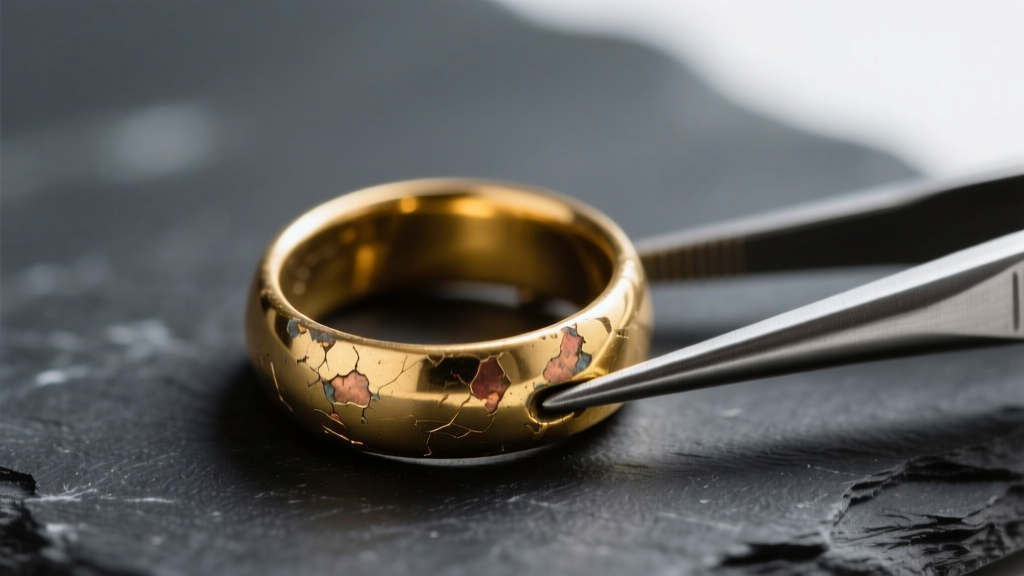
Gold-plated jewelry offers the luxurious aesthetic of solid gold at a fraction of the cost, but it comes with an inevitable expiration date. Over time, friction, skin chemistry, and environmental exposure will wear away the microscopic layers of gold, revealing the base metal beneath. When your favorite pieces begin to fade, tarnish, or turn your skin green, you are faced with a critical decision: replace the item or restore it. Understanding how to replate gold jewelry requires a deep dive into electrochemistry, base metal compatibility, and cost-benefit analysis.
The Anatomy of Gold Plating Failure
To troubleshoot failing gold jewelry, you must first understand how it was manufactured. Gold plating is an electrochemical process where a thin layer of gold is deposited onto a conductive base metal (usually brass, copper, or sterling silver) using an electrical current and a gold-salt solution. The durability of this layer is dictated by its thickness, measured in microns (µm).
- Flash Plating (0.175 µm or less): Often found in fast-fashion jewelry. This ultra-thin layer wears off within weeks of daily wear, particularly on high-friction areas like ring bands and chain clasps.
- Standard Gold Plated (0.5 µm - 1.0 µm): Common in mid-tier boutique jewelry. Offers 1 to 2 years of moderate wear before requiring maintenance.
- Heavy Gold Electroplate / Vermeil (2.5 µm+): The Federal Trade Commission (FTC) strictly regulates these terms. Vermeil specifically requires a sterling silver base with a minimum of 2.5 microns of gold. This thickness can last 5+ years with proper care.
When the gold layer breaches, the underlying base metal is exposed to oxygen and moisture. If the base is brass or copper, oxidation creates copper salts, which manifest as the dreaded "green skin" effect and cause the remaining gold edges to flake or peel.
Troubleshooting Common Plating Issues
Before you decide to replate, diagnose the specific failure mode. Not all wear patterns require a full strip-and-replate; some can be mitigated with targeted polishing or localized brush plating.
| Symptom | Root Cause | Pre-Replate Fix / Action |
|---|---|---|
| Localized fading on high-contact edges | Mechanical friction wearing through the micron layer | Full strip and professional tank replating required. |
| Flaking or peeling gold patches | Poor initial adhesion or base metal outgassing | Ultrasonic strip, apply a palladium strike layer, then replate. |
| Dark tarnish bleeding through gold | Silver sulfide (on vermeil) or copper oxidation migrating | Electrocleaning and acid activation before applying new gold. |
| Pitting or rough texture under gold | Base metal porosity or trapped polishing compounds | Aggressive buffing with a rouge wheel to smooth the substrate. |
When Is Replating Actually Worth It?
Replating is not a one-size-fits-all solution. The financial and structural viability of restoring a piece depends heavily on the base metal and the item's intrinsic or sentimental value.
Base Metal Considerations
Replating over sterling silver (vermeil) is highly successful. Silver provides a smooth, non-porous substrate that bonds beautifully with gold. However, replating over brass or copper alloys is notoriously difficult. Brass contains zinc, which can migrate into the gold layer over time, causing a phenomenon known as "zinc bloom" that dulls the gold's color. Professional jewelers must apply a barrier layer (strike) of nickel or palladium between the brass and the gold to prevent this migration. If your local jeweler skips the strike layer on a brass piece, the replating job will fail within months.
Cost vs. Value Breakdown
Professional replating costs generally range from $45 to $150, depending on the piece's surface area, the karat of the gold solution used, and the required prep work. According to industry suppliers like Rio Grande, 24k gold plating solutions are significantly more expensive than 14k or 18k alternatives due to the pure gold content.
- Small Rings / Studs: $45 - $75
- Chains / Bracelets: $80 - $120 (due to complex link structures requiring high-current throw power)
- Large Cuffs / Statement Pieces: $130 - $200+
Rule of Thumb: Never spend $80 to replate a $30 mass-produced brass ring unless it holds irreplaceable sentimental value. Conversely, spending $90 to restore a $400 designer vermeil chain is a sound financial decision.
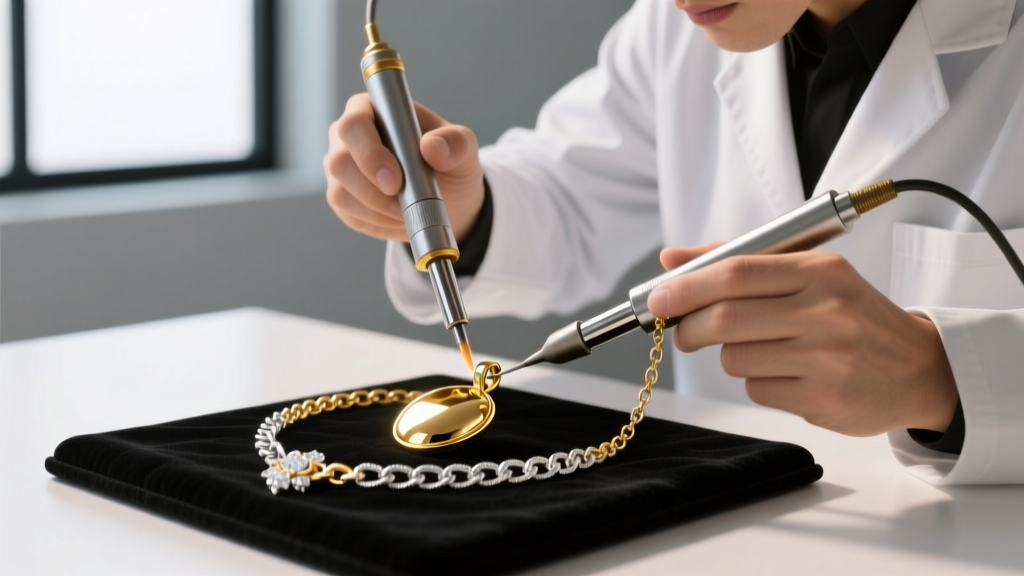
The Replating Process: Professional vs. DIY
The internet is flooded with DIY gold plating kits, but the reality of electrochemistry makes professional services vastly superior for wearable jewelry.
Professional Electroplating Parameters
A reputable jeweler follows a rigorous multi-step protocol to ensure the new gold layer adheres permanently and shines brilliantly. According to the Gemological Institute of America (GIA), surface preparation is the single most critical factor in plating longevity. The professional workflow includes:
- Ultrasonic Degreasing: Removing microscopic skin oils and lotions.
- Electrocleaning: Using a reverse-current alkaline bath to lift embedded dirt from the metal's pores.
- Acid Activation: A mild sulfuric or citric acid dip to remove oxides and prepare the atomic surface for bonding.
- Strike Layer (if needed): A flash of palladium or nickel for brass/copper bases.
- Gold Plating: Submerging the piece in a heated (120°F - 140°F) gold cyanide or non-cyanide bath, using a rectifier to apply precise voltage (usually 1.5V to 3.0V) for a calculated duration to achieve the target micron thickness.
The Reality of DIY Brush Plating
DIY brush plating kits (often using a wand dipped in solution and connected to a 9V battery) are adequate for touching up a tiny scratch on a coin or a non-wearable trinket. However, they lack the "throw power" required to plate evenly inside the crevices of a chain or a textured ring. Furthermore, DIY solutions often yield a porous, dull deposit that tarnishes rapidly and rubs off within weeks. For jewelry that touches the skin and endures daily friction, professional tank plating is the only reliable troubleshooting method.
Post-Replate Care Framework
Once you have invested in replating your gold jewelry, implementing a strict care framework will maximize the lifespan of the new micron layer. The goal is to minimize chemical attacks and mechanical abrasion.
Chemical Threats to Avoid
- Chlorine: Never wear gold-plated jewelry in swimming pools or hot tubs. Chlorine aggressively attacks the copper and zinc alloys in the base metal. If micro-cracks exist in the plating, chlorine will cause the base metal to corrode from the inside out, causing the gold to blister.
- High-Alcohol Fragrances: Spraying perfume directly onto your neck while wearing a plated chain will degrade the gold layer over time due to the alcohol and essential oil solvents.
- Acidic Lotions: Skincare products containing AHAs, BHAs, or Vitamin C (ascorbic acid) can slowly etch the gold surface.
Mechanical Protection
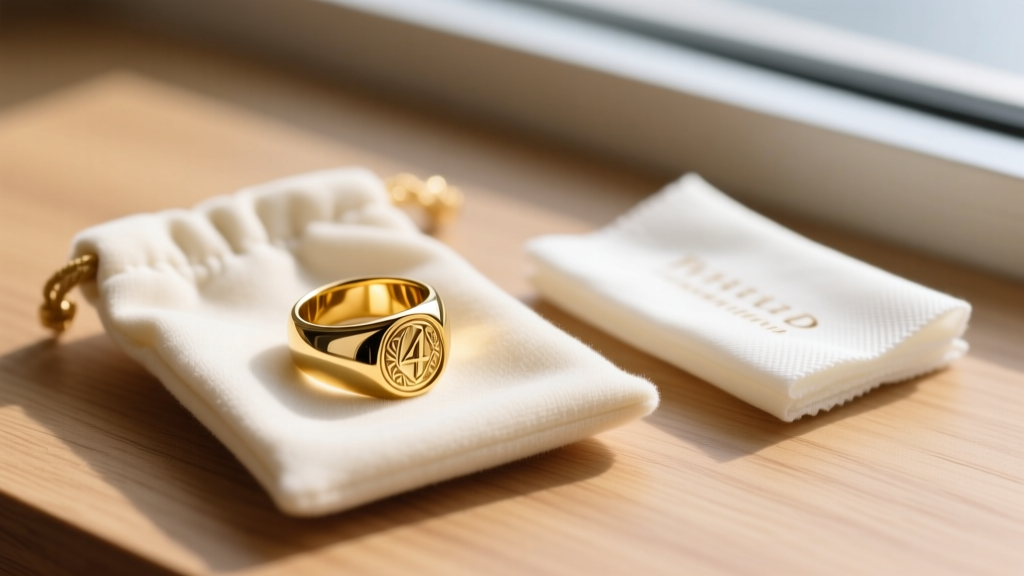
Store replated pieces individually in soft microfiber pouches to prevent them from scratching against harder metals like stainless steel or tungsten in your jewelry box. When cleaning, avoid ultrasonic cleaners and harsh chemical dips; instead, use a few drops of pH-neutral dish soap, warm water, and an ultra-soft baby toothbrush to gently dislodge debris, followed by immediate pat-drying with a lint-free cloth. By understanding the science of plating and respecting the limits of the micron layer, you can keep your restored gold jewelry looking flawless for years to come.


