How to Restore Gold Plated Jewelry at Home: Material Guide
Learn how to restore gold plated jewelry at home with our material science guide. Compare plating, vermeil, and DIY re-plating methods for lasting shine.

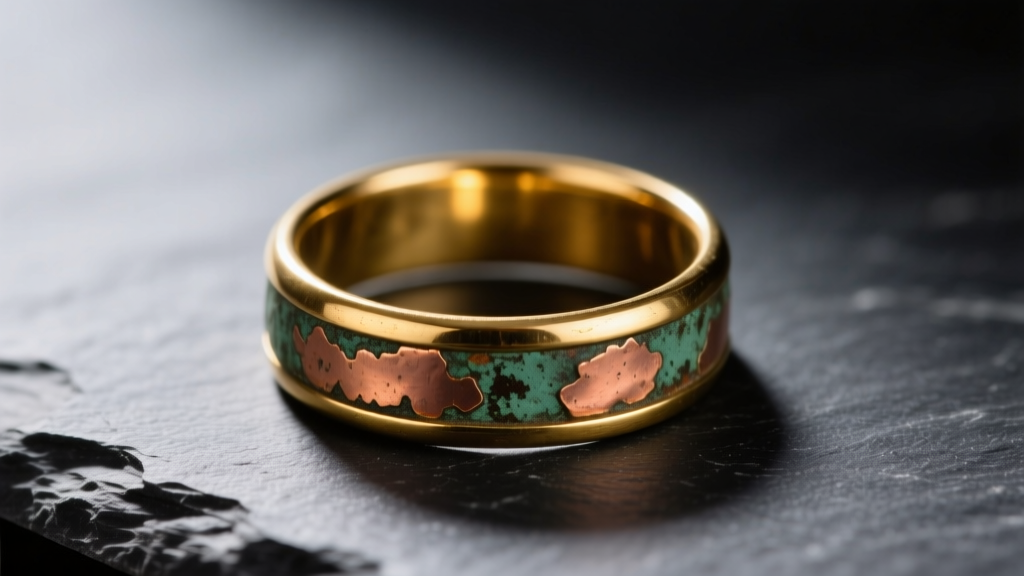
The Material Science of Gold Plating: Why It Fades
Before attempting to fix a faded necklace or ring, it is crucial to understand the metallurgy of your piece. Learning how to restore gold plated jewelry at home requires recognizing that gold plating is not a solid metal, but a microscopic veneer. According to the Federal Trade Commission (FTC) Jewelry Guides, an item can only be legally labeled 'gold plated' if the gold layer is at least 0.175 microns thick. Heavy gold electroplate requires a minimum of 2.5 microns.
Because this layer is so thin, it is inherently porous. When the underlying base metal—usually brass, copper, or nickel—is exposed to moisture, sweat, and oxygen, it begins to oxidize. This oxidation 'bleeds' through the microscopic pores of the gold layer, resulting in dark, tarnished spots or the dreaded green skin effect. Furthermore, human sweat acts as an electrolyte. When it bridges the noble gold and the base brass, it triggers galvanic corrosion, rapidly eating away at the base metal and causing the gold plating to flake or peel.
Material Comparison: Plated vs. Vermeil vs. Filled
Not all gold-toned jewelry can be restored using the same methods. The viability of your DIY restoration depends entirely on the material's core properties. The Gemological Institute of America (GIA) notes that the karat and thickness of the gold alloy dictate its durability and color stability.
| Material Type | Base Metal | Gold Thickness | Restoration Viability | DIY Re-Plating Safe? |
|---|---|---|---|---|
| Gold Plated | Brass, Copper, Nickel | 0.17 - 0.5 microns | Low (Requires full re-plating if worn) | Yes (with brush plating) |
| Gold Vermeil | Sterling Silver (925) | 2.5+ microns | High (Silver base won't turn skin green) | Yes (Immersion or brush) |
| Gold Filled | Brass Core | 5% of total weight (approx 15+ microns) | Very High (Rarely wears through) | No (Mechanically bonded) |
Step-by-Step: How to Restore Gold Plated Jewelry at Home
If your jewelry is simply tarnished or dull due to oils and environmental oxidation, a careful cleaning protocol can restore its original luster without stripping the remaining microns of gold.
Phase 1: Deep Cleaning (Removing Tarnish and Oils)
The most common mistake consumers make is using abrasive home remedies. Baking soda has a Mohs hardness of 2.5, which is the exact same hardness as pure gold. Scrubbing gold plating with baking soda or toothpaste (Mohs 3-4) will create micro-scratches, increasing the surface area and accelerating future wear.
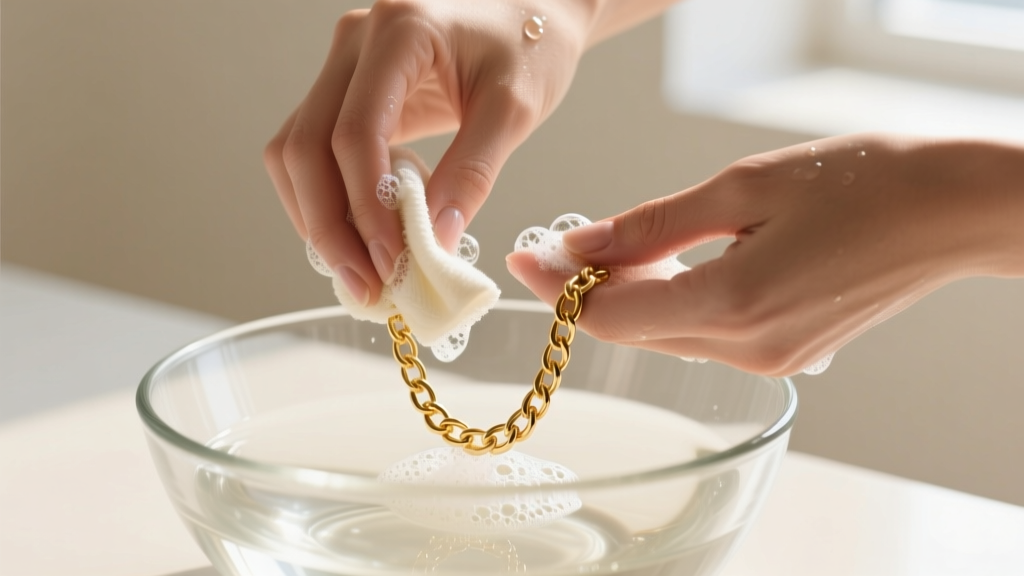
The Safe Cleaning Protocol:
- Solution: Mix 2 cups of warm distilled water (tap water contains chlorine and hard minerals that can react with the base metal) with 3 drops of pH-neutral dish soap, like original Dawn.
- Agitation: Soak the piece for exactly 3 to 5 minutes. Do not exceed this, as prolonged water exposure can seep into the plating pores.
- Friction: Gently wipe the piece with a lint-free microfiber cloth. If there is stubborn grime in the crevices, use a baby-bristle toothbrush (which is significantly softer than standard adult bristles).
- Drying: Pat dry immediately and use a hair dryer on the 'cool' setting to blow moisture out of microscopic gaps and chain links.
Phase 2: Polishing the Exposed Base Metal
If the gold plating has completely worn off in high-friction areas (like the inside of a ring band or the clasp of a necklace), cleaning will not bring the gold back. You are now looking at exposed brass or copper.
To restore the piece to a wearable state, you must polish the base metal to prevent it from oxidizing and turning your skin green. Apply a tiny amount of a specialized brass/copper polish, such as Wenol or Brasso, to a cotton swab. Carefully rub the exposed areas until the tarnish lifts and the metal shines. Wipe away all residue with a damp cloth and dry thoroughly. While this won't make it gold again, it will restore a bright, intentional-looking metallic finish.
DIY Re-Plating Kits vs. Professional Electroplating
For those wondering how to restore gold plated jewelry at home when the gold is entirely gone, DIY electroplating is an option, though it requires an understanding of basic chemistry and electrical currents.
'Brush plating is the most accessible method for home jewelers. It allows you to apply gold solution to specific worn areas using a specialized wand connected to a low-voltage power supply, avoiding the need to submerge delicate pieces with glued-in gemstones.' — Metallurgy & Jewelry Restoration Journal
Companies like Gold Plating Services sell at-home brush plating kits ranging from $120 to $180. These kits include a 24k or 18k gold solution, a power supply, and a plating wand. The process involves cleaning the piece with an electro-cleaning solution, applying a 'strike' layer of nickel or copper to ensure adhesion, and finally brushing on the gold layer. While the upfront cost is higher than taking a single piece to a jeweler (which typically costs $40 to $75), the kit pays for itself after restoring just three or four items.
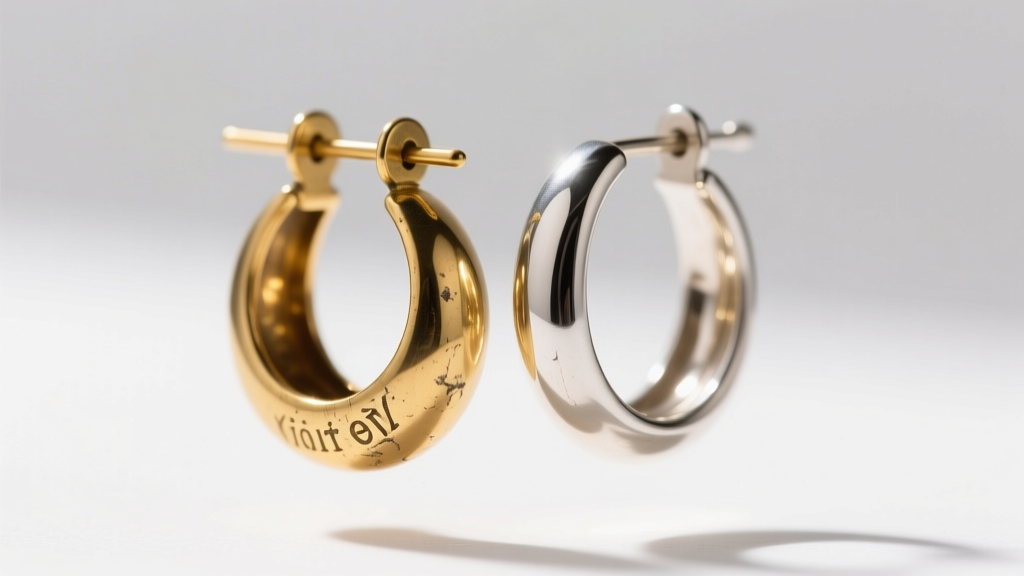
Preventative Care: Extending the Lifespan of Restored Pieces
Once you have successfully restored your gold-plated jewelry, the goal shifts to preservation. Because the gold layer is measured in mere microns, friction and chemical exposure are your biggest enemies.
The Clear Coat Debate
A popular internet hack suggests painting gold-plated rings with clear nail polish to prevent fading. From a material science perspective, this is a temporary fix with significant drawbacks. Nail polish contains solvents like toluene and ethyl acetate. Over time, these solvents can actually degrade the microscopic gold layer and the underlying base metal adhesives. Furthermore, when the polish inevitably chips, it takes microscopic flakes of the gold plating with it, accelerating wear.
Proper Storage and Wear Protocols
Instead of chemical barriers, rely on environmental control:
- Anti-Tarnish Strips: Store your restored pieces in airtight ziplock bags with 3M anti-tarnish strips. These strips absorb airborne sulfur compounds that cause the underlying base metals to oxidize.
- Pacific Silvercloth: For larger items or jewelry boxes, line the interior with Pacific Silvercloth, which is embedded with fine silver particles that intercept and neutralize corrosive gases before they reach your jewelry.
- The 'Last On, First Off' Rule: Always put your gold-plated jewelry on after applying lotions, perfumes, and hairspray. The alcohols and emulsifiers in cosmetics act as mild solvents that break down the gold-to-base-metal bond over time.
By understanding the material properties of your jewelry and avoiding abrasive, internet-famous cleaning hacks, you can safely restore and maintain your gold-plated collection for years to come.


