Understanding Selling Gold Jewelry Prices: 2026 Beginner Guide
Learn how selling gold jewelry prices are calculated in 2026. Discover karat values, melt vs. retail, and tips to maximize your payout.

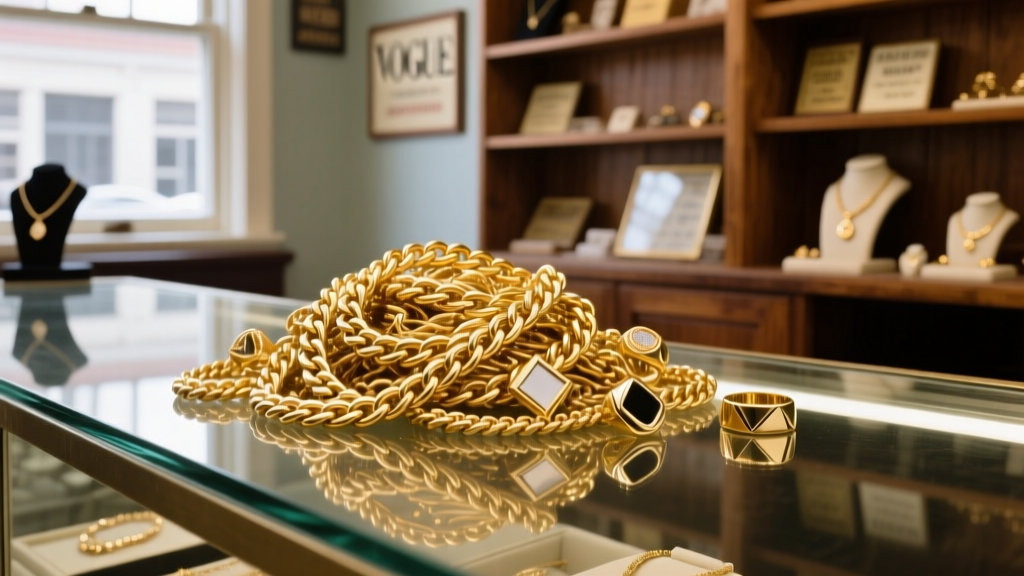
When you inherit a vintage piece, go through a divorce, or simply decide to liquidate an unworn accessory, navigating the secondary precious metals market can feel incredibly overwhelming. If you have ever walked into a buyer's office and wondered why the offer you received felt so far removed from the price you originally paid, you are not alone. Understanding selling gold jewelry prices requires peeling back the layers of retail markups, manufacturing costs, and daily commodities trading. In 2026, with global economic shifts keeping gold spot prices highly volatile—often fluctuating between $2,300 and $2,500 per troy ounce—knowing the exact mechanics of how your jewelry is valued is the single most important step to protecting your financial interests.
This beginner-friendly explainer will demystify the valuation process, break down the exact mathematics buyers use, and provide a concrete action plan to ensure you never leave money on the table.
The Core Concept: Melt Value vs. Retail Value
The most common mistake beginners make is conflating retail replacement value with intrinsic melt value. When you buy a gold necklace from a mall jeweler, the price tag covers the cost of the raw metal, the labor to cast and polish it, the brand's marketing budget, the physical storefront's overhead, and the sales associate's commission.
When you sell that same necklace, the vast majority of buyers are only purchasing the raw material. They intend to melt it down and refine it into pure gold bullion. Therefore, selling gold jewelry prices are almost entirely anchored to the 'melt value'—the exact worth of the precious metal content on the live commodities market. Unless your piece is a highly sought-after vintage designer item (like a classic Cartier Love bracelet or a Tiffany piece with original packaging), the craftsmanship and brand name hold zero value to a standard gold buyer.
How Selling Gold Jewelry Prices Are Calculated
To understand the offer you are being handed, you need to understand the buyer's math. Precious metals are traded globally in troy ounces, but your jewelry is weighed in grams. One troy ounce equals exactly 31.1035 grams. Buyers use a specific formula to determine your baseline payout.
The Spot Price and Purity Multiplier
The 'spot price' is the live, real-time market price for one troy ounce of 24-karat (pure) gold. Because most jewelry is alloyed with other metals like copper, silver, or zinc for durability, buyers must apply a purity multiplier based on the karat stamp. Here is the exact formula buyers use:
(Current Spot Price ÷ 31.1035) × Item Weight in Grams × Karat Purity Percentage = Melt Value
Let us look at a real-world 2026 scenario. Assume the spot price is $2,400 per troy ounce, and you are selling a 15-gram 14k gold chain.
- Step 1: $2,400 ÷ 31.1035 = $77.16 (Price per gram of pure 24k gold)
- Step 2: 14k gold is 58.3% pure. $77.16 × 0.583 = $44.98 (Melt value per gram of 14k gold)
- Step 3: $44.98 × 15 grams = $674.70 (Total intrinsic melt value)
According to guidelines from the Federal Trade Commission (FTC), reputable buyers should be transparent about this math and show you the live spot price they are using for the transaction.
Karat Purity and Multiplier Chart
| Karat Stamp | Purity % | Multiplier | Est. Value/Gram (at $2,400 Spot) |
|---|---|---|---|
| 24k | 99.9% | 0.999 | $77.08 |
| 22k | 91.6% | 0.916 | $70.68 |
| 18k | 75.0% | 0.750 | $57.87 |
| 14k | 58.3% | 0.583 | $44.98 |
| 10k | 41.7% | 0.417 | $32.17 |
Where to Sell: Comparing Buyer Payout Margins
Not all buyers offer the same percentage of the melt value. The convenience of the transaction is inversely proportional to the payout you will receive. Here is a breakdown of the primary avenues for liquidating gold jewelry in 2026.
1. Pawn Shops and 'Cash for Gold' Storefronts (55% - 70% Payout)
Pawn shops offer immediate, walk-out-the-door cash, but they have the highest overhead and risk profiles. Consequently, they typically offer the lowest margins, paying between 55% and 70% of the calculated melt value. They must leave room to resell the item on their showroom floor or hold it for months before sending it to a commercial refiner.
2. Local Coin Dealers and Bullion Shops (75% - 85% Payout)
Numismatic and bullion dealers are generally much more knowledgeable about precious metals than general pawn brokers. Because their primary business is trading metals close to the spot price, they often pay 75% to 85% of melt value for scrap jewelry. They are an excellent middle-ground option for fast, fair transactions.
3. Online Mail-In Refiners (85% - 95% Payout)
Companies that specialize in large-scale commercial refining offer the highest payouts for scrap gold, often returning 90% or more of the melt value. The trade-off is time and trust. You must ship your items via insured mail, wait for an assay (testing) report, and approve the final offer. Always verify a refiner's Better Business Bureau rating and ensure they offer insured shipping and camera-recorded unboxing processes.
4. Private Peer-to-Peer Sales (100%+ Payout)
Selling directly to an end consumer via platforms like eBay or local classifieds can net you more than the melt value, especially for attractive, wearable pieces. However, this route requires dealing with photography, listing fees, shipping logistics, and a high risk of fraudulent chargebacks or scams.
Hidden Factors That Impact Your Final Offer
Even if you know the math, physical realities of your jewelry can alter the final check you receive. Be prepared for the following deductions.
Gemstones and Non-Gold Components
Buyers are purchasing the gold, not the diamonds, sapphires, or cubic zirconia. In most cases, small melee diamonds (under 0.10 carats) have virtually no secondary market value. Buyers will either deduct the estimated weight of the stones from your total gram weight before calculating the offer, or they will ask you to let them crush the settings to remove the stones for an accurate weigh-in. Never expect a premium for small, commercial-grade gemstones in scrap gold.
Solder Points and Hollow Construction
If you are selling a gold chain, be aware that the clasps and links are often attached using gold solder, which has a much lower karat purity than the chain itself. Furthermore, many modern gold chains are 'hollow' or 'semi-solid' to appear thicker while using less metal. A buyer will use a specific gravity test or an X-ray fluorescence (XRF) scanner to detect hollow pockets or heavy solder joints, which can lower the effective purity assay of the entire piece. You can track live market shifts and buyer premiums using trusted industry resources like Kitco.
Step-by-Step Action Plan for Maximum Payout
Do not walk into a single store and accept the first offer. Follow this precise protocol to ensure you capture the highest possible selling gold jewelry prices.
- Weigh and Sort at Home: Purchase a cheap digital jewelry scale (accurate to 0.01 grams) online. Weigh your items and sort them strictly by karat stamp (10k, 14k, 18k). Never let a buyer weigh all your karats together in one pile.
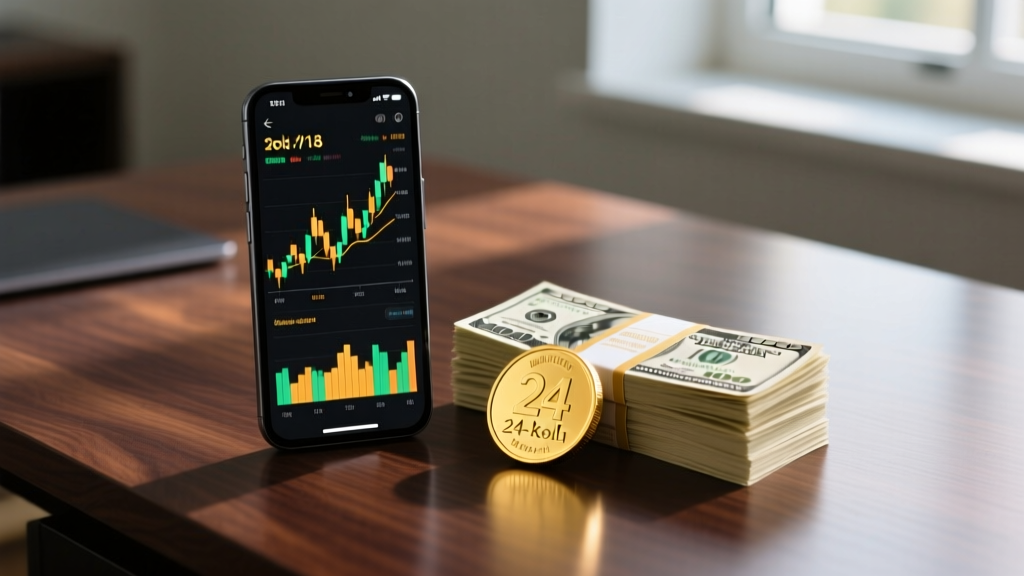
- Check the Live Spot Price: Look up the current spot price on your phone right before you walk into the store. Calculate your baseline melt value using the formula provided above.
- The Rule of Three: Visit at least three different types of buyers (e.g., one pawn shop, one coin dealer, and request a mail-in estimate from an online refiner).
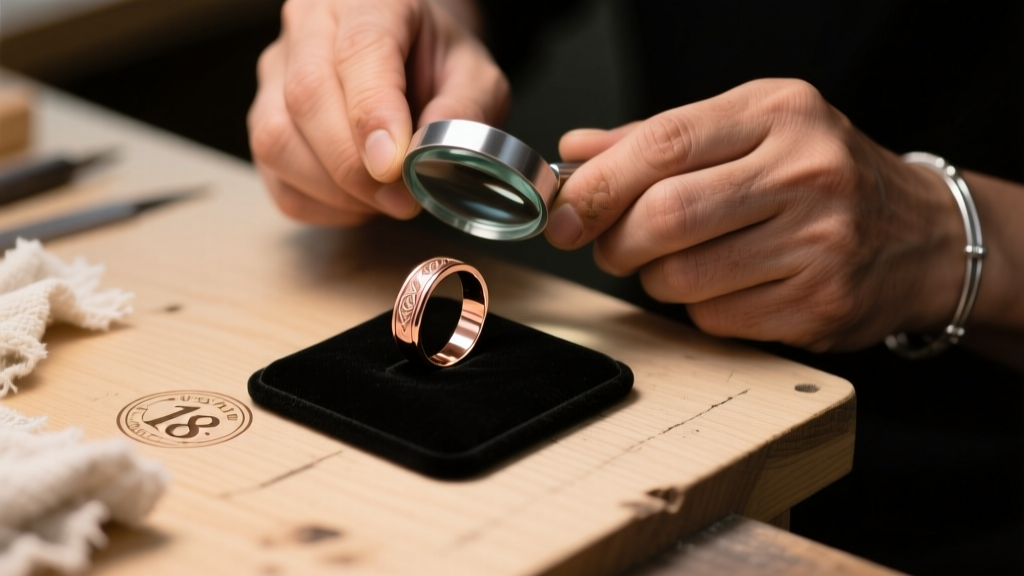
- Watch the Testing: A reputable buyer will test your gold in front of you using an electronic tester, an XRF gun, or a traditional acid test on a small filed notch. If a buyer attempts to take your jewelry to a back room, politely ask them to return it and leave.
- Negotiate the Margin: If a coin dealer offers you 75% of melt, and you know your items are clean, high-karat pieces, politely ask if they can move closer to 80% for a bulk lot. Margins are often flexible, especially on larger weights.
Final Thoughts on Liquidating Precious Metals
Selling gold jewelry is fundamentally a commodities transaction, not a retail return. By stripping away the emotional attachment to the piece and focusing strictly on the mathematics of weight, purity, and daily spot prices, you transform from a vulnerable novice into an informed negotiator. Keep this guide handy, monitor the 2026 market trends, and confidently command the true intrinsic value of your precious metals.


