How to Style and Care for Black and Gold Jewelry Pieces
Master the art of black and gold jewelry. Learn expert styling techniques, metallurgy facts, and step-by-step care guides for dark finishes.

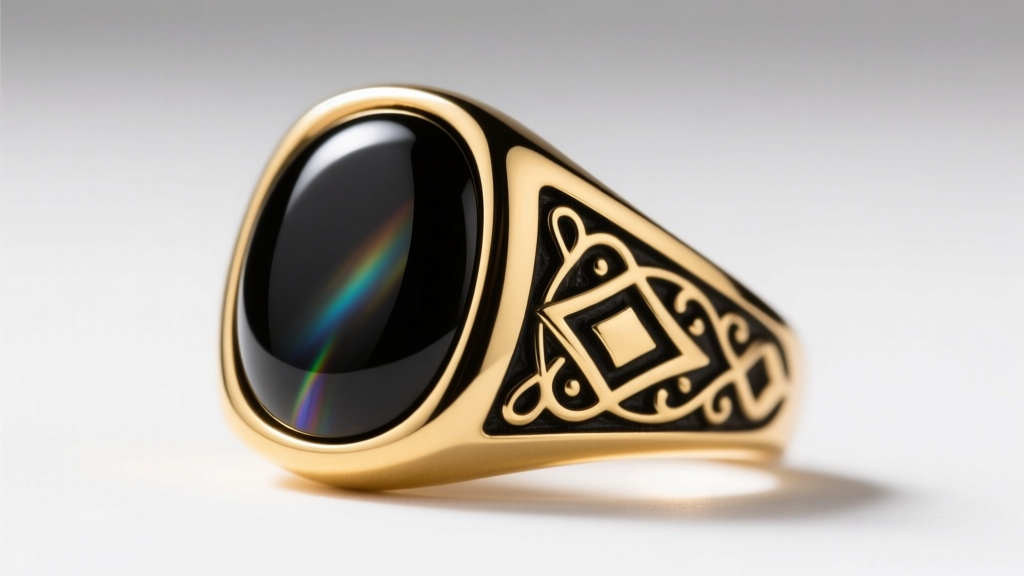
The Rise of Dark Aesthetics in Fine Jewelry
As we navigate the style landscape of 2026, the neo-gothic, dark academia, and avant-garde aesthetics have firmly cemented themselves in the fine jewelry sector. At the forefront of this movement is black and gold jewelry—a striking combination that pairs the warmth and prestige of traditional karat gold with the moody, edge-defining allure of black finishes and dark gemstones. However, styling and maintaining these pieces requires a nuanced understanding of jewelry metallurgy. Unlike pure yellow gold, 'black gold' is not a naturally occurring alloy. It is a surface treatment applied to standard gold alloys, meaning its longevity and care requirements are vastly different from traditional pieces. This comprehensive guide will walk you through the exact science of black gold, how to style it flawlessly, and the step-by-step protocols required to maintain its dark finish.
The Metallurgy of Black Gold: What You Are Actually Buying
Before you invest in black and gold jewelry, it is critical to understand how the black color is achieved. Pure 24k gold is naturally yellow. To create 14k or 18k gold, it is alloyed with metals like copper, silver, and zinc. The 'black' element is always an external application or surface alteration. According to the Gemological Institute of America (GIA), understanding these surface treatments is vital for predicting a piece's wear-and-tear over time.
Three Primary Blackening Techniques
1. Black Rhodium or Ruthenium Plating: This is the most common commercial method. The gold piece is electroplated with a microscopic layer (typically 0.1 to 0.3 microns thick) of black rhodium or ruthenium, both part of the platinum group metals. It offers a brilliant, gunmetal-black shine but will eventually wear off on high-friction areas like ring bands.
2. Oxidation (Patination):strong> The gold is exposed to sulfur compounds or liver of sulfur, which darkens the metal. Jewelers usually polish the high points, leaving the black oxidation only in the engraved crevices to highlight intricate details. This is a permanent chemical reaction but can be scratched off if the metal itself is abraded.
3. Femtosecond Laser Treatment: A cutting-edge, high-end technique where lasers alter the nanostructure of the gold's surface to trap light, making it appear pitch black. This is permanent and does not wear off, but it is incredibly expensive and rare in commercial jewelry.
| Blackening Method | Durability | Maintenance Level | Typical Re-application Cost |
|---|---|---|---|
| Black Rhodium Plating | Low to Medium (1-3 years) | High (Requires re-plating) | $45 - $90 per piece |
| Chemical Oxidation | Medium (Scratches off) | Medium (Avoid abrasives) | $30 - $60 (Re-patina) |
| Black Enamel Inlay | High (Mohs 5-6 hardness) | Low (Standard cleaning) | $100+ (Specialist repair) |
| Laser Treatment | Extremely High (Permanent) | Very Low | N/A |
Step-by-Step Guide to Styling Black and Gold Jewelry
Styling high-contrast jewelry can easily tip into costume territory if not balanced correctly. Follow this three-step framework to achieve a sophisticated, modern look.
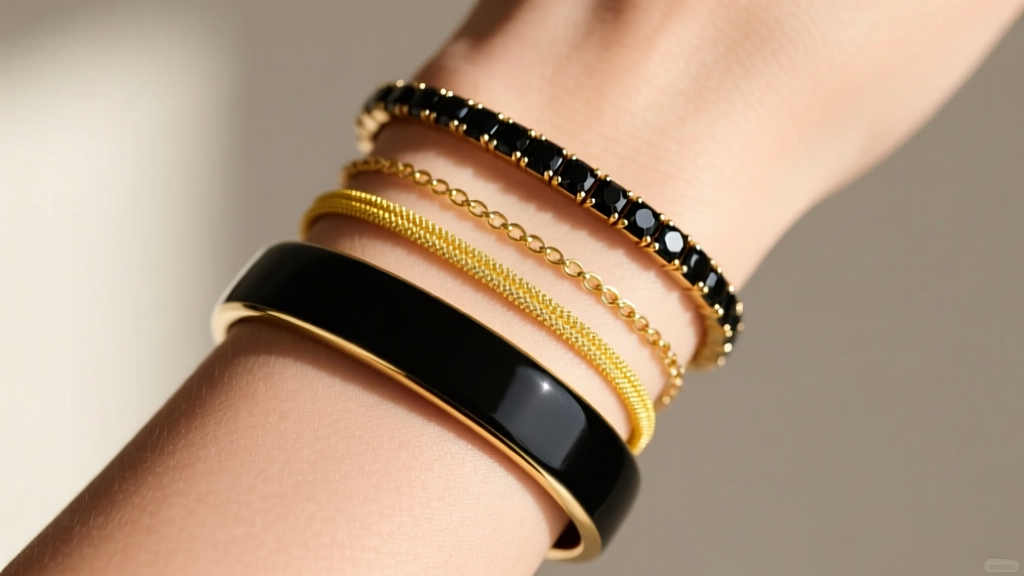
Step 1: Anchor with a Statement Piece
Choose one dominant piece to serve as the focal point. A heavy 14k yellow gold signet ring with a polished black onyx face or a thick black rhodium-plated Cuban link chain works best. Let this piece dictate the mood of your outfit. If the anchor piece is highly ornate, keep the rest of your jewelry minimal.
Step 2: Apply the 70/30 Contrast Rule
Visual harmony in black and gold jewelry relies on asymmetry in color distribution. Aim for a 70/30 split. If your outfit and primary metals are 70% warm yellow or rose gold, use black jewelry for the remaining 30% to create sharp, intentional accents. For example, pair three yellow gold stacking rings with one black enamel band. This prevents the look from becoming visually muddy.
Step 3: Mix Textures, Not Just Colors
The secret to high-end styling is textural contrast. Pair a high-polish black rhodium pendant with a matte, brushed-finish yellow gold chain. The difference in light reflection adds depth and ensures the black elements do not simply look like dark shadows against the gold.
Gemstone Pairings: Beyond Basic Onyx
While black onyx is the traditional standard for black and gold jewelry, it is relatively soft (Mohs 7) and can chip. For everyday wear in 2026, consider these superior alternatives:
- Black Spinel: With a Mohs hardness of 8 and exceptional brilliance, black spinel is a vastly superior, more durable alternative to onyx for rings and bracelets. It offers a glass-like luster that catches the light beautifully against yellow gold.
- Black Diamonds (Carbonado): Opaque and heavily included, natural black diamonds are incredibly tough. They provide a gritty, matte-black texture that contrasts stunningly with high-polish 18k gold settings.
- Black Enamel: Not a gemstone, but a fused glass technique. Grand feu enamel provides a deep, glossy, scratch-resistant black void that looks exceptionally striking in geometric gold settings.
How to Maintain and Clean Black Finished Gold
The most common failure mode for black and gold jewelry is the accidental stripping of the black finish during cleaning. Standard jewelry cleaning methods will ruin black rhodium and oxidation. The experts at Jewelers Mutual consistently warn against using harsh chemicals or automated cleaners on treated surfaces.
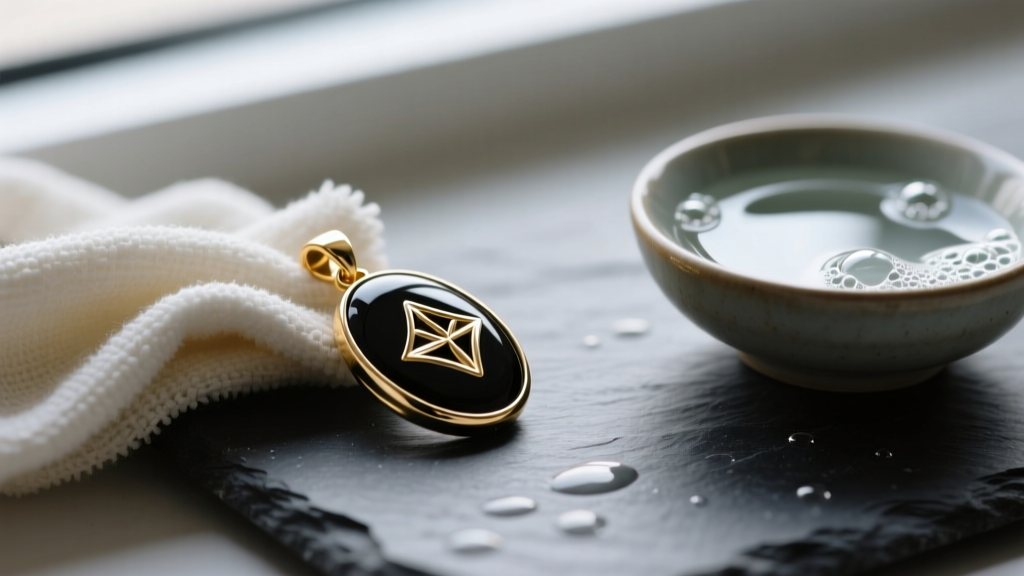
The 4-Step Cleaning Protocol
- Prepare a Mild Solution: Mix lukewarm (never hot) water with a few drops of phosphate-free, mild dish soap (like Dawn) in a glass bowl.
- Soak Briefly: Submerge the black and gold jewelry for no more than 3 to 5 minutes. Prolonged soaking can weaken the bond of electroplated black rhodium.
- Agitate Gently: Use a baby-soft toothbrush or a lint-free cotton swab to gently dislodge dirt from crevices. Never use stiff bristles, which will micro-scratch the black finish.
- Pat Dry: Rinse under a gentle stream of lukewarm water and immediately pat dry with a clean microfiber cloth. Do not rub aggressively.
Pro-Tip: Never use ultrasonic cleaners, steam cleaners, or silver dip solutions on black and gold jewelry. The high-frequency vibrations and harsh chemicals will strip black rhodium plating in a matter of seconds, leaving you with a patchy, two-toned piece that requires professional re-plating.
When to Seek Professional Re-Plating
If you wear a black rhodium-plated gold ring daily, expect the black finish to wear thin on the bottom of the shank within 12 to 18 months due to friction against your skin and surfaces. When the yellow gold begins to show through, take it to a master jeweler who specializes in ruthenium or black rhodium electroplating. The piece will need to be polished, stripped of the remaining black plating, and re-dipped. Budget between $45 and $90 for this service, and consider applying a protective ceramic nano-coating post-plating to extend the life of the finish by an additional 50%.


