Troubleshooting Common Issues Across All Types of Gold Jewelry
Learn how to diagnose and fix tarnish, fading, and scratches across all types of gold jewelry, from 10k solid to gold vermeil and plated.

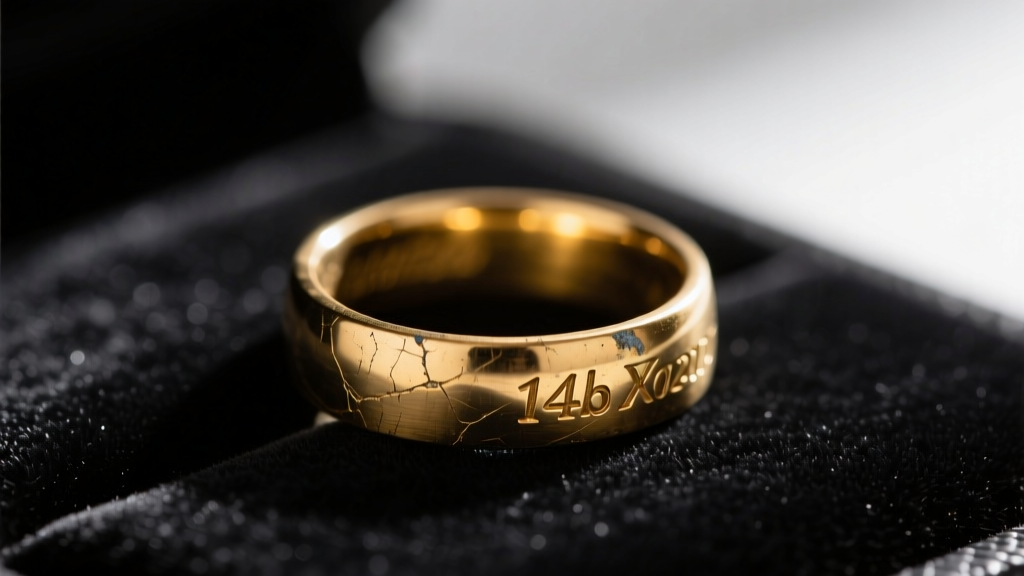
There are few things more frustrating than investing in a beautiful piece of gold jewelry, only to have it turn your skin green, fade to a brassy yellow, or scratch beyond recognition within months. The root cause of these failures almost always traces back to a misunderstanding of the specific types of gold jewelry you own. Gold is not a monolith; its durability, chemical reactivity, and structural integrity vary wildly depending on its karat weight and manufacturing method.
As a jewelry diagnostician, I see these issues daily. Below is a comprehensive, problem-solving guide to identifying, troubleshooting, and restoring the most common types of gold jewelry when they fail.
The Green Skin Problem: Troubleshooting Alloy Reactions in Solid Gold
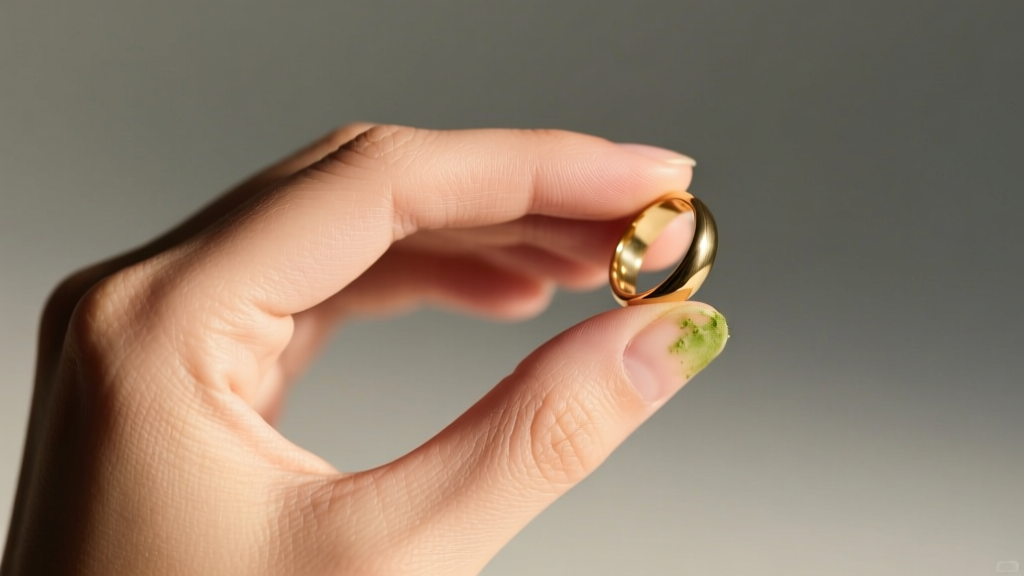
One of the most frequent complaints I receive is about solid gold rings leaving a dark green or black ring on the wearer's finger. Consumers often assume this means the jewelry is fake. In reality, this is a predictable chemical reaction tied to the alloy composition of lower-karat solid gold.
The Chemistry of Tarnish
Pure 24k gold is completely inert and will never tarnish or react with your skin. However, the Gemological Institute of America (GIA) notes that most wearable gold is alloyed with metals like copper, zinc, and nickel for strength.
- 10k Gold (41.7% pure gold): Contains 58.3% alloy metals. High copper content makes it highly susceptible to oxidation when exposed to sweat (which contains salts and acids) and cosmetics.
- 14k Gold (58.3% pure gold): Contains 41.7% alloy metals. Less prone to green skin, but can still react if the wearer has a highly acidic skin pH or frequently uses sulfur-heavy skincare products.
Actionable Fixes
- The Polymer Barrier (DIY): Apply a micro-thin layer of clear, jewelry-safe polymer coating (like Jeweler's Skin Protector) to the inside of the band. This creates an invisible barrier between the copper alloys and your sweat. Reapply every 3-4 months.
- Rhodium Flashing (Professional): Have a jeweler electroplate the interior of the ring with rhodium. This costs roughly $35-$50 and provides a hypoallergenic, non-reactive shield that lasts 1-2 years.
- The Karat Upgrade: If you have highly acidic skin, the only permanent fix is upgrading to 18k gold (75% pure), which lacks the high volume of reactive copper found in 10k and 14k pieces.
Fading and Flaking: Diagnosing Plated vs. Vermeil vs. Filled
When gold jewelry begins to flake, peel, or reveal a silver or brass undertone, you are dealing with a layered material. Troubleshooting these failures requires knowing exactly what you are working with, as the Federal Trade Commission (FTC) enforces strict definitions for these layered types of gold jewelry.
| Material Type | Base Metal | Gold Layer Thickness | Common Failure Mode | Troubleshooting Fix |
|---|---|---|---|---|
| Gold Plated | Brass, Copper, or Steel | < 0.5 microns | Rubs off in high-friction areas within 3-6 months. | Cannot be polished. Must be professionally stripped and re-plated ($40-$80). |
| Gold Vermeil | Sterling Silver (925) | Minimum 2.5 microns | Wears down to silver after 1-2 years of daily wear. | Can be re-plated over the silver base. Polishing will remove the remaining gold. |
| Gold Filled | Brass or Copper Core | 5% of total weight (approx 15-25 microns) | Extremely durable, but deep scratches expose the brass core permanently. | Burnish the scratch to close the gap. Do not machine-polish, or you will strip the gold layer. |
The Golden Rule of Cleaning Layered Gold
Never use ultrasonic cleaners, polishing cloths infused with rouge, or abrasive pastes on vermeil or plated jewelry. These methods physically strip the microscopic gold layer. Instead, use a drop of mild dish soap, lukewarm water, and a baby-hair brush to gently dislodge sebum and dirt without abrading the gold.
Scratches and Dents: Managing Softness in High-Karat Solid Gold
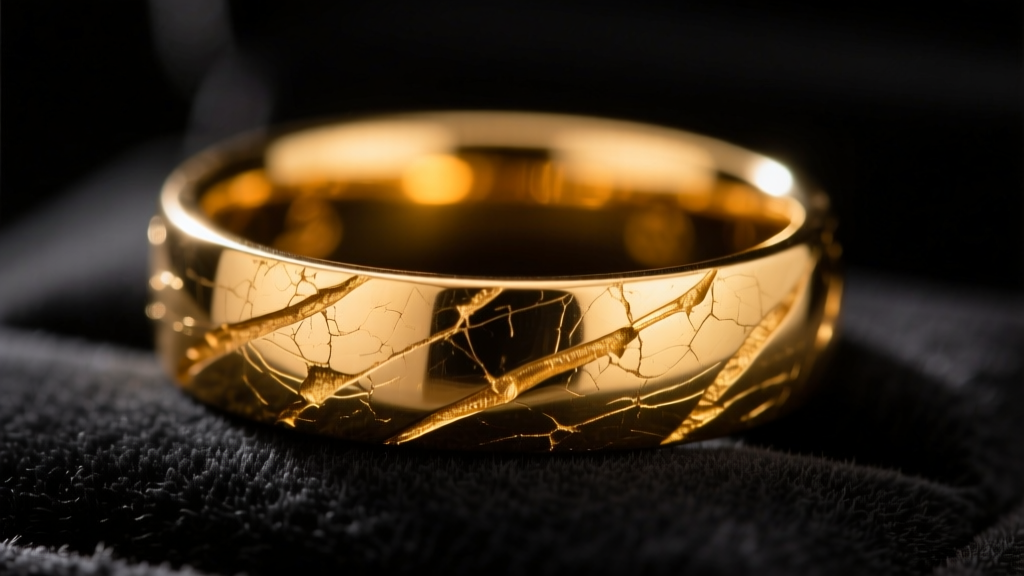
While lower-karat gold suffers from chemical reactions, high-karat gold suffers from structural weakness. If your 22k or 24k gold jewelry looks battered, dented, or deeply scratched, you are experiencing the reality of the Mohs scale and Vickers Hardness (HV) test.
Understanding Vickers Hardness in Gold
To troubleshoot scratches, you must understand the metal's baseline hardness:
- 24k Gold: ~25-30 HV (Similar hardness to a human thumbnail). It will dent if dropped on tile and scratch against a steel desk edge.
- 22k Gold: ~50-70 HV. Slightly more durable, but still highly prone to deformation.
- 14k Gold: ~120-140 HV. Excellent structural integrity for daily wear rings.
Restoration Protocols for High-Karat Gold
The biggest mistake consumers make is taking a scratched 24k gold bangle to a mall jeweler and asking for a "high polish." Polishing is an abrasive process that removes a micro-layer of metal to level the surface. On a 24k piece, you are literally buffing away pure gold and thinning the structural integrity of the piece.
Expert Fix: Instead of polishing, ask a master jeweler to use a burnishing tool. Burnishing uses a hardened steel or agate tip to push the displaced gold back into the scratch, compressing the metal and smoothing the surface without removing any gold mass. Alternatively, embrace the patina; in many Asian and Middle Eastern markets, the soft dents and scratches of 24k gold are viewed as a desirable record of the piece's history.
Step-by-Step Diagnostic Flowchart for Damaged Gold
When a piece of gold jewelry fails, run it through this diagnostic checklist before attempting any repairs:
- Check the Hallmark: Look for stamps like 10k, 14k, 18k, 925 (vermeil base), or 1/20 14k GF (gold filled). If there is no stamp, assume it is plated base metal.
- Perform the Magnet Test: If a strong neodymium magnet sticks to the piece, it is gold-plated steel or nickel. Solid gold, vermeil, and gold-filled (brass core) are non-magnetic.
- Inspect the Wear Points:
- Is it flaking in sheets? Plated over steel/brass.
- Is it revealing bright silver underneath? Gold vermeil.
- Is it revealing dark yellow/brown underneath? Gold filled or solid low-karat gold experiencing deep oxidation.
- Assess the Damage Depth: Surface dullness can be washed with dish soap. Micro-scratches on 14k/18k can be lightly polished. Deep gouges on any karat require professional laser welding or burnishing.
Professional Restoration vs. DIY: When to Call a Jeweler
According to the Jewelers of America, attempting DIY chemical dips or mechanical polishing on layered or high-karat gold is the leading cause of irreversible jewelry damage. Here is a quick pricing and risk guide to help you decide your next move:
- DIY Cleaning (Risk: Low | Cost: $5): Safe for all types of gold jewelry. Use warm water, Dawn dish soap, and a soft toothbrush. Never use toothpaste or baking soda, as both are harder than 14k gold and will cause micro-scratching.
- Professional Ultrasonic Cleaning (Risk: Medium | Cost: $15-$30): Safe for solid 10k, 14k, and 18k gold without porous gemstones (like opals or emeralds). Never use ultrasonics on gold plated or vermeil jewelry, as the high-frequency vibrations will shatter the gold layer.
- Professional Replating (Risk: Low | Cost: $45-$95): The only viable fix for worn-out vermeil or plated jewelry. Ensure the jeweler uses a minimum 2.5-micron thickness for rings, which endure high friction, and 1.0-micron for earrings or pendants.
By understanding the exact metallurgy and manufacturing methods behind the different types of gold jewelry in your collection, you can stop treating them as disposable fashion items and start maintaining them as the complex, engineered materials they truly are.


