Cardi B Turned Her Newborn's Umbilical Cord Into Gold Jewelry Guide
Learn how Cardi B turned her newborn's umbilical cord into gold jewelry. Our step-by-step guide covers preservation, molding, and 14k gold casting.

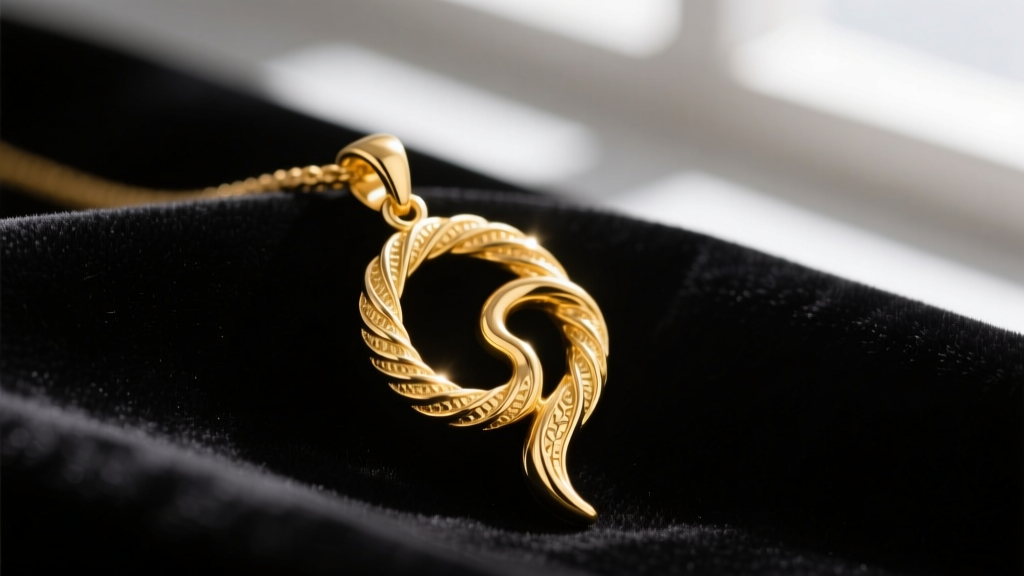
The Viral Trend: Biological Keepsakes in Fine Jewelry
When the news broke that Cardi B turned her newborn's umbilical cord into gold jewelry, it sparked a massive cultural conversation about the intersection of maternal sentimentality and high-end bespoke accessories. While keeping biological mementos is a practice rooted in various global traditions, elevating these organic keepsakes into fine jewelry requires a masterful understanding of metallurgy, preservation, and casting techniques. This comprehensive guide breaks down the exact step-by-step process jewelers use to transform biological tissue into permanent, wearable gold art.
Creating biological keepsake jewelry is not as simple as dipping an organic object in metal. Organic matter contains moisture, bacteria, and cellular structures that will incinerate and turn to ash at the extreme temperatures required for metal casting. Therefore, professional jewelers utilize one of two methods: creating a 1:1 gold replica via lost-wax casting, or encasing the preserved tissue in jeweler's resin set within a custom gold bezel. Below, we detail the definitive process for creating a solid gold replica, which is the most durable and luxurious approach.
Step 1: Safe Preservation and Desiccation Protocol
Before any mold can be made, the biological material must be completely desiccated. Any residual moisture will cause the tissue to rot, release gases, and destroy the structural integrity of the keepsake.
- Initial Cleaning: The stump is gently wiped with a sterile, alcohol-free saline solution to remove surface impurities without breaking down the cellular walls.
- Silica Gel Submersion: The tissue is placed in an airtight glass desiccator jar and completely buried in indicating silica gel beads. The beads must be at least 1/2 inch in diameter to prevent them from lodging into the natural crevices of the tissue.
- Timeframe: Desiccation takes between 14 to 21 days. The silica gel must be replaced every 48 hours to maintain a 0% humidity environment. The tissue is fully preserved when it becomes rigid and lightweight, with a moisture content dropping below 5%.
Step 2: Non-Destructive Silicone Molding
Once the stump is fully desiccated, it is incredibly fragile. To capture the microscopic wrinkles, vein patterns, and organic textures without crushing the specimen, jewelers use a platinum-cure silicone rubber. Tin-cure silicones are avoided because they emit alcohol during curing, which can degrade delicate organic surfaces.
Selecting the Right Silicone
For intricate biological details, a low-viscosity, Shore A 10 hardness silicone (such as Smooth-On Dragon Skin 10) is ideal. This specific grade has a tensile strength of 450 PSI and an elongation at break of 1000%, allowing the cured mold to be carefully peeled away from deep undercuts without tearing the original specimen or the mold itself. The silicone is vacuum-degassed to remove micro-bubbles before being poured over the stump in a containment box, ensuring a flawless negative impression.
Step 3: Wax Injection and 3D Scanning Alternatives
With the negative mold secured, the next step is creating a positive model for casting. Traditionally, this involves injecting a micro-crystalline casting wax into the silicone cavity. However, because biological shapes often feature complex, twisting undercuts that wax injection might not fully capture, many modern bespoke jewelers now use 3D scanning.
"By using a high-resolution structured light 3D scanner, we can capture the exact topography of the dried stump down to 10 microns. We then print the positive model in a castable photopolymer resin, completely bypassing the risk of wax shrinkage or incomplete fills in deep organic crevices." — Master Bench Jeweler
Step 4: Choosing the Right Gold Alloy for Organic Shapes
One of the most critical decisions in this process is selecting the appropriate gold karat. While 24k gold is highly prized for its pure yellow color and hypoallergenic properties, it is entirely unsuitable for organic-shaped pendants. Organic shapes feature protrusions, thin ridges, and asymmetrical curves that are highly susceptible to snagging on clothing. Pure gold is too soft (Vickers hardness of ~25 HV) and will easily bend or warp.
| Gold Alloy | Purity | Vickers Hardness | Best Use Case for Keepsakes |
|---|---|---|---|
| 14k Yellow Gold | 58.5% | ~120 HV | Ideal for highly textured, asymmetrical organic pendants worn daily. Excellent snag resistance. |
| 18k Yellow Gold | 75.0% | ~90 HV | Best for display pieces or occasional wear. Offers a richer yellow hue but requires careful handling. |
| 24k Pure Gold | 99.9% | ~25 HV | Not recommended for 3D organic shapes. Best reserved for smooth, flat, encased resin bezels. |
According to the Gemological Institute of America (GIA), alloying gold with copper and silver not only increases durability but also allows jewelers to manipulate the color temperature. For biological replicas, a slightly copper-heavy 14k alloy is often used to give the gold a warmer, more lifelike undertone that complements the natural aesthetic of the original piece.
Step 5: Lost-Wax Casting and Final Finishing
The wax or resin positive is attached to a wax sprue base and encased in a phosphate-bonded investment powder. The flask is placed in a kiln for the burnout cycle. Because organic shapes often have varying cross-sectional thicknesses, the burnout temperature must be carefully ramped—typically starting at 300°F to melt the wax, and peaking at 1350°F to vaporize any residue. The molten 14k gold is then centrifugally cast into the flask at approximately 1900°F.
Once quenched, the raw gold casting undergoes meticulous finishing. Jewelers use fine bristle brushes and rouge to polish the high points, while intentionally leaving the deep crevices with a matte or satin finish. This contrast in lighting highlights the intricate biological textures, making the gold look remarkably similar to the original organic form.
Alternative Method: Resin Encasement with a Gold Bezel
If the client desires to keep the actual physical tissue rather than a gold replica, the encasement method is required. The desiccated stump is submerged in a UV-stable, non-yellowing epoxy resin (such as ArtResin). Once the resin cures into a solid block, it is turned on a jeweler's lathe or hand-carved into a smooth cabochon shape. A custom 14k or 18k gold bezel is then fabricated to wrap around the resin edge, securing it to a heavy rope chain. This method is generally 30% less expensive than solid gold casting but requires strict avoidance of prolonged UV exposure to prevent the resin from clouding over time.
Cost Breakdown and Commissioning a Jeweler
Commissioning a bespoke biological keepsake is a highly specialized service. Pricing varies based on the weight of the gold, the complexity of the mold, and the jeweler's expertise. Here is a realistic pricing framework for 2026:
- Desiccation and Mold Making: $250 - $400 (Includes specialized materials and sterile handling protocols).
- 14k Solid Gold Replica (Lost-Wax): $1,800 - $3,500+ (Dependent on the final gram weight of the casting and current gold spot prices).
- Resin Encasement with 14k Gold Bezel: $800 - $1,500 (Requires less gold, but high labor for resin polishing and bezel fabrication).
When seeking a professional, always look for jewelers who specialize in platinum-cure silicone molding and have verifiable experience with biological inclusions. Standard retail jewelers often lack the specialized bio-safety protocols and low-shrinkage molding techniques required for this delicate work.
Final Thoughts
The trend of transforming profound life moments into permanent wearable art is a testament to the evolving nature of fine jewelry. Whether you are inspired by celebrity trends or personal sentiment, understanding the metallurgy and preservation science behind these pieces ensures your keepsake will remain a beautiful, intact heirloom for generations to come. By choosing the right gold alloy and employing precise desiccation techniques, you can safely immortalize life's most fleeting miracles in solid gold.


