How to Authenticate & Care for Mississippi Pearl Jewelry
Learn to authenticate, grade, and care for rare Mississippi pearl jewelry with our step-by-step guide to identifying natural American freshwater pearls.

The Legacy of Mississippi River Pearls
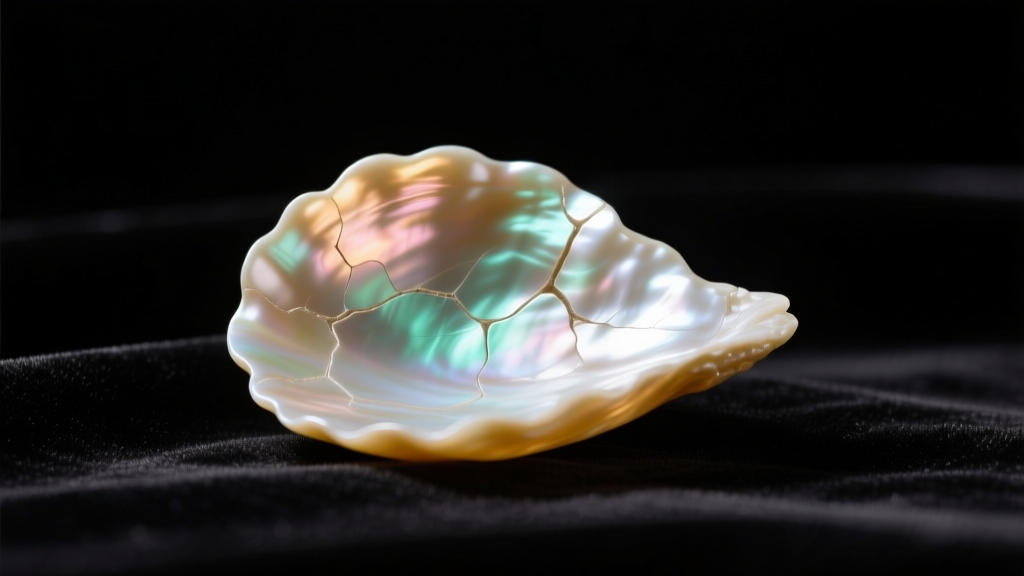
When collectors and gemologists discuss Mississippi pearl jewelry, they are referring to some of the rarest organic gems on the planet. Unlike the mass-produced cultured freshwater pearls dominating today's market (primarily sourced from China's Hyriopsis cumingii mussels), authentic Mississippi River pearls are natural, non-nucleated gems born from native North American mussel species like the Washboard (Megalonaias nervosa) and the Threeridge (Amblema plicata). During the late 19th and early 20th centuries, the Mississippi River basin experienced a massive 'pearl rush,' yielding stunning natural pearls characterized by their unique baroque shapes, high specific gravity, and exceptional orient.
Today, due to overharvesting, damming, and agricultural runoff, natural pearl yields from the Mississippi River system are virtually non-existent. Consequently, vintage and antique Mississippi pearl jewelry has become a highly coveted niche for serious collectors. This comprehensive, step-by-step guide will teach you how to authenticate, evaluate, set, and preserve these historic American gems.
Step 1: Authenticating Natural Mississippi Pearls
The first and most critical step in acquiring Mississippi pearl jewelry is distinguishing a true natural river pearl from a modern cultured imitation or a shell-based simulacrum. Because natural Mississippi pearls are entirely composed of solid nacre without a bead nucleus, their internal structure and external characteristics differ vastly from cultured alternatives.
Visual and Tactile Inspection
Begin with a macro-level visual inspection. Natural Mississippi pearls rarely exhibit perfect spherical shapes. Instead, look for classic baroque, slug, wing, or nail-head formations. The nacre of a natural river pearl is incredibly dense, resulting in a deep, almost metallic luster and a pronounced 'orient'—the iridescent play of colors just beneath the surface. According to the Gemological Institute of America (GIA), natural freshwater pearls often display a higher specific gravity (ranging from 2.60 to 2.78) compared to their cultured counterparts, making them feel noticeably heavier in the hand.
Endoscopy and X-Ray Fluorescence (XRF)
Visual inspection is insufficient for definitive authentication. You must request an endoscopic examination or a micro-CT scan from a certified gemological laboratory. An endoscope inserted into the pearl's natural drill hole will reveal concentric, solid nacre growth rings with no hollow center or bead nucleus. Furthermore, X-Ray Fluorescence (XRF) testing can identify the specific trace elements (like manganese and strontium) unique to the freshwater environments of the Mississippi basin, definitively separating them from saltwater naturals or modern Chinese cultured pearls.
Step 2: Evaluating Grade and Market Value
Grading natural Mississippi pearls requires a departure from the standard AAA-A grading system used for cultured pearls. Because perfection in shape is exceptionally rare, value is instead driven by nacre quality, orient intensity, and historical provenance. Below is a structured framework for evaluating Mississippi pearl jewelry in the current collector's market.
| Pearl Classification | Typical Shape & Color | Nacre Quality | Estimated Market Value (Per Gram) |
|---|---|---|---|
| Commercial Baroque | Asymmetrical, White/Cream | Good luster, minor surface blemishes | $50 - $150 |
| Gem-Grade Wing/Slug | Elongated, Blush-Pink/Lavender | Exceptional orient, flawless surface | $300 - $800 |
| Collector's Round | Near-Round, Peacock/Green | Mirror luster, historically documented | $2,000 - $5,000+ |
| Vintage Mother-of-Pearl | Carved Shell (Washboard Mussel) | High iridescence, antique setting | $100 - $400 (Per Piece) |
Note: Provenance documentation, such as original late 1800s estate receipts or certification from historical societies, can increase these baseline values by 40% to 60%.
Step 3: Setting and Styling Guidelines
Setting a natural Mississippi pearl requires specialized bench jewelry skills. Because these pearls are solid nacre, they are surprisingly resilient to crushing, but they are highly susceptible to thermal shock and micro-fractures caused by improper drilling or prong tension.
The Custom Bezel Approach
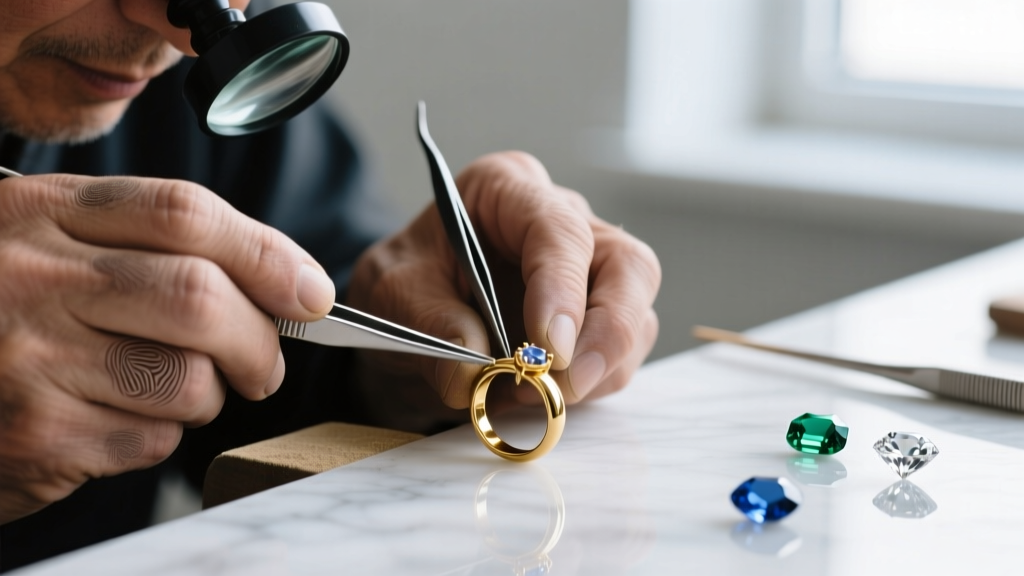
Avoid standard prong settings. The pressure required to push a metal prong over the curved surface of a baroque Mississippi pearl can induce stress fractures that will eventually split the nacre. Instead, opt for custom-fabricated bezel settings or adhesive-backed cup settings. If a bezel is used, the jeweler must use a burnisher with a highly polished tip to gently fold the metal over the pearl's equator without scratching the 2.5-3.0 Mohs hardness surface. For necklaces and bracelets, ensure that the drill holes are sealed with a micro-drop of jeweler's wax to prevent skin oils and cosmetics from infiltrating the nacre layers.
Step 4: Long-Term Care and Preservation
Mississippi pearl jewelry demands a meticulous care regimen. The aragonite crystals that make up the pearl's nacre are highly reactive to acids, ammonia, and extreme dryness. Improper care will result in 'crazing' (a network of fine surface cracks) and a permanent loss of luster.
- The 'Last On, First Off' Rule: Always put your Mississippi pearl jewelry on after applying perfumes, hairsprays, and lotions. Remove it immediately upon returning home to minimize exposure to environmental pollutants.
- Proper Cleaning Protocol: Never use ultrasonic or steam cleaners. Mix a solution of distilled water and a single drop of pH-neutral castile soap. Gently wipe the pearl with a microfiber cloth, then dry immediately. Do not submerge drilled pearls in water, as the silk or nylon thread can trap moisture and rot from the inside out.
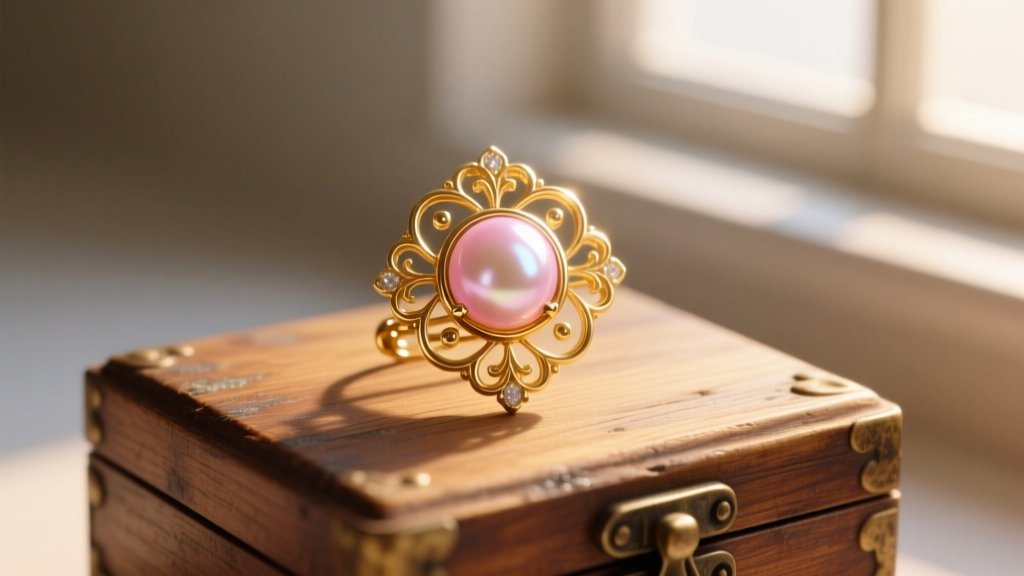
- Hydration Storage: Natural pearls require a slight amount of ambient humidity to prevent the conchiolin (the organic protein binding the nacre) from drying out. Store the jewelry in a soft linen pouch inside a wooden box. Avoid airtight plastic bags or safety deposit boxes, which are notoriously dry environments.
"A natural Mississippi River pearl is not just a gemstone; it is a biological artifact. Treating it with the same harsh chemicals used for diamonds or sapphires will destroy centuries of natural formation in a matter of seconds." — Archival Gemological Notes, American Pearl Society
Frequently Asked Questions
Can I find modern Mississippi pearl jewelry?
True natural pearls from the Mississippi River are virtually impossible to find in modern retail jewelry. However, the Mississippi Washboard mussel shell is still ethically harvested (often as a byproduct of the button and inlay industry) and used to create stunning Mother-of-Pearl inlays and carvings in contemporary Southwestern and artisan jewelry.
How do I clean vintage Mississippi pearl jewelry with heavy tarnish on the metal?
If the silver or gold setting is heavily tarnished, use a silver polishing cloth on the metal only, taking extreme care not to rub the cloth over the pearl. The mild abrasives in polishing cloths will scratch the pearl's nacre. For intricate settings, use a soft makeup brush dipped in a mild jewelry cleaning solution to carefully dust the crevices around the pearl.


