Mother Of Pearl Jewelry Buying Guide: What To Look For
Discover what to look for when buying mother of pearl jewelry. Our 2026 guide covers nacre quality, pricing, craftsmanship, and ethical sourcing.

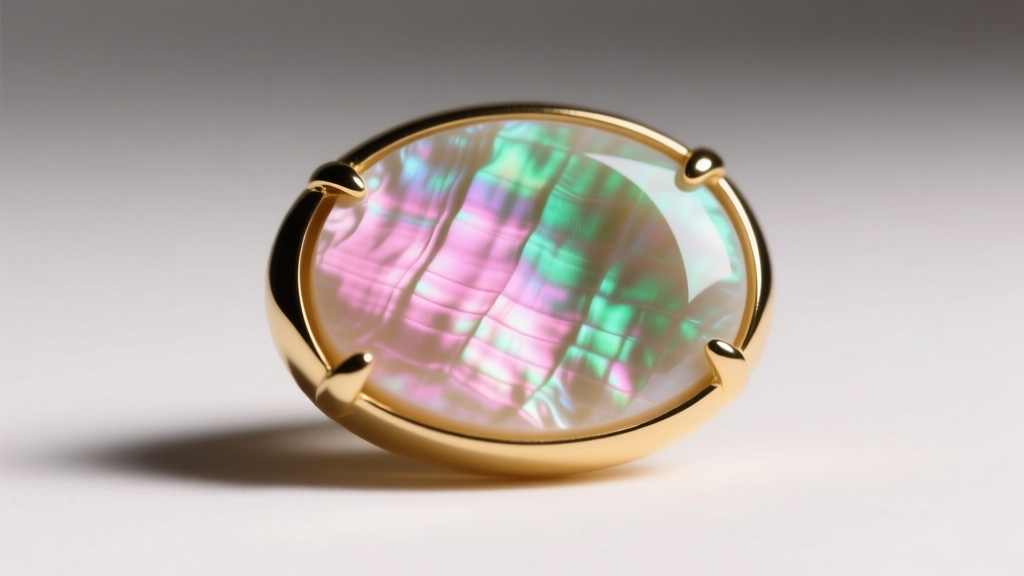
The allure of organic gemstones has surged in the 2026 jewelry market, with collectors and everyday wearers alike gravitating toward sustainable, naturally derived materials. At the forefront of this movement is mother of pearl jewelry, prized for its mesmerizing iridescence and deep connection to the ocean. However, unlike traditional spherical pearls, mother of pearl (MOP) is cut and shaped from the inner shell lining of mollusks, presenting a unique set of buying considerations.
Whether you are evaluating a vintage inlay ring or a contemporary sculptural pendant, understanding the gemological and structural nuances of nacre is essential. This comprehensive buying guide will equip you with the expert frameworks needed to assess quality, spot poor craftsmanship, and invest in pieces that will endure.
Understanding the Material: Nacre and Aragonite
Before evaluating a piece, it is critical to understand what you are actually buying. Mother of pearl is the iridescent inner layer of a mollusk shell, scientifically known as nacre. According to the Gemological Institute of America (GIA), nacre is a composite organic-inorganic material formed by microscopic platelets of aragonite (a form of calcium carbonate) bound together by conchiolin, an organic polymer.
While a traditional pearl is a three-dimensional sphere of nacre secreted around an irritant, mother of pearl jewelry utilizes the flat, dense layers of the shell itself. This structural difference means MOP is typically cut into cabochons, geometric inlays, or intricate cameos. Because it is cut from a shell, the orientation of the cut dictates the visibility of the 'orient'—the shimmering play of color that defines high-quality nacre.
The 4 Pillars of Evaluating Mother of Pearl Quality
When inspecting mother of pearl jewelry, discard the traditional 'pearl grading' charts. Instead, apply this specialized four-pillar framework tailored to flat and carved nacre.
1. Luster and Orient
The most valuable MOP exhibits a sharp, mirror-like luster combined with strong 'orient' (iridescent overtones). High-quality shells, particularly those from the Blacklip oyster or Paua abalone, display vivid flashes of peacock green, magenta, and electric blue. Avoid pieces that appear flat, chalky, or uniformly white without any color-shifting properties, as this indicates low-grade nacre or excessive polishing that has stripped the top layers.
2. Thickness and Cut Proportions
Thickness dictates both durability and optical depth. For inlay work, the MOP slices should be a minimum of 1.5mm thick to prevent cracking under pressure. For cabochons and standalone carvings, look for a minimum thickness of 3.0mm. Thin, translucent slices (under 1.0mm) are prone to chipping and often rely on opaque backing materials to fake a deeper color.
3. Color and Base Tone
While bright white Trocas shell is common in commercial fashion jewelry, premium buyers should seek out natural color variations. Golden-lipped oysters yield warm, champagne-hued MOP, while natural black MOP offers a moody, gunmetal-grey base with striking green and purple overtones. Ensure the color is natural; some commercial suppliers bleach or dye lower-grade shells to achieve uniform whiteness or unnatural hues.
4. Surface Blemishes and Inclusions
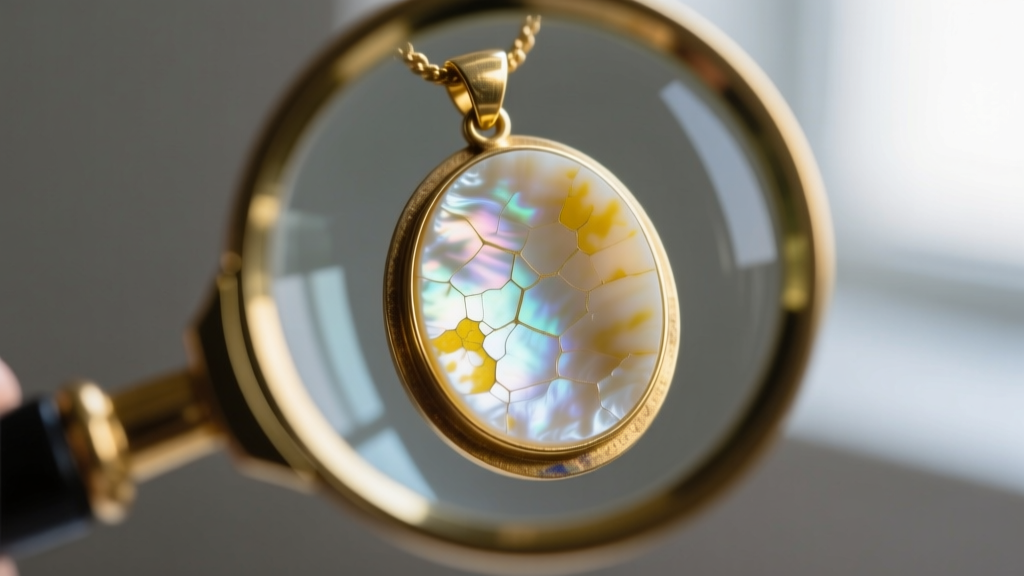
Because MOP is cut from a natural shell, it may contain natural growth lines or minor calcified spots. However, structural cracks, deep pits, or 'chalky' dead zones where the nacre failed to form properly are unacceptable in fine jewelry. Run your fingernail gently across the surface; it should feel perfectly smooth and glass-like, catching on nothing.
Sourcing and Sustainability: What to Ask Retailers
The environmental impact of shell harvesting is a major concern for modern consumers. Overharvesting has historically depleted wild mollusk populations. When buying mother of pearl jewelry, inquire about the origin of the shell. The most sustainable MOP is sourced as a byproduct of the cultured pearl and food industries, such as freshwater mussels from the Mississippi River basin or farmed Akoya oysters.
Be particularly cautious when purchasing vibrant blue and green abalone (Paua) jewelry. While New Zealand Paua is heavily regulated and farmed sustainably, other wild abalone species are strictly protected. Always verify that the retailer complies with CITES trade regulations regarding endangered marine species. Reputable jewelers will gladly provide a certificate of origin or a sustainability statement upon request.
Mother of Pearl Jewelry Pricing Matrix (2026 Market Rates)
Pricing in the MOP market is heavily dictated by the shell species, the thickness of the cut, and the preciousness of the metal setting. Below is a current market matrix to help you benchmark retail prices and avoid overpaying for commercial-grade pieces.
| Jewelry Type | Grade & Shell Origin | Setting & Construction | 2026 Price Range (USD) |
|---|---|---|---|
| Fashion Inlay Rings | Commercial (Trocas, thin cut) | Brass/Vermeil, Epoxy Glue | $35 - $85 |
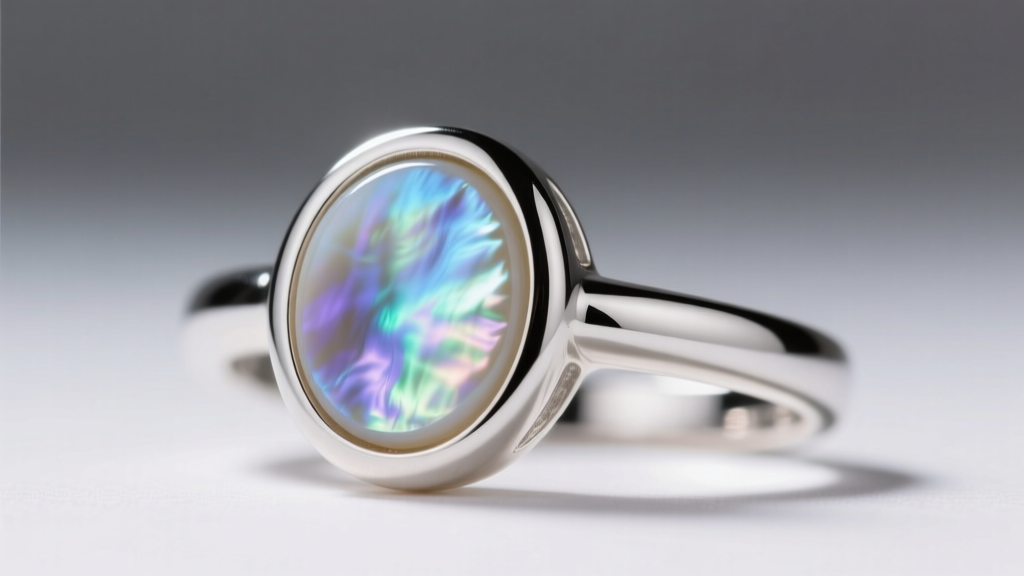
| Sterling Silver Cabs | Fine (White MOP, 2.5mm+) | Solid 925 Silver, Bezel Set | $120 - $250 |
| Gold & Black MOP | Premium (Blacklip Oyster) | 14k/18k Gold, Prong or Bezel | $350 - $800 |
| Paua Abalone Pendants | Collector (High Orient, Farmed) | Platinum/Gold, Custom Carved | $900 - $2,500+ |
Common Failure Modes and How to Spot Poor Craftsmanship
The longevity of mother of pearl jewelry is often compromised not by the shell itself, but by poor lapidary and metalsmithing techniques. Train your eye to spot these common failure modes before purchasing:
- Delamination and Epoxy Yellowing: Many cheap inlay rings use a thin veneer of MOP glued over a brass or plastic base. Over time, UV exposure and skin oils cause the adhesive to yellow, giving the shell a sickly, muted tint. Always look for solid, unbacked MOP or pieces where the shell is mechanically secured in a deep metal bezel without visible glue lines.
- Undercut Bezels: If the metal bezel holding a MOP cabochon is too shallow or uneven, the shell will eventually pop out when subjected to temperature changes. The metal should wrap securely over the edge of the shell by at least 0.5mm.
- Stamped Metal Masquerading: Ensure the metal setting is solid. Thin electroplated settings will wear away, exposing base metals that can react with the calcium carbonate in the nacre, causing permanent staining on the back of the shell.
According to the Federal Trade Commission (FTC) Jewelry Guides, retailers must accurately disclose the use of synthetic backings, dyes, or composite assemblies. If a piece is described as 'solid mother of pearl' but features a polymer backing for structural support, this is a misrepresentation of the material.
Care and Maintenance for Longevity
Mother of pearl ranks between 2.5 and 3.5 on the Mohs hardness scale, making it significantly softer than quartz or diamond. It is highly susceptible to scratching and chemical erosion. To preserve the orient and structural integrity of your jewelry, adhere to these strict care protocols:
- The 'Last On, First Off' Rule: Nacre is highly porous and reacts violently to acids and harsh chemicals. Always apply perfumes, hairsprays, and lotions before putting on your MOP jewelry, and wipe the shell with a damp microfiber cloth immediately after wearing to remove acidic skin oils.
- Never Use Ultrasonic Cleaners: The high-frequency vibrations in ultrasonic baths will shatter the microscopic aragonite platelets, causing the shell to craze, crack, or completely delaminate from its setting.
- Storage Isolation: Store mother of pearl pieces in a soft, breathable cotton pouch. Storing them in airtight plastic bags can dehydrate the conchiolin, leading to structural brittleness, while tossing them in a jewelry box with harder gems will result in severe surface scratching.
By prioritizing nacre thickness, demanding ethical sourcing, and scrutinizing the metal-to-shell transitions, you can confidently acquire mother of pearl jewelry that is not only visually breathtaking but structurally engineered to last a lifetime.


