Where to Sell Pearl Jewelry: A Step-by-Step Resale Guide
Discover exactly where to sell pearl jewelry for the best return. Our step-by-step guide covers appraisal, platform selection, and pricing strategies.

Understanding Your Pearl's Market Value in 2026
Before you list a single strand or pawn a vintage brooch, you must understand that the secondary pearl market is highly stratified. Unlike gold or diamonds, which have standardized melt values and universal grading scales, pearls are organic gems whose resale value hinges on provenance, nacre quality, and brand recognition. As of 2026, the market is heavily saturated with mass-produced freshwater and Edison pearls, meaning that a $1,500 mall-brand pearl necklace purchased a decade ago may only fetch $50 to $150 on the resale market today.
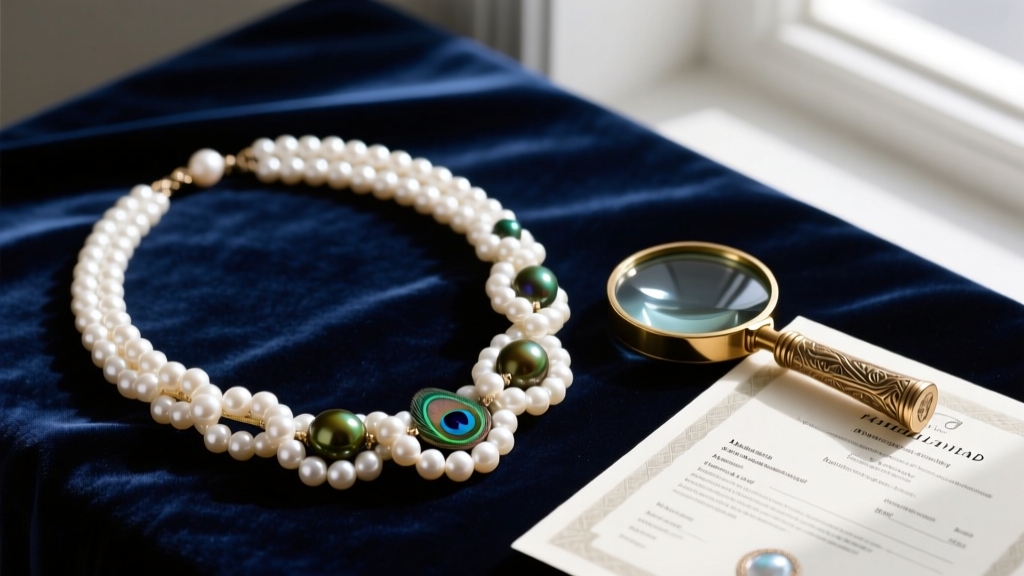
Conversely, investment-grade saltwater pearls—specifically high-luster Akoya, peacock-overtone Tahitians, and thick-nacred White or Golden South Sea pearls—retain significant value, provided they are authenticated. According to the Gemological Institute of America (GIA), the seven pearl value factors (size, shape, color, luster, surface quality, nacre thickness, and matching) dictate wholesale and resale pricing. Luster is the undisputed king of these factors; a chalky pearl with perfect surface quality will always sell for less than a highly reflective pearl with minor blemishes.
The Brand Premium: Mikimoto and Tiffany
If your jewelry bears a hallmark from a legacy brand like Mikimoto, Tasaki, or Tiffany & Co., your selling strategy changes entirely. A Mikimoto Akoya strand with its original "M" trademark clasp, signed box, and original certificate can command 40% to 60% of its original retail price. Without the certificate and signed clasp, buyers will treat it as a generic Akoya strand, dropping the value by up to 70%.
Step 1: Authenticate, Grade, and Appraise
Never attempt to sell high-value pearls without professional verification. The rise of sophisticated bead-nucleated freshwater pearls (like Edison pearls) has made visual identification unreliable for laymen. A certified gemologist will use X-ray fluorescence (XRF) and real-time microradiography to determine if a pearl is saltwater or freshwater, and whether it is bead- or tissue-nucleated.

For strands valued over $1,000, invest in a GIA Pearl Classification Report. This report does not assign a monetary value but provides an objective, globally recognized assessment of the pearl's quality factors. When listing your jewelry on high-end auction platforms, attaching a GIA report instantly establishes buyer trust and justifies your asking price.
- Low-End (Under $300): Skip the formal appraisal. The cost of the report will eat your margins. Rely on high-resolution macro photography and honest surface grading.
- Mid-Tier ($300 - $2,000): Seek a local certified appraiser (ASA or AAA credentials) for an insurance replacement valuation, which helps anchor your resale asking price.
- High-End ($2,000+): Send directly to the GIA for a classification report. Focus on documenting nacre thickness and luster grades.
Step 2: Choosing the Right Selling Platform
Where you sell is just as critical as what you are selling. The platform you choose should align with the tier and type of your pearl jewelry. Below is a comparative breakdown of the most effective resale channels available today.
| Platform Type | Examples | Fees / Commission | Best For | Timeline |
|---|---|---|---|---|
| Specialized Auction Houses | Heritage Auctions, Sotheby's | 10% - 20% Seller Fee | Rare naturals, South Sea, signed Mikimoto | 3 - 6 Months |
| Luxury Consignment | The RealReal, 1stDibs | 15% - 40% Commission | Designer pieces, vintage high-end strands | 1 - 4 Months |
| P2P Marketplaces | eBay, Etsy, Reddit (r/Pearls) | 9% - 15% Final Value | Generic Akoya, Tahitian, loose pearls | 1 - 8 Weeks |
| Direct Jewelry Buyers | Local Jewelers, WP Diamonds | N/A (Flat Cash Offer) | Quick liquidation, inherited estates | 1 - 3 Days |
Pro Tip: Avoid pawn shops for pearls. Pawn brokers typically calculate offers based on the scrap gold value of the clasp and heavily discount the pearls themselves, often offering pennies on the dollar for the gems.
Step 3: Preparing Your Pearls for Maximum Return
Pearls are porous and delicate. A strand that looks dull or dirty will immediately signal poor care to a knowledgeable buyer, resulting in aggressive lowball offers. However, you must clean them correctly to avoid irreversible damage.
Safe Cleaning and Restringing
Never use ultrasonic cleaners, steamers, or ammonia-based solutions on pearls. These will strip the nacre and dissolve the bead nucleus coating. Instead, wipe each pearl gently with a damp, lint-free microfiber cloth. If the silk thread is stretched, frayed, or discolored, have the strand professionally restrung before selling. A $60 restringing job can add hundreds of dollars to the perceived value and safety of a vintage Akoya necklace.
Photography Tips for Capturing Luster
Luster is the primary selling point, but it is notoriously difficult to photograph. Avoid direct flash, which creates blown-out white hotspots and hides surface details. Instead, use a diffused, single-source LED light positioned at a 45-degree angle. This creates a soft, defined reflection on the pearl's surface, allowing buyers to evaluate the sharpness of the light return.
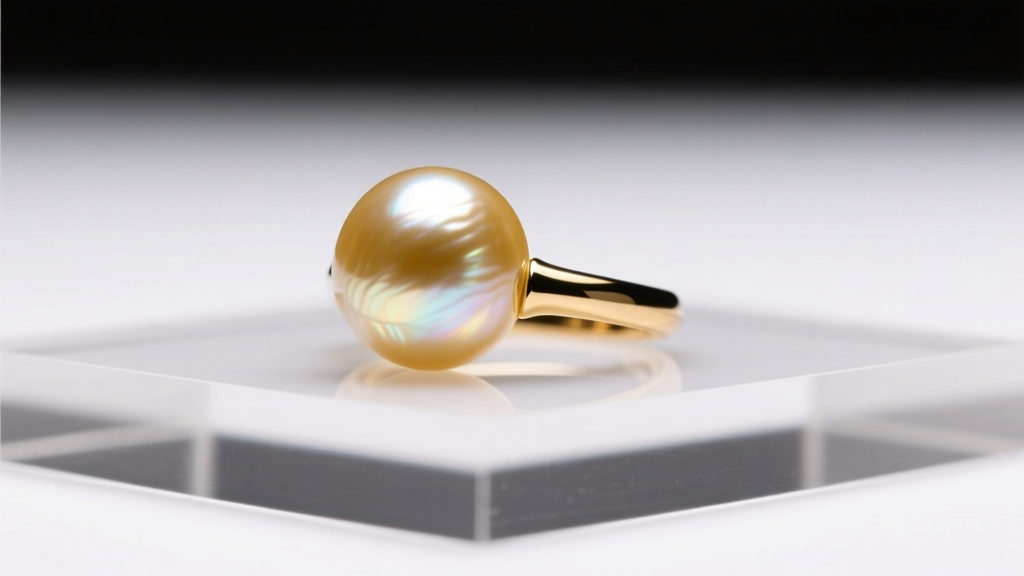
Always include a macro shot of the drill holes. Buyers will inspect the drill holes to check for chipping, dye concentration (a common trick to fake Tahitian black pearls), and to verify if the nacre is thick and solid or peeling.
Step 4: Navigating Offers and Avoiding Scams
The secondary jewelry market is rife with bad actors targeting inexperienced sellers. When selling high-value pearl jewelry online, always use platform-backed escrow services or verified authentication centers. If a buyer requests to move the transaction off-platform to avoid fees, decline immediately.
"Sellers must be wary of the 'melt-value' pivot. Unscrupulous buyers will attempt to distract you from the gemological value of a pearl piece by hyper-focusing on the gold weight of the mounting or clasp, using it to anchor a severely depressed offer."
Furthermore, familiarize yourself with the Federal Trade Commission's Jewelry Guides, which outline strict rules on how pearls can be described. If you are selling on P2P platforms, ensure your listing explicitly states whether the pearls are "cultured," "freshwater," or "imitation." Misrepresenting a bead-nucleated freshwater Edison pearl as a saltwater South Sea pearl can result in forced returns, account bans, and potential fraud allegations.
Final Negotiation Tactics
When listing on platforms like eBay or 1stDibs, price your pearl jewelry 20% to 30% above your absolute minimum acceptable offer. This builds in a psychological buffer for negotiation. When a buyer requests a discount, counter by offering free insured shipping or including a premium wooden presentation box rather than immediately dropping the price of the gems themselves. By following this structured approach, you ensure that your pearl jewelry finds a new home while securing the highest possible financial return.


