How to Care for Pearl Jewelry: Expert Cleaning & Storage
Learn exactly how to care for pearl jewelry with our expert guide. Discover safe cleaning methods, silk restringing tips, and proper storage.

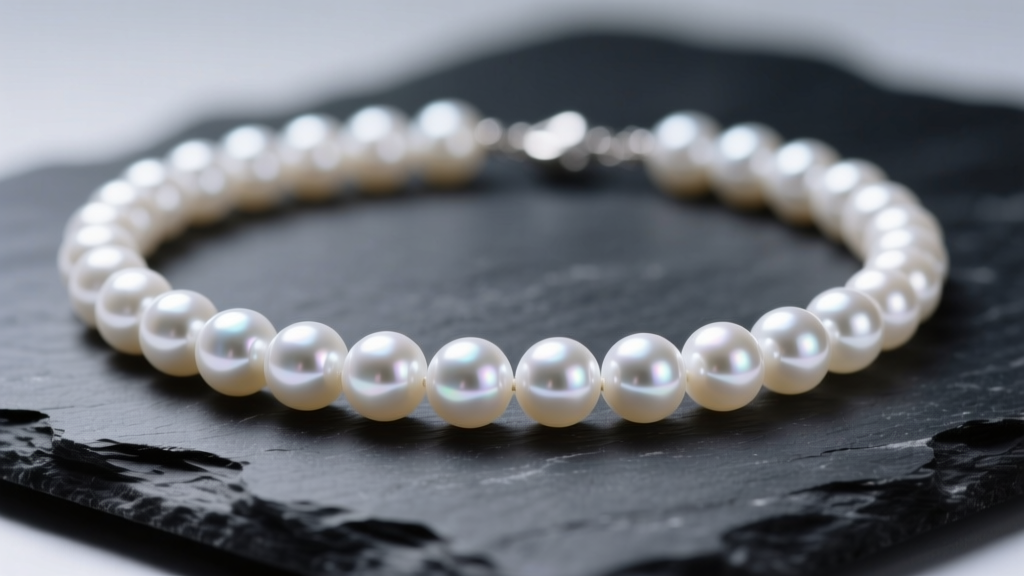
Pearls are uniquely captivating, but unlike diamonds or sapphires, they are organic gemstones born from living mollusks. This organic origin means they require a highly specific maintenance routine to preserve their luster, structural integrity, and value. Understanding how to care for pearl jewelry is not just about keeping them clean; it is about preserving the delicate balance of their microscopic composition. Whether you own a strand of classic Akoya pearls, a dramatic Tahitian black pearl pendant, or a modern freshwater baroque bracelet, this comprehensive 2026 guide will walk you through the exact protocols used by master jewelers and gemologists.
The Science of Pearl Vulnerability
To properly care for pearls, you must first understand what they are made of. Pearls consist primarily of aragonite (a crystalline form of calcium carbonate) held together by conchiolin, an organic protein. This combination gives pearls their unique orient and luster, but it also makes them remarkably vulnerable to environmental factors.
- Mohs Hardness: Pearls rank between 2.5 and 4.5 on the Mohs scale, meaning they can be easily scratched by everyday dust (which often contains quartz particles at a 7.0 hardness) or other jewelry.
- Chemical Sensitivity: Calcium carbonate is highly reactive to acids. Even the mild, natural acidity of human sweat (pH 4.5 to 7.0) can slowly etch the nacre over time, leading to a dull, chalky appearance.
- Moisture Dependence: The conchiolin protein requires a minimal amount of ambient moisture to remain flexible. If pearls dry out completely, the organic binder degrades, causing the nacre layers to crack or peel.
Daily Wear Rules: The "Last On, First Off" Protocol
The golden rule of pearl maintenance is "Last On, First Off." Your pearls should be the very last thing you put on when getting dressed and the first thing you take off when you return home. This simple habit prevents exposure to a wide array of destructive chemicals found in daily beauty routines.
Hazardous Substances to Avoid During Wear
Cosmetics, hairsprays, and perfumes contain alcohols and volatile organic compounds that strip the natural oils from the pearl's surface. Apply all lotions, perfumes, and hair products at least 30 minutes before putting on your pearl jewelry. Furthermore, never wear pearls while swimming in chlorinated pools, soaking in hot tubs, or bathing in hard water, as chlorine and heavy minerals will rapidly degrade the nacre and weaken the silk threading.
Step-by-Step: How to Clean Pearl Jewelry Safely
When learning how to care for pearl jewelry, mastering the cleaning process is paramount. Never use commercial jewelry dips, ultrasonic cleaners, or steam cleaners. The high-frequency vibrations of an ultrasonic cleaner will literally shatter the nacre layers, while steam can cause the bead nucleus to expand and crack the pearl from the inside out.
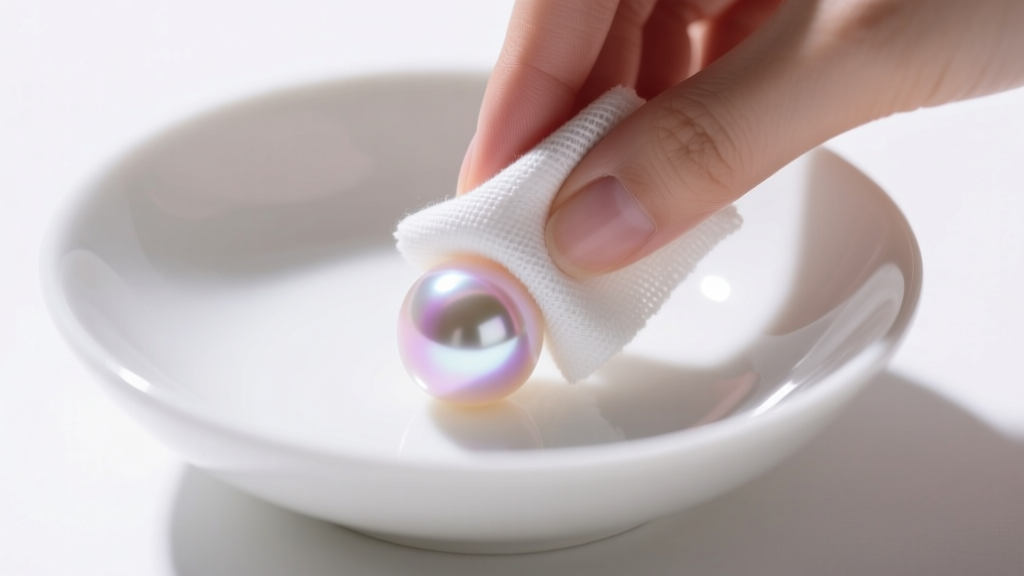
The Safe Cleaning Toolkit
- Distilled or filtered lukewarm water (tap water contains chlorine and fluoride)
- Mild, phosphate-free liquid Castile soap
- Ultra-soft microfiber cloth or a dedicated, clean makeup brush
- Untreated, dry cotton flannel cloth
The Cleaning Process
- Mix the Solution: Add a single drop of Castile soap to a bowl of lukewarm distilled water.
- Dampen, Don't Soak: Dip your microfiber cloth into the solution and wring it out until it is only slightly damp. Never submerge a knotted pearl necklace in water, as the silk thread will absorb the moisture, stretch, and eventually rot or snap.
- Wipe Gently: Wipe each pearl individually, applying zero pressure. For intricate settings or diamond accents near the pearls, use the damp makeup brush to gently dislodge debris.
- Dry Thoroughly: Lay the necklace flat on a dry cotton flannel cloth in a well-ventilated area away from direct sunlight or heat sources. Allow the silk thread to dry completely (usually 12-24 hours) before wearing or storing.
The Pearl Damage Matrix: Chemicals to Avoid
Not all cleaning agents are created equal. The following table outlines common household chemicals and their specific destructive effects on pearl nacre and silk threading.
| Chemical / Agent | Effect on Pearl Nacre | Effect on Silk Thread |
|---|---|---|
| Ammonia (e.g., Windex) | Dissolves calcium carbonate, causing immediate pitting and permanent loss of luster. | Weakens protein fibers, leading to rapid fraying and breakage. |
| Chlorine Bleach | Strips the outer nacre layers and can bleach dyed freshwater pearls unevenly. | Degrades the silk, causing it to become brittle and snap under the weight of the pearls. |
| Ultrasonic Cleaners | Micro-vibrations cause microscopic fractures in the nacre, leading to peeling. | N/A (Submersion is the primary risk to the thread). |
| Baking Soda Paste | Acts as an abrasive (Mohs 2.5), scratching the surface and removing the mirror-like finish. | Granules can become trapped in the knotting, grinding against the drill holes. |
Advanced Maintenance: Restringing and Silk Thread Grades
Knowing how to care for pearl jewelry also means knowing when to seek professional maintenance. High-quality pearl necklaces and bracelets are strung on 100% silk thread with individual knots between each pearl. These knots serve two purposes: they prevent the loss of multiple pearls if the strand breaks, and they stop the pearls from rubbing against one another, which causes nacre friction wear.
When to Restring
If you wear your pearl necklace weekly, it should be professionally restrung every 12 to 18 months. Inspect the strand by gently pulling the pearls apart. If you see more than a millimeter of stretched, dirty, or fraying silk between the knots, it is time for a restringing. According to the Gemological Institute of America (GIA), stretched silk compromises the structural integrity of the entire piece.
Understanding Silk Thread Sizes
Master stringers use specific sizes of Griffin or Beadalon 100% silk thread based on the pearl's drill hole diameter and weight:
- Size 0 or A: Used for tiny seed pearls (2mm - 4mm).
- Size F: The standard for most Akoya and freshwater pearls (5mm - 7mm).
- Size FF or FFF: Required for heavy South Sea and large Tahitian pearls (9mm - 15mm+).
Expert Tip: Always ensure your jeweler uses French wire (also known as gimp) at the clasp ends. This tiny coiled metal tube protects the silk from fraying against the metal clasp ring, extending the life of the stringing by years.
Proper Storage: Humidity and Separation
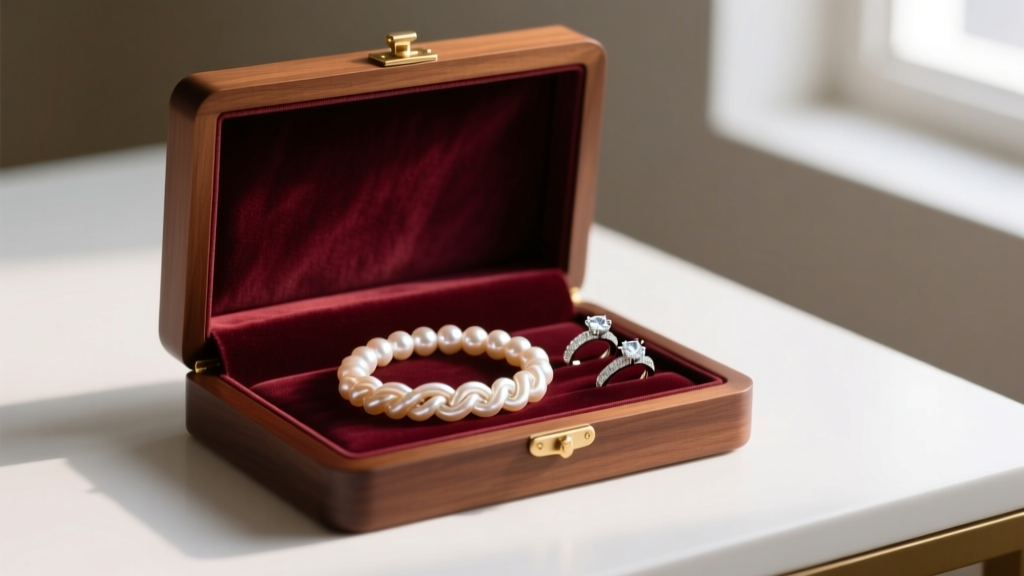
Storage is where most pearl damage occurs. Because pearls are organic, they need to "breathe" and maintain a stable humidity level (ideally between 40% and 60%).
Warning: Never store your pearls in an airtight plastic bag, a ziplock, or a bank safe deposit box for extended periods. The lack of ambient moisture will cause the conchiolin to dry out, resulting in irreversible concentric cracking around the drill holes.
The Ideal Storage Environment
Store your pearls flat in a soft, untreated cotton or linen pouch. Never hang a pearl necklace on a jewelry tree or hook; the continuous downward pull of gravity will permanently stretch the wet or humid silk thread over time. Furthermore, always store pearls in a separate compartment away from diamond, sapphire, or metal jewelry. Even the simple act of a diamond pendant resting against a pearl in a closed jewelry box is enough to carve deep, permanent scratches into the softer nacre surface.
Troubleshooting Common Pearl Issues
My Pearls Have Lost Their Luster
If your pearls look dull or chalky despite gentle cleaning, the outer layer of nacre may have been etched by prolonged exposure to sweat or acids. While you cannot "polish" a pearl back to life without removing precious nacre, a professional jeweler can sometimes gently buff the surface with a specialized, non-abrasive pearl polish. For severe cases, the pearl may need to be replaced.
Yellowing of White Pearls
White Akoya and South Sea pearls can develop a yellow tint over decades. This is a natural aging process of the conchiolin protein. While some claim that exposing yellowed pearls to mild, indirect sunlight can bleach them back to white, this is highly risky and can cause dehydration cracking. The American Gem Society recommends embracing the natural patina of aged pearls or consulting a specialist for safe, controlled restoration techniques.
By adhering to these strict protocols, your pearl jewelry will retain its breathtaking luster and structural integrity, allowing these organic marvels to be passed down as pristine heirlooms for generations to come.


