Ruby and Pearl Jewelry Value Guide: 2026 Pricing & Budget Tips
Discover the true value of ruby and pearl jewelry in 2026. Learn pricing tiers, gemological grading, and structural risks to make smart budget choices.

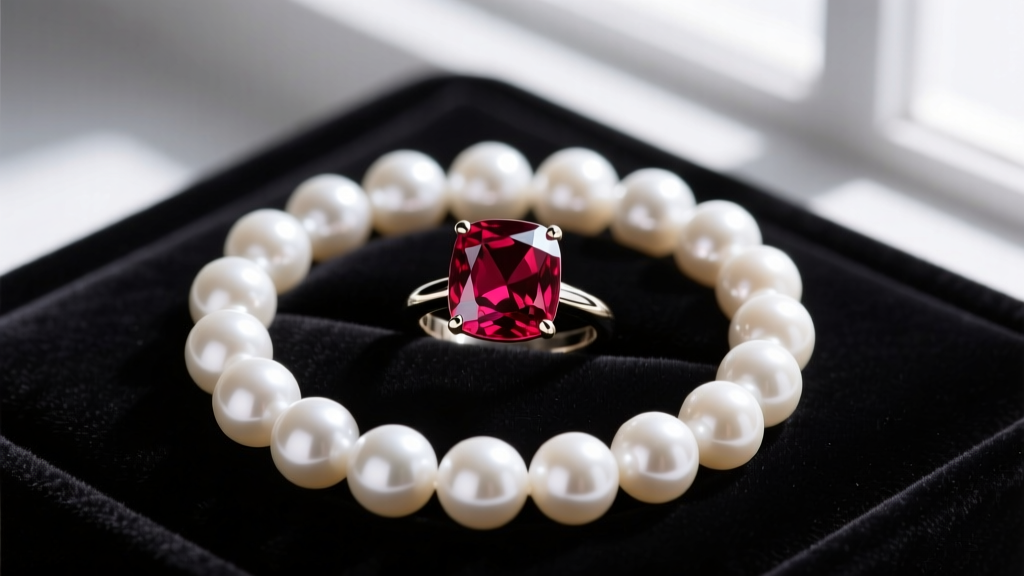
The combination of ruby and pearl jewelry represents one of the most striking visual and gemological contrasts in the luxury market. The deep, passionate red of corundum paired with the soft, iridescent luster of calcium carbonate creates a timeless aesthetic. However, from a budget and value assessment perspective, this pairing is a minefield for the uneducated buyer. In 2026, market fluctuations in colored gemstones and the rising demand for high-grade saltwater pearls mean that pricing can vary by over 10,000% between commercial-grade and investment-grade pieces. This guide breaks down the exact gemological markers, structural risks, and pricing tiers you need to know to evaluate ruby and pearl jewelry accurately.
The Gemological Paradox: Hardness vs. Softness
Before assessing financial value, you must understand the physical incompatibility of these two materials. Rubies are a variety of corundum, ranking at a 9 on the Mohs scale of hardness. Pearls, composed of aragonite platelets and conchiolin, rank between 2.5 and 4.5. This massive disparity means that a ruby can effortlessly scratch, chip, or dull a pearl through simple friction.
When evaluating a piece, examine the spatial relationship between the stones. In high-quality ruby and pearl jewelry, the pearls are either recessed, protected by raised bezels, or suspended as drops away from the ruby's pavilion. If you are looking at a cluster ring where the ruby and pearls share a single plane with standard prong settings, the long-term value of the piece is inherently compromised. The pearls will inevitably suffer abrasion damage, requiring costly replacement and destroying the original integrity of the jewelry.
2026 Market Pricing Tiers for Ruby and Pearl Jewelry
Pricing in this niche is not linear; it is exponential based on the treatment status of the ruby and the origin of the pearl. Below is a realistic breakdown of what you should expect to pay in the current market.
| Value Tier | Pearl Specification | Ruby Specification | 2026 Estimated Price Range |
|---|---|---|---|
| Commercial | 6mm-7mm AAA Freshwater | 1.5ct Heated/Glass-Filled Mozambique | $150 – $450 |
| Fine Jewelry | 7mm-8mm Hanadama Akoya | 2.0ct Heated, Unfilled Burmese | $2,500 – $6,500 |
| Premium | 11mm-13mm White South Sea | 3.0ct Unheated Mozambique (Pigeon Blood) | $12,000 – $28,000 |
| Investment | 14mm+ Golden/White South Sea | 5.0ct+ Unheated Burmese (Pigeon Blood) | $85,000 – $250,000+ |
As noted by industry analysts at JCK Online, the gap between heated and unheated rubies continues to widen, making the treatment status the single largest financial variable in your purchase.
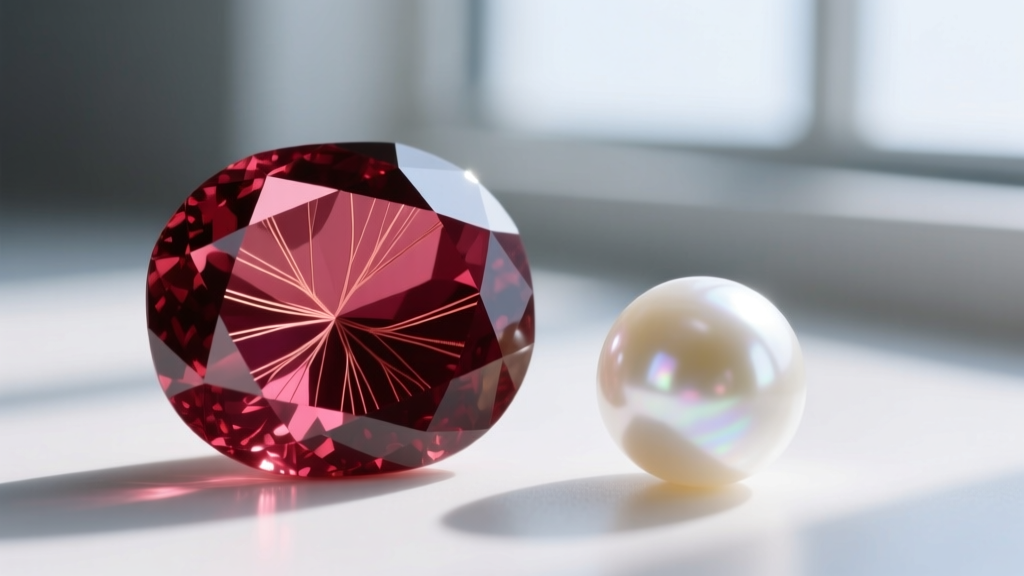
Assessing the Ruby: Treatments That Tank Resale Value
When budgeting for ruby and pearl jewelry, the ruby will dictate the ceiling of your investment. You must be vigilant about treatments, which are often obscured in commercial retail environments.
The Lead-Glass Filled Trap
Over 80% of commercial rubies on the market are fracture-filled with lead glass. This treatment takes opaque, low-grade corundum and renders it transparent. According to the Gemological Institute of America (GIA), lead-glass filled rubies are considered composite stones and hold virtually zero resale value. They are highly susceptible to damage from mild acids (even lemon juice or common jewelry cleaners) and ultrasonic machines. If a ruby and pearl pendant is priced under $300 but features a large, vivid red stone, it is almost certainly glass-filled.
Heat Treatment vs. Unheated
Standard heat treatment is widely accepted in the gem trade and improves both color and clarity. However, an unheated ruby with exceptional color commands a massive premium. For budget buyers, a beautifully heated Burmese or Mozambique ruby offers the best visual-to-cost ratio, allowing you to allocate more of your budget toward higher-quality pearls.
Assessing the Pearl: Nacre, Luster, and Matching
Pearls in multi-gemstone jewelry are often treated as mere accents, leading manufacturers to use low-grade, thin-nacre specimens to cut costs. To assess true value, you must look past the surface color and evaluate the nacre thickness and luster.
- Akoya Pearls: The standard for classic ruby pairings. Look for a nacre thickness of at least 0.4mm. Pearls with thinner nacre will exhibit a dull, chalky appearance over time as the bead nucleus shows through. Hanadama or AAA grades are essential for a mirror-like luster that complements the brilliance of a faceted ruby.
- South Sea Pearls: Used in high-end pieces. These naturally possess thick nacre (2mm to 6mm) and offer a satiny luster. The value here is heavily dependent on surface cleanliness and exact color matching, as South Sea pearls are notoriously difficult to match in large halo settings.
- Freshwater Pearls: Modern Edison and freshwater pearls offer incredible budget value. They are solid nacre (no bead nucleus) and can mimic the look of saltwater pearls. However, their luster tends to be softer and less mirror-like than premium Akoya, which can sometimes visually clash with the sharp, glassy brilliance of a ruby.
Structural Risks: Setting Failures and Cleaning Hazards
The most overlooked aspect of valuing ruby and pearl jewelry is the long-term maintenance cost driven by structural vulnerabilities. The cleaning protocols for these two gems are diametrically opposed.
Rubies (provided they are not fracture-filled) can generally withstand the heat and cavitation of an ultrasonic cleaner. Pearls, however, will be destroyed by ultrasonic waves, which can fracture the nacre layers and dissolve the conchiolin binding agent. Furthermore, the GIA Pearl Care Guide explicitly warns against exposing pearls to harsh chemicals or extreme heat. This means a ruby and pearl ring can never be professionally cleaned using standard rapid ultrasonic methods; it must be meticulously cleaned by hand with a soft brush and mild soap. When negotiating a price or assessing a brand's warranty, factor in the higher long-term maintenance costs required to keep mixed-material jewelry pristine.
Adhesive Degradation
Many pearl and ruby designs utilize half-drilled pearls mounted on pegs using epoxy or cyanoacrylate adhesives. Over time, exposure to lotions, perfumes, and natural skin oils degrades these bonds. When evaluating a vintage or pre-owned piece, gently test the pearl for rotational movement. If the pearl spins on its peg, the adhesive has failed, and the piece requires immediate professional re-setting.
The Budget Buyer’s Framework: Maximizing Value
If you want the luxurious aesthetic of ruby and pearl jewelry without the investment-grade price tag, apply this decision framework:
- Prioritize Pearl Luster Over Ruby Carat Weight: A 1.00-carat, well-cut heated ruby surrounded by highly lustrous, thick-nacre Akoya pearls will look infinitely more expensive and elegant than a 3.00-carat glass-filled ruby surrounded by chalky, thin-nacre commercial pearls.
- Opt for Drop Pendants Over Cluster Rings: Rings are subject to high impact and friction. A pendant or pair of earrings keeps the delicate pearls safe from accidental strikes against hard surfaces, preserving the structural integrity and longevity of your investment.
- Demand X-Ray Verification for Saltwater Pearls: If you are spending over $2,000 on a piece featuring Akoya or South Sea pearls, insist on an X-ray report or gemological certificate verifying the nacre thickness. This ensures you are not paying fine-jewelry prices for bead-nucleated pearls with paper-thin nacre.
"True value in mixed-gemstone jewelry is not found in the sheer carat weight of the stones, but in the harmony of their durability, the integrity of their treatments, and the precision of their setting."
By understanding the gemological realities and 2026 market pricing of ruby and pearl jewelry, you can confidently navigate the market, avoiding overpriced commercial traps and identifying pieces that offer genuine, lasting value.


