How Can You Tell If Jewelry Is Sterling Silver? Expert Style Guide
Learn how can you tell if jewelry is sterling silver. Our style experts break down hallmarks, magnet tests, and trending counterfeit red flags.

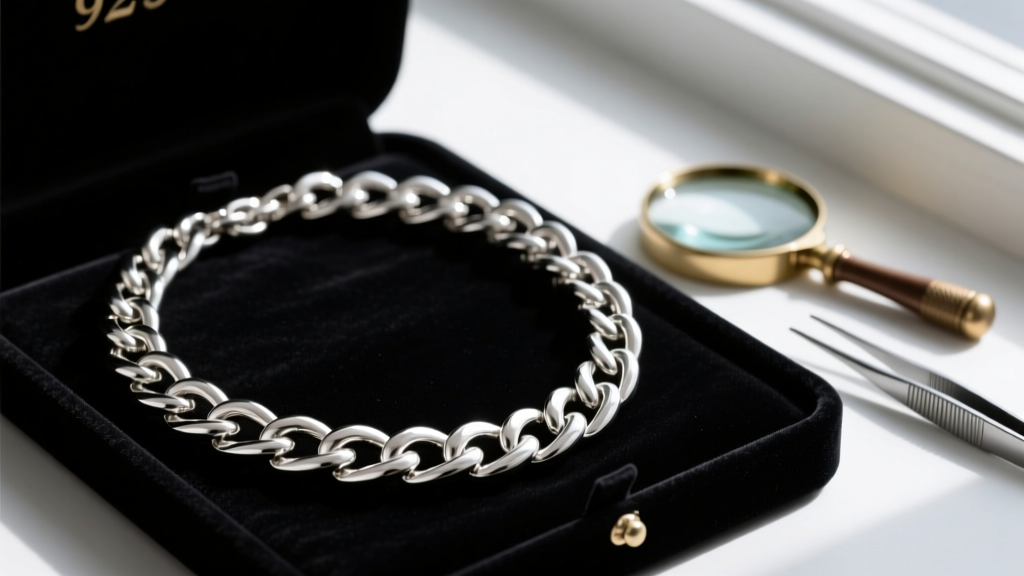
The resurgence of archival fashion, Y2K aesthetics, and the "mob wife" heavy-metal trend has pushed sterling silver to the forefront of 2026 style. However, this surge in demand has triggered a parallel spike in sophisticated counterfeits. Fast-fashion conglomerates and online marketplaces are flooding the market with "silvertone" alloys, rhodium-plated brass, and deceptive misnomers. For the style-savvy collector, knowing how can you tell if jewelry is sterling silver is no longer just about avoiding scams—it is essential for curating an authentic, high-quality wardrobe. Below, we break down the exact methodologies, from non-destructive physical tests to chemical analysis, used by industry experts to verify trending silver pieces.
The Surge of Counterfeit Silver in Modern Trend Cycles
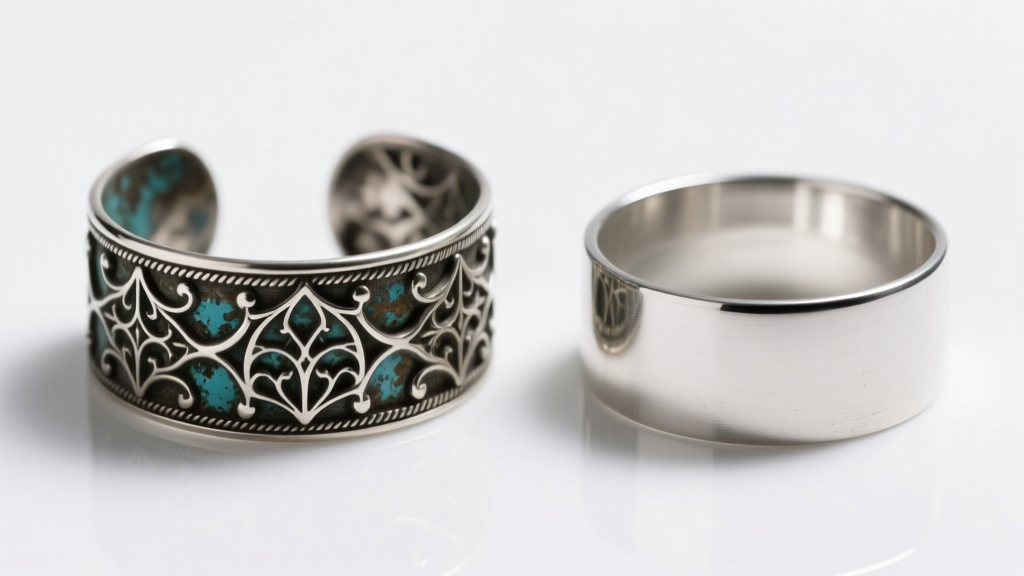
In the current style landscape, chunky chain necklaces, oxidized gothic cuffs, and liquid-metal rings dominate the runways and street style. Because genuine silver is a precious metal, its price fluctuates with the commodities market. To maintain low price points while mimicking the high-polish or matte-oxidized looks of genuine 925 silver, manufacturers often use base metals like zinc, copper, and nickel, finishing them with a micro-thin layer of rhodium or silver plating. According to the Federal Trade Commission's Jewelry Guides, it is illegal to market an item as "silver" unless it contains at least 92.5% pure silver, yet overseas e-commerce platforms frequently bypass these regulations using deceptive terminology.
Decoding Hallmarks: Beyond the Basic "925"
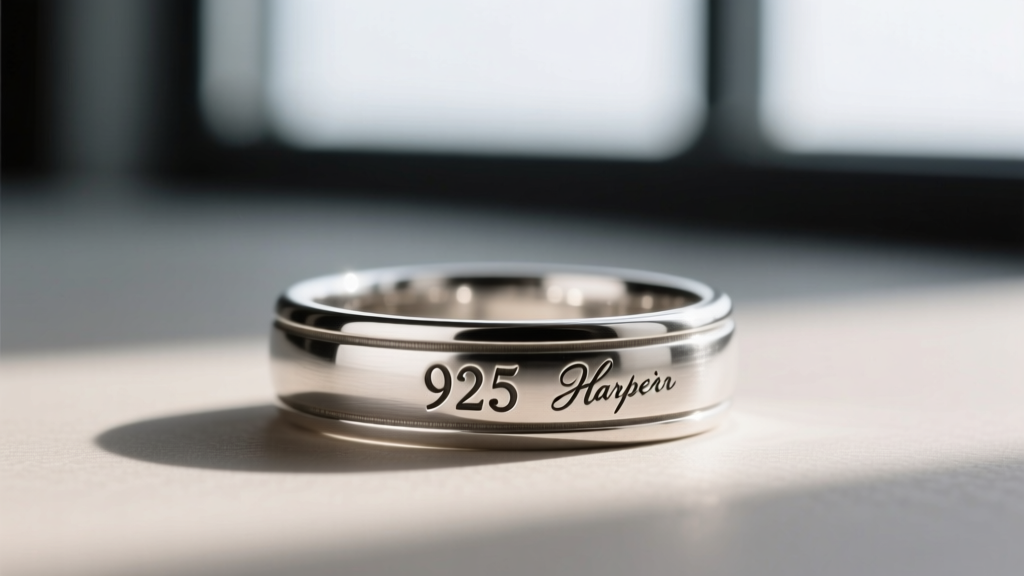
The first step in authentication is examining the hallmark. While "925" is the universal stamp for sterling silver (indicating 92.5% silver and 7.5% alloy, usually copper), counterfeiters frequently stamp base metals with fake 925 marks. To truly authenticate a piece, you must look for secondary markers.
- Maker's Marks: Authentic artisan and designer pieces will feature a unique maker's mark (often initials or a symbol) registered with a local assay office. A "925" stamp without a maker's mark on a high-end vintage piece is a major red flag.
- Country-Specific Assay Marks: For European vintage trends, look for the UK's Lion Passant (a walking lion) or France's Minerva Head. These are legally enforced and much harder to fake than a simple numeric stamp.
- Argentium Silver: A modern trend in high-end jewelry is Argentium, which replaces some copper with germanium for extreme tarnish resistance. It is stamped "935" or "960" and features a tiny flying unicorn hallmark.
Non-Destructive Testing for Vintage and Artisan Pieces
When investing in trending vintage silver—such as 1990s Vivienne Westworld orb jewelry or artisan Taxco pieces from Mexico—you cannot use destructive chemical tests. Instead, rely on the physical properties of silver.
The Neodymium Magnet Test
Silver is paramagnetic, meaning it exhibits no noticeable magnetic pull. To test a piece, use a strong N52 grade neodymium magnet. If the jewelry snaps to the magnet or shows significant drag when you slide the magnet down a silver chain, the core is likely steel or iron. Note that brass and copper are also non-magnetic, so this test only rules out ferrous metals, not all fakes.
The Thermal Conductivity (Ice) Test
Silver has the highest thermal conductivity of any common metal, measured at an impressive 429 W/(m·K). Place an ice cube directly on the silver piece. Genuine sterling silver will transfer the ambient heat so rapidly that the ice will begin melting almost instantly, far faster than it would on a room-temperature countertop or a piece of stainless steel.
The Acoustic "Ping" Test
Gently strike a silver coin or a solid silver bangle with another piece of metal (like a copper penny). Genuine 925 silver produces a clear, high-pitched ringing sound that sustains for 1 to 2 seconds. Base metals or silver-plated lead will produce a dull, short "thud."
"Style is about investment. When you are buying into the heavy, sculptural silver trends of 2026, you are paying for the intrinsic value and longevity of the metal, not just the silhouette. Never skip the physical verification." — Archival Jewelry Appraiser
Chemical and Advanced Testing for High-Value Investments
For buyers sourcing high-value lots at estate sales or verifying heavy chainmail pieces, chemical testing provides definitive proof of the metal's purity. The industry standard is Schwerter's solution, a mixture of potassium dichromate and nitric acid.
By filing a tiny, inconspicuous notch into the metal (to bypass any silver plating) and applying a drop of the acid, the resulting color change reveals the exact silver content. The Silver Institute notes that acid testing remains the most accessible definitive method for jewelers and serious collectors.
| Acid Reaction Color | Silver Purity | Material Verdict |
|---|---|---|
| Bright Blood Red | 99.9% (Fine Silver) | Authentic, usually coins or pure wire |
| Dark Red / Brownish Red | 92.5% (Sterling) | Authentic Sterling Silver |
| Brown | 80.0% (Coin Silver) | Authentic, common in vintage US pieces |
| Green | 50.0% or lower | Low-grade alloy or fake |
| Blue | 0% (Nickel/Copper) | Base metal, completely fake |
Safety Note: Schwerter's solution contains nitric acid and hexavalent chromium. Always use gloves, eye protection, and work in a well-ventilated area. For a modern, safer alternative, X-ray Fluorescence (XRF) scanners are used by high-end consignment stores to verify metal composition without damaging the piece, though the equipment costs thousands of dollars.
Trend Red Flags: Spotting Fakes in Fast-Fashion & Online Markets
When shopping for trending aesthetics online, be highly critical of the terminology used in product descriptions. The Gemological Institute of America (GIA) warns consumers about misleading trade names that contain zero actual silver.
Deceptive Misnomers to Avoid
- Tibetan Silver: Despite the name, this is typically an alloy of copper, zinc, and sometimes nickel, often finished with a dark antique wash. It contains no silver and can cause severe contact dermatitis due to nickel content.
- Alpaca / German Silver: Another nickel-copper-zinc alloy. It has a slightly grayish, duller tone than real silver and is entirely devoid of precious metal.
- Silver-Plated vs. Silver-Filled: "Silver-plated" means a microscopic layer of silver over brass. "Silver-filled" (much like gold-filled) means a thick sheet of sterling silver is mechanically bonded to a brass core. Silver-filled is a legitimate, durable alternative for budget-conscious trend followers, but it is not solid sterling and should be priced accordingly.
The Weight-to-Volume Discrepancy
Silver is a dense metal (10.49 g/cm³). Trending "chunky" chain necklaces made of genuine sterling silver have a substantial, heavy drape. If a massive, oversized Y2K-style chain necklace feels suspiciously light or "plasticky" in the hand, it is likely hollow-manufactured brass or 3D-printed resin with a metallic spray coating. Always check the gram weight listed by the seller; a solid 20-inch Cuban link chain in 925 silver should weigh well over 80 grams depending on the link width.
Expert Verdict: Building an Authentic Silver Collection
Mastering how can you tell if jewelry is sterling silver empowers you to navigate the 2026 jewelry market with confidence. By combining a critical eye for hallmarks, an understanding of deceptive marketing terminology, and a few simple non-destructive physical tests, you can safely invest in the bold, sculptural silver trends defining this era. Always demand transparency from sellers, prioritize pieces with verifiable maker's marks, and remember that true style relies on the enduring quality of the materials you choose to wear.


