The Ultimate Guide to Choosing a Polishing Cloth for Silver Jewelry
Learn how to choose and use the right polishing cloth for silver jewelry. Discover expert tips on micro-abrasives, washing rules, and tarnish removal.

Why Sterling Silver Tarnishes (and Why Cloths Work)
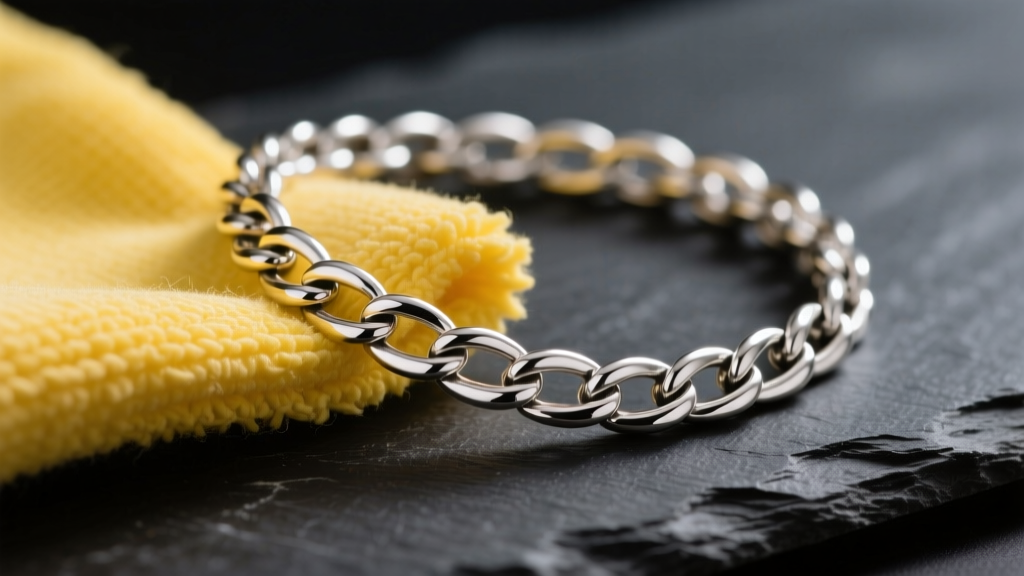
925 sterling silver, an alloy comprising 92.5% pure silver and 7.5% copper, is prized for its brilliant luster but is inherently reactive to environmental sulfur. When silver is exposed to hydrogen sulfide in the air, or even to the natural acids and sulfur compounds in human sweat, it undergoes a chemical reaction that forms silver sulfide (Ag2S). This manifests as a dull, yellowish, or black coating known as tarnish.
While liquid dips and ultrasonic cleaners have their place, a high-quality polishing cloth for silver jewelry remains the safest, most controlled first line of defense for beginners and professionals alike. Unlike harsh chemical baths that can strip intentional patinas or damage porous gemstones, a specialized cloth relies on a combination of micro-abrasion and chemical reduction to lift tarnish without compromising the structural integrity of your jewelry.
The Anatomy of a Professional Silver Polishing Cloth
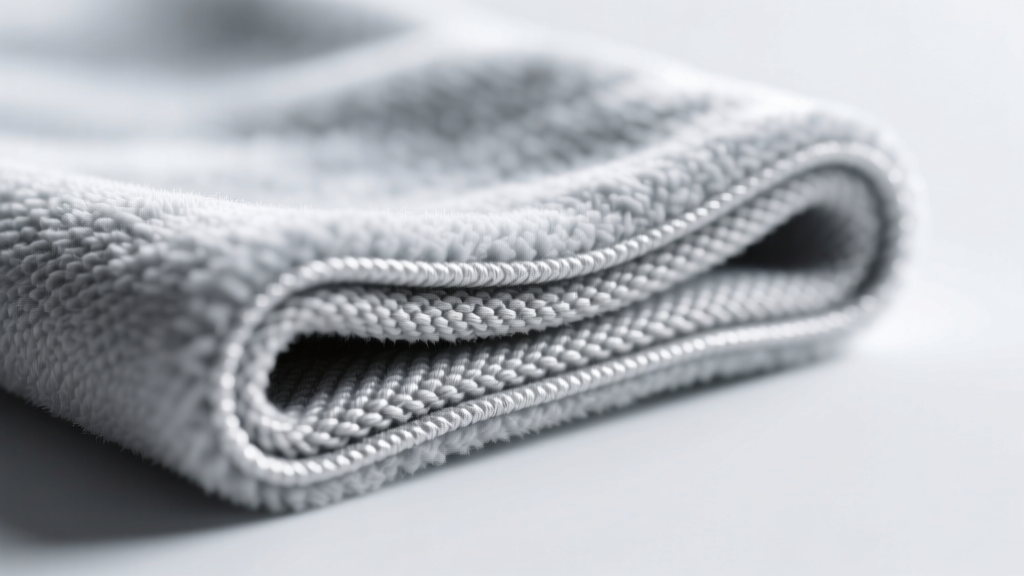
Not all microfiber or cotton rags are created equal. A true silver polishing cloth is an engineered tool. According to the Gemological Institute of America (GIA), proper silver care requires materials that remove tarnish without causing micro-scratches on the metal's surface. Professional cloths achieve this through a specific two-ply construction:
The Inner Layer (The Treatment Zone)
The inner ply is typically a loosely woven cotton flannel impregnated with specialized polishing compounds. These compounds usually include micro-abrasives (like jeweler's rouge, which is finely ground iron oxide) and chemical tarnish-removing agents. The micro-abrasives are calibrated to be harder than silver sulfide but softer than the underlying sterling silver, allowing them to scrape away the tarnish layer without gouging the metal.
The Outer Layer (The Trap and Buff Zone)
The outer ply is made of a tighter, smoother flannel. Its primary job is to trap the removed silver sulfide and spent polishing compounds, preventing them from being redeposited onto the jewelry. It also serves as the final buffing layer, bringing the silver to a high shine.
Step-by-Step: How to Properly Polish 925 Sterling Silver
Using a polishing cloth for silver jewelry is straightforward, but technique matters. Aggressive rubbing can cause unnecessary wear, especially on delicate chains or high-polish finishes.
- Step 1: Inspect the Piece. Check for loose stones, weakened prongs, or deep structural cracks. Polishing applies lateral pressure that can dislodge a compromised gemstone.
- Step 2: Fold the Cloth. Fold the cloth into a manageable square, ensuring you are using the inner treated layer against the metal.
- Step 3: Apply Gentle, Linear Pressure. Rub the silver using gentle, overlapping back-and-forth strokes. Avoid aggressive circular motions on high-polish finishes, as this can create visible micro-swirls (haze) under direct light.
- Step 4: Buff the Surface. Flip to the outer, untreated layer of the cloth and gently buff the piece to remove any residual compound and achieve a mirror finish.
- Step 5: Clean Crevices. For intricate filigree or chain links, fold the cloth into a point or use a specialized silver polishing swab to reach tight spaces without snapping the delicate metal.
When NOT to Use a Polishing Cloth (Crucial Beginner Mistakes)
While a polishing cloth is incredibly versatile, the micro-abrasives embedded within it can be disastrous for certain materials. The Jewelers of America strongly advises against using abrasive polishes on organic or porous gems. Always consult the Mohs hardness scale and material porosity before applying a treated cloth.
| Material / Finish | Cloth Safe? | Why? |
|---|---|---|
| 925 Sterling Silver (High Polish) | Yes | Removes tarnish safely; restores mirror shine. |
| Oxidized / Blackened Silver | No | The micro-abrasives will strip the intentional dark patina from the recessed areas. |
| Matte / Brushed Finishes | No | Polishing will create shiny, uneven patches, ruining the textured aesthetic. |
| Pearls & Opals | No | Extremely soft and porous; abrasives will permanently scratch and dull the nacre/surface. |
| Turquoise & Lapis Lazuli | No | Porous stones that can absorb the chemical compounds, leading to discoloration. |
| Diamonds, Sapphires, Rubies | Yes (with caution) | Hard enough to resist scratching, but cloth fibers can snag on sharp prongs. |
Cloth Care: Washing, Lifespan, and Replacement Signs
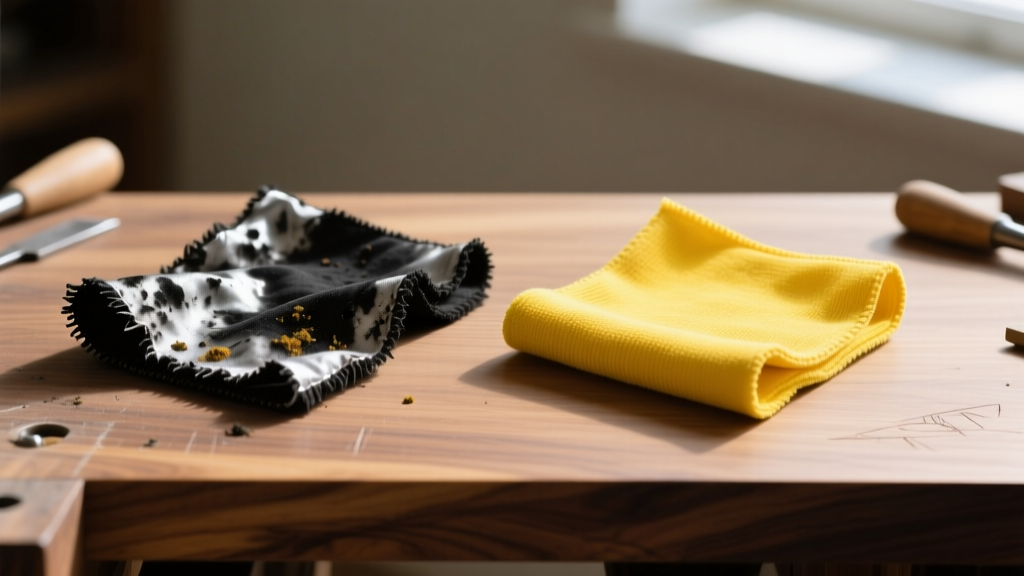
One of the most common mistakes beginners make is attempting to wash their silver polishing cloth. Never wash a treated polishing cloth. Water and detergent will immediately strip the embedded micro-abrasives and anti-tarnish chemicals, rendering the inner layer completely useless.
It is entirely normal for the cloth to turn dark gray or pitch black after a few uses. This is not dirt; it is the silver sulfide being lifted from your jewelry. The cloth will continue to work effectively even when heavily discolored. However, you should replace your polishing cloth when:
- The fabric becomes stiff, crusty, or brittle.
- The cloth begins to leave dark, stubborn smudges on the silver instead of lifting them.
- The outer layer is so saturated with tarnish that it no longer buffs the metal to a shine.
- The fabric develops holes or frays, which can snag on delicate jewelry prongs.
Top Cloth Types Compared for Beginners
When shopping for a polishing cloth for silver jewelry, you will encounter a few dominant formulations. Here is how they compare for everyday use:
Sunshine Polishing Cloths
These are the industry standard, recognizable by their bright yellow color. They are impregnated with a high-quality jeweler's rouge and a specialized tarnish-removing agent. They are highly effective on heavy tarnish and leave a brilliant shine. They are non-toxic and environmentally safe, making them the top recommendation for beginners.
Connoisseurs Silver Polishing Cloths
These cloths often feature a dual-texture design and are treated with a dry anti-tarnish formula rather than heavy rouge. They are excellent for light maintenance and quick touch-ups before wearing a piece, but they may require more elbow grease for heavily oxidized chains or vintage estate pieces.
Town Talk Silver Polish Cloths
Manufactured in the UK, these cloths are infused with a proprietary silver polish that often has a distinct, slightly chemical scent. They are exceptionally aggressive on tarnish and work incredibly fast, but they must be kept sealed in their plastic packaging when not in use to prevent the active ingredients from drying out.
Final Thoughts on Silver Maintenance
Investing in a high-quality polishing cloth for silver jewelry is one of the most cost-effective ways to maintain your collection. By understanding the chemistry of tarnish, respecting the limitations of micro-abrasives on porous gemstones, and never washing your treated cloths, you can keep your 925 sterling silver pieces looking pristine for decades. Store your polished jewelry in anti-tarnish bags or airtight containers with silica gel packets to slow the re-oxidation process and reduce the frequency of your polishing sessions.


