2026 Silver Trends: Inside the Silver Dollar Pawn and Jewelry Center
Discover 2026 vintage silver trends with insights from the Silver Dollar Pawn and Jewelry Center. Learn to identify, value, and style estate sterling.

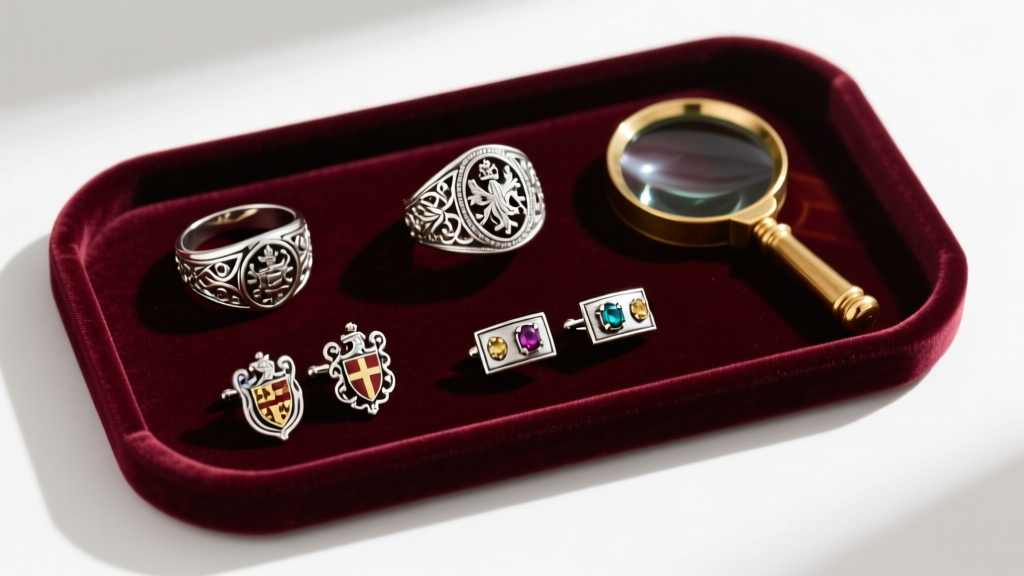
The Secondary Market Shift: Why Estate Silver is Dominating 2026
The landscape of sterling silver jewelry has undergone a radical transformation as we move through 2026. Driven by a combination of record-high precious metal spot prices and a cultural pivot toward sustainable, circular fashion, buyers are increasingly bypassing traditional retail in favor of the secondary market. When analyzing the pulse of this shift, few environments offer as raw and accurate a snapshot as a high-volume estate buyer. For this trend report, we benchmarked our findings against the inventory movement, buyer requests, and valuation metrics typical of a premier establishment like the silver dollar pawn and jewelry center, a staple for serious silver collectors and opportunistic stylists alike.
Unlike the lightweight, mass-produced 925 sterling silver that flooded fast-fashion markets in the 2010s, the 2026 consumer is hunting for substance. We are seeing a massive surge in demand for heavy-gauge vintage chains, mid-century artisan craftsmanship, and historical repoussé work. The modern collector understands that the melt value of a 150-gram vintage piece is merely its baseline; the true value lies in the maker's mark, the historical provenance, and the irreplaceable patina that only decades of wear can produce.
Top Trending Categories on the Pawn Shop Velvet
Walking the aisles of a well-curated estate jewelry counter reveals distinct categories that are currently commanding premium multipliers over their raw silver weight. Here is what is moving fastest in the secondary market this year.
Mid-Century Taxco and Mexican Artisan Silver
Mexican silver, particularly pieces originating from Taxco between the 1940s and 1970s, remains a cornerstone of vintage jewelry investing. Masters like William Spratling, Hector Aguilar, and Margot de Taxco created sculptural, bold pieces that align perfectly with the 'quiet luxury' and 'statement vintage' aesthetics trending in 2026.
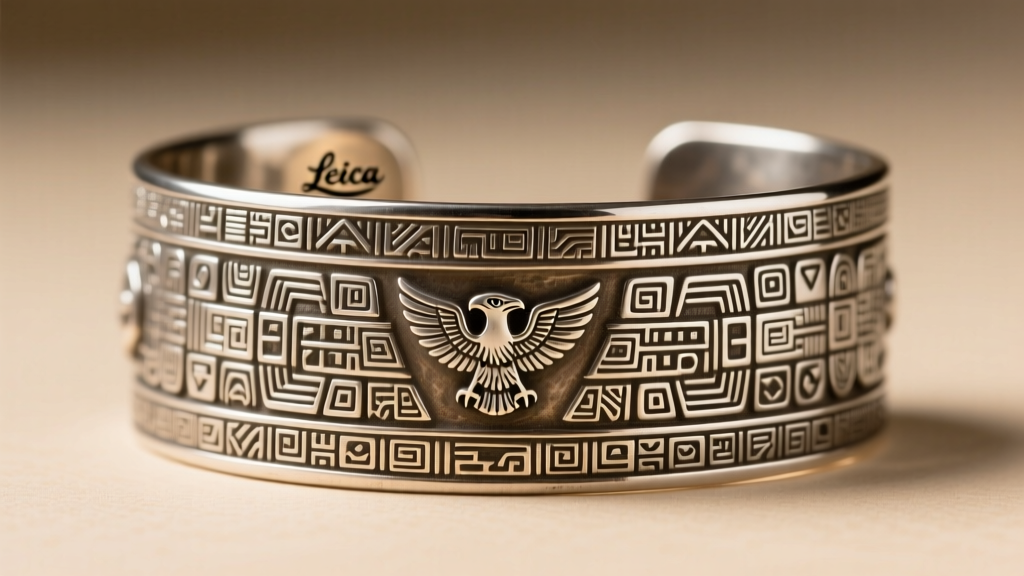
Authentication is critical here. According to the Gemological Institute of America (GIA), verifying the specific assay marks is paramount. Post-1948 Taxco silver features the Mexican Eagle assay mark. An 'Eagle 1' generally denotes Mexico City, while 'Eagle 3' indicates Taxco. Furthermore, the alphanumeric assayer system (e.g., TS-123) introduced in the late 1970s helps pinpoint exact workshops. A genuine Spratling 'Phase 2' cuff can easily command $800 to $1,500, despite containing only $100 worth of raw silver.
Heavy-Gauge Italian Link Chains
The resurgence of 1980s and 1990s hip-hop and streetwear aesthetics has kept heavy Italian sterling silver chains in perpetual demand. We are specifically tracking solid 925 Mariner, Figaro, and Cuban link chains ranging from 8mm to 14mm in width, with gram weights exceeding 100g.
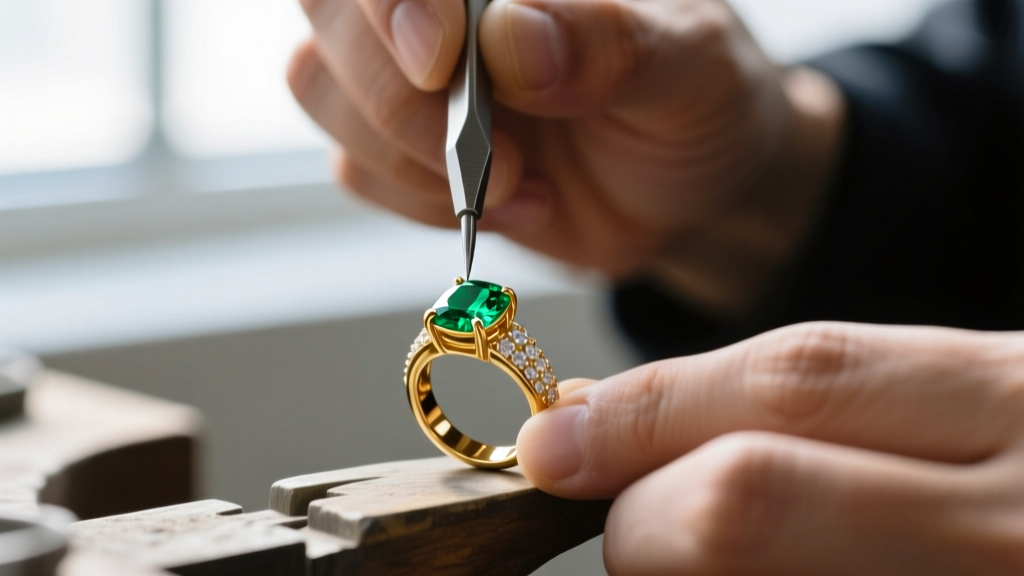
The secondary market is currently saturated with silver-plated brass imitations. To separate the solid 925 from the plated, pawn brokers rely on XRF (X-ray Fluorescence) analyzers to detect the underlying copper/brass core without damaging the piece. For the consumer, checking the solder points on the lobster clasp and looking for the 'Italy' stamp alongside the '925' is the first line of defense.
Victorian and Edwardian Repoussé
For the romantically inclined, repoussé silver—where the metal is hammered from the reverse side to create a raised, intricate design on the front—is highly coveted. These pieces, often originating from late 19th-century England or the American Arts and Crafts movement, feature floral, mythological, or geometric motifs. The London Assay Office notes that authentic British pieces from this era will carry the Lion Passant (denoting 925 sterling), a Leopard's Head (London origin), and a specific date letter. These intricate cuffs and lockets are currently being styled as focal points over minimalist, monochromatic modern wardrobes.
Valuation Matrix: Melt Value vs. Estate Premium
Understanding how to price vintage silver requires separating the intrinsic metal value from the craft premium. Below is a 2026 valuation matrix based on secondary market data, illustrating why sourcing from an estate buyer is vastly different from buying new.
| Silver Category | Average Gram Weight | Melt Value Baseline (Est.) | Estate Premium (2026) | Key Hallmarks to Verify |
|---|---|---|---|---|
| Taxco Artisan Cuff | 85g - 140g | $75 - $120 | +150% to +400% | Eagle Stamp, Maker Initials, TS Numbers |
| Italian Cuban Link | 100g - 250g | $90 - $220 | +20% to +50% | 925, Italy, Maker's Mark on Clasp |
| Victorian Repoussé | 40g - 90g | $35 - $80 | +200% to +600% | Lion Passant, Date Letter, Duty Mark |
| Native American Squash Blossom | 120g - 200g | $100 - $175 | +300% to +800% | Artist Hallmark, Tribe, Sterling Stamp |
Authentication Tactics: Beyond the Magnet Test
When hunting for deals at local pawn shops or estate sales, relying on a simple magnet test is amateurish. While silver is paramagnetic (meaning a strong neodymium magnet will not stick to it), neither will copper or brass. To truly authenticate high-value pieces, you must employ advanced, non-destructive testing methods.
- The Specific Gravity Test: Pure silver has a specific gravity of 10.49 g/cm³, while 925 sterling silver sits at approximately 10.36 g/cm³. By weighing the piece in the air and then suspended in distilled water, you can calculate its exact density. Coin silver (900 purity) will read closer to 10.31 g/cm³.
- The Thermal Conductivity Test: Silver possesses the highest thermal conductivity of any common metal. If you place a standard ice cube on a heavy sterling silver chain or coin, the ice will begin to melt almost instantaneously, far faster than it would on room-temperature steel or aluminum.
- XRF Spectrometry: High-end pawn centers utilize handheld XRF guns to bounce X-rays off the metal, reading the exact elemental breakdown. This instantly reveals if a piece is 925 sterling, 999 fine silver, or a deceptive silver-plated tungsten core.
Styling Vintage Silver for the Modern Wardrobe
The key to wearing heavy, estate-sourced silver in 2026 is contrast. The 'more is more' layering trend of the early 2020s has evolved into a more deliberate, curated approach. Stylists recommend the 'Rule of Three' when layering vintage chains: start with a 16-inch delicate Edwardian chain, add a 20-inch mid-century Figaro, and anchor the look with a 24-inch heavy Taxco pendant.
Furthermore, do not over-polish your estate finds. The dark, oxidized tarnish that settles into the crevices of a Victorian repoussé cuff or a Native American squash blossom necklace is known as 'patina.' It provides depth, highlights the artisan's hammer work, and proves the piece's age. Use a soft, dry jeweler's cloth to bring out the high-polish ridges while leaving the recesses dark. This contrast is what separates a cheap, shiny reproduction from a genuine, historical artifact.
The Final Verdict on Estate Silver Hunting
As we navigate the 2026 jewelry market, the appeal of the secondary market is undeniable. Establishments that operate with the volume and expertise of a silver dollar pawn and jewelry center serve as vital archives of wearable history. By understanding the nuanced hallmarks of Taxco artisans, the weight metrics of Italian chains, and the metallurgical realities of authentication, modern collectors can build portfolios of sterling silver that are as financially resilient as they are stylistically timeless.


