Best Silver Polishing Cloth for Jewelry: Style & Care
Discover how to choose the right silver polishing cloth for jewelry. We analyze modern trends, oxidized finishes, and expert care tips for sterling pieces.

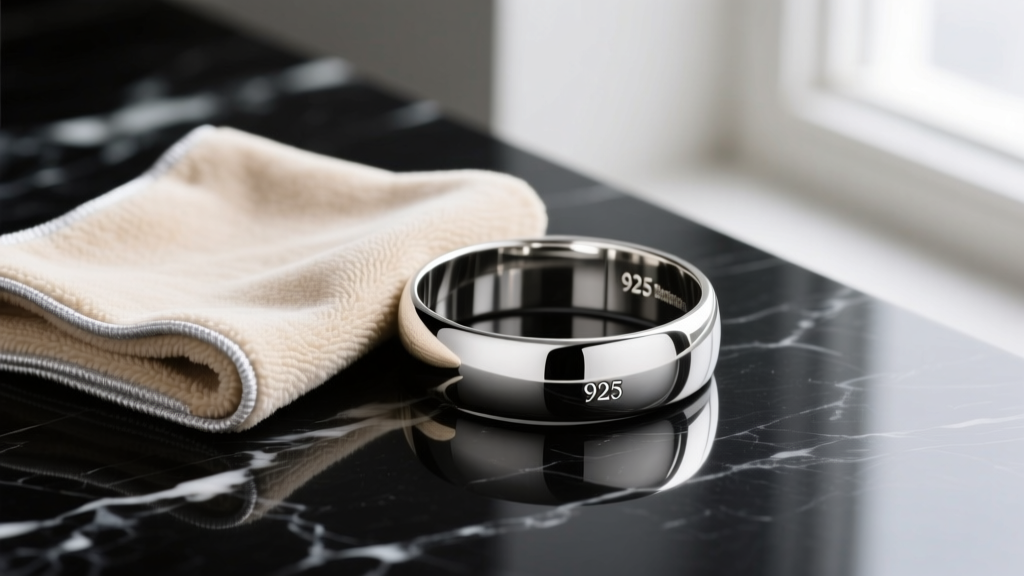
The landscape of sterling silver jewelry has undergone a radical transformation. As we navigate the style currents of 2026, the industry has shifted away from the uniform, mirror-like high-polish finishes that dominated the early 2010s. Today’s collectors and style aficionados are gravitating toward sculptural forms, mixed-metal inlays, brushed satin textures, and deliberate oxidation. With this evolution in design, the tools we use to maintain these pieces must also evolve. Selecting the correct silver polishing cloth for jewelry is no longer a one-size-fits-all endeavor; it is a critical component of jewelry preservation and style maintenance.
Using the wrong textile or chemical treatment can strip intentional patinas, embed micro-scratches into soft fine silver, or degrade delicate gemstone settings. In this comprehensive style and trend analysis, we break down the material science of polishing cloths, match them to contemporary silver finishes, and provide a definitive framework for building a modern, sustainable silver care kit.
The Evolution of Silver Finishes in Modern Jewelry
To understand why your choice of cloth matters, we must first examine the current state of silver design. Contemporary jewelers are treating 925 sterling silver not just as a precious metal, but as a textural canvas. The Gemological Institute of America (GIA) notes that silver’s inherent malleability and light-reflective properties make it ideal for a wide spectrum of surface treatments.
- High-Polish: The classic mirror finish, achieved through successive stages of buffing with jeweler's rouge. It remains popular for minimalist bands and sleek hoops.
- Satin and Brushed: Created using fine wire brushes or abrasive pads, this finish diffuses light and hides micro-scratches, heavily favored in brutalist and organic-style rings.
- Oxidized (Blackened):strong> A chemically induced patina (usually via liver of sulfur) that darkens the recesses of a piece, highlighting intricate engravings and architectural details.
- Hammered and Florentine: Textured surfaces that rely on shadow and light play, requiring specialized care to avoid polishing down the peaks of the texture.
Each of these finishes interacts differently with friction and chemical agents. A cloth designed to aggressively remove silver sulfide (tarnish) will simultaneously strip away a delicate satin brush or an intentional oxidized shadow.
Why Your Silver Polishing Cloth for Jewelry Matters More Than Ever
Tarnish is the result of sterling silver reacting with sulfur compounds in the atmosphere, forming a layer of silver sulfide on the surface. To remove this layer, polishing cloths generally rely on one of two mechanisms: mechanical abrasion or chemical reduction.
The Mechanics of Treated vs. Untreated Cloths
Chemically treated cloths, such as the industry-standard Sunshine Polishing Cloths, are impregnated with micro-abrasives and tarnish-inhibiting compounds. These are highly effective on high-polish 925 sterling silver because the mild abrasives physically remove the silver sulfide layer, while the chemical residue leaves behind a temporary anti-tarnish barrier.
However, the trend toward sustainable, low-chemical living has popularized untreated, high-density microfiber and heavyweight cotton flannel. These rely purely on mechanical friction. While safer for mixed-media jewelry (such as silver set with porous turquoise or pearls), they require more elbow grease and do not leave a protective chemical film behind. Understanding this distinction is paramount for any serious collector.
Matching the Cloth to the Finish: A Stylist’s Matrix
Applying a universal approach to silver care is a recipe for ruined finishes. Below is a decision matrix designed to help you match the correct silver polishing cloth for jewelry based on the specific surface treatment of your piece.
| Silver Finish | Recommended Cloth Type | Chemical Treatment | Risk Level & Notes |
|---|---|---|---|
| High-Polish 925 | Treated Cellulose or Flannel | Jeweler's Rouge / Anti-tarnish | Low. Ideal for restoring mirror shines and removing heavy sulfide buildup. |
| Satin / Brushed | Untreated Microfiber | None | Medium. Treated cloths will polish the brushed texture into a smooth shine, ruining the effect. |
| Oxidized (Blackened) | Untreated Cotton Swab / Cloth | None | High. Never use treated cloths; they will strip the intentional black patina from the recesses. |
| Hammered / Florentine | Soft Horsehair Brush + Untreated Cloth | None | Medium. Cloths can snag on rough hammer marks; use a brush for crevices first. |
| Silver with Porous Gems | Untreated Microfiber | None | High. Chemical residues from treated cloths can permanently stain pearls, opals, and turquoise. |
The Oxidized Silver Dilemma: What to Avoid
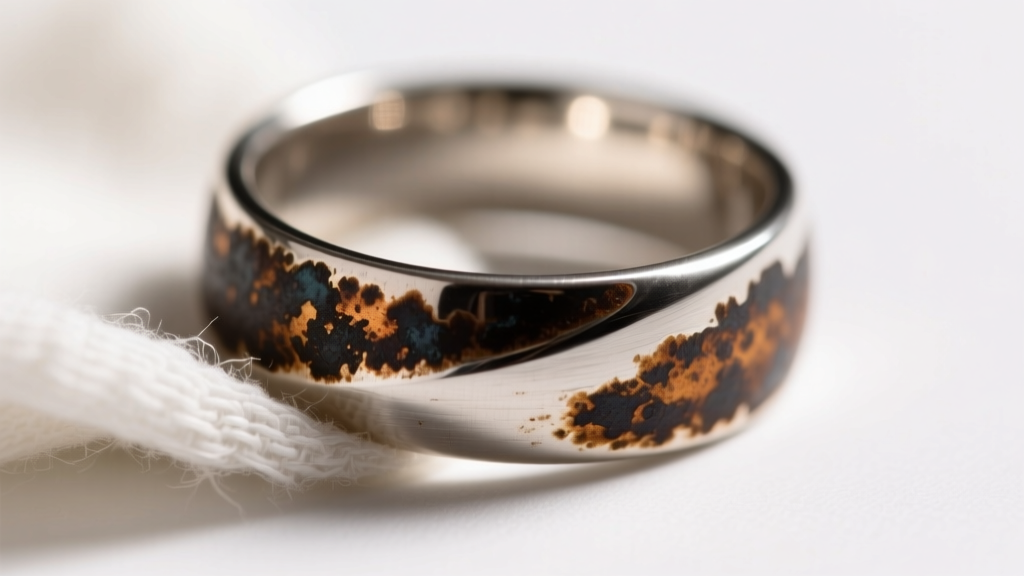
The resurgence of gothic, vintage-revival, and artisan-crafted jewelry has made oxidized silver a dominant trend. The dark, moody aesthetic relies on silver sulfide being intentionally forced into the crevices of the design. The greatest mistake a consumer can make is taking a newly purchased oxidized signet ring and aggressively rubbing it with a chemically treated silver polishing cloth for jewelry.
"Conservation of intentional patinas requires a restrained approach. The goal is to remove environmental oils and surface dust without disturbing the chemically induced sulfide layers in the recesses." — Victoria and Albert Museum Conservation Guidelines
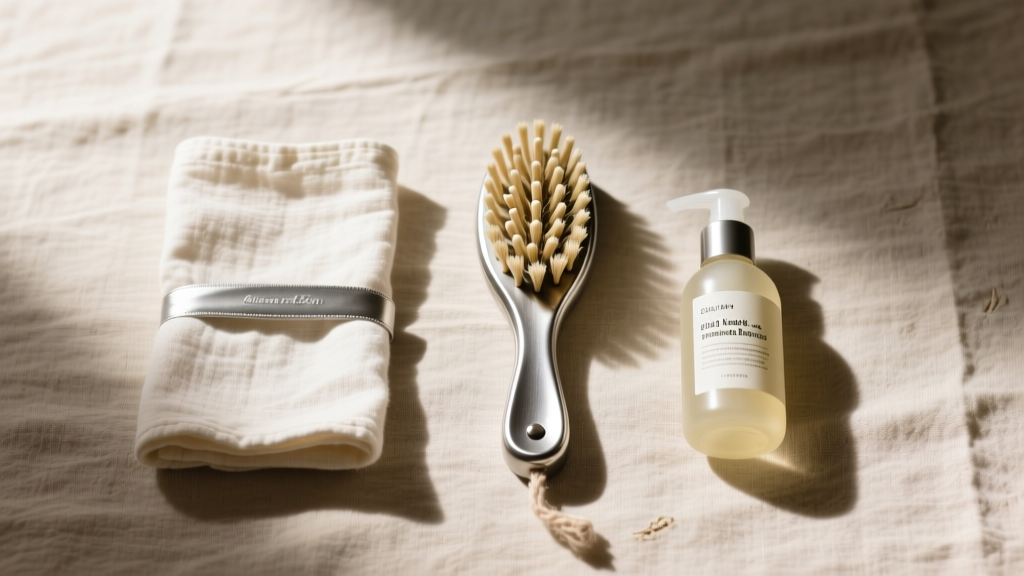
To maintain oxidized pieces, use a soft, untreated cotton cloth or a microfiber towel. Gently dab or wipe only the high points of the jewelry where it naturally touches the skin. For intricate filigree or deep engravings, use a soft horsehair detailing brush to dislodge dust and skin cells without applying the friction necessary to strip the patina.
Sustainable Care: Washing and Reusing Treated Cloths
As the jewelry community becomes more eco-conscious, the disposable nature of chemically treated polishing cloths has come under scrutiny. A common question in style forums is whether these cloths can be washed and reused. The short answer is: it depends on the cloth's construction.
Washing Treated Cloths (e.g., Sunshine, Hagerty)
You must never wash a chemically treated polishing cloth. The tarnish-removing agents and micro-abrasives are embedded into the fibers during manufacturing. Introducing water and detergent will wash these active compounds down the drain, rendering the cloth nothing more than a piece of dirty fabric. Furthermore, washing will redistribute the trapped silver sulfide particles, which can then act as an abrasive paste on your next use. These cloths should be used until they are entirely black and stiff, then discarded or repurposed for base metals like brass or copper.
Washing Untreated Microfiber and Flannel
Untreated cloths are highly sustainable and can be washed dozens of times. However, standard laundry detergents contain optical brighteners, fabric softeners, and enzymes that can leave a microscopic film on the fibers, leading to streaks on high-polish silver. To wash untreated silver care textiles:
- Use a mild, additive-free liquid soap (such as Castile soap).
- Wash in warm water by hand or on a gentle machine cycle.
- Never use fabric softener or dryer sheets. The silicone coatings in these products will transfer to your silver, creating a water-repellent barrier that attracts dust and causes uneven tarnishing.
- Air dry flat to maintain the structural integrity of the fibers.
Expert Verdict: Building a Modern Silver Care Kit
To properly care for a diverse, trend-forward jewelry collection in 2026, relying on a single rag is insufficient. A professional-grade, at-home silver care kit should feature a multi-tiered approach tailored to the specific finishes in your vault.
- For High-Polish & Plain Sterling: Keep a pack of dual-layer treated cloths (like Connoisseurs or Hagerty). The inner layer applies the polishing compound, while the outer flannel layer buffs to a high shine.
- For Satin, Brushed, & Gemstone Pieces: Invest in high-density, untreated optical microfiber cloths. Their split-fiber construction traps dust and oils without requiring chemical assistance or heavy pressure.
- For Textured & Oxidized Silver: A set of natural horsehair brushes (varying from soft to medium bristle) is mandatory for safely cleaning recesses without altering the surface finish.
- For Storage: Post-polishing, store your pieces in anti-tarnish flannel bags infused with Pacific Silvercloth technology, which actively absorbs sulfur gases before they can reach the metal.
Ultimately, the right silver polishing cloth for jewelry is not just a cleaning tool; it is a preservative instrument that respects the designer's original intent. By matching your textile to the specific finish and adhering to sustainable care practices, you ensure that your sterling silver pieces remain as striking and nuanced as the day they were crafted.


