How Do You Clean Sterling Silver Jewelry Without Losing Value
Learn how do you clean sterling silver jewelry on a budget. We compare DIY and commercial methods to prevent abrasive damage and protect resale value.

When collectors, investors, and everyday wearers ask, 'how do you clean sterling silver jewelry,' they are usually focused on one thing: restoring the original shine. However, from a budget and value assessment perspective, the real question should be: how do you restore that shine without stripping away the precious metal itself? Every time you aggressively polish a piece of 925 sterling silver, you are literally rubbing your money away. In this comprehensive guide, we evaluate the true cost of popular cleaning methods, measuring them not just in dollars spent, but in microns of silver lost and long-term resale value preserved.
The True Cost of Tarnish: Why Cleaning Methods Matter for Resale Value
To understand the financial impact of cleaning, you must first understand the chemistry of sterling silver. Authentic 925 sterling silver is an alloy composed of 92.5% pure silver and 7.5% copper. Pure silver is highly resistant to tarnish, but the copper added for structural durability reacts with sulfur compounds in the air to form silver sulfide (Ag2S)—the blackish film we call tarnish.
The critical distinction in jewelry maintenance is the difference between removing tarnish and removing silver. According to the Gemological Institute of America (GIA), abrasive polishing methods physically scrape off the tarnished layer, taking microscopic amounts of the underlying silver with it. While losing 1 or 2 microns (0.001mm) per cleaning session seems negligible, doing this monthly over a decade can erode intricate milgrain details, soften sharp edges, and even erase valuable maker's marks or hallmarks. For antique or high-end artisan pieces, this loss of detail can decrease the resale value by 20% to 40%.
Budget-Friendly DIY Cleaners vs. Commercial Solutions
Let us break down the financial and material costs of the most common cleaning methods available to consumers today. The goal is to find the intersection of low monetary cost and zero metal removal.
| Cleaning Method | Cost Per Use | Silver Loss (Microns) | Best Application |
|---|---|---|---|
| Electrochemical Reduction (Foil + Baking Soda) | $0.05 | 0.0 (Reverses tarnish) | Heavy, uniform tarnish on chains and flatware |
| Microfiber Polishing Cloth | $0.10 | 0.1 - 0.5 | Light fingerprints and daily maintenance |
| Commercial Silver Dips (Thiourea-based) | $0.50 | 1.0 - 3.0 | Intricate filigree where cloths cannot reach |
| Professional Ultrasonic & Polish | $25.00 - $50.00 | 2.0 - 5.0 | Severe neglect or pre-appraisal restoration |
| Toothpaste & Baking Soda Pastes | $0.02 | 5.0+ (Severe scratching) | NEVER USE ON JEWELRY |
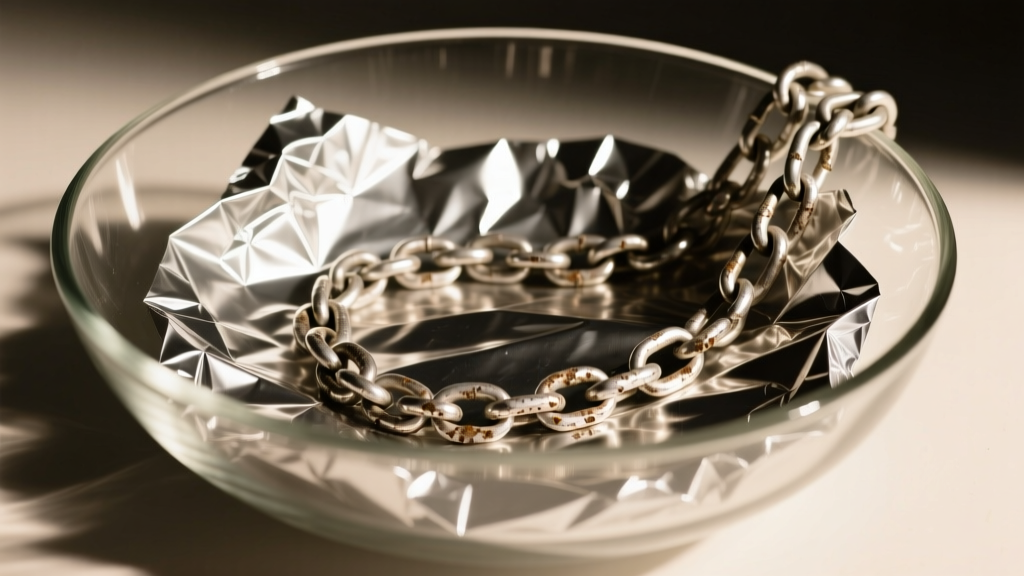
The Aluminum Foil & Baking Soda Method (Cost: Under $1)
From a pure value-retention standpoint, the electrochemical reduction method is the undisputed champion. By lining a glass bowl with aluminum foil and adding hot water, baking soda, and salt, you create a galvanic cell. The aluminum acts as a sacrificial anode, pulling the sulfur atoms away from the silver sulfide and converting it back into pure silver. Because this is a chemical reversal rather than a physical abrasion, zero silver is lost. For budget-conscious collectors looking to maintain the exact weight and detail of their investment pieces, this is the gold standard.
Commercial Silver Dips: The Hidden Long-Term Cost
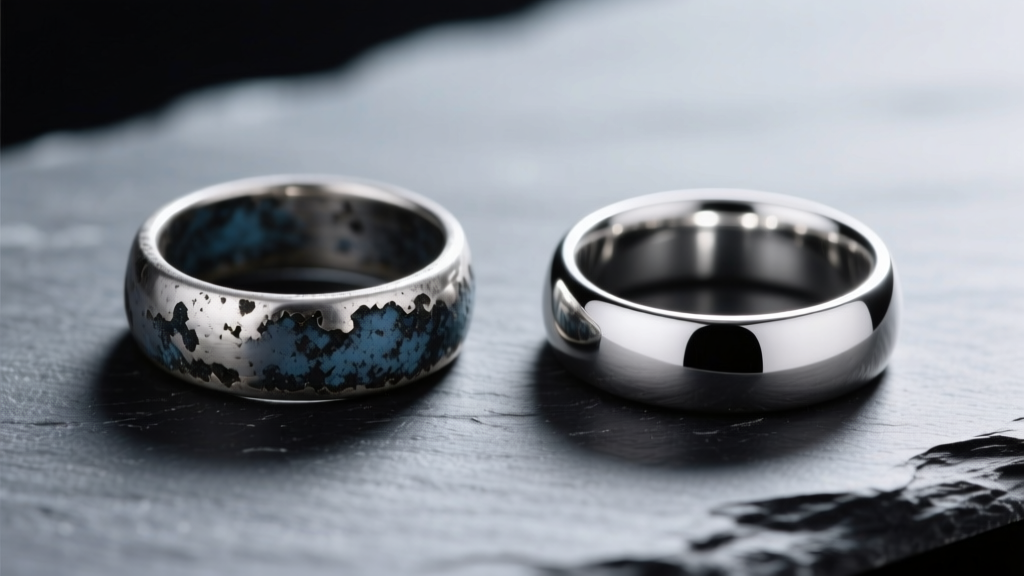
Commercial liquid dips (such as those made by Hagerty or Connoisseurs) typically rely on thiourea, a strong chemical that dissolves silver sulfide instantly. While a $12 bottle seems budget-friendly and lasts for dozens of uses, these dips are highly aggressive. They strip away not only tarnish but also the intentional oxidation (patina) that designers use to add contrast and depth to stamped or engraved motifs. Restoring a stripped patina requires a professional jeweler, often costing upwards of $45. Furthermore, if not rinsed thoroughly, thiourea residue can cause rapid, severe re-tarnishing within weeks.
Hidden Value Destroyers: What to Avoid at All Costs
When searching for how do you clean sterling silver jewelry using household items, you will inevitably encounter dangerous 'life hacks' that destroy metal value.
The Abrasive Trap: Toothpaste and Baking Soda Pastes
Sterling silver ranks at a mere 2.5 to 3 on the Mohs hardness scale. Most standard toothpastes contain hydrated silica as an abrasive agent, which ranks at a 7 on the Mohs scale. Scrubbing silver with toothpaste is akin to sanding a softwood floor with industrial gravel. You will introduce thousands of micro-scratches that dull the reflective surface, forcing you to eventually pay a professional to buff out the damage. Similarly, making a thick paste out of baking soda and water creates an abrasive slurry that will permanently matte high-polish finishes.
Ultrasonic Cleaners and Gemstone Risks
While budget ultrasonic cleaners can be purchased online for around $30, they pose a massive risk to silver jewelry set with porous or fragile stones. The high-frequency cavitation bubbles can easily shatter turquoise, opals, and pearls. Furthermore, if your silver piece features epoxy-set stones (common in mid-century and vintage Native American silver), the ultrasonic vibrations will dissolve the adhesive, resulting in lost gems and expensive repair bills.
Step-by-Step: The Optimal Low-Cost Cleaning Protocol
To maximize your budget while preserving the physical integrity of your 925 silver, follow this exact protocol recommended by metallurgical experts and outlined by Jewelers of America.
'Patience and chemistry will always outperform friction and force. Let the ions do the heavy lifting so your silver retains its original mass and maker's marks.' — Master Silversmith Adage
- Preparation: Line a heat-safe glass or ceramic bowl with aluminum foil, shiny side up. Never use metal bowls, as they will interfere with the ionic exchange.
- The Catalyst: Add 1 tablespoon of baking soda and 1 tablespoon of non-iodized salt per cup of water. Pour in boiling water and stir until dissolved.
- The Bath: Using wooden or plastic tongs (metal tongs will short-circuit the reaction), submerge your silver jewelry. Ensure every piece is physically touching the aluminum foil.
- Timing: Leave light tarnish for 60 seconds. Heavy, blackened tarnish may require 3 to 5 minutes. You will smell a faint sulfur (rotten egg) odor; this means the chemistry is working.
- The Rinse: Remove the jewelry and immediately rinse under warm distilled water. Tap water contains chlorine and minerals that can trigger new tarnish spots.
- The Dry: Pat completely dry with a lint-free microfiber cloth. Do not air dry, as water spots will form.
Long-Term Value Preservation: Anti-Tarnish Storage on a Budget
The most cost-effective way to clean silver is to prevent it from tarnishing in the first place. Storing your jewelry correctly saves you hours of labor and preserves the metal's surface.
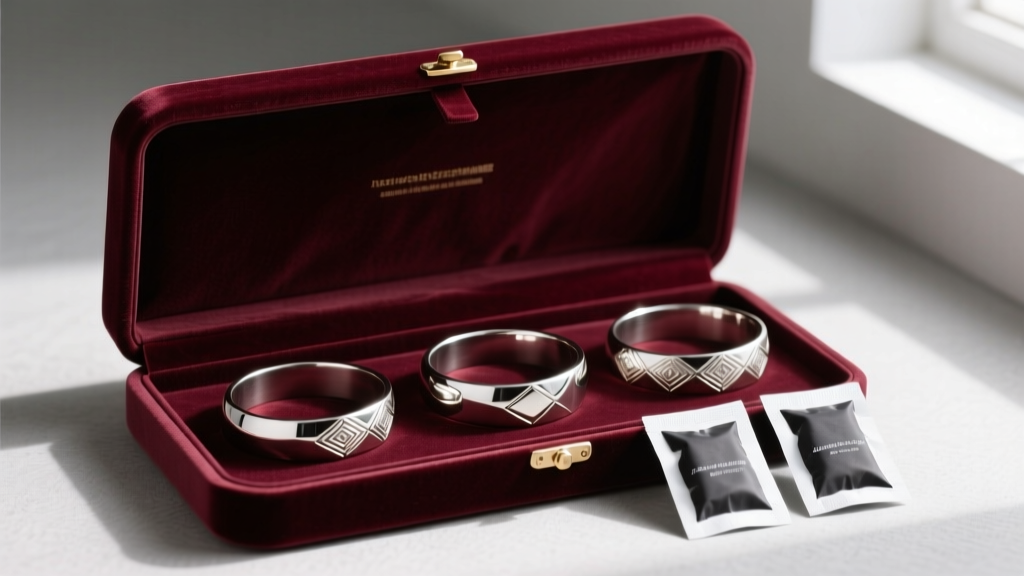
- 3M Anti-Tarnish Strips: Costing roughly $0.60 per strip, these small papers absorb airborne sulfur compounds before they reach your silver. Place one in your jewelry box or ziplock bag, and it will protect the contents for up to six months.
- Pacific Silvercloth: For high-value investments, wrapping pieces in Pacific Silvercloth is ideal. The cotton fabric is embedded with microscopic silver particles that act as a sacrificial shield, tarnishing themselves so your jewelry does not. A $40 yard of this cloth can last for decades, making the per-use cost virtually zero.
- Activated Charcoal & Chalk: If you are on an extreme budget, placing a few pieces of standard blackboard chalk or a small breathable pouch of activated charcoal in your storage drawer will absorb ambient moisture, drastically slowing the copper-sulfur reaction.
Final Verdict: Maximizing Your Silver Investment
When evaluating how do you clean sterling silver jewelry through the lens of budget and value assessment, the data is clear. Avoid abrasive household pastes and expensive professional polishing unless absolutely necessary. By leveraging a $0.05 electrochemical foil bath for heavy tarnish, utilizing a microfiber cloth for daily upkeep, and investing pennies into anti-tarnish storage strips, you can keep your 925 sterling silver brilliantly polished. More importantly, you ensure that every ounce of precious metal, every intricate hallmark, and every dollar of resale value remains entirely intact for years to come.


