How to Clean Tarnished Silver Jewelry & Buy Tarnish-Resistant Pieces
Learn how to clean tarnished silver jewelry safely and discover what to look for when buying tarnish-resistant alloys like Argentium and rhodium-plated 925.

Silver jewelry remains a cornerstone of modern wardrobes, offering a brilliant, moon-white luster that complements every skin tone. However, anyone who wears sterling silver regularly knows the inevitable frustration of tarnish. Understanding how to clean tarnished silver jewelry is only half the battle; the other half is knowing exactly what to look for when purchasing new pieces to minimize maintenance. In this comprehensive guide, we break down the metallurgy of silver tarnish, provide material-specific cleaning protocols, and outline the advanced alloys and finishes you should seek out when shopping for low-maintenance silver jewelry in 2026.
The Metallurgy of Tarnish: Why Your 925 Silver Darkens
To effectively clean and prevent tarnish, you must first understand the chemistry behind it. Pure silver (999 fine silver) is highly resistant to tarnish. However, it is too soft for everyday jewelry. To create sterling silver, metallurgists alloy 92.5% pure silver with 7.5% other metals—most commonly copper. It is this copper content that reacts with sulfur compounds in the air, on your skin, and in household products to form silver sulfide (Ag2S), the dark, dull layer we recognize as tarnish.
According to the Silver Institute, environmental factors like high humidity, air pollution, and exposure to chemicals like chlorine or hydrogen sulfide drastically accelerate this oxidation process. Therefore, the goal of modern silver jewelry design is either to shield the copper from sulfur or to replace the copper entirely.
How to Clean Tarnished Silver Jewelry: A Material-Specific Guide
Not all silver jewelry should be cleaned the same way. Using an aggressive chemical bath on a rhodium-plated piece or an oxidized vintage ring can ruin the finish. Here is how to approach cleaning based on your jewelry's specific material profile.
Method 1: The Electrochemical Redox Bath (For Solid, Unplated 925)
This method uses a scientific redox (reduction-oxidation) reaction to reverse tarnish without removing any underlying silver. It is highly effective for heavily tarnished, solid 925 chains and bangles without gemstones.
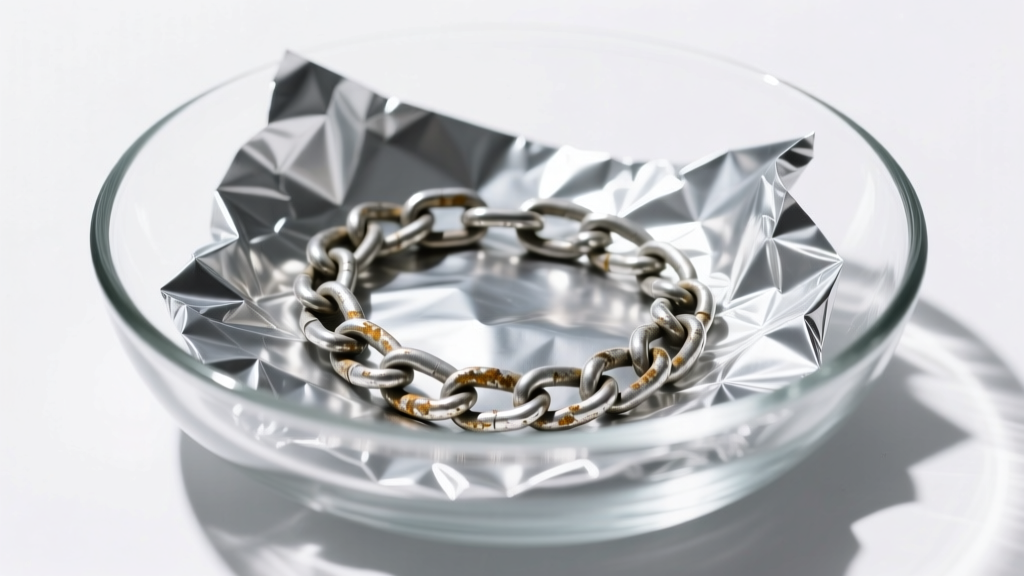
- The Setup: Line a glass or ceramic bowl with aluminum foil, shiny side up.
- The Solution: Add 1 tablespoon of baking soda (sodium bicarbonate) and 1 tablespoon of sea salt per cup of boiling water. Pour the mixture into the foil-lined bowl.
- The Reaction: Submerge your silver jewelry so it physically touches the aluminum foil. The boiling heat activates the reaction. You will notice bubbling and may smell a faint "rotten egg" odor—this is hydrogen sulfide gas releasing as the silver sulfide transfers from your jewelry to the aluminum.
- The Finish: Remove after 2 to 5 minutes, rinse thoroughly with distilled water, and buff dry with a microfiber cloth.
Warning: Never use this method on oxidized (intentionally blackened) silver, as it will strip the dark antiquing from the crevices. Avoid using it on porous gemstones like turquoise, opals, or pearls.
Method 2: Mild Surfactant Wash (For Rhodium-Plated & Gemstone Pieces)
If your jewelry is rhodium-plated or features delicate stone settings, chemical baths and abrasive polishing cloths are strictly off-limits. They will strip the micron-thin plating and scratch softer stones.
- Mix a few drops of phosphate-free dish soap (like Dawn) into a bowl of lukewarm water.
- Soak the jewelry for 3 to 5 minutes to loosen oils and surface dirt.
- Use an extra-soft baby toothbrush to gently agitate the crevices around the prongs and settings.
- Rinse under lukewarm running water and pat dry with a lint-free cloth.
Method 3: Professional Ultrasonic Cleaning (When to Use and Avoid)
Ultrasonic cleaners use high-frequency sound waves (typically 40-45 kHz) to create microscopic cavitation bubbles that blast dirt from hard-to-reach areas. While excellent for diamond-set sterling silver, the intense vibrations can shatter internally fractured stones like emeralds or opals, and can loosen glue in cluster settings. Use ultrasonics only for solid, unplated silver pieces with secure, prong-set hard gemstones (sapphires, rubies, diamonds).
The Buyer’s Guide: What to Look For to Prevent Tarnish
Knowing how to clean tarnished silver jewelry is useful, but buying pieces that resist tarnish in the first place is the ultimate luxury. When shopping, look for these specific material upgrades and finishes.
Argentium Silver (935 and 960 Grades)
Developed by Peter Johns at Middlesex University, Argentium silver is a revolutionary alloy that replaces a portion of the traditional copper with the metalloid germanium. According to jewelry manufacturing experts at Rio Grande, the germanium migrates to the surface and forms a transparent, protective layer of germanium dioxide. This layer physically blocks sulfur from reaching the copper, making Argentium up to 7 times more tarnish-resistant than standard sterling. When buying, look for the "935" or "960" stamp and the distinctive flying unicorn hallmark.
Rhodium and Platinum Flash Plating
Rhodium is a platinum-group metal that is naturally brilliant white and completely impervious to tarnish. Most high-end commercial sterling silver is plated with rhodium to provide a bright, white-gold-like finish. When reading product descriptions, look for the plating thickness. "Flash plating" (0.1 microns or less) will wear off in a few months of daily wear. High-quality jewelry will feature heavy rhodium plating ranging from 0.5 to 1.0 microns, which can last for years before requiring re-plating.
E-Coating (Electrophoretic Coating)
Common in mass-market charm bracelets and intricate filigree designs, E-coating involves submerging the silver in an organic lacquer bath and applying an electrical current. This creates an even, microscopic polymer shield over the entire piece, including deep recesses that rhodium plating cannot reach. While highly effective at preventing tarnish, E-coating can give the silver a slightly synthetic, "glassy" appearance and cannot be easily polished if scratched.
Comparison Chart: Standard 925 vs. Tarnish-Resistant Alternatives
| Material / Finish | Tarnish Resistance | Maintenance Level | Price Premium | Best Use Case |
|---|---|---|---|---|
| Standard 925 Sterling | Low | High (Frequent polishing) | Baseline | Vintage styles, everyday budget pieces |
| Argentium 935/960 | Very High | Low (Occasional wipe down) | +15% to +30% | Wedding bands, heirloom chains, low-maintenance daily wear |
| Rhodium-Plated 925 | High (Until worn) | Medium (Gentle washing only) | +10% to +25% | High-shine fashion jewelry, gemstone rings |
| E-Coated 925 | High | Low (Wipe with damp cloth) | +5% to +15% | Intricate charms, mass-market bracelets |
Red Flags When Shopping for Silver Online
When searching for tarnish-resistant silver, the market is flooded with misleading terminology. Protect your investment by watching out for these common traps:
- "Tibetan Silver" or "Tribal Silver": These terms rarely contain any actual silver. They are typically base metal alloys (zinc, copper, nickel) that may contain harmful levels of lead or cadmium. They will tarnish rapidly and can cause severe contact dermatitis.
- "Silver Filled" vs. "Silver Plated": Silver-filled jewelry features a thick outer layer of sterling silver mechanically bonded to a brass core (usually 1/20th or 1/10th silver by weight). It is highly durable and tarnishes like solid silver. Standard "silver plated" jewelry has a microscopically thin layer applied via electroplating that will wear through to the base metal quickly.
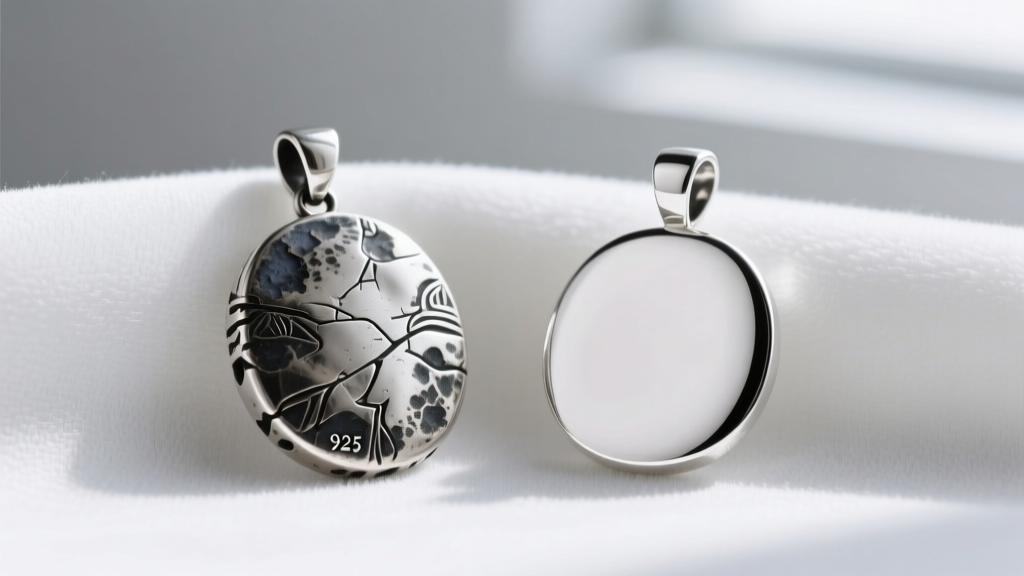
- Missing Hallmarks: Genuine sterling silver should almost always bear a "925", "Ster", or "Sterling" stamp. While some delicate chains omit stamps due to space constraints, a missing hallmark on a substantial ring or pendant is a major red flag.
Expert Storage Tip: Even the most advanced tarnish-resistant alloys benefit from proper storage. Keep your silver in airtight zip-lock bags with 3M anti-tarnish strips, which absorb ambient sulfur gases. Never store silver in cardboard boxes or wrap it in rubber bands, as the sulfur in paper products and rubber will rapidly induce severe tarnishing.
By mastering the science of how to clean tarnished silver jewelry and knowing exactly which metallurgical upgrades to demand from retailers, you can build a jewelry collection that stays brilliantly white with minimal effort. Whether you opt for the cutting-edge germanium alloy of Argentium or the mirror-like shield of heavy rhodium plating, buying smart is the ultimate key to effortless silver maintenance.


