Beginner Guide to a Vintage Silver Plated Jewelry Box
Learn how to identify, restore, and safely store sterling pieces in a vintage silver plated jewelry box with our beginner-friendly expert guide.

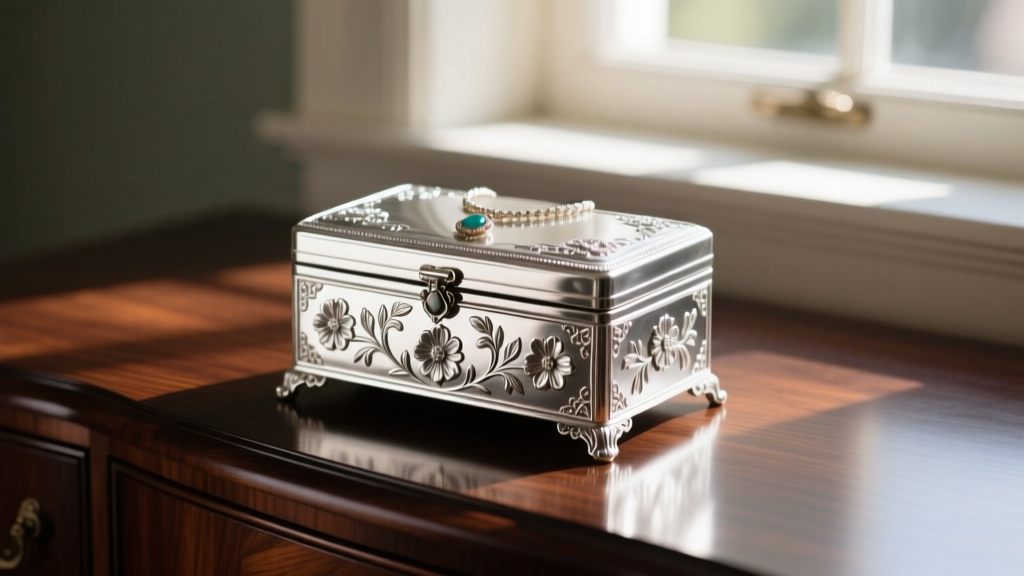
The Allure of Vintage Silver-Plated Storage
There is a distinct elegance to dressing table accessories from the early-to-mid 20th century. For jewelry collectors and enthusiasts, a vintage silver plated jewelry box offers a beautiful, historically rich vessel for storing cherished pieces. However, unlike solid sterling silver (which is 92.5% pure silver alloyed with copper), silver-plated items consist of a base metal core—typically brass, copper, or nickel silver—coated with a microscopic layer of pure silver. Understanding the metallurgy, history, and proper care of these boxes is essential before you trust them with your valuable 925 sterling silver rings, necklaces, and earrings.
In this beginner-friendly guide, we will decode the hallmarks, explore the hidden chemistry of vintage fabric linings, and provide a foolproof restoration method that protects the delicate silver layer from being stripped away.
Decoding the Marks: EPNS, Sheffield, and Electroplate
When hunting for a vintage silver plated jewelry box, the first step is identifying its origin and manufacturing method. According to The Silver Society, the transition from fused silver plate to electroplating in the 1840s completely revolutionized the industry. Vintage boxes from the 1920s through the 1950s often boast an impressive 20 to 30 microns of silver plating. By contrast, modern decorative boxes manufactured overseas may feature 'flash plating' of less than 1 micron, making vintage pieces vastly superior for longevity and restoration.
Common Hallmarks and Stamps
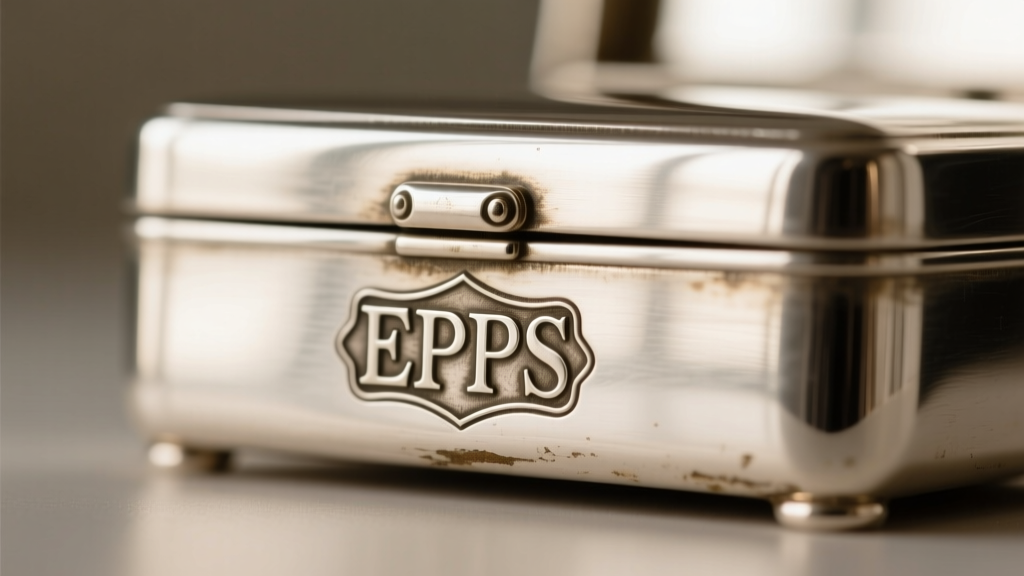
Turn the box over and inspect the base or the inner rim of the lid. You are looking for specific acronyms that dictate the base metal and the plating technique used.
| Mark / Stamp | Meaning | Base Metal Core | Era & Value Indicator |
|---|---|---|---|
| EPNS | Electroplated Nickel Silver | Nickel/Copper/Zinc Alloy | 1850s-Present; Most common, durable, moderate value. |
| EPBM | Electroplated Britannia Metal | Tin/Antimony/Copper Alloy | 1850s-1920s; Softer core, prone to denting, lower value. |
| Sheffield Plate | Fused Silver & Copper | Copper | 1740s-1840s; Rare, highly collectible, look for copper 'bleeding' at edges. |
| Quadruple Plate | Four layers of electroplating | Varies (Often Nickel Silver) | 1880s-1930s; Thicker silver layer, excellent for restoration. |
The Tarnish Trap: Storing Sterling Silver Safely
It is a common misconception that storing sterling silver inside a silver-plated box will naturally prevent tarnish. In reality, improper storage in a vintage vessel can accelerate damage. Tarnish is a chemical reaction where hydrogen sulfide in the ambient air reacts with the copper alloy in 925 sterling silver to form silver sulfide (the black layer you see on neglected jewelry).
The Danger of Vintage Linings and Galvanic Corrosion
Many vintage silver plated jewelry boxes feature original silk, velvet, or satin linings. In the early 20th century, silk was often 'weighted' with metallic salts (like tin chloride) to make the fabric feel heavier and more luxurious. As these salts degrade, they off-gas sulfur compounds, which will rapidly tarnish any sterling silver stored inside. Furthermore, if the silver plating on the box has worn through to the brass or copper base, storing 925 sterling silver directly against it in a humid environment creates a galvanic cell. This galvanic corrosion can cause severe pitting on your expensive sterling jewelry.
Upgrading the Interior for Modern Standards
To safely use a vintage box today, you must mitigate these chemical risks. The Silver Institute recommends controlling the micro-climate of your jewelry storage. Here is how to upgrade your vintage box:
- Pacific Silvercloth: Line the bottom of the compartments with this specialized cotton fabric, which is embedded with microscopic silver particles that intercept and absorb sulfur gases before they reach your jewelry.
- 3M Anti-Tarnish Strips: Tuck a small strip of 3M treated paper into the corner of the box. These strips absorb airborne sulfides and protect metals for up to 6 months in an enclosed space.
- Avoid Polyurethane Foams: If replacing the padding, never use modern polyurethane or synthetic rubber foams, as these materials off-gas chemicals that cause rapid tarnishing. Use 100% cotton batting or acid-free tissue paper instead.
Step-by-Step Restoration for Beginners
If you have acquired a heavily tarnished vintage silver plated jewelry box, your instinct might be to use the popular internet hack of boiling water, aluminum foil, and baking soda. Do not do this. While this electrochemical reduction method works for solid sterling silver, it can be disastrous for vintage plate. The reaction can cause weakened, antique silver plating to blister and lift from the base metal, and it leaves behind a porous, dead-white matte finish that attracts dirt and oils much faster than a polished surface.
The Proper Polishing Technique
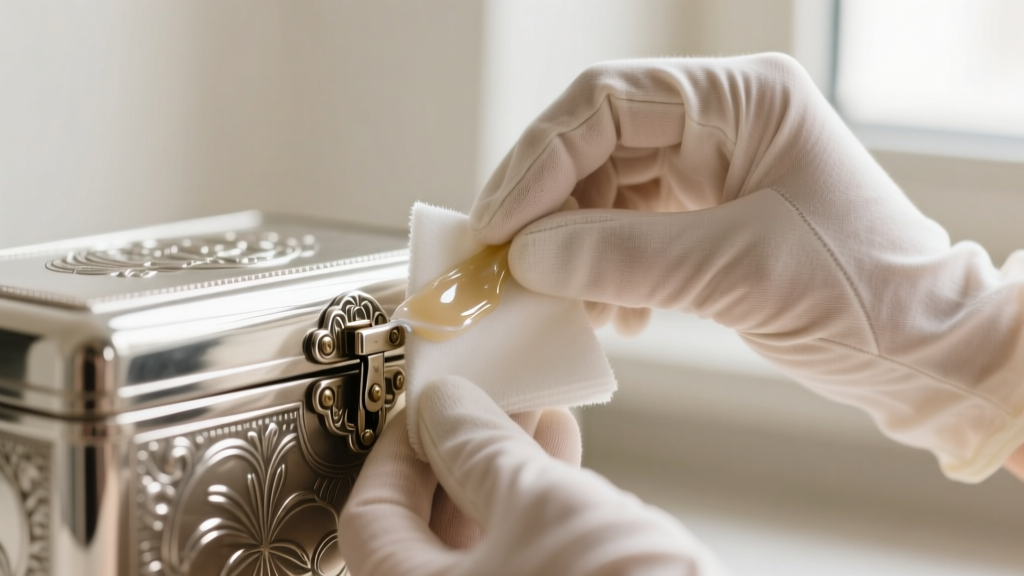
To restore the warm, lustrous glow of a vintage piece without stripping the finite silver layer, follow these professional conservation steps:
- Choose the Right Polish: Avoid harsh liquid dips (like Tarn-X) which contain thiourea, a toxic chemical that strips silver. Instead, use a mild, low-abrasive cream like Wright's Silver Cream, Godards Silver Polish, or Hagerty 100.
- Use the Right Tools: Apply the polish using a damp, soft cellulose sponge or a 100% cotton flannel cloth. Never use paper towels, as the wood fibers will inflict micro-scratches on the soft silver.
- Polish in Straight Lines: Rub the polish in straight, back-and-forth lines rather than circles. Circular motions highlight micro-scratches and create a 'halo' effect under direct light, whereas straight lines mimic the original factory brushing.
- Detailing the Engravings: For ornate floral engravings or repoussé work, use a cotton swab dipped in polish. Leave a tiny amount of tarnish in the deepest crevices; this provides 'patina contrast' which makes the vintage engravings pop and proves the piece is not a modern reproduction.
Handling Worn Spots and 'Bleeding'
If the box has high-contact areas (like the lid rim or hinges) where the silver has worn away to reveal the yellow brass or red copper beneath, do not attempt to polish these spots aggressively. You cannot polish base metal back into silver. Instead, clean the area gently with a mild dish soap, dry it thoroughly, and apply a thin coat of Renaissance Wax. This micro-crystalline wax will seal the exposed base metal, preventing it from oxidizing or triggering galvanic reactions with your stored jewelry.
Sourcing and Pricing Authentic Vintage Boxes
The market for vintage silver plated jewelry boxes is robust, but pricing varies wildly based on the manufacturing technique, the condition of the plating, and the interior lining. When shopping on platforms like Etsy, eBay, or at local estate sales in 2026, use these general pricing frameworks to ensure you are paying fair market value:
- Standard 1930s-1950s EPNS Boxes ($40 - $120): These are mass-produced but high-quality boxes, often featuring geometric Art Deco lines or simple floral repoussé. They are excellent for daily use and easy to restore.
- Art Nouveau & Repoussé Caskets ($150 - $300): Boxes featuring deep, three-dimensional floral or cherub designs, often with heavy 'Quadruple Plate' markings. The intricate detailing requires more patience to clean but offers stunning visual impact.
- Authentic Pre-1840s Sheffield Plate ($400 - $900+): True Sheffield plate is rare. You can identify it by looking for a warm, slightly grayish hue and 'bleeding'—where the underlying copper shows through in soft, irregular patches rather than sharp, worn lines. According to The London Assay Office, historical silver artifacts require careful provenance verification, so only buy Sheffield plate from reputable antique dealers who can guarantee its authenticity.
Final Thoughts
A vintage silver plated jewelry box is more than just a decorative container; it is a piece of functional history. By understanding the difference between EPNS and Sheffield plate, upgrading the interior lining to prevent sulfur off-gassing, and utilizing gentle, straight-line polishing techniques, you can preserve these beautiful artifacts for generations. Whether you are storing a collection of heirloom sterling silver rings or modern minimalist chains, a properly restored and scientifically lined vintage box provides a safe, elegant, and deeply personal home for your most treasured accessories.


