Decoding Jewelry Stamped 925: An Expert Metallurgy & Testing Guide
Discover the metallurgy behind jewelry stamped 925. Learn expert authentication methods, alloy compositions, and how to spot counterfeit silver hallmarks.

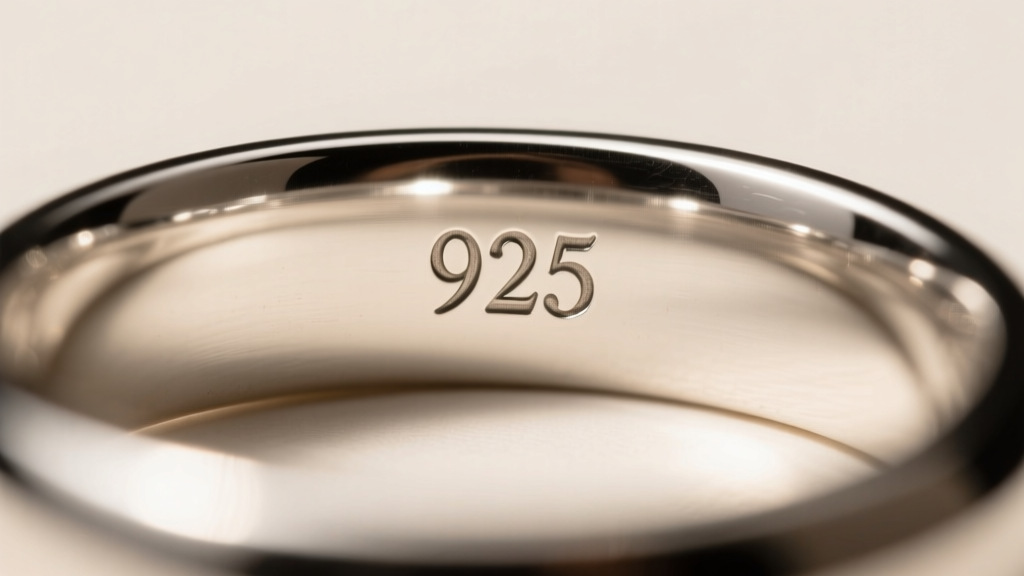
The '925' stamp is arguably the most recognized hallmark in the global jewelry market, serving as the universal shorthand for sterling silver. However, as counterfeit manufacturing techniques have grown increasingly sophisticated, a simple stamp is no longer a guaranteed proxy for authenticity. For jewelers, collectors, and informed consumers, understanding the exact metallurgical science, legal tolerances, and chemical verification methods behind jewelry stamped 925 is critical. This expert deep dive explores the atomic realities of sterling silver, the failure modes of counterfeit pieces, and the technical protocols used to authenticate them.
The Metallurgy of 925: Why Pure Silver Fails in Jewelry
To understand the 925 standard, we must first look at the elemental properties of pure silver (Ag, atomic number 47). Fine silver (99.9% pure) possesses a highly reflective luster and exceptional malleability, but it is fundamentally too soft for functional jewelry. On the Vickers hardness scale (HV), fine silver registers a mere 25 HV. A ring crafted from fine silver will quickly deform, scratch, and lose its structural integrity under daily mechanical stress.
To resolve this, metallurgists alloy pure silver with other metals to increase its tensile strength and hardness. The '925' stamp indicates that the piece is composed of 92.5% pure silver and 7.5% alloying metals by weight. Traditionally, copper (Cu) is the chosen alloy. The addition of 7.5% copper raises the hardness of the metal to approximately 65-70 HV, more than doubling its durability while preserving the optical properties of the silver. According to the Gemological Institute of America (GIA), this specific ratio represents the optimal metallurgical compromise between workability, tarnish resistance, and structural durability.
Modern Alloy Variations: Argentium and Deox Silver
While copper is the traditional alloy, it introduces a significant vulnerability: oxidation. Copper reacts readily with sulfur and oxygen in the atmosphere, leading to tarnish. In recent years, advanced metallurgical formulations have emerged to combat this. Argentium silver, for example, replaces a portion of the copper with germanium (Ge). The germanium migrates to the surface and forms a transparent, self-healing layer of germanium dioxide, drastically slowing tarnish and eliminating firescale during soldering.
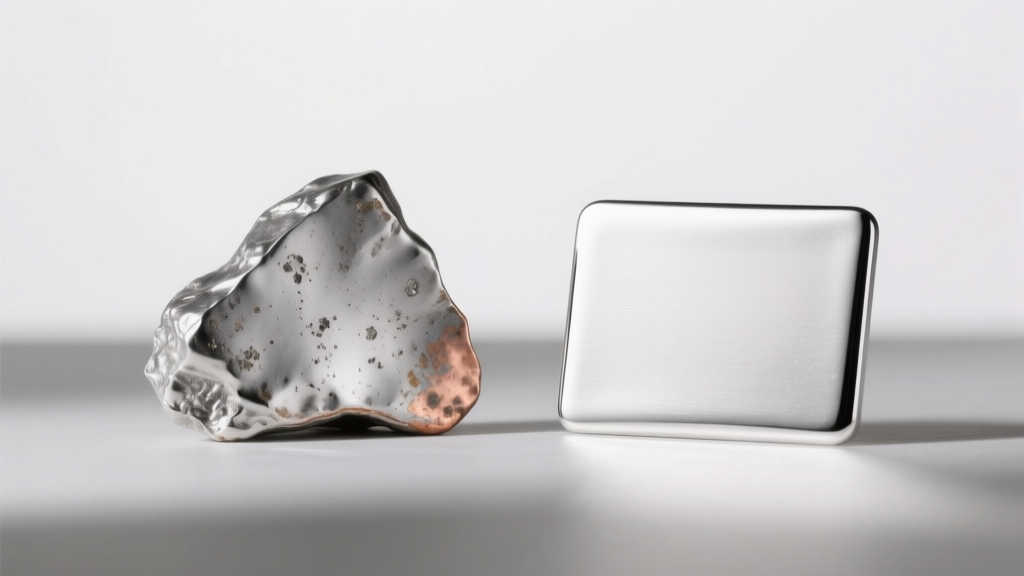
The Anatomy of a Counterfeit: How Fakes Exploit the 925 Stamp
The proliferation of overseas mass-manufacturing has led to a flood of fraudulent jewelry stamped 925. Counterfeiters exploit the visual similarity of base metals to deceive buyers. Understanding these specific failure modes is essential for accurate identification.
- Silver-Plated Brass/Copper: The most common fake involves a core of cheap brass or copper that is electroplated with a microscopically thin layer of pure silver and stamped 925. Once the plating wears off (often within months), the base metal oxidizes green or black.
- Nickel Silver (German Silver): Despite the name, nickel silver contains exactly 0% silver. It is an alloy of copper, nickel, and zinc. It is hard, silvery-gray, and frequently stamped with fraudulent 925 marks in unregulated markets.
- Tibetan or Tribal Silver: Often marketed as antique or artisanal, these pieces are typically cast from pot metal (zinc, lead, and tin alloys) and artificially darkened. They pose severe health risks due to high lead and cadmium content.
Technical Verification: Authenticating the 925 Stamp
Relying on a magnet test is a novice mistake; while silver is diamagnetic (non-magnetic), so are copper, brass, and austenitic stainless steel. Professional authentication requires chemical or spectrometric analysis. Below is a breakdown of the primary testing methodologies used by bench jewelers and assayers.
| Testing Method | Scientific Principle | Accuracy for 925 | Destructive? |
|---|---|---|---|
| Schwerter's Acid Test | Chemical oxidation reaction via potassium dichromate and nitric acid. | High (Surface only) | Yes (Requires filing) |
| X-Ray Fluorescence (XRF) | Excites atoms to emit secondary X-rays, measuring elemental composition. | Extremely High | No |
| Specific Gravity Test | Measures density via water displacement (Sterling SG is ~10.36). | Moderate | No |
| Electrochemical Testing | Measures electrical conductivity and galvanic potential. | High | No |
The Chemistry of the Acid Test
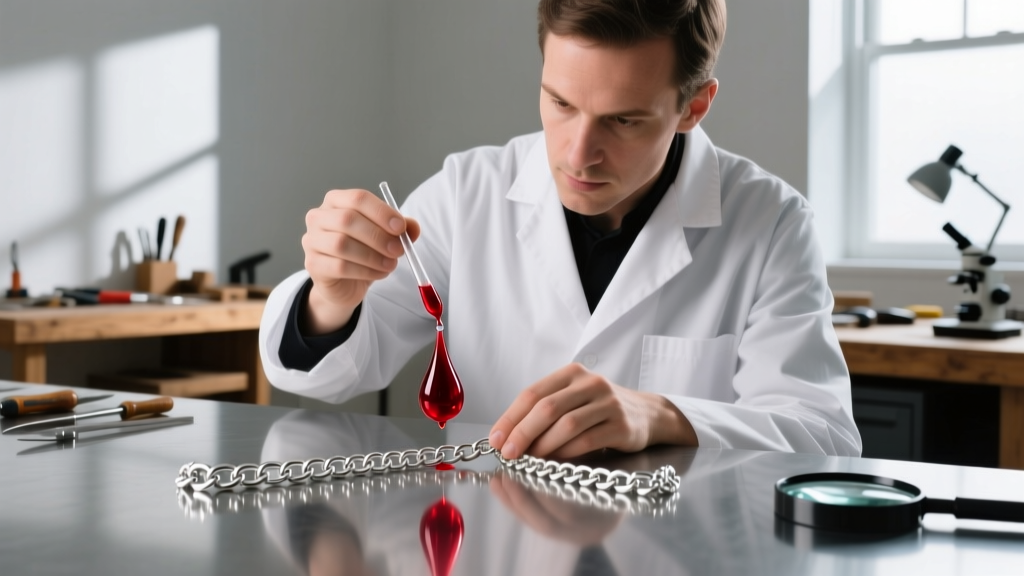
When performing a chemical spot test, jewelers use Schwerter's solution. To bypass surface plating, a deep file is made into the metal, and a drop of the acid is applied. The resulting color change dictates the silver content: a deep, blood-red color confirms 925 sterling silver; a dark brown or green indicates a lower silver content (such as 800 coin silver); a bright blue or green indicates a copper or brass base metal.
Tarnish, Firescale, and Corrosion in Stamped 925 Pieces
Even genuine jewelry stamped 925 is subject to complex chemical degradation. Tarnish is primarily silver sulfide (Ag2S), which forms when silver reacts with hydrogen sulfide in the air. However, a more insidious issue for jewelers and restorers is firescale.
When sterling silver is heated during soldering or casting, the copper in the alloy reacts with oxygen to form cuprite (Cu2O) deep within the metal matrix. While surface oxidation (tenorite, or CuO) can be removed by quenching the piece in a warm sodium bisulfate pickle solution, cuprite remains trapped beneath the surface. It manifests as a stubborn, shadowy purple-gray stain that cannot be polished away without aggressive mechanical abrasion or chemical stripping. Modern bench jewelers mitigate this by using reducing atmospheres during casting or by switching to germanium-alloyed silvers.
Legal Standards and Hallmarking Tolerances
The application of the 925 stamp is governed by strict trade laws, though enforcement varies wildly by jurisdiction. In the United States, the Federal Trade Commission (FTC) Jewelry Guides dictate that a piece stamped 925 must not contain less than 92.1% pure silver when accounting for the silver content of any solder used in the manufacturing process.
Conversely, the United Kingdom operates under the Hallmarking Act 1973. In the UK, a simple '925' stamp applied by a manufacturer is legally insufficient for items over 7.78 grams. The piece must be submitted to an official Assay Office, where it undergoes destructive or XRF testing before receiving a legally binding hallmark that includes the maker's mark, the assay office mark, and the fineness mark. This rigorous system makes counterfeit hallmarked silver in the UK exceptionally rare compared to the US market.
Expert Takeaway: A 925 stamp is a statement of intended metallurgical composition, not a guarantee of authenticity. Always verify high-value sterling silver purchases using specific gravity testing, XRF analysis, or professional acid testing, particularly when acquiring vintage pieces or buying from unverified digital marketplaces.


